Signs Your Wisdom Tooth Needs to Come Out
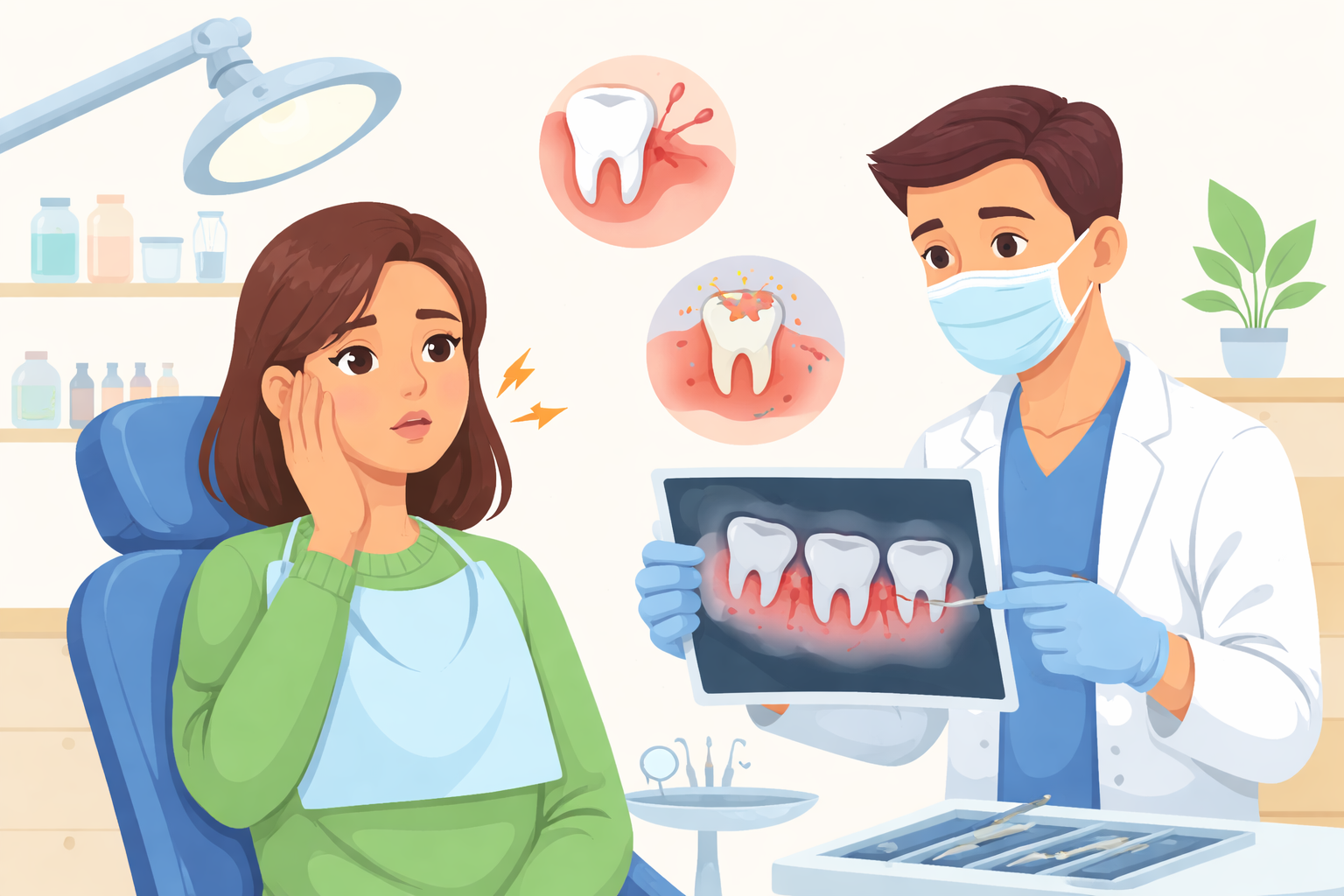
Wisdom teeth are famous for causing problems — but how do you actually know when yours need to come out? For some people, wisdom teeth grow in without much trouble. For many others, they become painful, infected, or damaging to nearby teeth.
Understanding the early warning signs can save you from serious complications, emergency visits, and long-term oral health issues. If you’re dealing with discomfort in the back of your mouth, recurring infections, or jaw pain, your wisdom teeth may be sending you a clear message.
This guide walks you through the most common signs your wisdom tooth needs to come out, what happens if you delay treatment, and what to expect from the removal process.
What Are Wisdom Teeth and Why Do They Cause Problems?
Wisdom teeth are your third molars, usually appearing between ages 17 and 25. They are the last teeth to erupt and often don’t have enough room to come in properly.
Modern jaws are smaller than our ancestors’, which means wisdom teeth frequently become impacted, partially erupted, or grow at awkward angles. When that happens, they can press against other teeth, trap bacteria, and create ongoing inflammation.
Even when they don’t hurt at first, wisdom teeth can quietly cause damage beneath the surface.
Why Dentists Often Recommend Wisdom Tooth Removal
Dentists and oral surgeons often recommend removing wisdom teeth before they cause serious complications. Early removal usually means easier surgery, faster healing, and fewer risks.
Common reasons for removal include:
- Lack of space in the jaw
- Impacted or partially erupted teeth
- Repeated infections
- Damage to neighboring teeth
- Cyst or tumor formation
- Alignment issues
Now let’s look at the clear warning signs that your wisdom tooth likely needs to come out.
1. Persistent Pain at the Back of Your Mouth
One of the earliest and most common symptoms is a dull or throbbing pain near the back molars. This discomfort may come and go at first, then gradually become more frequent.
The pain often worsens when chewing or opening your mouth wide. It may also radiate into your jaw, ear, or temple.
If the pain is constant or getting worse, it’s usually a sign of infection, pressure, or inflammation around the wisdom tooth.
2. Swollen, Red, or Bleeding Gums
When a wisdom tooth is partially erupted, it creates a small flap of gum tissue where food and bacteria easily get trapped. This leads to inflammation known as pericoronitis.
You may notice:
- Swollen or tender gums behind your molars
- Redness around the tooth
- Bleeding when brushing or flossing
- A bad taste in your mouth
These symptoms often return repeatedly unless the tooth is removed.
3. Jaw Pain and Stiffness
Wisdom teeth can put pressure on your jaw as they attempt to erupt. This pressure may cause soreness, stiffness, or even difficulty opening your mouth fully.
Some patients develop jaw locking or clicking, especially if inflammation spreads into surrounding tissues. In more advanced cases, proper healing follows a structured jaw recovery process similar to what patients experience after corrective jaw procedures.
If jaw pain continues for more than a few days, it may signal deeper infection or impaction that requires surgical removal.
4. Frequent Headaches or Earaches
Because wisdom teeth sit near the jaw joint and nerves, pain can radiate into the ears and temples. Many people mistake wisdom tooth pain for migraines, sinus problems, or ear infections.
If you’re getting recurring headaches along with jaw or tooth pain, your wisdom teeth may be the hidden cause.
5. Bad Breath That Won’t Go Away
Chronic bad breath can be a sign of bacteria buildup around a partially erupted or impacted wisdom tooth.
Even with good brushing and flossing, it’s difficult to clean around a wisdom tooth that hasn’t fully emerged. Bacteria thrive in this pocket and release unpleasant odors.
If mouthwash and hygiene aren’t solving the problem, the tooth itself may be the source.
6. Difficulty Opening Your Mouth
Inflammation around impacted wisdom teeth can spread into surrounding muscles and ligaments. This can make opening your mouth uncomfortable or difficult.
You may notice tightness, soreness when yawning, or pain while chewing. In advanced cases, infection can restrict jaw movement entirely.
This symptom should never be ignored, as it may indicate a spreading infection.
7. Swelling in the Cheek or Jaw
Facial swelling is a sign your body is reacting to infection or pressure. It may start subtly and gradually increase over several days.
Swelling often comes with warmth, tenderness, and sensitivity to touch. In more serious cases, it can affect speech and chewing.
When swelling appears suddenly or worsens quickly, it may qualify as a true dental emergency that requires immediate evaluation.
8. Crowding or Shifting Teeth
Wisdom teeth can push against neighboring molars as they try to erupt. Over time, this pressure may shift your teeth out of alignment.
Patients who had braces often notice their teeth moving again after wisdom teeth begin coming in. Even minor shifting can affect bite alignment and create long-term orthodontic issues.
Removing wisdom teeth early helps protect the alignment of your smile.
9. Repeated Infections
If you’ve been prescribed antibiotics multiple times for the same area, your wisdom tooth is likely the root cause.
Recurring infections are common when wisdom teeth are partially erupted or impacted. Each infection weakens surrounding tissue and increases the risk of complications.
Extraction eliminates the source of the problem and prevents future flare-ups.
10. Cysts or Damage Seen on X-Rays
Sometimes wisdom teeth don’t cause obvious symptoms but still create problems beneath the surface.
Dental X-rays may reveal:
- Cysts forming around impacted teeth
- Bone damage
- Root resorption of nearby teeth
- Abnormal growth patterns
Left untreated, cysts can grow large and weaken the jawbone. Early detection makes removal simpler and recovery smoother.
What Happens If You Ignore the Warning Signs?
Delaying wisdom tooth removal can lead to serious complications, including:
- Severe infections
- Abscess formation
- Permanent damage to nearby teeth
- Bone loss
- Sinus involvement for upper wisdom teeth
- Chronic jaw pain
In upper wisdom teeth, infections can spread into the sinus cavity and may even require advanced procedures such as sinus surgery if untreated for too long.
Ignoring symptoms often turns a simple extraction into a more complex surgical procedure.
When Is the Best Time to Remove Wisdom Teeth?
The ideal time for removal is usually between ages 17 and 25, when roots are still developing and bone is softer. Healing tends to be faster and complications are less likely.
However, wisdom teeth can be safely removed at any age. The key is addressing problems early before damage occurs.
What to Expect During Wisdom Tooth Removal
Wisdom tooth extraction is one of the most common oral surgery procedures. Most patients are surprised by how smooth and quick the process is.
Depending on the position of your teeth, your oral surgeon may recommend local anesthesia, oral sedation, or IV sedation for maximum comfort.
Many patients choose IV sedation because it allows them to sleep through the procedure and wake up with little memory of the surgery.
Recovery After Wisdom Tooth Removal
Recovery typically takes a few days to a week for most patients.
You can expect:
- Mild swelling for 2–3 days
- Minor discomfort controlled with medication
- Soft food diet for a few days
- Gradual return to normal activities
Following your surgeon’s aftercare instructions is essential for preventing dry socket and infection.
When to Call Your Oral Surgeon
You should contact your oral surgeon immediately if you experience:
- Severe or worsening pain
- Fever
- Excessive bleeding
- Increasing swelling
- Difficulty breathing or swallowing
These symptoms may indicate a developing infection that requires urgent treatment.
Call us at 305-552-1193
Listen to What Your Wisdom Teeth Are Telling You
Wisdom teeth don’t always cause problems, but when they do, they tend to make themselves known.
Pain, swelling, infections, jaw stiffness, and bad breath are not normal parts of oral health. They’re signs that something deeper is happening beneath the surface.
If your wisdom teeth are showing any of these warning signs, early evaluation can prevent serious complications and make treatment easier and more comfortable.
Taking action now protects your smile, your comfort, and your long-term oral health.
What Counts as a Dental Emergency?
January 14, 2026
Food Stuck in Wisdom Tooth Hole? What You Should Do
April 23, 2026
Where to Get Wisdom Tooth Removal in Miami Fast
May 11, 2026
How Stress Affects Your Teeth (And What You Can Do About It)
January 20, 2026

Wisdom Tooth Removal Recovery: 14-Day Healing Guide
February 11, 2026