When Should Wisdom Teeth Be Removed? Warning Signs to Know
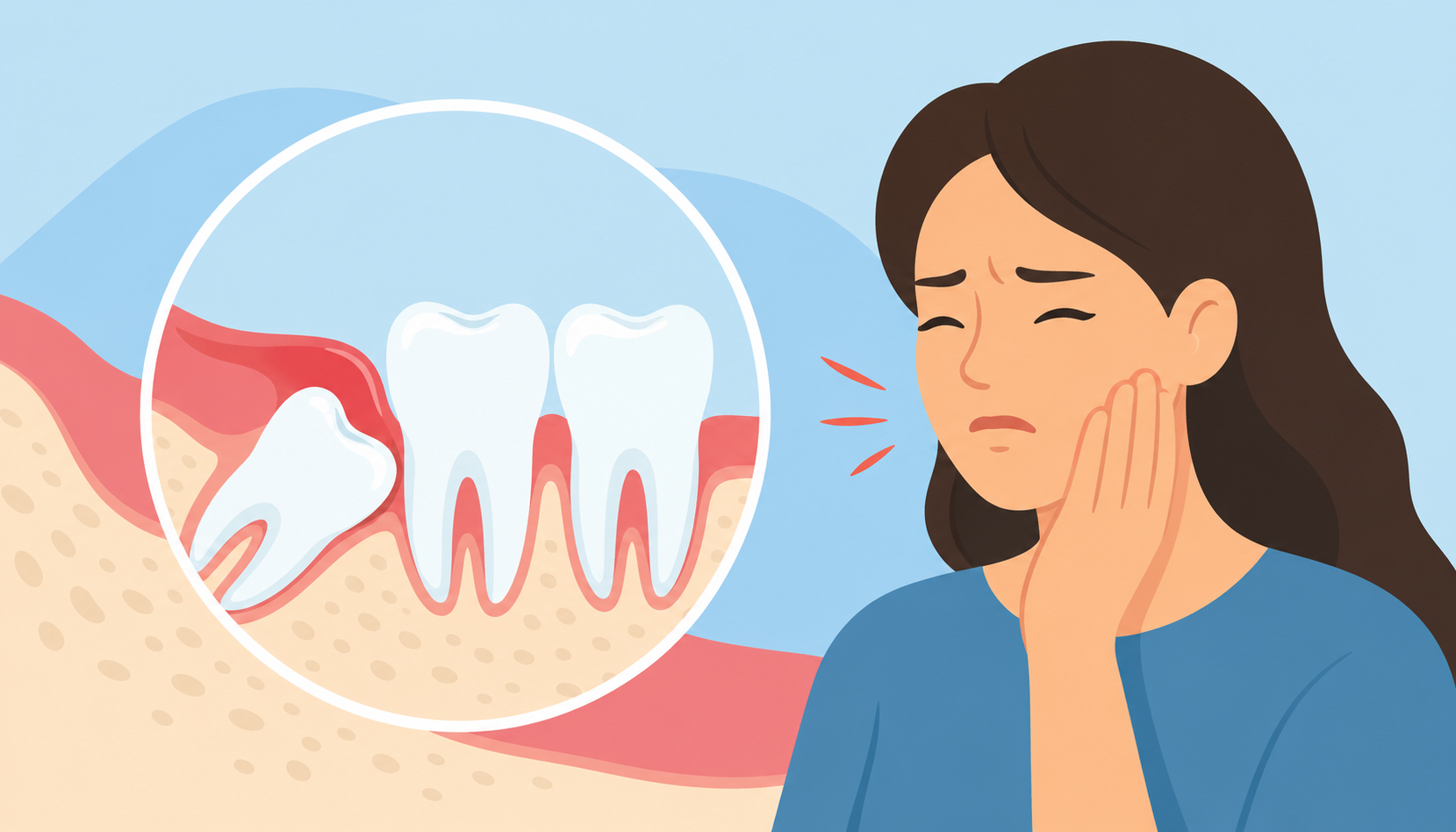
Wisdom teeth do not always cause problems. Some grow in normally and remain harmless for years. Others become painful, impacted, infected, or difficult to clean. That is when dentists often recommend removal.
For many people, wisdom tooth pain starts gradually. It may feel like pressure near the back of the jaw, irritation around the gums, or soreness while chewing. In other cases, symptoms appear suddenly because the tooth is trapped beneath the gums or pushing against nearby teeth.
Understanding when wisdom teeth need to be removed can help prevent infections, crowding, gum disease, and more serious oral health problems later on.
What Are Wisdom Teeth?
Wisdom teeth are the third molars located at the very back of the mouth. They are usually the last adult teeth to erupt and commonly appear between the ages of 17 and 26.
Most people develop four wisdom teeth, although some may naturally have fewer or none at all.
Years ago, wisdom teeth helped humans chew rough foods like roots and uncooked meat. Today, modern diets and smaller jaw structures mean many mouths no longer have enough space for these extra molars.
That lack of space is one of the biggest reasons wisdom teeth become problematic.
Why Wisdom Teeth Often Cause Problems
Wisdom teeth frequently become an issue because they do not have enough room to erupt properly.
When a wisdom tooth cannot fully emerge or develops at an abnormal angle, it becomes impacted. An impacted wisdom tooth may:
- Grow sideways toward another tooth
- Stay trapped under the gum tissue
- Remain partially stuck in the jawbone
- Erupt only halfway through the gums
- Push against nearby molars
These positions make cleaning difficult and increase the risk of irritation, infection, and tooth damage.
Partially erupted wisdom teeth are especially problematic because bacteria and food particles can collect beneath the gum flap surrounding the tooth.
Over time, this can lead to pain, swelling, bad breath, and repeated infections.
Common Signs You May Need Wisdom Teeth Removed
Not every wisdom tooth requires extraction. However, there are several warning signs dentists watch for when deciding whether removal is necessary.
Persistent Pain in the Back of the Mouth
One of the most common symptoms is aching or pressure near the back molars.
The discomfort may come and go at first before becoming more frequent or severe. Some people notice pain while chewing, brushing, or opening their mouth.
Pain is often a sign that the tooth is impacted, inflamed, or pressing against nearby structures.
Swollen, Tender, or Bleeding Gums
Gum inflammation around a wisdom tooth usually means the area is irritated or infected.
The gums may appear:
- Red
- Puffy
- Tender to touch
- Painful during brushing
- Prone to bleeding
This commonly happens when a wisdom tooth only partially erupts through the gums.
Jaw Pain and Stiffness
Wisdom tooth problems can sometimes create soreness throughout the jaw rather than only near the tooth itself.
Some people experience difficulty opening their mouth fully or discomfort while chewing. In certain cases, the pain may radiate toward the jaw joint, and symptoms linked to temporomandibular joint disorders and jaw discomfort can become more noticeable over time.
Bad Breath or an Unpleasant Taste
A partially erupted wisdom tooth creates a small pocket where bacteria, food particles, and plaque can collect.
This can lead to:
- Persistent bad breath
- A foul taste in the mouth
- Gum irritation
- Swelling around the tooth
Even good brushing habits may not fully clean these difficult-to-reach areas.
Repeated Gum Infections
Partially erupted wisdom teeth can trigger recurring infections called pericoronitis.
Symptoms may include:
- Swelling around the tooth
- Pain while swallowing
- Difficulty chewing
- Pus or drainage
- Fever in severe cases
If the infection keeps returning, extraction is often recommended to prevent ongoing problems.
Damage to Nearby Teeth
Wisdom teeth can push against neighboring molars and increase the risk of:
- Tooth decay
- Enamel damage
- Gum disease
- Crowding
- Bone loss around nearby teeth
This pressure can quietly damage healthy teeth even before obvious symptoms appear.
What Happens if Impacted Wisdom Teeth Are Left Untreated?
Some impacted wisdom teeth remain symptom-free for years. Others gradually create complications that worsen over time.
Potential problems include:
Tooth Decay
Wisdom teeth are difficult to clean because of their location in the mouth. Plaque buildup around these teeth often leads to cavities.
Gum Disease
Bacteria trapped around impacted wisdom teeth can contribute to gum inflammation and periodontal disease.
Cysts Around the Tooth
In some cases, fluid-filled cysts develop around impacted teeth. These cysts may damage nearby bone and teeth if left untreated.
Infection and Abscesses
Severe infections can spread into surrounding tissues and become more serious if not treated promptly.
Some oral infections may even develop into larger health concerns, which is why recognizing how oral infections can become dangerous is important.
Crowding and Tooth Movement
Although wisdom teeth do not always directly cause crooked teeth, pressure from impacted molars can contribute to crowding in some situations.
Do All Wisdom Teeth Need To Be Removed?
No. Wisdom teeth only need removal when they create current problems or have a strong risk of causing future complications.
Healthy wisdom teeth that are:
- Fully erupted
- Properly aligned
- Easy to clean
- Free from infection
- Not damaging nearby teeth
may simply be monitored during regular dental visits.
Dentists often use X-rays to track wisdom teeth over time and determine whether removal is necessary later.
How Dentists Decide Whether Removal Is Necessary
A dentist or oral surgeon evaluates several factors before recommending extraction.
They typically examine:
- Your symptoms
- Gum health
- Tooth positioning
- Signs of infection
- X-ray findings
- Risk to nearby teeth
- Whether the tooth is impacted
Not every impacted tooth requires surgery immediately, but early monitoring can prevent more difficult complications later on.
What Happens During Wisdom Teeth Removal?
Wisdom tooth extraction is a very common oral surgery procedure.
Depending on the complexity of the case, patients may receive:
- Local anesthesia
- Sedation
- General anesthesia
Some wisdom teeth are easy to remove because they have fully erupted. Others require small surgical incisions or sectioning the tooth into smaller pieces before removal.
The procedure itself often takes less than an hour.
Most patients return home the same day.
What To Expect After Wisdom Tooth Removal
Recovery varies depending on the complexity of the extraction and the patient’s overall health.
Common temporary symptoms include:
- Swelling
- Jaw soreness
- Mild bleeding
- Tender gums
- Difficulty chewing
- Temporary stiffness
Most discomfort improves significantly within a few days.
Following proper wisdom teeth recovery and aftercare instructions can help reduce swelling, protect the healing area, and lower the risk of complications like dry socket.
How To Reduce Wisdom Tooth Pain Before Treatment
If your wisdom teeth are causing discomfort before removal, several simple strategies may help temporarily manage symptoms.
Rinse With Warm Salt Water
Salt water can help reduce bacteria and soothe irritated gums.
Avoid Hard or Crunchy Foods
Hard foods may worsen pressure around inflamed wisdom teeth.
Maintain Gentle Oral Hygiene
Even painful areas should be kept clean to prevent infection.
Use Cold Compresses
Applying a cold pack to the jaw may help reduce swelling and discomfort.
These methods may ease symptoms temporarily, but they do not fix the underlying problem if the tooth is impacted or infected.
When To See a Dentist Immediately
Schedule a dental evaluation if you experience:
- Persistent pain behind the molars
- Swollen gums
- Difficulty opening your mouth
- Jaw swelling
- Fever
- Bad breath that does not improve
- Repeated infections
- Severe pressure in the jaw
Early treatment often prevents more serious oral health complications later.
Can Wisdom Teeth Erupt Later in Life?
Yes. While wisdom teeth commonly appear in the late teens or early twenties, some adults experience eruption much later.
Many people are surprised to discover they can still develop late wisdom tooth eruption in their 30s even after years without symptoms.
Delayed eruption can still cause pain, crowding, and gum problems.
Final Thoughts
Wisdom teeth do not automatically need removal. However, impacted, painful, infected, or poorly positioned wisdom teeth can create serious oral health problems if ignored.
The earlier these issues are identified, the easier treatment often becomes.
If you are noticing pain, swelling, jaw stiffness, or repeated irritation near the back of your mouth, scheduling a dental exam can help determine whether your wisdom teeth are healthy or headed toward bigger problems.
FAQ: Wisdom Teeth Removal
Can wisdom teeth cause pain even if they are not visible?
Yes. Wisdom teeth can remain trapped beneath the gums or jawbone while still creating pressure, swelling, and discomfort.
At what age do wisdom teeth usually come in?
Most wisdom teeth erupt between ages 17 and 26, although some appear later in adulthood.
Do all impacted wisdom teeth need removal?
Not always. Some impacted wisdom teeth remain stable and symptom-free for years. Dentists evaluate each case individually.
How long does wisdom tooth recovery take?
Most people feel noticeably better within several days, although complete healing can take a few weeks.
Can wisdom teeth cause ear or jaw pain?
Yes. Wisdom tooth pressure and inflammation can sometimes radiate toward the jaw, ear, or surrounding muscles.

Comparing In-Office vs. Hospital Wisdom Tooth Extraction Costs
January 28, 2026

Best Oral Surgeon for Wisdom Teeth in Hollywood, FL
April 6, 2026

Why Summer Is Perfect for Wisdom Tooth Removal
May 25, 2026
Wisdom Teeth: Autoimmune Risks & Recovery
January 26, 2026

Can You Exercise After Oral Surgery? Timing Matters
March 11, 2026