Wisdom Tooth Removal Cost Guide: 2026 Price Breakdown

Wisdom tooth removal is one of the most common oral surgery procedures in the United States, yet one of the biggest concerns patients have is cost. Whether you’re planning ahead or dealing with sudden pain from an impacted tooth, understanding the real price of removal in 2026 helps you avoid surprises and make confident decisions.
The cost of wisdom tooth extraction varies widely depending on factors like insurance coverage, surgical complexity, anesthesia type, and geographic location. Many patients also don’t realize that oral surgery pricing is structured differently than standard dental procedures, which can add confusion when reviewing estimates.
If you’ve ever wondered why one person pays a few hundred dollars while another pays several thousand, this guide will walk you through exactly how pricing works, what insurance typically covers, and how to plan financially for the procedure.
Average Wisdom Tooth Removal Cost in 2026
Without Insurance
The national average cost per wisdom tooth ranges from:
- Simple extraction: $250 – $600
- Surgical extraction (impacted): $800 – $1,800
- Complex bone-impacted extraction: $1,500 – $3,000
If all four wisdom teeth need removal, total costs without insurance can range from:
- $1,000 – $6,000 total depending on complexity
Fully impacted teeth requiring surgical removal in an operating room with general anesthesia will sit at the higher end of the range.
With Insurance
Most dental insurance plans cover wisdom tooth removal when it is considered medically necessary. Typical coverage looks like:
- 50% – 80% coverage for surgical extraction
- Annual maximums usually between $1,000 – $2,500
- Deductibles between $50 – $200
Even with insurance, patients often pay:
- $200 – $1,500 out-of-pocket depending on plan limits
Understanding how oral surgery is classified under your plan matters. Some procedures fall under major dental benefits, while others may cross into medical coverage territory. Many patients researching insurance coverage scenarios compare procedures like jaw correction or implant placement when reviewing policy details.
Key Factors That Affect Wisdom Tooth Removal Cost
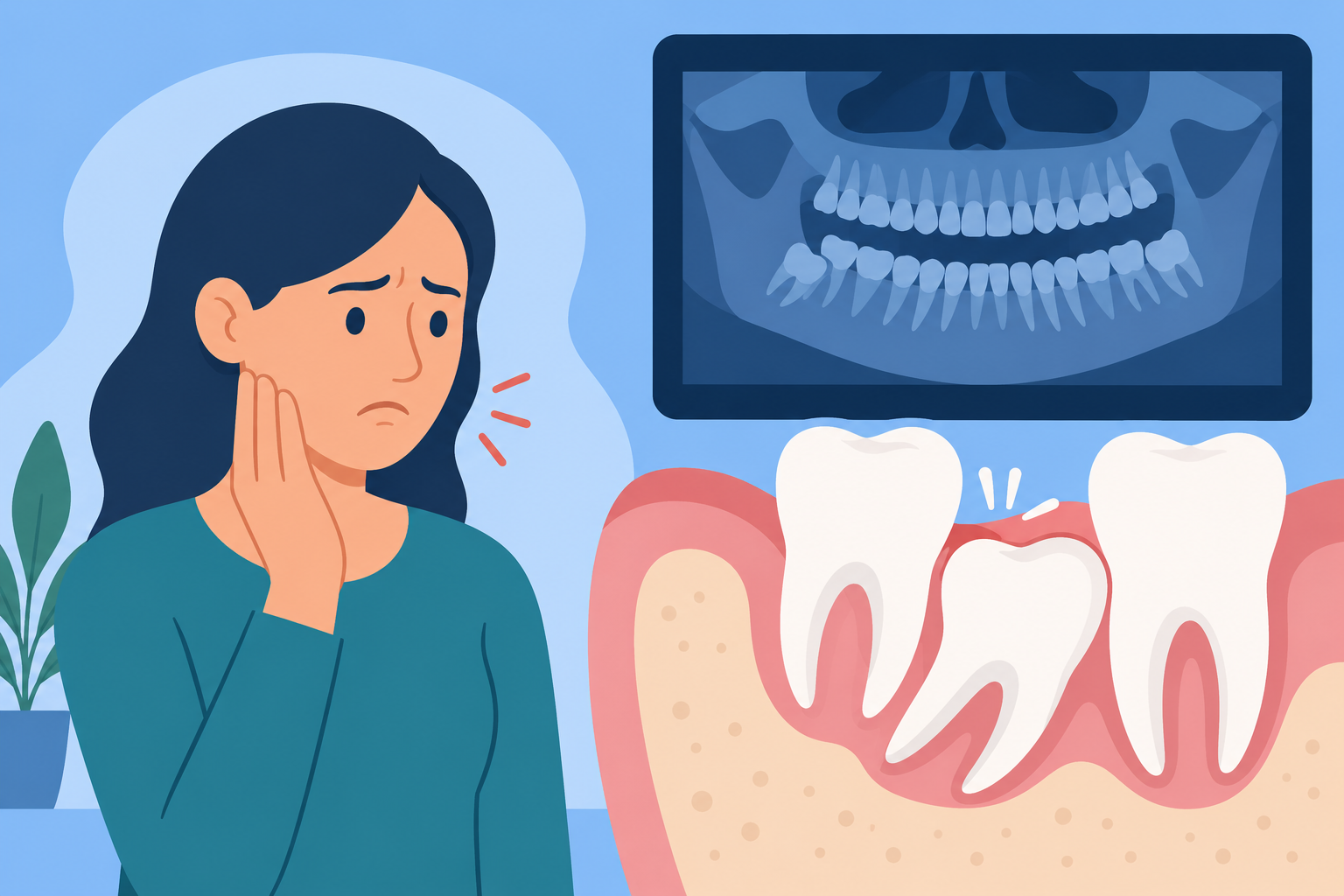
Tooth Position and Impaction Level
The deeper the tooth is embedded in bone or gum tissue, the more surgical time and skill required.
Types include:
- Fully erupted tooth — lowest cost
- Partially impacted — moderate cost
- Fully bone impacted — highest cost
Impacted teeth often require surgical flaps, bone removal, and suturing, which increases overall procedure pricing.
Type of Anesthesia Used
Anesthesia significantly affects cost.
Local anesthesia
- Lowest cost
- Used for simple extractions
IV sedation
- Moderate cost
- Common for multiple extractions
General anesthesia
- Highest cost
- Often used for complex or hospital-based procedures
Sedation fees alone can add $300 – $1,200 depending on duration and medication type.
Oral Surgeon Experience and Facility Type
Board-certified oral surgeons with hospital privileges may charge more, but they often handle complex cases with higher success rates and lower complication risks.
Facility choice also matters:
- Private oral surgery office = lower cost
- Surgical center = moderate cost
- Hospital setting = highest cost
Geographic Location
Urban areas and high-cost-of-living states generally have higher procedure pricing. For example:
- Rural Midwest: Lower cost ranges
- Major metro areas: Higher cost ranges
Florida pricing typically falls near the national average but can vary by city and provider.
Additional Costs Patients Often Miss
Consultation and Imaging
Pre-surgical diagnostics may include:
- Panoramic X-rays
- 3D CBCT scans
These typically cost $100 – $500 depending on imaging type.
Medications and Post-Op Care
Post-surgical prescriptions can include:
- Antibiotics
- Pain management medication
- Antibacterial rinses
These typically add $30 – $150 total.
Complication Treatment
Although uncommon, complications can increase cost:
- Dry socket treatment
- Infection management
- Follow-up surgical cleaning
Understanding how oral surgery procedures are billed under insurance is important, especially since coverage structures often mirror other advanced procedures like implant placement, similar to discussions around dental implants.
Does Dental Insurance Usually Cover Wisdom Tooth Removal?
Most dental insurance covers extraction when:
- The tooth is impacted
- There is infection or risk of infection
- There is crowding or orthodontic risk
- There is cyst or bone damage risk
However, coverage depends heavily on plan type.
Many patients researching procedure costs compare oral surgery coverage categories to better understand reimbursement levels.
Medical Insurance vs Dental Insurance
Sometimes medical insurance may apply if:
- Wisdom teeth cause severe infection
- Surgery requires hospitalization
- The procedure is tied to trauma or medical condition
Your oral surgeon’s billing team can usually help determine if medical billing is possible.
How to Lower Wisdom Tooth Removal Costs
Use In-Network Providers
In-network oral surgeons have negotiated rates with insurance companies, reducing out-of-pocket costs.
Schedule Before Insurance Maximum Resets
If you’ve already used part of your annual maximum, consider timing surgery early in the new benefit year.
Ask About Payment Plans
Many oral surgery offices offer:
- 0% interest financing
- Monthly payment plans
- Third-party healthcare financing
Remove All Four Wisdom Teeth at Once
When clinically safe, removing all teeth in one surgery can reduce:
- Facility fees
- Anesthesia costs
- Recovery downtime
Is Wisdom Tooth Removal Worth the Cost?
For most patients, yes — especially if teeth are impacted or causing symptoms.
Potential long-term risks of avoiding removal include:
- Chronic infection
- Damage to adjacent teeth
- Jaw cyst formation
- Severe pain episodes
Preventive removal often costs less than emergency surgical treatment later.
Signs You Should Consider Removal Soon
Watch for symptoms like:
- Jaw stiffness or pain
- Gum swelling behind molars
- Bad taste or odor from back teeth
- Repeated infection in the same area
Early removal is usually simpler and less expensive than waiting until complications develop.
What to Expect Financially at Your Consultation
During your consultation, you’ll usually receive:
- Imaging review
- Surgical complexity classification
- Insurance benefit breakdown
- Estimated out-of-pocket cost
Recovery Costs and Time Considerations
Most patients return to normal routine within:
- 3–5 days for simple extraction
- 5–10 days for surgical extraction
Planning time off work and soft food purchases should be factored into overall cost planning.
Cost Outlook: Are Prices Increasing?
Yes — modestly.
Drivers of cost increases include:
- Rising anesthesia medication costs
- Increased surgical supply pricing
- Higher facility operating expenses
- Advanced imaging technology adoption
Most experts expect 3% – 6% annual increases in oral surgery costs through 2027.
Final Thoughts
Wisdom tooth removal costs vary widely, but most patients can expect total costs between a few hundred to several thousand dollars depending on complexity and insurance coverage.
The key to avoiding financial surprises is early consultation, understanding your insurance benefits, and planning procedure timing strategically. Modern oral surgery techniques continue to improve recovery comfort and surgical precision, making removal safer and more predictable than ever before.
If you’re experiencing symptoms or planning preventive removal, getting a personalized surgical evaluation is the best next step.

Tips for Managing Pain Without Overusing Medication
March 10, 2026

10 Common Myths About Wisdom Tooth Removal
November 12, 2025

Can Diabetics Safely Undergo Oral Surgery?
January 6, 2026

How to Choose a Wisdom Tooth Clinic
June 19, 2026
Can Wisdom Teeth Grow in Your 30s? Here’s Why
May 14, 2026