When Oral Infections Become Serious Health Risks
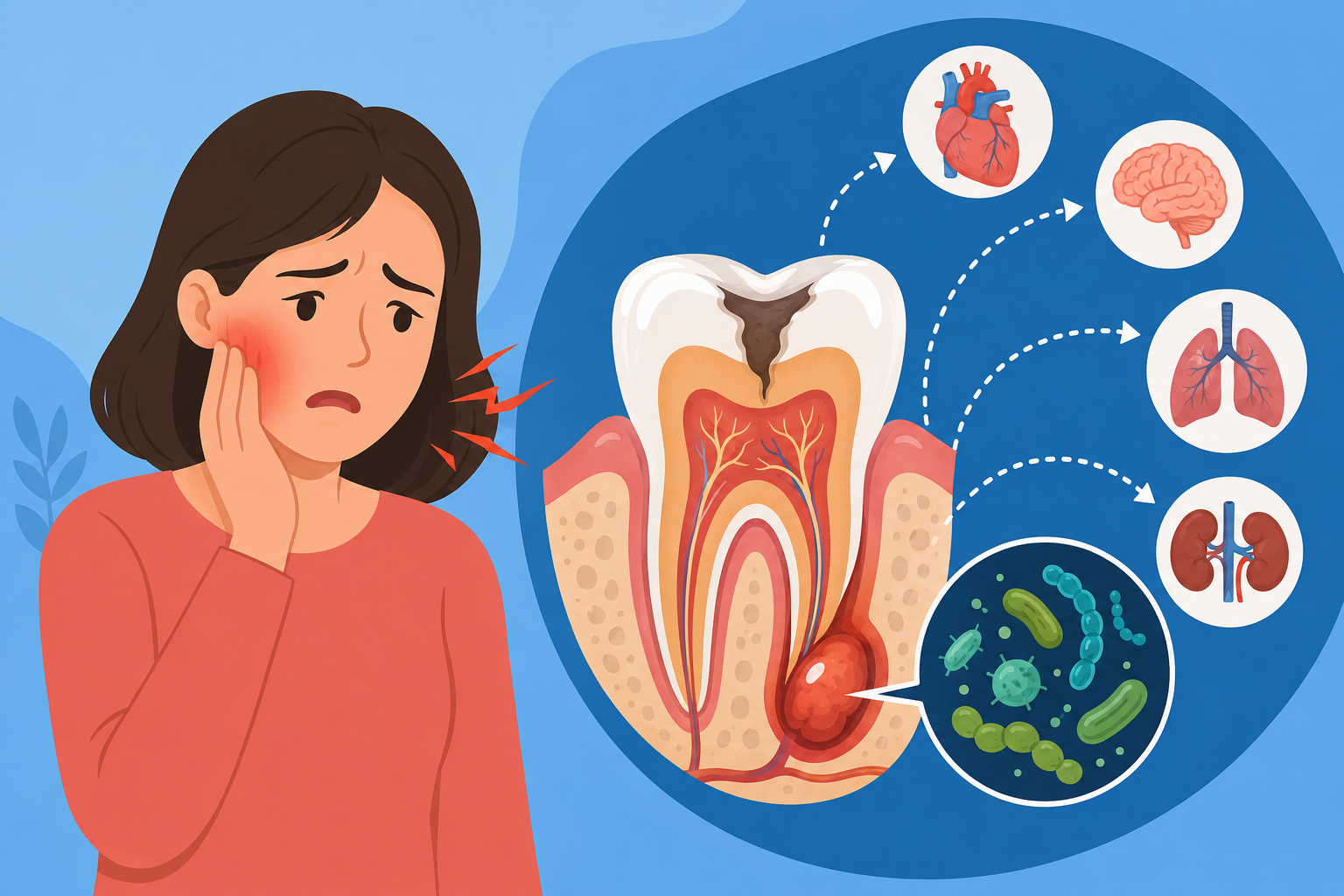
Oral infections are more than just a painful inconvenience. What starts as a toothache, swollen gums, or a small abscess can quickly develop into a serious health issue when left untreated. In some cases, oral infections spread beyond the mouth and affect the jaw, bloodstream, heart, or even the brain.
Many people delay treatment because they assume the pain will eventually go away. Unfortunately, infections rarely resolve on their own. They usually worsen over time, leading to more complicated procedures, higher treatment costs, and greater health risks.
Understanding the warning signs and knowing when to seek professional care can protect both your oral health and your overall well-being.
What Causes Oral Infections?
Oral infections happen when bacteria build up and invade the teeth, gums, or surrounding tissues. The mouth naturally contains bacteria, but problems begin when harmful bacteria multiply unchecked.
Several conditions can trigger oral infections, including:
- Untreated cavities
- Gum disease
- Cracked or damaged teeth
- Poor oral hygiene
- Impacted wisdom teeth
- Dental trauma
- Failed dental work
- Smoking or tobacco use
- Weakened immune systems
Even minor dental issues can become dangerous when bacteria reach deeper tissues beneath the gums or inside the tooth roots.
People who already struggle with gum inflammation may notice symptoms similar to those discussed in this guide about signs of advanced gum disease and deep cleaning needs, especially when bacteria begin spreading below the gumline.
Common Types of Oral Infections
Not all oral infections look the same. Some develop slowly, while others become painful almost overnight.
Tooth Abscesses
A tooth abscess is one of the most common and serious dental infections. It occurs when bacteria enter the inner pulp of the tooth, creating a pocket of pus.
Symptoms often include:
- Severe throbbing pain
- Swelling around the gums or face
- Sensitivity to hot or cold foods
- Fever
- Bad taste in the mouth
- Difficulty chewing
Without treatment, the infection may spread into the jawbone or nearby tissues.
Gum Infections
Gum infections usually begin as gingivitis but can progress into periodontitis if ignored.
Advanced gum infections may cause:
- Bleeding gums
- Gum recession
- Persistent bad breath
- Loose teeth
- Swollen or tender gums
As bacteria travel deeper into the tissues, the infection becomes more difficult to manage.
Wisdom Tooth Infections
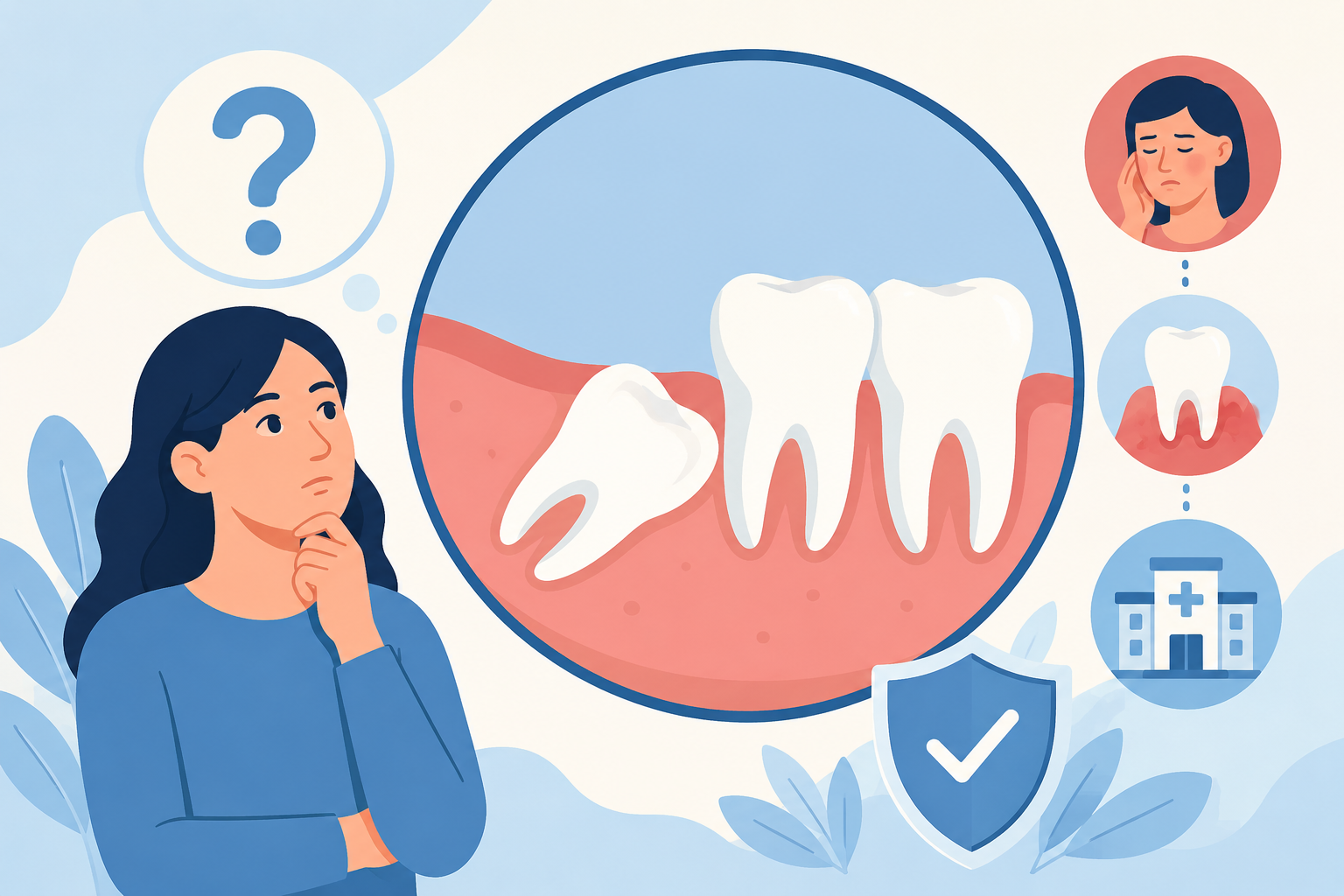
Partially erupted wisdom teeth can trap food, bacteria, and debris beneath the gums. This creates an ideal environment for infection.
Many patients experiencing repeated swelling or pain around the back molars eventually learn that impacted wisdom teeth are the source of the problem. Understanding how wisdom teeth develop and how many people usually have can help patients recognize early warning signs before complications worsen.
Bone Infections
When oral infections spread untreated, bacteria can eventually affect the jawbone itself. This condition, known as osteomyelitis, is much more serious and often requires aggressive treatment.
Bone infections may lead to:
- Severe swelling
- Fever
- Jaw pain
- Difficulty opening the mouth
- Permanent tissue damage
How Oral Infections Spread Through the Body
One of the biggest misconceptions about dental infections is that they stay confined to the mouth. In reality, bacteria can travel through tissues and enter the bloodstream.
Once this happens, complications can become life-threatening.
Infection Spread Into Facial Spaces
The face and jaw contain interconnected tissue spaces that allow infections to travel quickly.
An untreated abscess can spread into:
- The cheeks
- Jaw muscles
- Sinuses
- Neck tissues
- Airway structures
This type of swelling may interfere with breathing or swallowing, requiring emergency medical care.
Bloodstream Infections
In severe cases, oral bacteria enter the bloodstream and trigger sepsis. Sepsis is a dangerous immune response that can damage organs and become fatal if not treated immediately.
Symptoms of systemic infection may include:
- High fever
- Rapid heart rate
- Chills
- Confusion
- Extreme fatigue
Although rare, this situation highlights why oral infections should never be ignored.
Heart Health Complications
Research continues to show a strong connection between oral health and cardiovascular health. Harmful bacteria from infected gums may contribute to inflammation throughout the body.
Many healthcare providers now recognize the relationship between gum disease and cardiovascular conditions, which is why maintaining healthy gums plays an important role in overall wellness.
Warning Signs You Should Never Ignore
Some oral infections develop quietly, while others escalate quickly. Knowing the symptoms can help you seek treatment before complications become severe.
Persistent Tooth Pain
Pain that lingers for several days is often a sign that bacteria have reached deeper tissues.
Pain may worsen when:
- Eating
- Drinking hot or cold beverages
- Lying down
- Chewing
Ignoring ongoing discomfort usually allows the infection to spread further.
Facial Swelling
Swelling in the cheeks, jaw, or gums is a major warning sign. Facial swelling often indicates an active infection that requires immediate evaluation.
Rapidly increasing swelling should never be ignored.
Fever and Fatigue
A fever alongside dental pain may mean the infection is affecting the body beyond the mouth.
Patients sometimes mistake this for a common illness when the true cause is dental-related.
Difficulty Swallowing or Breathing
This is considered a medical emergency.
Infections affecting the lower jaw or throat areas can restrict the airway and become dangerous very quickly.
Seek emergency care immediately if these symptoms appear.
Why Delaying Treatment Makes Things Worse
Many people postpone dental care because the pain temporarily fades. Unfortunately, reduced pain does not mean the infection disappeared.
In many cases, the nerve inside the tooth dies, which may actually decrease discomfort while the infection continues spreading beneath the surface.
Increased Treatment Complexity
Small infections may only require minor treatment if caught early.
Delaying care can eventually lead to:
- Tooth extraction
- Bone grafting
- Surgical drainage
- Hospitalization
- IV antibiotics
Early treatment is almost always simpler and less invasive.
Higher Costs Over Time
Treating a mild infection early is usually much less expensive than emergency surgery or hospital treatment later.
Preventive care protects both your health and your finances.
Risk of Tooth Loss
Untreated infections can destroy the structures supporting the teeth.
In severe cases, saving the tooth is no longer possible.
How Oral Surgeons Treat Serious Infections
Treatment depends on the severity and location of the infection.
Oral and maxillofacial surgeons specialize in diagnosing and managing complex infections involving the teeth, jaw, and facial structures.
Drainage Procedures
Abscesses often require surgical drainage to remove pus and relieve pressure.
This helps eliminate bacteria while reducing swelling and pain.
Tooth Extractions
When a tooth cannot be saved, extraction may be the safest option to prevent further spread of infection.
Wisdom teeth are frequently removed when repeated infections occur around impacted areas.
Antibiotic Therapy
Antibiotics help control bacterial spread, especially when infections extend into surrounding tissues.
However, antibiotics alone are not enough if the source of infection remains untreated.
Sedation Options for Nervous Patients
Dental anxiety often prevents people from seeking treatment early. Fortunately, modern oral surgery offers several sedation options that help patients remain comfortable throughout the procedure.
Patients who feel anxious about treatment often ask whether they will be asleep during surgery. This detailed guide on sedation and being put to sleep for oral surgery explains the different options available for a more comfortable experience.
How to Prevent Dangerous Oral Infections
Good preventive care significantly lowers the risk of severe infections.
Maintain Consistent Oral Hygiene
Daily brushing and flossing help control harmful bacteria before they spread beneath the gums.
Consistency matters more than occasional deep cleaning.
Attend Regular Dental Visits
Routine exams help detect problems before infections develop.
Small cavities and gum inflammation are much easier to treat early.
Address Dental Pain Quickly
Never ignore persistent tooth pain, swelling, or bleeding gums.
Early evaluation can prevent emergency situations later.
Stop Smoking
Smoking weakens the immune system and slows healing inside the mouth, increasing the risk of infection and gum disease.
Monitor Wisdom Teeth
Impacted wisdom teeth often create hidden infection risks.
Regular monitoring allows surgeons to identify problems before they escalate.
When to See an Oral Surgeon Immediately
Some symptoms require urgent evaluation.
You should seek immediate care if you experience:
- Severe facial swelling
- Fever with dental pain
- Difficulty swallowing
- Trouble breathing
- Pus drainage
- Persistent bleeding
- Sudden jaw pain after swelling develops
Prompt treatment can prevent infections from becoming dangerous.
Book an Appointment
If you are experiencing swelling, persistent tooth pain, or signs of infection, early treatment is critical. Delaying care can allow the infection to spread and become more serious over time.
Book an Appointment
Final Thoughts
Oral infections are not something to “wait out.” While some symptoms may seem minor at first, untreated infections can spread quickly and affect far more than your teeth and gums.
The good news is that early diagnosis and treatment are highly effective. Paying attention to warning signs, maintaining regular dental care, and seeking professional evaluation when problems arise can protect both your oral health and your overall health.
When treated early, most oral infections can be managed before they become dangerous complications.
Frequently Asked Questions
Can an oral infection go away on its own?
Most oral infections do not heal without treatment. While pain may temporarily decrease, the infection itself often continues spreading beneath the surface.
How do I know if a tooth infection is serious?
Severe pain, facial swelling, fever, pus drainage, or difficulty swallowing may indicate a serious infection that requires immediate care.
Can a tooth infection affect the heart?
Research suggests that oral bacteria and gum disease may contribute to inflammation linked to heart disease and other cardiovascular problems.
Is facial swelling from a tooth infection dangerous?
Yes. Facial swelling can indicate spreading infection, especially if it worsens quickly or affects breathing and swallowing.
What happens if an abscess is left untreated?
Untreated abscesses can spread into nearby tissues, the jawbone, bloodstream, or other areas of the body, leading to severe complications.
Are antibiotics enough to treat oral infections?
Antibiotics may help reduce infection, but the source often still requires dental treatment such as drainage, root canal therapy, or extraction.
Keeping Wisdom Teeth: Long-Term Effects on Your Oral Health
February 5, 2026
10 Common Myths About Wisdom Tooth Removal
November 12, 2025

Best Drinks to Have After Wisdom Tooth Extraction
March 6, 2026
Laser Oral Surgery: Is It Right for You?
December 29, 2025
How Rare Are Serious Wisdom Tooth Complications?
June 12, 2026