Why Do We Have Wisdom Teeth? The Real Reason Behind Them
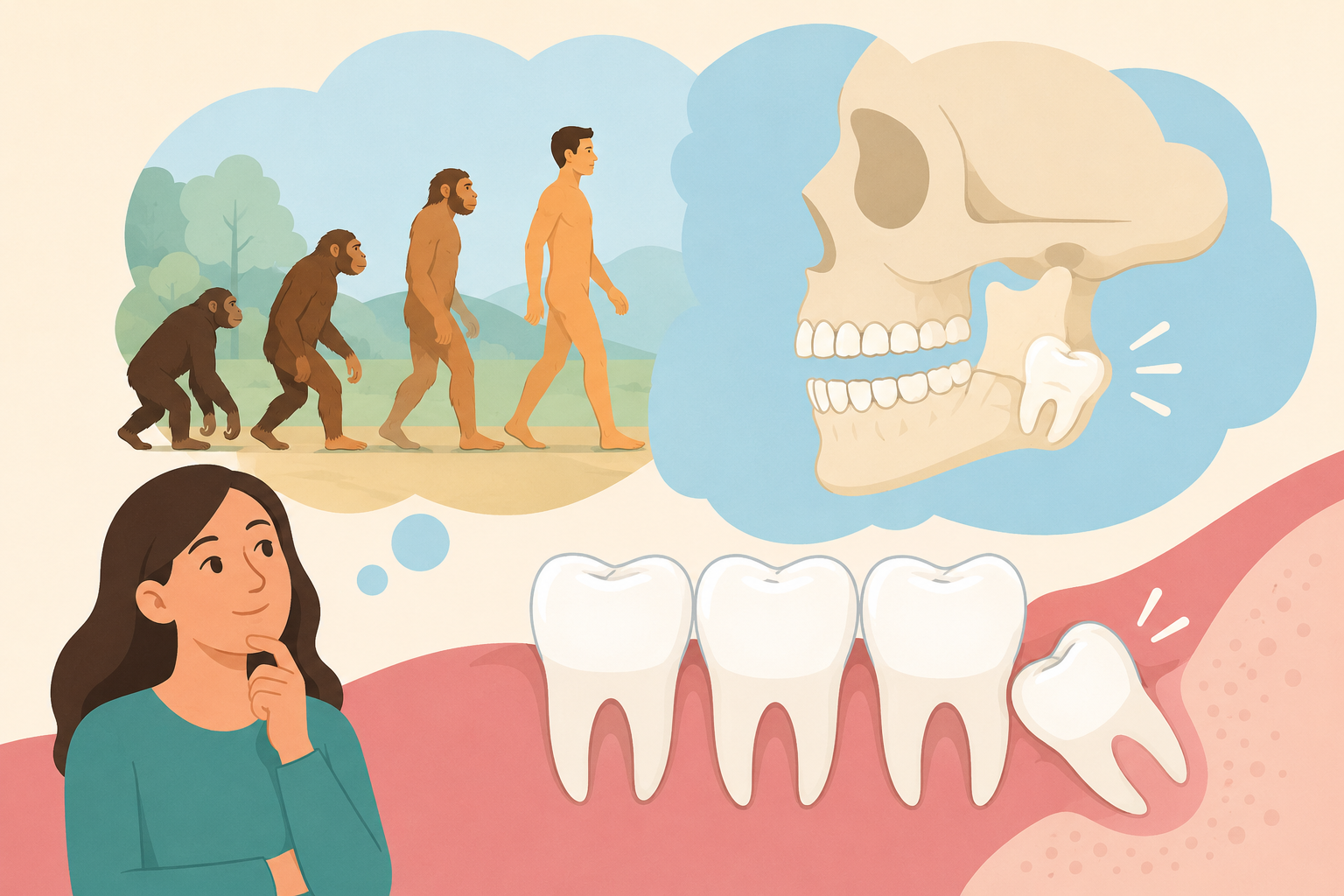
Wisdom teeth are often associated with pain, swelling, and dental surgery, but have you ever wondered why we have them in the first place?
For many people, wisdom teeth seem more like a nuisance than a useful part of the mouth. They often emerge during the late teens or early twenties, sometimes causing discomfort, crowding, infections, or the need for extraction. Yet these teeth once served an important purpose for our ancestors.
Understanding why wisdom teeth exist can help you make informed decisions about your oral health and recognize when these third molars may require professional attention. In this guide, we’ll explore the history, function, and common problems associated with wisdom teeth, along with when removal may be necessary.
What Are Wisdom Teeth?
Wisdom teeth are the third set of molars located at the very back of your mouth. Most people develop four wisdom teeth—one in each corner of the upper and lower jaws.
These teeth are typically the last permanent teeth to emerge, usually between the ages of 17 and 25. Because they appear later in life, they became known as “wisdom teeth,” as they arrive during a person’s more mature years.
Not everyone develops wisdom teeth. Some people have fewer than four, while others never develop them at all.
Why Do Humans Have Wisdom Teeth?
The answer lies in human evolution.
Thousands of years ago, early humans had diets that were much tougher than what we eat today. Their meals often consisted of raw plants, roots, nuts, and uncooked meat that required significant chewing power.
Extra Teeth for Tough Diets
Our ancestors relied heavily on their molars to grind down hard and fibrous foods. Wisdom teeth provided additional chewing surfaces that made it easier to process these foods.
At the time, larger jaws comfortably accommodated these extra molars. Since dental care did not exist, people frequently lost teeth due to wear, injury, or disease. Wisdom teeth acted as replacement teeth, helping maintain chewing function later in life.
Evolution Changed Our Needs
As humans evolved, several things changed:
- Diets became softer due to cooking and food preparation.
- Jaw sizes gradually became smaller.
- Dental hygiene improved significantly.
- Tooth loss became less common.
Although our jaws shrank over generations, wisdom teeth continued to develop because evolutionary changes occur slowly. As a result, many modern mouths simply do not have enough space for these extra molars.
Are Wisdom Teeth Still Useful Today?
In some cases, yes.
If wisdom teeth emerge properly, align with surrounding teeth, and remain healthy, they can function just like any other molar. They may help with chewing and can remain in place for life without causing issues.
However, this is not always the case.
For many individuals, wisdom teeth become trapped beneath the gums or grow at awkward angles. This can create complications that affect overall oral health.
Why Do Wisdom Teeth Cause Problems?
Modern jaws are often too small to accommodate an additional set of molars.
When there isn’t enough room, wisdom teeth may become impacted or partially erupt through the gums. This creates an environment where bacteria can thrive and oral health problems can develop.
Impacted Wisdom Teeth
An impacted wisdom tooth is unable to fully emerge because it is blocked by bone, gum tissue, or neighboring teeth.
Common symptoms include:
- Jaw pain
- Swollen gums
- Difficulty opening the mouth
- Bad breath
- Headaches
- Tenderness around the back molars
Crowding of Nearby Teeth
Wisdom teeth may place pressure on adjacent teeth as they erupt.
Although the extent of crowding varies from person to person, dentists often monitor wisdom teeth closely, especially after orthodontic treatment.
Increased Risk of Infection
Partially erupted wisdom teeth create small pockets where food particles and bacteria can become trapped.
This can lead to infections, inflammation, gum disease, and persistent bad breath. Maintaining proper oral hygiene is essential, and following these tips for lasting fresh breath can help reduce bacterial buildup in difficult-to-clean areas of the mouth.
Signs Your Wisdom Teeth May Be Coming In
Wisdom teeth do not always cause symptoms, but many people experience warning signs as they begin to emerge.
Common indicators include:
- Pain at the back of the mouth
- Swollen or tender gums
- Jaw stiffness
- Difficulty chewing
- Headaches
- Ear discomfort
- Redness around the gum line
If you notice these symptoms, scheduling an evaluation with a dental professional can help determine whether wisdom teeth are the cause.
How Dentists Monitor Wisdom Teeth
Regular dental exams play an important role in identifying potential wisdom tooth issues before they become serious.
Using digital X-rays, dentists and oral surgeons can evaluate:
- Tooth position
- Available jaw space
- Signs of impaction
- Risk of infection
- Damage to neighboring teeth
Routine dental visits are especially important because many wisdom tooth problems develop without obvious symptoms. In fact, many oral health issues become more severe when people avoid routine dental care for extended periods.
Do All Wisdom Teeth Need to Be Removed?
No.
Wisdom tooth removal is not automatically necessary for everyone.
Many dental professionals recommend extraction only when wisdom teeth are:
- Impacted
- Causing pain
- Contributing to infection
- Damaging nearby teeth
- Increasing the risk of future complications
If wisdom teeth are healthy, fully erupted, and easy to clean, they may not require removal.
Each case is unique, which is why professional evaluation is essential.
What Happens During Wisdom Tooth Removal?
Wisdom tooth extraction is one of the most common oral surgery procedures.
The process typically includes:
Initial Evaluation
Your oral surgeon will examine your teeth and review X-rays to determine the best treatment approach.
Anesthesia or Sedation
Depending on the complexity of the procedure, local anesthesia, sedation, or general anesthesia may be used.
Tooth Removal
The surgeon removes the tooth and carefully cleans the area before placing stitches if necessary.
Recovery
Most patients recover within a few days, although complete healing can take several weeks.
Following post-operative instructions is important for minimizing discomfort and preventing complications.
Can Wisdom Teeth Cause Other Dental Problems?
Yes.
Wisdom teeth can contribute to several oral health concerns if left untreated.
Tooth Decay
Wisdom teeth are difficult to reach with a toothbrush and floss. This makes them more susceptible to cavities.
Proper hygiene practices, including strategies for natural cavity prevention, can help reduce the risk of decay.
Gum Disease
Partially erupted wisdom teeth create spaces where bacteria accumulate, increasing the likelihood of gum inflammation and periodontal disease.
Pain While Chewing
Pressure from impacted wisdom teeth can sometimes cause discomfort when biting down. If you’re experiencing this symptom, understanding painful biting tooth situations can help you recognize when professional evaluation is needed.
How Do You Know If You Need Wisdom Tooth Removal?
Several factors influence whether extraction is recommended.
You may benefit from wisdom tooth removal if you experience:
- Recurring pain
- Swelling or infection
- Cysts around the tooth
- Damage to neighboring teeth
- Repeated gum irritation
- Difficulty cleaning the area
An oral surgeon can assess your specific situation and recommend the most appropriate treatment.
What Happens If Wisdom Teeth Are Left Untreated?
Ignoring problematic wisdom teeth can lead to complications over time.
Potential consequences include:
- Chronic infections
- Tooth decay
- Gum disease
- Bone loss
- Tooth crowding
- Jaw discomfort
- Damage to adjacent teeth
Not every wisdom tooth requires extraction, but delaying evaluation can make treatment more complicated if problems develop later.
The Future of Wisdom Teeth
Interestingly, some scientists believe wisdom teeth may eventually disappear altogether.
Research suggests that more people are being born without one or more wisdom teeth due to ongoing evolutionary changes.
As human diets continue to evolve and jaw sizes remain smaller, wisdom teeth may become increasingly unnecessary.
For now, however, they remain a common part of human anatomy and a frequent reason for dental visits worldwide.
Conclusion
Wisdom teeth once played an important role in helping our ancestors chew tough foods and replace worn teeth. While they can still function normally in some individuals, modern jaw structures often leave little room for these extra molars.
As a result, wisdom teeth frequently become impacted, infected, or problematic. Regular dental examinations and early monitoring can help identify potential concerns before they lead to more serious complications.
If you’re experiencing wisdom tooth pain, swelling, or discomfort, scheduling a professional evaluation is the best way to determine whether treatment is necessary. You can easily schedule oral consultation to receive personalized recommendations and protect your long-term oral health.
Frequently Asked Questions
Why are wisdom teeth called wisdom teeth?
They are called wisdom teeth because they typically emerge between the ages of 17 and 25, a period traditionally associated with maturity and wisdom.
Do wisdom teeth serve a purpose today?
They can. If they erupt properly and remain healthy, wisdom teeth can function like normal molars and assist with chewing.
Why do some people not have wisdom teeth?
Genetics play a major role. Some individuals are born without one or more wisdom teeth due to evolutionary changes.
At what age do wisdom teeth usually come in?
Most wisdom teeth emerge between ages 17 and 25, although some appear earlier or later.
Is wisdom tooth removal painful?
Modern anesthesia and sedation techniques make the procedure comfortable. Mild discomfort during recovery is normal and typically manageable with prescribed care instructions.
Can wisdom teeth cause headaches?
Yes. Impacted or infected wisdom teeth can create pressure in the jaw that may contribute to headaches and facial discomfort.
How do I know if my wisdom teeth are impacted?
Dental X-rays are the most reliable way to determine whether wisdom teeth are impacted. An oral surgeon can evaluate their position and recommend treatment if necessary.
How Rare Are Serious Wisdom Tooth Complications?
June 12, 2026
What Really Happens If You Don’t Remove Problem Wisdom Teeth
January 16, 2026
How to Choose a Trusted Wisdom Tooth Removal Clinic
April 20, 2026
When to See an Oral Surgeon in Coral Gables
March 18, 2026
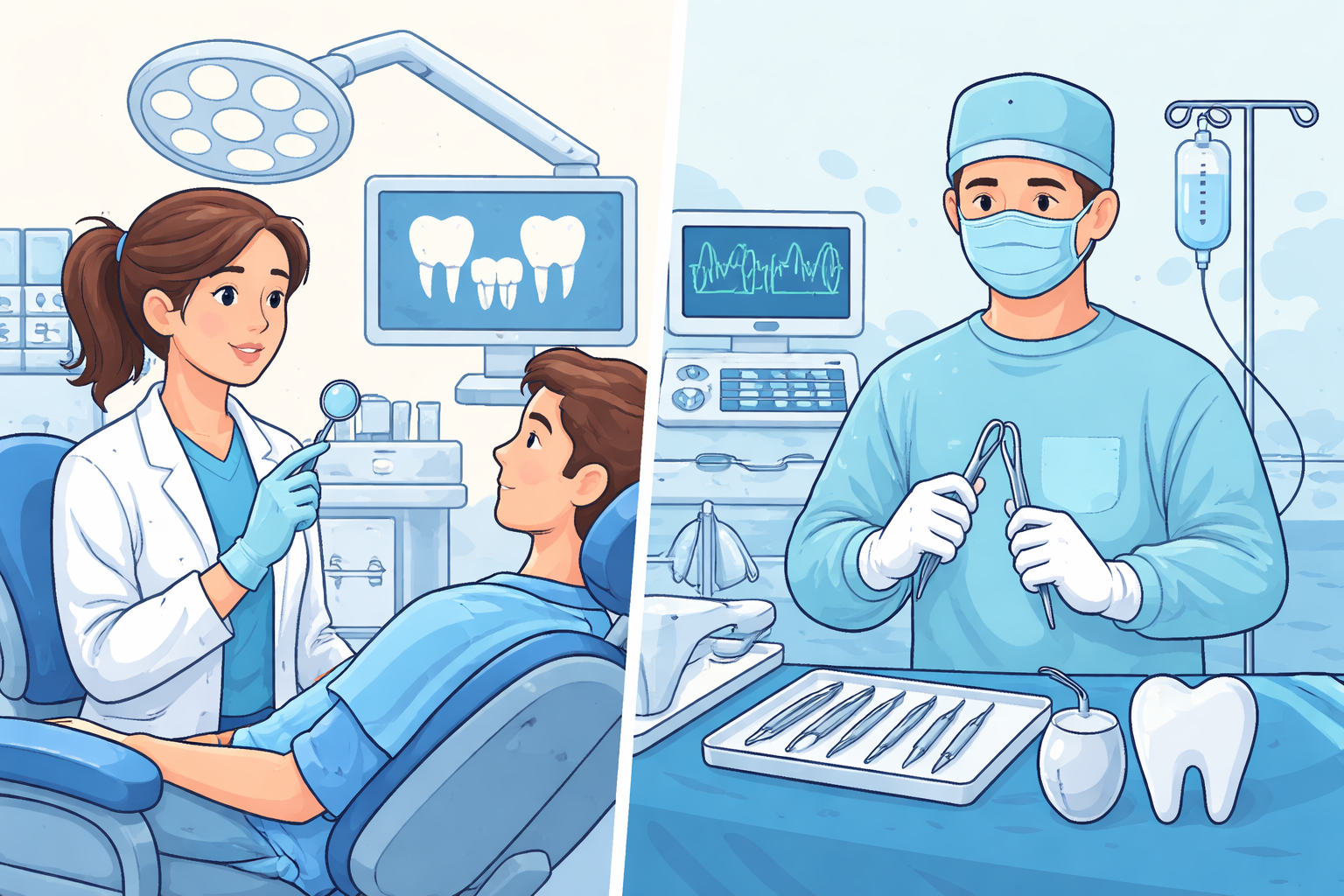
Wisdom Tooth Extraction: Dentist vs. Oral Surgeon
January 30, 2026