What Happens If You Skip the Dentist for Years?
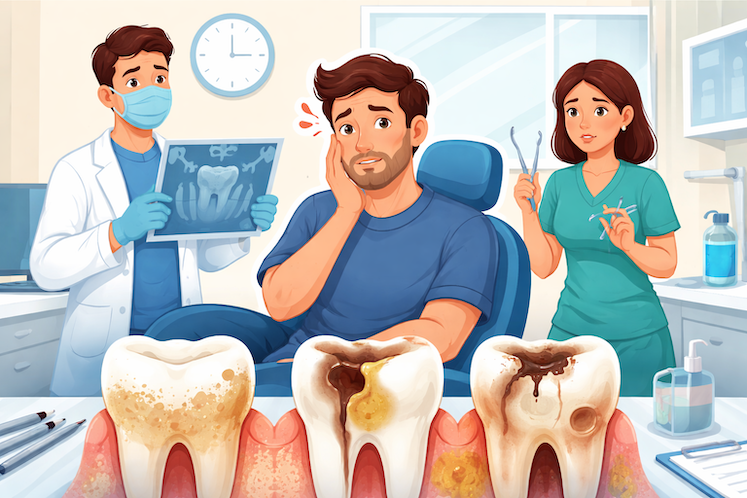
It’s easy to put off dental visits—especially when nothing seems wrong. Life gets busy, schedules fill up, and if there’s no pain, it’s tempting to assume your teeth are fine. But the truth is, skipping the dentist for years can quietly lead to serious oral health problems that are harder—and more expensive—to fix later.
In this guide, we’ll walk through exactly what happens when dental care is neglected over time, the warning signs to watch for, and how to get back on track before small issues turn into major concerns.
Why Regular Dental Visits Matter More Than You Think
Routine dental checkups aren’t just about cleaning your teeth. They’re preventive by design. Dentists can spot early signs of decay, gum disease, and even oral cancer long before symptoms appear.
When you skip these visits, problems don’t stop developing—they simply go unnoticed.
Over time, plaque hardens into tartar, bacteria multiply, and small issues quietly escalate. What could have been a simple cleaning or minor filling can turn into something far more complex.
The First Year Without a Dentist: Early Warning Signs
Plaque and Tartar Build-Up
Even with good brushing habits, plaque forms daily. Without professional cleanings, it hardens into tartar—a rough, stubborn deposit that brushing alone can’t remove.
Tartar buildup creates the perfect environment for bacteria to thrive, especially along the gumline.
Early Gum Inflammation (Gingivitis)
At this stage, you might notice:
- Bleeding when brushing or flossing
- Slight gum swelling
- Mild bad breath
This condition, known as gingivitis, is reversible—but only if addressed early.
2–3 Years Later: Problems Start to Progress
Cavities Become More Likely
Untreated plaque and bacteria begin to erode enamel, leading to cavities. At first, they may be painless, which is why many people don’t realize they have them.
Over time, these cavities grow deeper, eventually reaching the sensitive inner layers of the tooth.
Persistent Bad Breath
Chronic bad breath (halitosis) often develops due to bacterial buildup. Mouthwash might temporarily mask it, but the underlying issue remains.
Gum Disease Begins (Periodontitis)
If gingivitis isn’t treated, it can progress into periodontitis—a more serious form of gum disease.
At this point:
- Gums may recede
- Pockets form between teeth and gums
- Bone supporting the teeth begins to weaken
This damage is no longer fully reversible.
5+ Years Without Dental Care: Serious Damage Sets In
Tooth Decay Reaches the Nerve
Untreated cavities can extend deep into the tooth, reaching the pulp (nerve). This often results in:
- Severe tooth pain
- Sensitivity to hot and cold
- Infection or abscess
At this stage, treatment usually involves a root canal or extraction.
Tooth Loss Becomes a Real Risk
Advanced gum disease weakens the structures holding your teeth in place. Teeth may loosen, shift, or fall out entirely.
Tooth loss doesn’t just affect your smile—it impacts chewing, speech, and overall health.
Infections Can Spread
Dental infections don’t stay isolated. In severe cases, bacteria can spread to other parts of the body, potentially leading to serious health complications.
This is why untreated dental infections should never be ignored.
The Hidden Health Risks Beyond Your Mouth
Oral health is closely linked to overall health. Skipping dental care for years can increase your risk of:
- Heart disease
- Diabetes complications
- Respiratory infections
- Pregnancy complications
Inflammation and bacteria from gum disease can enter the bloodstream, affecting other organs.
Cosmetic Changes You Might Notice
Beyond health concerns, neglecting dental visits also impacts appearance.
Yellowing and Stained Teeth
Without professional cleanings, stains from coffee, tea, and food accumulate. Teeth gradually lose their brightness.
Gum Recession
As gums pull back, teeth can appear longer and more uneven. This also increases sensitivity and vulnerability to decay.
Shifting Teeth
Missing or weakened teeth can cause others to shift out of alignment, affecting your bite and facial structure.
When You Finally Go Back: What to Expect
Returning to the dentist after years can feel intimidating—but it’s a smart and necessary step.
Comprehensive Evaluation
Your dentist will assess:
- Tooth decay
- Gum health
- Bone structure
- Any infections or damage
X-rays may be taken to identify issues below the surface.
Personalized Treatment Plan
Depending on your condition, treatment may include:
- Deep cleaning (scaling and root planing)
- Fillings or crowns
- Root canals
- Tooth extractions
In more complex cases, you may be referred to a specialist. Understanding the difference between general dental care and surgical expertise can help you make informed decisions.
What If You Need a Tooth Extraction?
After years without dental care, some teeth may not be salvageable. While that can sound alarming, modern procedures are safe and effective.
For example, wisdom teeth or severely damaged teeth often require removal. If you’re concerned about complications, it’s helpful to understand how professionals approach safety and recovery to prevent infection after wisdom teeth removal.
Cost is another common concern. Treatment expenses can vary depending on where and how procedures are performed. If you’re weighing your options, this comparison of in-office vs hospital wisdom tooth extraction costs can give you a clearer picture.
Why People Avoid the Dentist (And How to Overcome It)
Many people delay dental visits for understandable reasons:
- Fear or anxiety
- Cost concerns
- Busy schedules
- Previous negative experiences
The key is finding a provider who prioritizes patient comfort and transparency. Modern dentistry has come a long way, with techniques designed to minimize pain and stress.
If you’ve been putting it off, now’s a good time to finally get it checked. Even a quick visit can give you a clear idea of what’s going on and what to do next—so you can book an appointment and get advice that actually fits your situation.
How to Get Back on Track After Years Away
Start with a Checkup
Don’t try to self-diagnose. A professional evaluation is the fastest way to understand what’s happening.
Be Honest About Your History
Dentists aren’t there to judge—they’re there to help. Sharing your dental history allows them to create a realistic treatment plan.
Prioritize Urgent Issues First
Pain, infection, or severe decay should be addressed immediately. Cosmetic treatments can come later.
Commit to Maintenance
Once your oral health is stabilized, regular cleanings and checkups will help prevent future problems.
The Bottom Line
Skipping the dentist for years doesn’t just delay care—it allows small issues to quietly evolve into serious conditions. From plaque buildup and cavities to gum disease, tooth loss, and systemic health risks, the effects can be far-reaching.
The good news is that it’s never too late to take control of your oral health. With the right care and a proactive approach, you can restore your smile and prevent further damage.
Why Choose a Specialist for Impacted Wisdom Teeth?
June 26, 2026
Can Wisdom Teeth Cause Ear Pain?
May 13, 2026
Does Dental Insurance Cover Oral Surgery?
January 9, 2026

Mouthwash and Wisdom Teeth: What Really Works
December 16, 2025

7-Day Meal Plan After Wisdom Tooth Surgery Recovery
April 23, 2026