How to Prevent Cavities Naturally (Simple & Effective Guide)
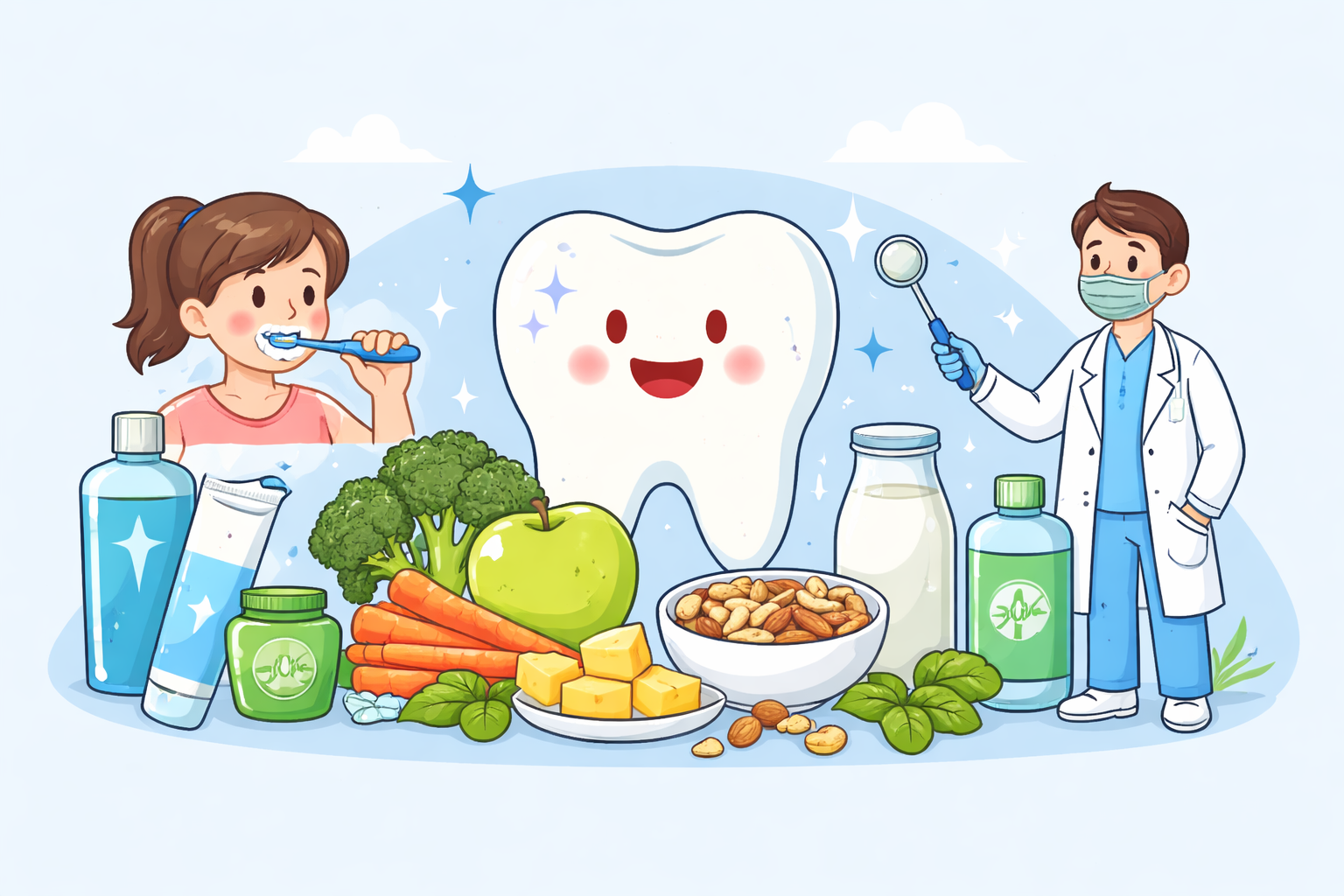
Cavities are one of the most common dental problems—but the good news is that they are largely preventable. While regular dental visits are essential, there are also natural, everyday habits you can adopt to protect your teeth and maintain a healthy smile.
In this guide, we’ll walk you through how to prevent cavities naturally, using simple strategies that fit easily into your daily routine.
What Causes Cavities?
Cavities form when bacteria in your mouth produce acids that wear down tooth enamel. This process is often triggered by:
- Sugary or acidic foods
- Poor oral hygiene
- Dry mouth
- Plaque buildup
Over time, this leads to tooth decay, which may require professional treatment if left untreated.
1. Brush Properly (Not Just Frequently)
Brushing your teeth is the foundation of cavity prevention—but technique matters just as much as frequency.
Tips for effective brushing:
- Brush at least twice a day
- Use a fluoride toothpaste
- Brush for at least 2 minutes
- Don’t forget the gum line and back teeth
Fluoride helps strengthen enamel, making your teeth more resistant to decay.
2. Floss Daily to Remove Hidden Plaque
Brushing alone can’t reach between your teeth. That’s where flossing comes in.
Flossing helps:
- Remove food particles
- Prevent plaque buildup
- Protect gums from inflammation
Skipping flossing allows bacteria to thrive in hard-to-reach areas—leading to cavities over time.
3. Limit Sugar and Acidic Foods
Your diet plays a major role in your oral health.
Reduce intake of:
- Sugary snacks and drinks
- Soda and fruit juices
- Sticky foods like candy
Instead, choose tooth-friendly foods like:
- Crunchy vegetables (carrots, celery)
- Dairy products (cheese, yogurt)
- Nuts and leafy greens
These foods help strengthen enamel and stimulate saliva production.
4. Stay Hydrated and Boost Saliva
Saliva is your mouth’s natural defense system. It helps wash away food particles and neutralize acids.
How to support saliva production:
- Drink plenty of water throughout the day
- Chew sugar-free gum
- Avoid excessive caffeine and alcohol
A dry mouth increases your risk of cavities, so staying hydrated is key.
5. Use Natural Antibacterial Rinses
Mouth rinses can help reduce harmful bacteria.
Natural options include:
- Saltwater rinse
- Alcohol-free mouthwash
- Oil pulling (with coconut oil)
These methods can complement your oral care routine and help maintain a balanced oral environment.
6. Don’t Skip Regular Dental Checkups
Even with the best habits, professional care is essential.
Regular dental visits help:
- Detect cavities early
- Remove hardened plaque (tartar)
- Prevent more serious issues
If dental anxiety is holding you back, options like sleep dentistry can make your experience more comfortable and stress-free.
7. Address Dental Issues Early
Ignoring small problems can lead to bigger complications.
For example:
- Untreated cavities can lead to infections
- Wisdom teeth issues may cause pain or damage
If you’re experiencing discomfort, it’s important to seek expert care. Learn more about potential risks like nerve damage from wisdom tooth removal so you can make informed decisions about your oral health.
8. Choose the Right Dental Professional
Having the right dental specialist can make a big difference in maintaining long-term oral health.
Final Thoughts
Preventing cavities naturally is all about consistency and smart habits. By maintaining good oral hygiene, eating a balanced diet, and staying proactive with dental care, you can protect your teeth for years to come.
Remember—small daily actions lead to long-term results.
Ready to Protect Your Smile?
Don’t wait until cavities become a serious problem. Take control of your oral health today with professional care and guidance.
Your healthier, brighter smile starts here.
When to See an Oral Surgeon in Coral Gables
March 18, 2026
Is Jaw Surgery Covered by Insurance?
January 5, 2026
When Wisdom Tooth Pain Is an Emergency (and When It Can Wait)
January 1, 2026

Can You Exercise After Oral Surgery? Timing Matters
March 11, 2026
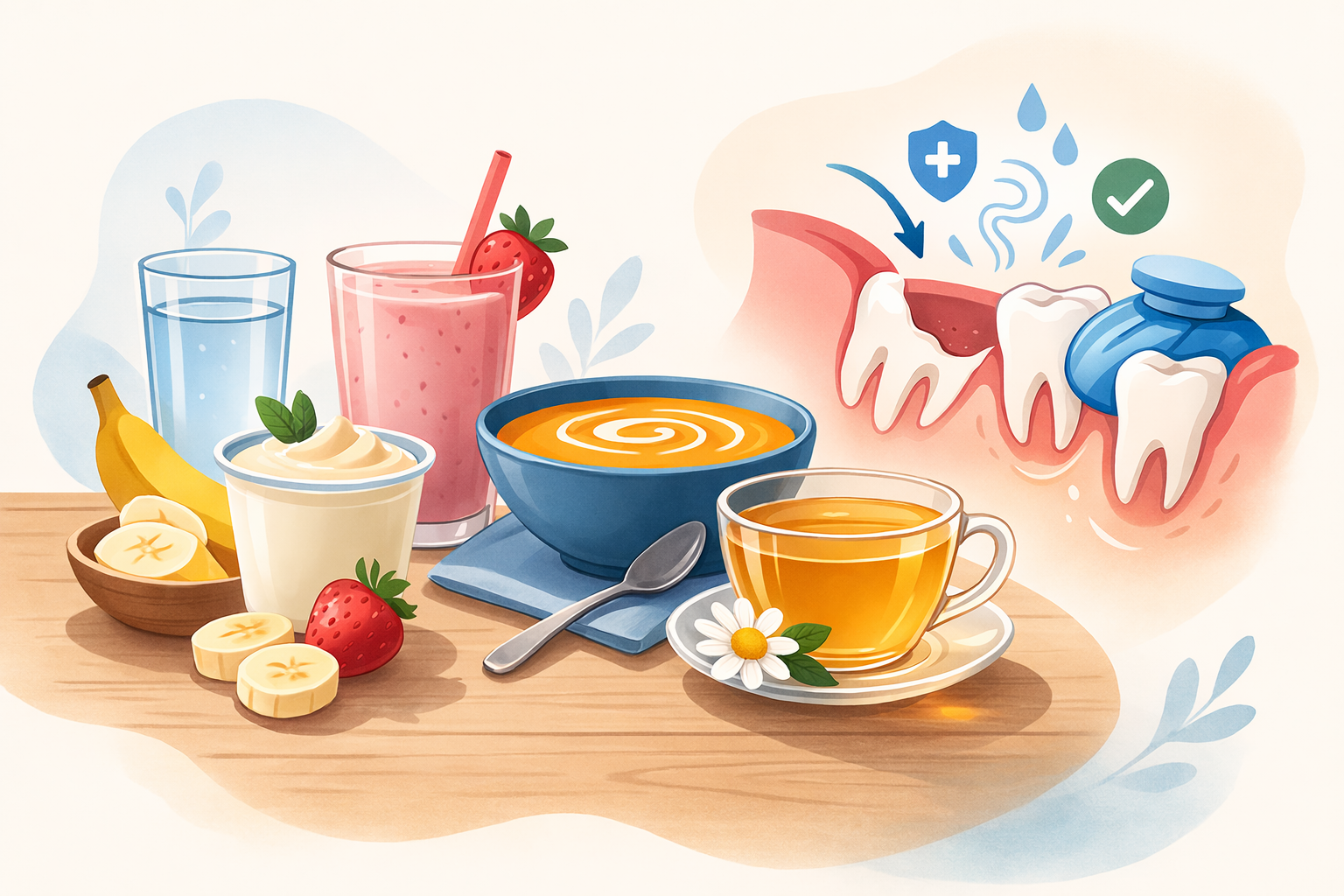
Best Drinks to Have After Wisdom Tooth Extraction
March 6, 2026