Simple Tips to Keep Your Breath Fresh All Day

Fresh breath isn’t just about confidence—it’s a reflection of your overall oral health. Whether you’re heading into a meeting, going out with friends, or simply getting through your daily routine, bad breath can quickly become a concern if it’s not managed properly.
The good news is that keeping your breath fresh all day doesn’t require complicated routines or expensive treatments. With the right habits, awareness, and a few smart adjustments, you can maintain long-lasting freshness and improve your oral health at the same time.
In this guide, we’ll walk through practical, easy-to-follow tips that actually work—without the fluff.
What Causes Bad Breath?
Before fixing the problem, it helps to understand where it starts. Bad breath, also known as halitosis, is typically caused by bacteria in the mouth that produce odor.
Common Triggers
- Poor oral hygiene
- Dry mouth
- Food particles left between teeth
- Gum disease
- Certain foods like garlic and onions
- Smoking or tobacco use
Sometimes, bad breath can also signal deeper dental issues. For example, untreated cavities can contribute to persistent odor and can spread or develop.
Start with a Strong Oral Hygiene Routine
The foundation of fresh breath begins with proper daily care.
Brush Your Teeth the Right Way
Brush at least twice a day using fluoride toothpaste. Focus on:
- Cleaning all tooth surfaces
- Reaching the back molars
- Brushing for at least two minutes
Don’t rush it. A thorough brush removes the bacteria that cause odor.
Don’t Skip Flossing
Flossing removes food particles and plaque from areas your toothbrush can’t reach. If skipped, these hidden particles can lead to bad breath.
Make it a daily habit—even if it feels like a small step.
Clean Your Tongue Daily
Your tongue is one of the most overlooked sources of bad breath.
Why It Matters
Bacteria and debris accumulate on the tongue’s surface, especially toward the back. This buildup is a major contributor to unpleasant odors.
How to Do It
Use a tongue scraper or your toothbrush to gently clean your tongue every morning. It takes just a few seconds but makes a noticeable difference.
Stay Hydrated Throughout the Day
Dry mouth is a leading cause of bad breath.
The Role of Saliva
Saliva helps wash away food particles and bacteria. When your mouth is dry, odors become more noticeable.
Simple Hydration Tips
- Drink water regularly
- Limit caffeine and alcohol
- Chew sugar-free gum to stimulate saliva
Keeping your mouth moist naturally reduces odor-causing bacteria.
Be Mindful of What You Eat
Your diet plays a big role in how your breath smells.
Foods That Cause Odor
Certain foods release sulfur compounds that linger in your mouth and bloodstream, such as:
- Garlic
- Onions
- Spicy dishes
These odors can persist even after brushing.
Foods That Help Freshen Breath
- Crunchy fruits like apples
- Fresh herbs like parsley
- Yogurt with probiotics
These foods help neutralize odors and support healthy bacteria balance.
Use Mouthwash Strategically
Mouthwash can be helpful—but only when used correctly.
What to Look For
Choose an antibacterial mouthwash that targets odor-causing bacteria rather than just masking the smell.
When to Use It
- After brushing and flossing
- Before social interactions
- When you need a quick refresh
Avoid relying on mouthwash alone—it’s a supplement, not a substitute for brushing.
Avoid Tobacco Products
Smoking and tobacco use are major contributors to bad breath.
Why It Matters
- Reduces saliva production
- Leaves lingering odors
- Increases risk of gum disease
Quitting tobacco doesn’t just improve your breath—it benefits your overall health.
Address Underlying Dental Issues
Sometimes, bad breath isn’t just about daily habits.
When to Be Concerned
If your breath stays unpleasant despite good hygiene, you may be dealing with:
- Gum disease
- Tooth decay
- Infections
For instance, complications related to wisdom teeth like sinus infection can also affect oral health and odor.
Maintain Regular Dental Checkups
Routine visits to your dentist are essential for long-term freshness.
What Professional Care Provides
- Deep cleaning
- Early detection of issues
- Personalized advice
Even if everything feels fine, professional cleanings remove plaque and tartar that brushing alone can’t handle.
Keep Your Gums Healthy
Healthy gums are key to fresh breath.
Signs of Gum Problems
- Bleeding when brushing
- Swelling or redness
- Persistent bad taste
Ignoring these signs can lead to infections that cause strong odors. Prevention and early care make a big difference.
Practice Smart Post-Meal Habits
What you do after eating can either help or hurt your breath.
Quick Fixes That Work
- Rinse your mouth with water
- Chew sugar-free gum
- Eat a crunchy fruit
These simple habits reduce food residue and refresh your breath instantly.
Prevent Infections and Complications
Oral infections are a major source of bad breath and discomfort.
Why Prevention Matters
Infections can develop after procedures or due to untreated issues. They not only cause odor but also lead to pain and swelling.
When to Seek Professional Help
If you’ve tried everything and still struggle with bad breath, it’s time to consult a professional.
Signs You Shouldn’t Ignore
- Chronic bad breath
- Metallic or sour taste
- Pain or swelling in the mouth
A dental expert can identify the root cause and recommend targeted treatment.
If you’re ready to take control of your oral health, schedule dental consultation to get personalized care and lasting results.
Final Thoughts
Keeping your breath fresh all day isn’t about quick fixes—it’s about building consistent, healthy habits. From proper brushing and flossing to staying hydrated and addressing underlying issues, every step plays a role in maintaining confidence and oral health.
The key is consistency. Small daily actions add up to big results over time.
If something feels off or doesn’t improve, don’t ignore it. Fresh breath is often a sign that your mouth is healthy—and that’s something worth prioritizing.
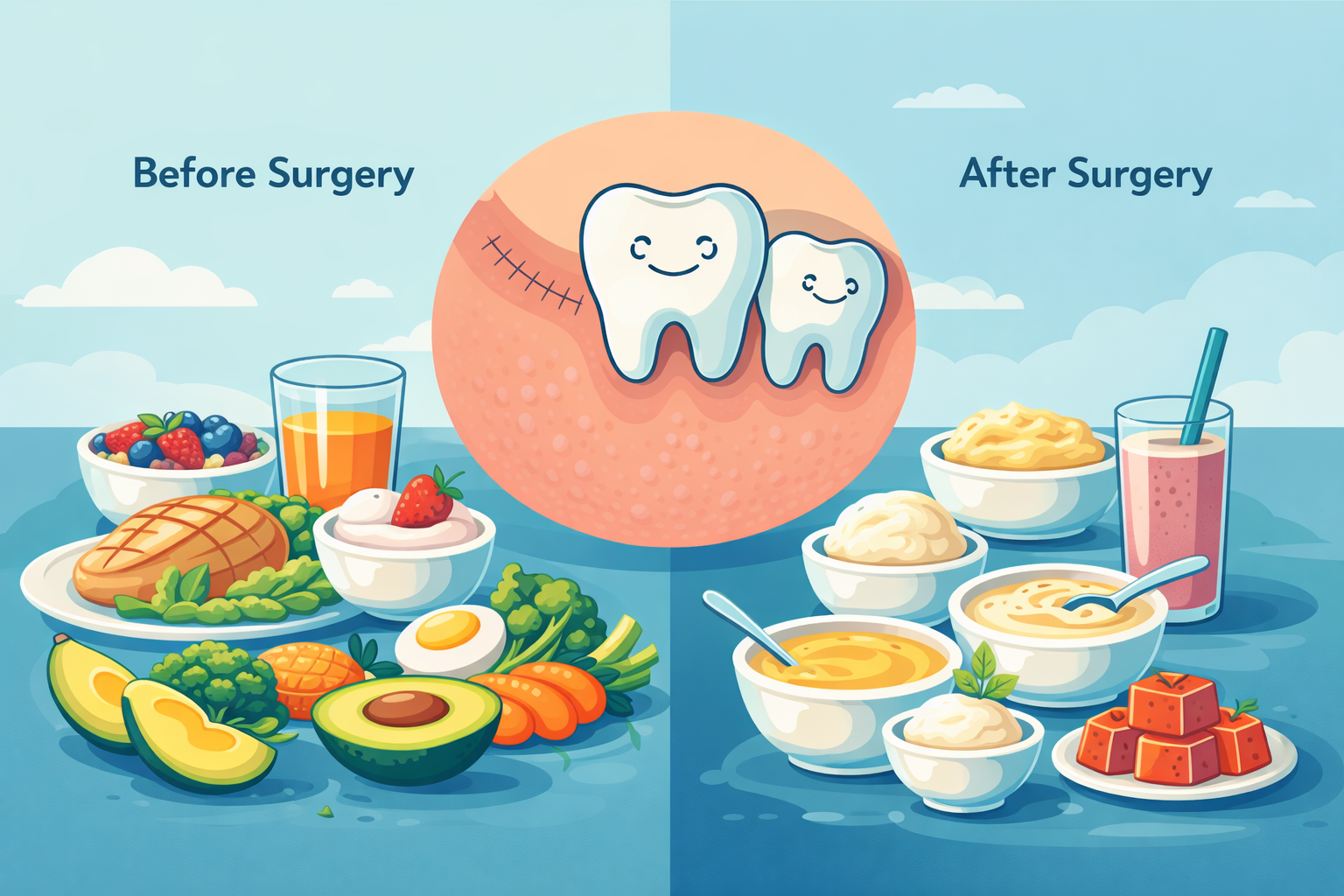
Safe Foods to Eat After Wisdom Tooth Removal Surgery
February 16, 2026

Is It Safe to Fly After Wisdom Tooth Removal?
March 12, 2026
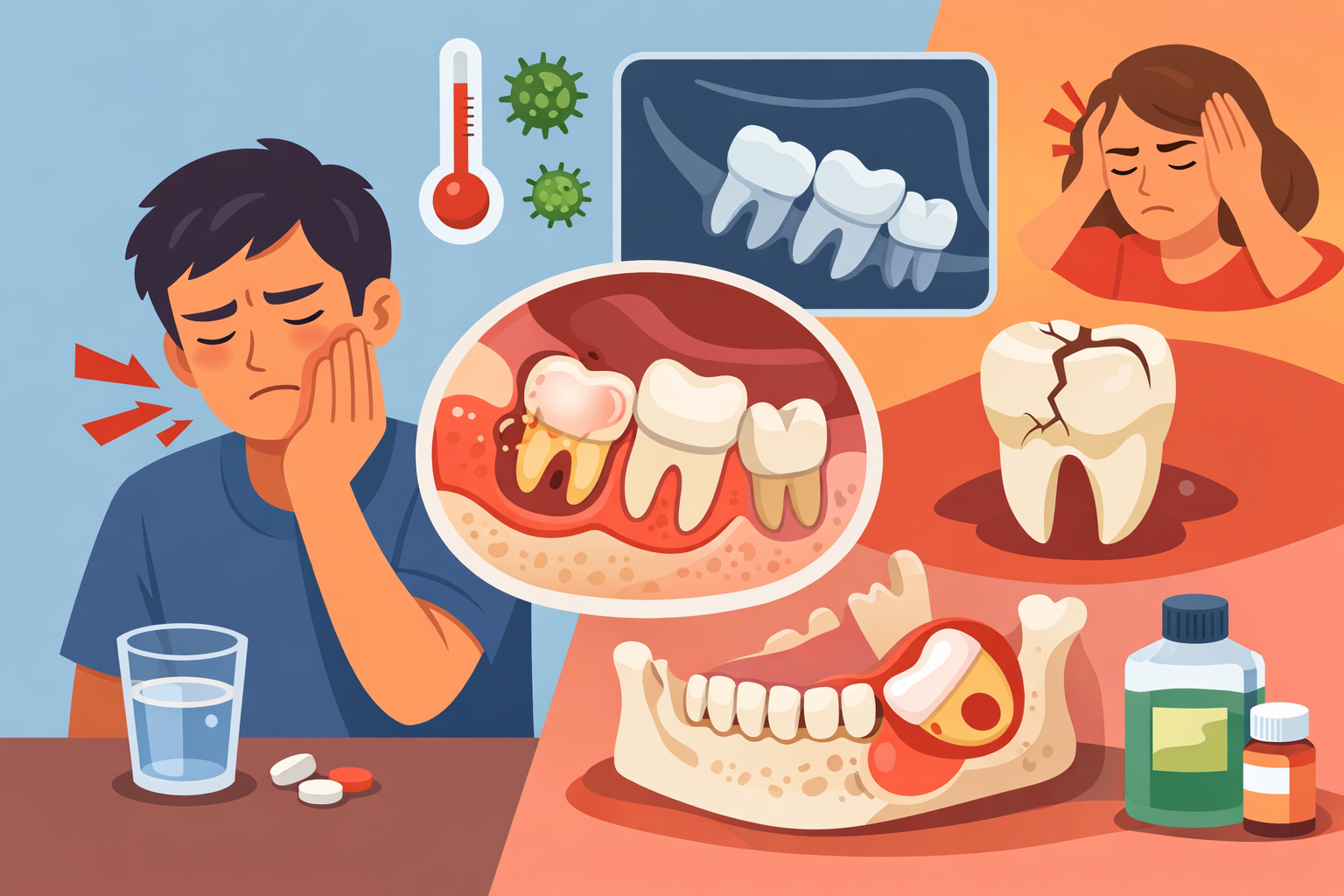
The Hidden Risks of Ignoring Wisdom Tooth Pain
April 1, 2026
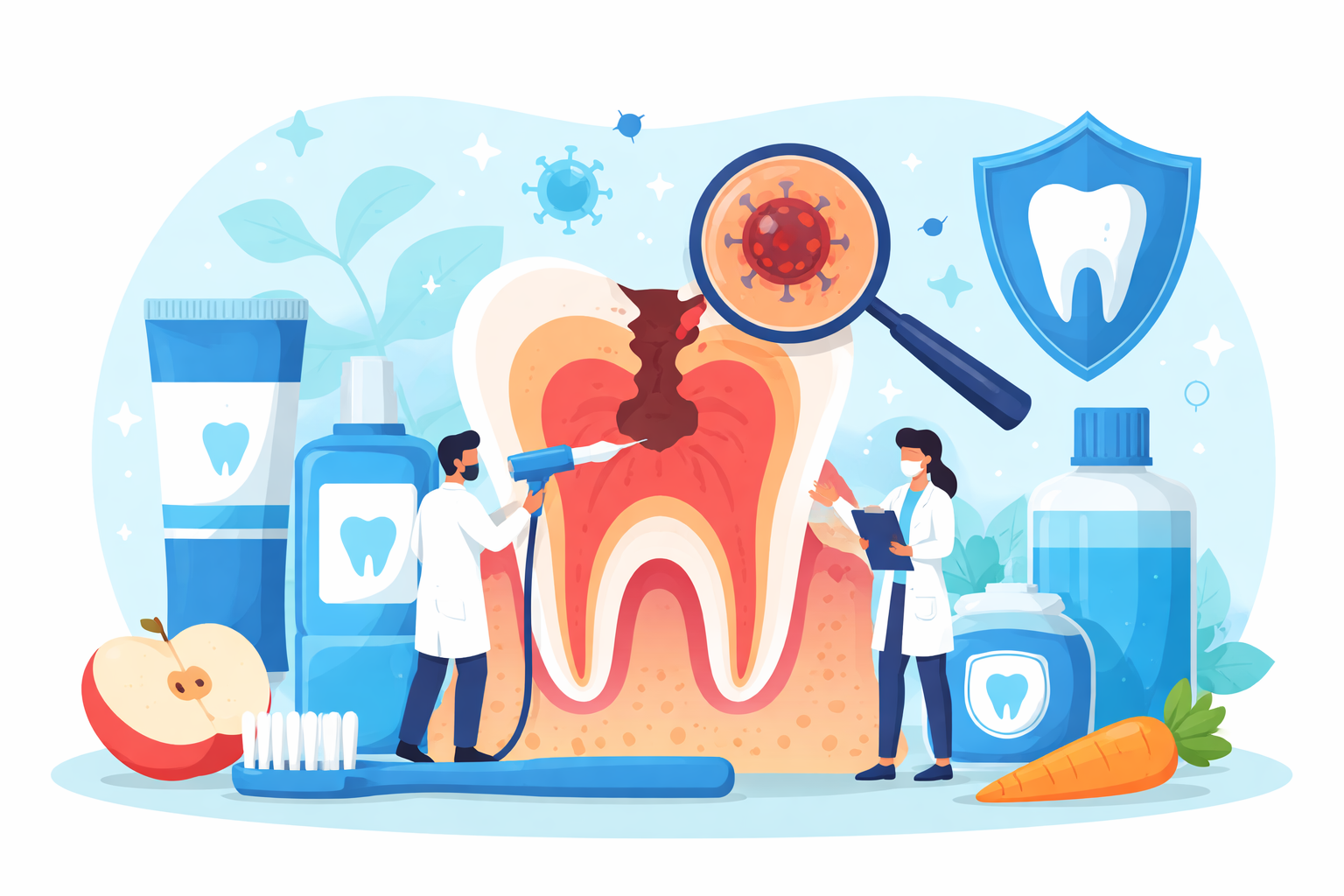
Cavities Explained: Causes, Prevention, and Treatment
January 14, 2026
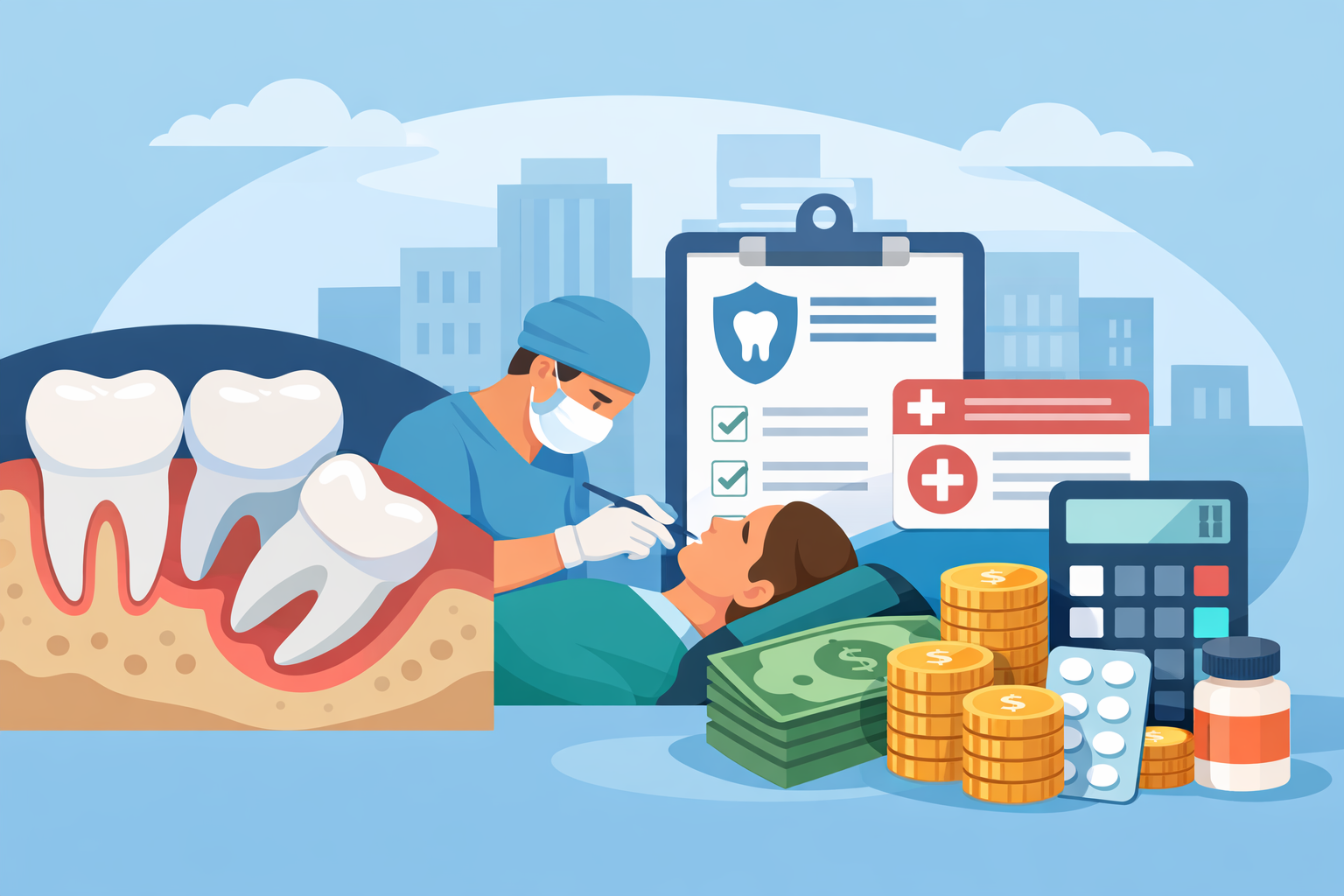
Wisdom Tooth Removal Cost Guide: 2026 Price Breakdown
February 17, 2026