Why Your Tooth Hurts When You Bite Down
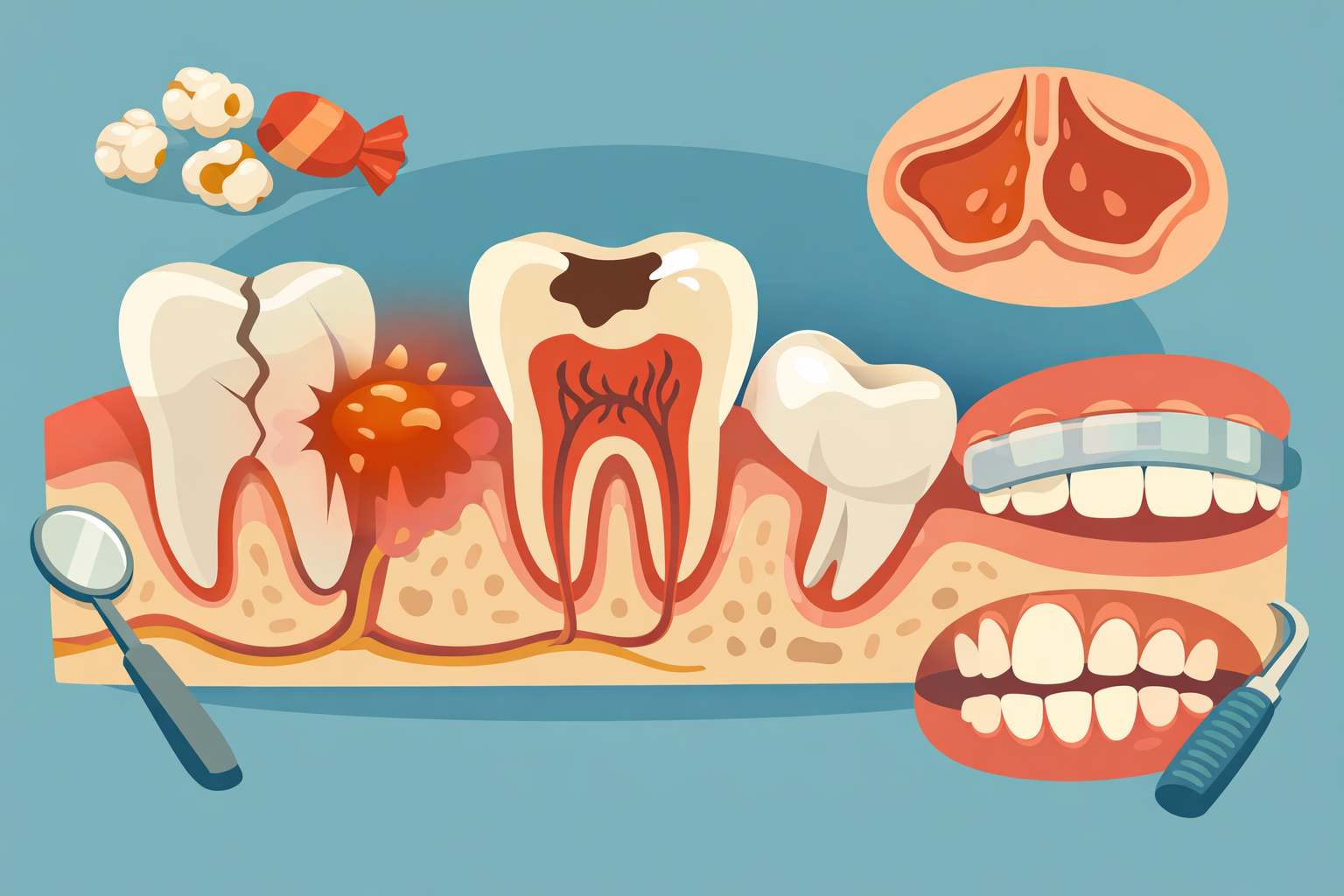
Tooth pain when biting down is one of the most common — and frustrating — dental problems people experience. It can show up suddenly, linger for weeks, or come and go depending on what you eat. Either way, it’s your body’s way of telling you something isn’t right.
If you’ve ever winced while chewing or avoided using one side of your mouth, you’re not alone. Understanding why your tooth hurts when you bite down is the first step toward fixing it — and preventing more serious issues down the line.
Let’s break down the most common causes, what symptoms to watch for, and when it’s time to take action.
What Causes Tooth Pain When Biting Down?
Pain while biting usually points to pressure sensitivity inside or around the tooth. That pressure can come from damage, infection, or structural issues affecting the tooth or surrounding tissues.
Here are the most likely culprits.
Cracked or Fractured Tooth
A cracked tooth is one of the leading causes of pain when biting. The crack may be too small to see, but when you apply pressure, it can open slightly and irritate the inner pulp.
Signs of a cracked tooth:
- Sharp pain when biting or releasing pressure
- Sensitivity to hot or cold
- Pain that comes and goes unpredictably
Cracks often develop from chewing hard foods, grinding your teeth, or trauma. The tricky part is that the pain can feel inconsistent, which leads many people to ignore it — until it gets worse.
Tooth Decay and Cavities
When a cavity progresses deep enough into the tooth, it can affect the inner layers where nerves live. Biting down increases pressure inside the tooth, triggering pain.
Common symptoms:
- Dull or sharp pain when chewing
- Sensitivity to sweets or temperature changes
- Visible holes or dark spots on the tooth
Untreated decay doesn’t stay mild for long. It can quickly evolve into infection or require more advanced treatment.
Dental Abscess or Infection
An abscess is a pocket of infection at the root of a tooth or in the gums. This condition often causes intense pain when biting because pressure pushes against inflamed, infected tissue.
Warning signs:
- Throbbing pain that worsens when chewing
- Swelling in the gums or face
- Bad taste or odor in the mouth
- Fever or general discomfort
This isn’t something to wait out. An abscess can spread and lead to serious health complications if left untreated.
Gum Disease (Periodontal Issues)
Gum disease affects the tissues that support your teeth. As it progresses, the gums can recede and the bone structure weakens, making teeth more sensitive to pressure.
Symptoms include:
- Tender or bleeding gums
- Loose teeth
- Pain when biting or chewing
- Gum recession
Even mild gum inflammation can create discomfort when pressure is applied, especially if food gets trapped between teeth.
High Dental Fillings or Bite Misalignment
Sometimes, the issue isn’t the tooth itself — it’s how your teeth come together.
A filling or crown that sits too high can create uneven pressure when you bite, causing pain in that specific tooth.
Indicators:
- Pain immediately after dental work
- Sensation that your bite feels “off”
- Discomfort when chewing on one side
This is usually a quick fix, but it requires a dentist to adjust the surface properly.
Teeth Grinding (Bruxism)
Grinding or clenching your teeth — especially at night — puts constant pressure on your teeth and jaw. Over time, this can lead to soreness when biting.
Signs of grinding:
- Jaw pain or stiffness
- Worn-down tooth surfaces
- Morning headaches
- Increased sensitivity
Many people don’t realize they grind their teeth until symptoms appear.
Sinus Pressure
It might sound surprising, but sinus infections can cause tooth pain — especially in the upper back teeth. The sinus cavities sit close to tooth roots, and inflammation can create pressure that feels like dental pain.
Key clues:
- Pain in multiple upper teeth
- Sinus congestion or pressure
- Pain that worsens when bending over
If the discomfort is widespread rather than isolated to one tooth, your sinuses could be the cause.
When Should You Be Concerned?
Not every toothache is an emergency, but pain when biting down is rarely something to ignore.
You should seek professional care if:
- The pain lasts more than a couple of days
- It worsens over time
- You notice swelling or signs of infection
- You have difficulty chewing normally
In many cases, early treatment can prevent more invasive procedures later.
Dentist vs. Oral Surgeon: Who Should You See?
Depending on the cause of your pain, you may need either a general dentist or a specialist.
For routine issues like cavities or minor bite adjustments, a dentist is typically your first stop. However, more complex cases — such as impacted teeth, severe infections, or surgical extractions — may require an oral surgeon.
If you’re unsure which is right for your situation, this helpful guide on dentist vs oral surgeon breaks down the differences and when to see each.
Could Wisdom Teeth Be the Problem?
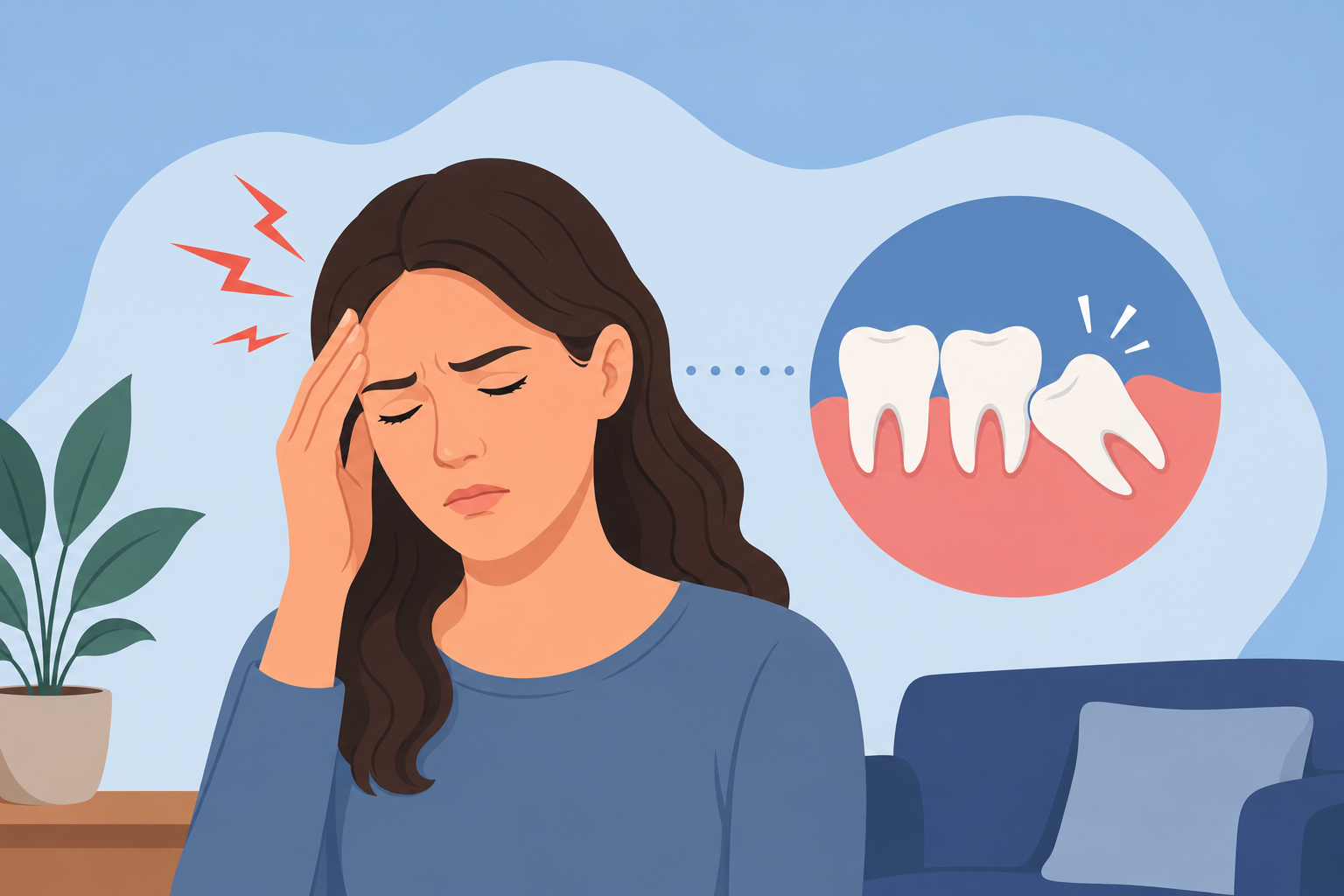
Wisdom teeth are notorious for causing pain when biting — especially if they’re impacted or growing at an angle.
When these teeth don’t have enough space to emerge properly, they can press against neighboring teeth or become infected.
Symptoms of wisdom tooth issues:
- Pain at the back of the mouth
- Swelling around the gums
- Difficulty opening your mouth fully
- Pain when chewing
If infection is present, it’s important to act quickly. You can learn more about how to prevent infection after wisdom teeth issues to avoid complications.
Treatment Options for Tooth Pain When Biting
The right treatment depends entirely on the underlying cause. Here’s what your dentist or oral surgeon might recommend.
1. Dental Filling or Crown
Used to restore damaged or decayed teeth and eliminate pressure sensitivity.
2. Root Canal Therapy
Necessary when the pulp inside the tooth is infected or inflamed.
3. Tooth Extraction
In severe cases, removing the tooth may be the best solution — especially for impacted wisdom teeth.
4. Bite Adjustment
A simple reshaping of the tooth surface to correct uneven pressure.
5. Night Guards
Custom devices to protect teeth from grinding and relieve pressure.
How to Prevent Tooth Pain When Biting
While not all dental issues are avoidable, there are steps you can take to reduce your risk.
Maintain Good Oral Hygiene
Brush twice daily, floss regularly, and use an antibacterial mouthwash.
Avoid Hard Foods
Ice, hard candy, and popcorn kernels can crack teeth without warning.
Address Grinding Early
If you suspect bruxism, talk to your dentist about a night guard.
Keep Up With Dental Visits
Routine checkups can catch small issues before they become painful problems.
Don’t Ignore the Warning Signs
Pain when biting down is rarely random. It’s usually a signal that something deeper is going on — whether it’s a crack, infection, or alignment issue.
Waiting it out might seem tempting, but dental problems tend to escalate, not resolve on their own.
If you’re experiencing discomfort, the best move is to get a proper diagnosisv and have a professional evaluate what’s causing your pain before it becomes more serious.
Final Thoughts
Tooth pain when biting down can range from mildly annoying to severely painful, but it always has a cause. Identifying that cause early makes treatment simpler, faster, and less invasive.
Whether it’s a cracked tooth, an infection, or pressure from wisdom teeth, addressing the issue promptly protects not just your oral health — but your overall well-being.
If something feels off when you bite, trust that instinct. Your teeth are telling you something — it’s worth listening.
3D Imaging: Revolutionizing Wisdom Tooth Treatment Planning
December 23, 2025
The Right Way to Brush and Floss Your Teeth
February 23, 2026
Morning vs Night Brushing: Which Matters More?
May 12, 2026
Can Wisdom Teeth Trigger Chronic Headaches?
May 25, 2026
Is Jaw Surgery Covered by Insurance?
January 5, 2026