Oral Care for Seniors: Simple Tips for Healthy Aging
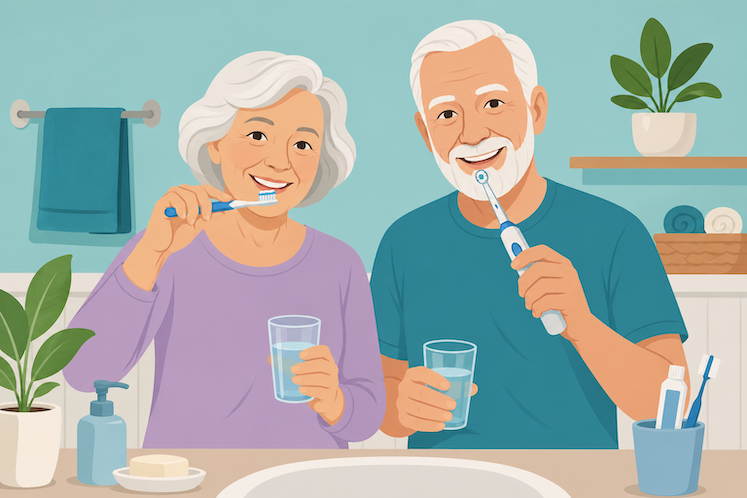
Oral care for seniors plays a major role in comfort, confidence, nutrition, and overall health. As we age, teeth and gums naturally become more vulnerable to dryness, decay, gum disease, tooth loss, and dental appliance concerns.
The good news is that many common dental problems in older adults can be managed or prevented with the right daily habits, regular dental visits, and early attention to changes in the mouth. Whether you are caring for yourself or helping an aging parent, understanding senior oral health can make everyday life easier and healthier.
Why Oral Health Matters More With Age
A healthy mouth is not just about having a bright smile. For seniors, oral health can affect eating, speaking, sleeping, social confidence, and even general wellness.
When teeth hurt, gums bleed, or dentures do not fit correctly, it can become harder to enjoy nutritious foods. Some seniors may avoid fruits, vegetables, lean meats, or whole grains because chewing becomes uncomfortable. Over time, that can affect energy, digestion, and quality of life.
Oral health is also connected to inflammation. Gum disease, untreated infections, and chronic dental problems can place extra stress on the body. That is why routine care becomes even more important with age.
Common Oral Health Problems in Seniors
Aging itself does not automatically cause dental problems, but older adults often face a higher risk because of medications, health conditions, mobility challenges, and years of wear on the teeth.
Dry Mouth
Dry mouth is one of the most common oral health issues in seniors. It often happens as a side effect of medications used for blood pressure, allergies, anxiety, depression, pain, or other health conditions.
Saliva helps wash away food particles, neutralize acids, and protect teeth from decay. When the mouth is too dry, cavities can develop faster, bad breath may become more noticeable, and dentures may feel uncomfortable.
Sipping water, using sugar-free lozenges, avoiding tobacco, and asking a dentist about saliva substitutes can help manage dry mouth.
Gum Disease
Gum disease can start quietly. Early signs may include bleeding when brushing, swollen gums, bad breath, or tenderness. As it progresses, gums may pull away from the teeth, creating pockets where bacteria can collect.
If gum disease is left untreated, it can contribute to loose teeth and tooth loss. Seniors should not ignore bleeding gums, even if there is no pain. Pain is not always the first warning sign.
Tooth Decay
Cavities are not only a childhood problem. Seniors can develop decay around old fillings, near the gumline, or on exposed tooth roots.
Receding gums can expose softer root surfaces, which are more vulnerable to cavities. This is one reason fluoride toothpaste and consistent dental checkups remain important later in life.
Tooth Loss
Tooth loss can affect chewing, speech, facial structure, and confidence. It may also cause remaining teeth to shift, creating bite problems or jaw discomfort.
Missing teeth should be evaluated by a dental professional. Depending on the situation, options may include dentures, bridges, or dental implants.
Worn or Damaged Dental Work
Older crowns, bridges, fillings, and dentures may need adjustment or replacement over time. A crown that once fit well can loosen, crack, or develop decay around the edges.
If cost is a concern, it can help to review a dental crown pricing breakdown before discussing treatment options with your dental provider.
Daily Oral Care Tips for Seniors
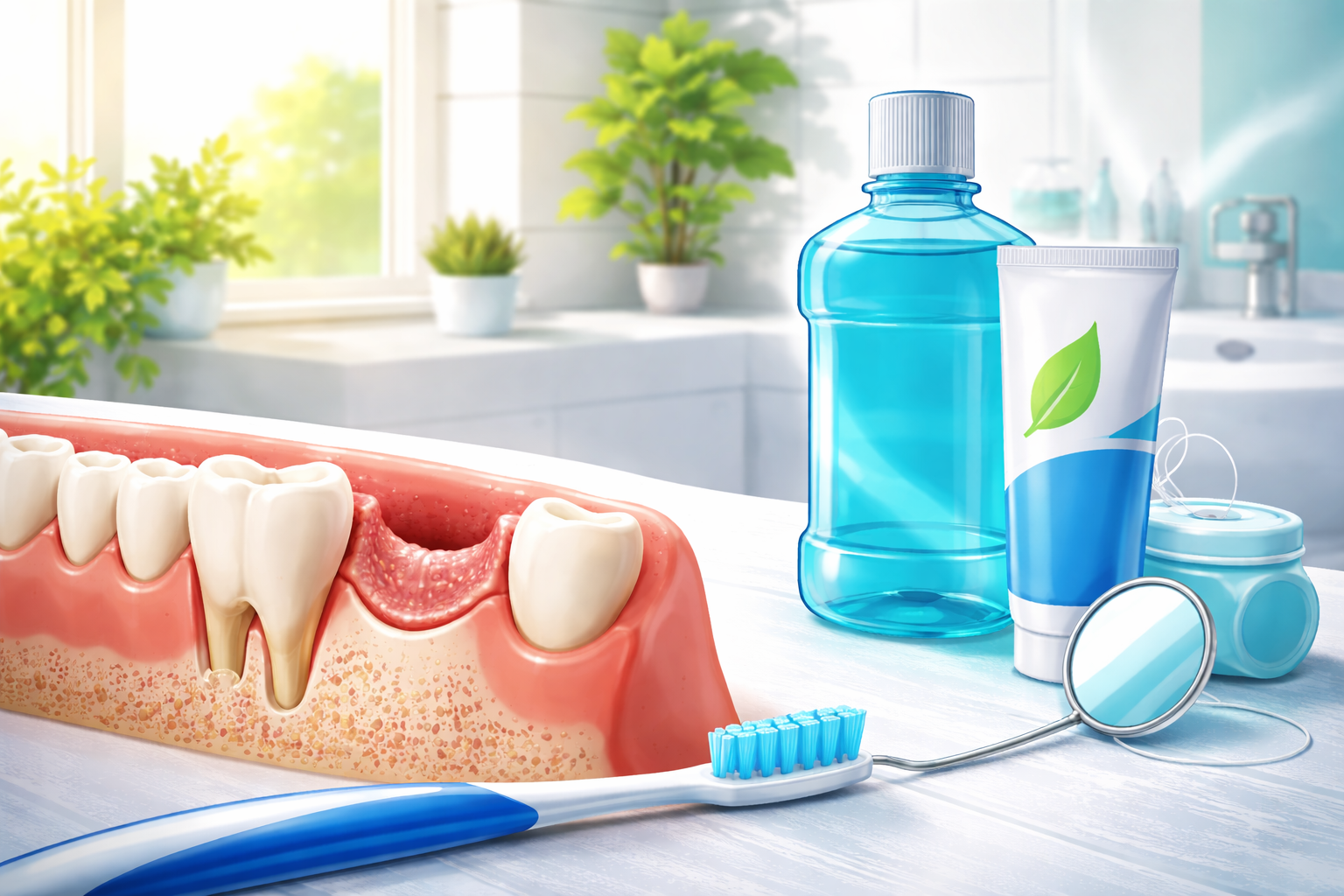
A strong daily routine is the foundation of senior oral health. It does not need to be complicated, but it does need to be consistent.
Brush teeth twice a day using a soft-bristled toothbrush and fluoride toothpaste. Soft bristles are gentler on aging gums and exposed roots. Brushing too hard can damage enamel and irritate gum tissue.
Floss once a day, or use interdental brushes if traditional floss is difficult to handle. Water flossers may also help seniors who have limited dexterity, bridges, implants, or deeper spaces between teeth.
Mouthwash can be helpful, but not every rinse is right for every person. Seniors with dry mouth should avoid alcohol-based mouthwashes because they can make dryness worse.
Choosing the Right Toothbrush
The right toothbrush makes daily care easier. For seniors with arthritis, tremors, or limited grip strength, an electric toothbrush can be especially useful. Many models have larger handles, timers, and gentle vibration to improve cleaning.
Toothbrushes should also be replaced regularly. Worn bristles do not clean as well and may irritate gums.
Denture Care for Older Adults
Dentures need daily cleaning, even if they replace all natural teeth. Food particles and bacteria can still build up, leading to irritation, odor, and infection.
Remove dentures at night unless a dentist gives different instructions. This gives gum tissue time to rest. Dentures should be brushed with a denture-safe cleaner, not regular toothpaste, which may be too abrasive.
If dentures feel loose, painful, or unstable, they should be checked. Poorly fitting dentures can create sores, make chewing difficult, and affect speech.
Nutrition and Senior Oral Health
What seniors eat has a direct impact on oral health. Calcium, vitamin D, protein, and hydration all support strong teeth, bones, and gum tissue.
Crunchy fruits and vegetables can help stimulate saliva, while dairy products or fortified alternatives can support enamel and bone strength. Soft, nutrient-rich foods may be helpful for seniors who struggle with chewing.
It is also smart to limit frequent snacking on sugary foods. The more often teeth are exposed to sugar and acid, the higher the risk of decay. This is especially important for seniors with dry mouth.
Medication and Oral Health
Many seniors take multiple medications, and some can affect the mouth. Dry mouth, gum swelling, taste changes, and increased bleeding risk can all be related to medication use.
A dentist should know about all prescriptions, over-the-counter medications, and supplements a senior takes. This helps the dental team make safer recommendations and avoid complications during treatment.
Seniors should also tell their dentist about medical conditions such as diabetes, heart disease, osteoporosis, cancer treatment history, or immune system concerns.
When Seniors Should See a Dentist
Seniors should generally visit the dentist at least twice a year, but some may need more frequent visits depending on their health, gum condition, dental work, or risk of decay.
Do not wait for pain before scheduling a dental visit. Many oral health problems are easier and less expensive to treat when caught early.
A dental appointment is especially important if there is swelling, bleeding, loose teeth, mouth sores, jaw pain, trouble chewing, or a denture that no longer fits correctly. When concerns feel urgent, it is best to schedule dental care before the problem becomes harder to manage.
Oral Surgery Considerations for Seniors
Some seniors may need oral surgery for damaged teeth, infections, bone loss, dental implants, or other concerns. Age alone does not prevent someone from receiving treatment, but health history matters.
A proper evaluation helps determine whether treatment is safe and what precautions are needed. Dentists and oral surgeons may coordinate with a physician when patients take blood thinners, have heart conditions, or manage chronic illness.
Clear communication is key. Seniors should bring a current medication list and ask questions about healing time, aftercare, diet, and follow-up visits.
Wisdom Teeth and Older Adults
Wisdom teeth are often discussed in relation to teenagers and young adults, but some seniors still have wisdom teeth that were never removed. In certain cases, these teeth may become problematic later in life.
Partially erupted wisdom teeth can trap bacteria. Impacted wisdom teeth may contribute to infection, pain, or crowding. Treatment depends on the patient’s age, symptoms, dental health, and surgical risk.
Families comparing dental care across generations may also find a wisdom teeth expense overview helpful when planning treatment decisions.
Helping an Aging Parent With Oral Care
Many adult children eventually help a parent manage dental appointments, medications, dentures, or daily hygiene. This can be sensitive because oral care is personal.
Start with support, not criticism. Ask what feels difficult. Is the toothbrush hard to hold? Are dentures uncomfortable? Is there fear about cost or treatment? Understanding the barrier makes it easier to solve.
For families already preparing younger relatives for dental procedures, this teen wisdom removal resource can also be useful for understanding preparation, recovery planning, and caregiver support.
Signs Seniors Should Not Ignore
Some oral symptoms should always be taken seriously. These include persistent bad breath, bleeding gums, loose teeth, mouth sores that do not heal, swelling, pain when chewing, or numbness.
A white or red patch in the mouth that lasts more than two weeks should also be evaluated. While many mouth changes are harmless, it is always safer to have persistent symptoms checked.
Dentures that suddenly feel painful or unstable should not be ignored either. They may need adjustment, relining, or replacement.
How Caregivers Can Make Oral Hygiene Easier
For seniors with memory loss, arthritis, stroke history, or mobility challenges, daily oral care may require adaptation.
Use a toothbrush with a larger handle or add a grip aid. Choose a well-lit bathroom mirror. Keep supplies in the same place every day. For seniors with dementia, a calm routine can reduce resistance.
Caregivers may also need to help inspect the mouth for sores, swelling, food buildup, or denture irritation. Gentle consistency matters more than perfection.
Preventive Care Is Still Worth It
Some seniors assume dental care matters less if they already have missing teeth, dentures, or older dental work. In reality, preventive care remains essential.
Even without natural teeth, the gums, tongue, jawbone, and oral tissues still need monitoring. Denture fit can change over time as the jawbone and gum tissue shift.
Preventive care helps catch small issues early, protect comfort, and avoid unnecessary pain. It also helps seniors maintain independence and confidence in daily life.
FAQ
How often should seniors brush their teeth?
Seniors should brush at least twice a day with a soft-bristled toothbrush and fluoride toothpaste. If brushing is difficult because of arthritis or limited mobility, an electric toothbrush may help.
Is dry mouth normal in older adults?
Dry mouth is common, but it should not be ignored. It is often linked to medications or health conditions and can increase the risk of cavities, gum irritation, and bad breath.
Do seniors still need dental checkups if they wear dentures?
Yes. Denture wearers still need dental visits to check gum health, oral tissues, denture fit, and signs of irritation or infection.
What causes bleeding gums in seniors?
Bleeding gums may be caused by gum disease, brushing too hard, medication effects, or poor-fitting dental appliances. A dentist should evaluate bleeding that happens regularly.
Are electric toothbrushes good for seniors?
Yes. Electric toothbrushes can be helpful for seniors with arthritis, reduced hand strength, or difficulty brushing thoroughly. They can make cleaning easier and more consistent.
What foods support oral health in seniors?
Foods rich in calcium, vitamin D, protein, and fiber can support oral health. Hydrating foods, dairy products, leafy greens, lean proteins, and low-sugar snacks are good choices.
Conclusion
Oral care for seniors is about more than preventing cavities. It supports comfort, nutrition, confidence, and overall wellness. With daily brushing, proper denture care, regular dental visits, and attention to early warning signs, seniors can protect their smiles and quality of life.
The best approach is simple: stay consistent, address changes early, and work with a dental professional who understands the needs of aging adults.

Can You Smoke or Vape After Wisdom Tooth Removal?
December 1, 2025
Can You Drink Coffee After Wisdom Tooth Removal?
February 24, 2026
Sideways Wisdom Teeth? What Patients Should Expect
May 20, 2026
Wisdom Tooth Nerve Damage: How Rare Is It, Really?
April 22, 2026
How to Avoid Dental Problems After a Tooth Extraction
December 17, 2025