How Often Should You Really Replace Your Toothbrush?
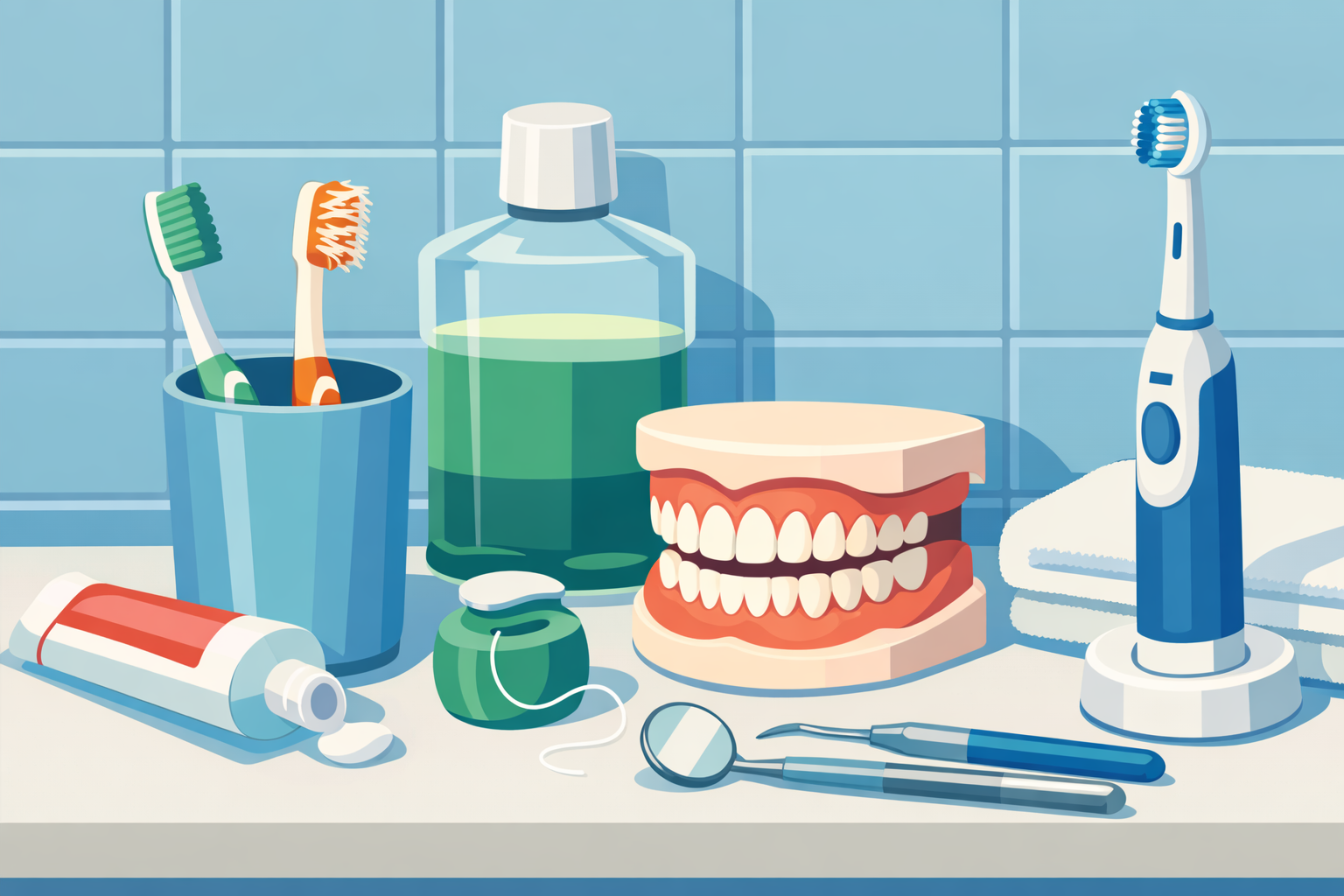
Most people don’t think much about their toothbrush. If the bristles still look usable, it’s easy to assume it’s still doing its job. But your toothbrush plays a direct role in plaque removal, gum health, and even bacterial control inside your mouth.
Dentists consistently emphasize that toothbrush replacement isn’t about convenience — it’s about effectiveness and hygiene. Using an old toothbrush can reduce cleaning performance and increase exposure to bacteria, which may lead to gum irritation, bad breath, and increased cavity risk.
If you’ve ever wondered whether you’re replacing your toothbrush too early, too late, or not often enough, you’re not alone. Understanding the correct replacement schedule — and why it matters — helps protect your long-term oral health.
Why Toothbrush Replacement Matters More Than You Think
Bristle Wear Reduces Cleaning Power
Toothbrush bristles are designed to remove plaque while being gentle on enamel and gums. Over time, bristles fray, bend, and lose their structure. Once this happens, plaque removal becomes less effective.
Even if your toothbrush looks fine at first glance, microscopic wear can reduce cleaning efficiency. Worn bristles also struggle to reach between teeth and along the gumline — areas where bacteria tend to accumulate most.
Bacteria Build Up Over Time
Your toothbrush lives in a moist environment and comes into contact with bacteria daily. Even with rinsing, bacteria can remain trapped between bristles.
Over time, this buildup can reintroduce bacteria into your mouth every time you brush. While most bacteria are harmless, some can contribute to gum inflammation or infections if left unchecked.
The Standard Rule: Every 3 to 4 Months
Why Dentists Recommend This Timeline
Most dental professionals recommend replacing your toothbrush every three to four months. This timeframe is based on clinical observation of bristle degradation and bacterial accumulation.
If you brush twice daily using proper technique, most toothbrushes naturally wear out around this timeframe. Waiting longer reduces cleaning effectiveness, even if the brush still looks usable.
Electric Toothbrush Heads Follow the Same Rule
If you use an electric toothbrush, the same three- to four-month guideline applies. Some electric brush heads include color indicators that fade over time, helping signal when replacement is needed.
However, these indicators aren’t perfect. Physical bristle wear is still the most reliable sign.
When You Should Replace Your Toothbrush Sooner
After Being Sick
If you’ve had a cold, flu, strep throat, or oral infection, replacing your toothbrush is strongly recommended. Bacteria and viruses can linger on bristles and increase the risk of reinfection.
After Dental Procedures or Oral Surgery
After procedures such as extractions or oral surgery, using a fresh toothbrush reduces contamination risk while tissues heal.
If you’re planning procedures, understanding preparation and recovery is helpful. Many patients researching treatment timelines also look into factors like removal cost when planning dental care.
If Bristles Are Visibly Frayed
If bristles start spreading outward, curling, or flattening, it’s time for replacement — even if it’s been less than three months.
Aggressive brushing speeds up bristle wear. If your brushes wear out quickly, you may need to adjust brushing pressure.
Signs Your Toothbrush Is No Longer Effective
Visual Signs
- Frayed or bent bristles
- Discoloration or buildup at the base
- Loose bristle clusters
- Unusual odor
Performance Signs
- Teeth don’t feel clean after brushing
- Increased plaque buildup
- Gum irritation or bleeding
- Persistent bad breath despite good hygiene
Does Toothbrush Type Affect Replacement Frequency?
Manual Toothbrushes
Manual brushes typically follow the standard 3–4 month replacement cycle. Cheaper brushes may wear out faster due to lower bristle quality.
Electric Toothbrushes
Electric toothbrush heads can sometimes last slightly longer due to vibration-based cleaning rather than pressure-based scrubbing. However, dentists still recommend replacing them at similar intervals.
Soft vs Medium vs Hard Bristles
Soft bristles are generally recommended because they protect enamel and gums. However, they may show wear sooner than harder bristles — which is actually beneficial since it prevents overuse.
The Role of Proper Toothbrush Care
Rinse Thoroughly After Each Use
Always rinse your toothbrush under running water to remove toothpaste and debris.
Store Upright and Air Dry
Avoid storing toothbrushes in closed containers. Moist environments promote bacterial growth.
Avoid Sharing Toothbrushes
Sharing toothbrushes transfers bacteria and increases infection risk.
Special Considerations for Families and Teens
Children and teens often brush harder than adults, which can wear bristles faster. Parents should monitor toothbrush condition regularly.
For families preparing for dental procedures, planning ahead matters. Many parents researching oral surgery preparation also review resources about teen surgery when supporting their child through treatment.
Nutrition, Oral Surgery, and Toothbrush Replacement
After dental procedures, oral hygiene routines may temporarily change. Soft foods are often recommended during recovery periods.
Patients planning recovery nutrition often research post-procedure eating guidelines such as a proper diet to support healing and comfort.
Using a new, soft-bristle toothbrush during recovery helps reduce irritation while maintaining hygiene.
Common Toothbrush Replacement Myths
“If It Looks Fine, It’s Fine”
Microscopic bristle damage isn’t always visible. Cleaning performance can drop before visible wear appears.
“Boiling or Sanitizing Extends Life”
While sanitizing may reduce bacteria temporarily, it does not restore bristle structure or cleaning performance.
“Expensive Toothbrushes Last Longer”
Higher-end brushes may maintain shape slightly longer, but they still require replacement within recommended timelines.
How Replacement Affects Long-Term Oral Health
Gum Disease Prevention
Old toothbrushes fail to remove plaque effectively along the gumline, increasing gingivitis risk.
Cavity Prevention
Plaque buildup leads to acid production that damages enamel. Effective brushing is a primary defense.
Fresh Breath Maintenance
Bacteria buildup on toothbrushes can contribute to persistent bad breath.
Building a Simple Replacement Habit
Tie Replacement to Seasonal Changes
Many people replace toothbrushes at the start of each season.
Use Phone Reminders
Set a recurring 3-month reminder to replace brushes.
Buy Multi-Packs
Keeping backup toothbrushes at home makes replacement easier.
What Dentists Wish More Patients Knew
Many oral health problems start gradually. Using an old toothbrush may not cause immediate issues, but over time it reduces the effectiveness of your entire oral hygiene routine.
Toothbrush replacement is one of the easiest preventive steps you can take — and one of the most commonly overlooked.
Conclusion: Small Change, Big Health Impact
Replacing your toothbrush regularly is a simple habit with measurable oral health benefits. Following the three- to four-month guideline ensures optimal plaque removal, reduces bacterial exposure, and supports gum health.
If you’ve been using the same toothbrush longer than recommended, replacing it today is a small step that can improve your daily oral hygiene routine.
Consistency matters more than perfection. A fresh toothbrush, combined with proper brushing technique and regular dental visits, builds the foundation for long-term oral health.
Is Wisdom Tooth Removal Painful? Real Patient Guide
February 13, 2026

Are Cavities Contagious? What You Need to Know
February 2, 2026
Main Cause of Delayed Wisdom Tooth Removal
March 26, 2026
Can You Drink Coffee After Wisdom Tooth Removal?
February 24, 2026

7 Signs You Need Your Wisdom Teeth Removed
May 27, 2025