Oral Pathology: When a Biopsy Is Required and What to Expect
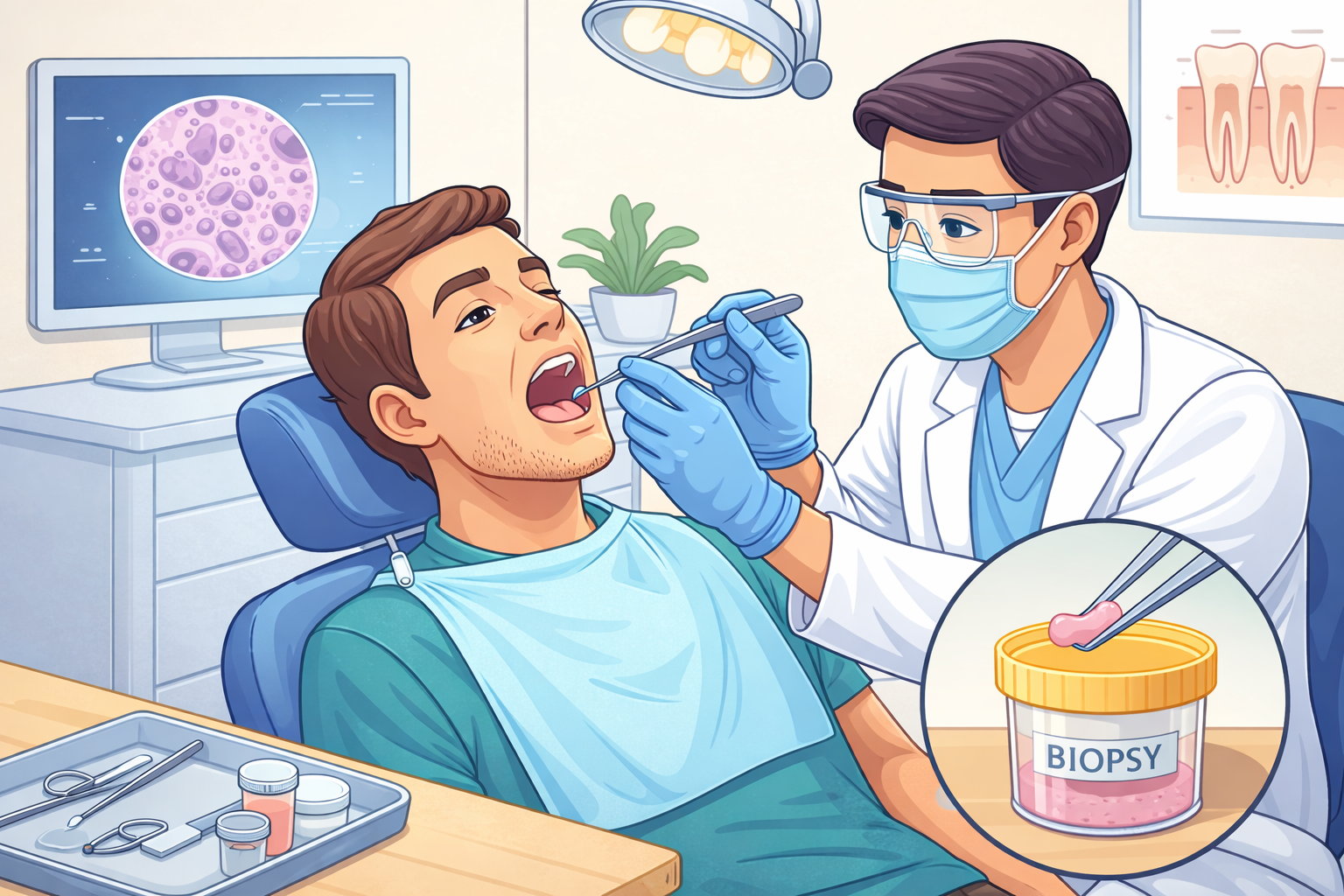
Oral pathology may sound intimidating, but it plays a critical role in identifying oral health issues early and preventing serious complications. A biopsy is one of the most important tools in this process, and it’s not always performed as a last resort.
If you’ve noticed unusual changes in your mouth—such as persistent sores, lumps, or discoloration—you may be wondering whether a biopsy is necessary. This blog explains what oral pathology is, when a biopsy is required, how the procedure works, and what you can expect afterward.
Understanding Oral Pathology and Why It Matters
Oral pathology is the study and diagnosis of diseases affecting the mouth, jaw, and related tissues. It covers a wide range of conditions, from infections and benign lesions to pre-cancerous and cancerous changes.
Why Early Diagnosis Is Important
The mouth is one of the most sensitive and complex areas of the body, and small changes can signal larger health concerns. Early detection through oral pathology can significantly improve outcomes, especially for conditions like oral cancer.
Common Signs That Something Is Wrong
Patients often ignore minor changes in the mouth, assuming they will go away on their own. However, persistent symptoms should not be overlooked. Common warning signs include:
- Sores that don’t heal within two weeks
- Unexplained lumps or bumps
- Red or white patches on the gums or tongue
- Persistent pain or numbness
- Difficulty swallowing or speaking
If you experience any of these symptoms, your oral surgeon may recommend a biopsy to determine the cause.
When a Biopsy Is Required
A biopsy is required when a suspicious area cannot be diagnosed through clinical examination alone. It provides a definitive diagnosis by allowing tissue to be examined under a microscope.
Biopsy for Persistent Lesions
If a lesion or sore persists for more than two weeks, a biopsy is often recommended. Persistent lesions can be caused by infection, irritation, or potentially pre-cancerous changes.
Biopsy for Suspicious Discoloration
White or red patches, known as leukoplakia and erythroplakia, may not cause pain but can be a sign of abnormal tissue changes. A biopsy helps determine whether the tissue is benign or pre-cancerous.
Biopsy for Unexplained Lumps
Any lump or swelling in the mouth or jaw that doesn’t resolve should be evaluated. This includes bumps on the gums, tongue, or inner cheek. A biopsy may be needed to rule out tumors or other growths.
Types of Oral Biopsies
There are different types of biopsies, and the method depends on the size and location of the lesion.
Excisional Biopsy
An excisional biopsy involves removing the entire lesion. This method is often used for smaller growths and provides both diagnosis and treatment in one procedure.
Incisional Biopsy
An incisional biopsy removes only a portion of a larger lesion. It is used when the lesion is too large to remove entirely or when it’s located in a sensitive area.
Fine Needle Aspiration (FNA)
FNA is often used for lumps in the neck or salivary glands. A thin needle collects a sample of cells for evaluation. This method is less invasive but may require follow-up if results are unclear.
What to Expect During a Biopsy Procedure
Biopsies are typically performed in a dental or oral surgery office. The procedure is usually quick and involves minimal discomfort.
Before the Procedure
Your oral surgeon will examine the area and explain the procedure. You may be asked about medical history, medications, and any allergies.
During the Procedure
Local anesthesia is used to numb the area. Depending on the biopsy type, the surgeon will remove a small sample of tissue. The sample is then sent to a lab for analysis.
After the Procedure
Mild discomfort and swelling are normal for a few days. Your surgeon will provide aftercare instructions to support healing.
Recovery and Aftercare
Following the recommended aftercare plan is essential to avoid complications and support healing.
Managing Discomfort
Pain and swelling can be managed with over-the-counter pain medication and cold compresses. In some cases, prescription medication may be provided.
Diet and Oral Hygiene
Soft foods and gentle oral hygiene are recommended for a few days. Avoid spicy or crunchy foods that may irritate the biopsy site.
Monitoring Healing
Follow-up appointments may be scheduled to check the healing process. Contact your oral surgeon if you notice excessive bleeding, severe pain, or signs of infection.
Understanding Biopsy Results
Biopsy results typically take several days to a week. Your oral surgeon will review the results with you and discuss the next steps.
Benign Results
If the biopsy indicates a benign lesion, no further treatment may be necessary. Some lesions may still require monitoring or removal if they pose future risk.
Pre-Cancerous or Cancerous Results
If the biopsy indicates abnormal tissue or cancer, early treatment is critical. Your oral surgeon will discuss treatment options, which may include surgical removal, additional testing, or referrals to specialists.
Why Oral Pathology Is a Vital Part of Oral Health
A biopsy is not a sign of alarm—it’s a diagnostic tool that protects your long-term health. Oral pathology helps identify issues early and ensures the right treatment is provided.
Regular dental checkups and early reporting of unusual symptoms can help catch issues before they progress.

7-Day Meal Plan After Wisdom Tooth Surgery Recovery
April 23, 2026
Wisdom Tooth Removal Cost Guide: 2026 Price Breakdown
February 17, 2026
Long-Term Problems Caused by Retained Wisdom Teeth
June 22, 2026
How Many Wisdom Teeth Do Most People Actually Have?
May 8, 2026

Dry Socket After Wisdom Teeth Removal: Symptoms and Prevention
December 12, 2025