What Happens When You Skip Regular Dental Checkups?
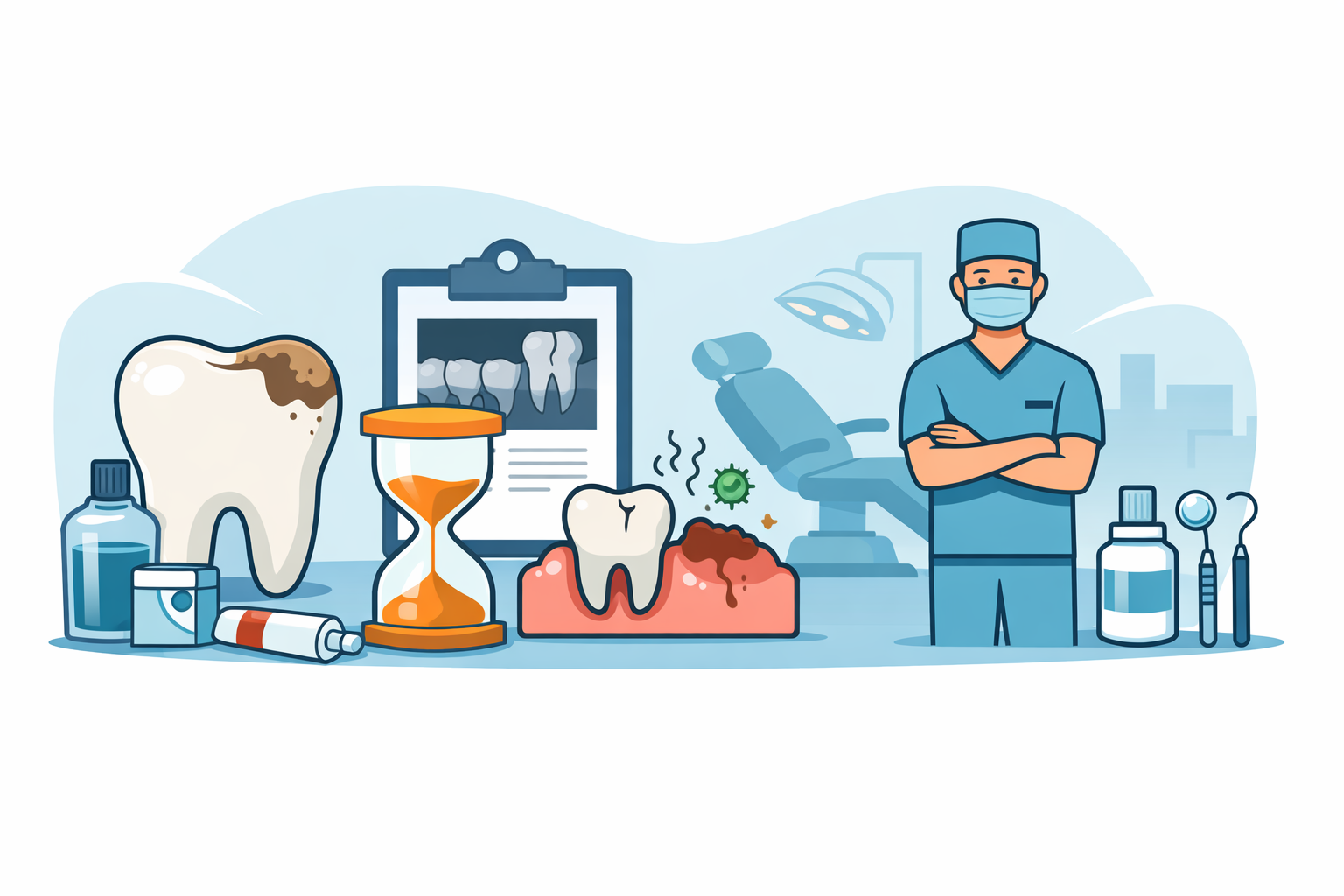
Many people postpone dental visits when their teeth feel fine. Life gets busy, schedules fill up, and it’s easy to assume that brushing and flossing at home are enough. However, skipping routine dental checkups can gradually lead to problems that become harder—and more expensive—to treat later.
Dental checkups are designed to detect issues early, often before you feel pain or notice visible symptoms. When these visits are delayed or ignored, small oral health concerns can quietly progress into more serious conditions affecting your teeth, gums, and overall health.
Understanding what happens when dental checkups are skipped can help you make better decisions about maintaining your long-term oral health.
Why Regular Dental Checkups Matter
Routine dental appointments are not just about cleaning your teeth. They are preventive health visits focused on protecting your oral health and identifying potential issues early.
During a standard dental checkup, professionals typically examine your teeth, gums, jaw, and oral tissues. They look for signs of decay, infection, gum disease, and structural problems that may not be obvious at home.
Early Detection of Dental Problems
Many oral health conditions develop slowly and without immediate symptoms. Cavities, gum disease, and infections often begin silently.
Regular checkups allow dental professionals to detect these issues early, when treatments are simpler and less invasive.
Professional Cleaning Removes Hidden Buildup
Even with good brushing habits, plaque and tartar can accumulate in hard-to-reach areas.
Professional cleanings remove hardened deposits that regular brushing cannot eliminate. Without these cleanings, bacteria continue to thrive and gradually damage the teeth and gums.
The First Problem: Plaque and Tartar Buildup
One of the earliest consequences of skipping dental visits is the accumulation of plaque.
Plaque is a sticky layer of bacteria that forms on teeth daily. When it isn’t removed properly, it hardens into tartar. Tartar cannot be removed with brushing alone and requires professional cleaning.
How Plaque Turns Into Tartar
Plaque begins forming within hours after brushing. If it remains on teeth for too long, minerals in saliva cause it to harden.
Once plaque becomes tartar, it creates a rough surface where more bacteria can attach. This leads to increased irritation along the gumline.
Effects of Long-Term Buildup
Over time, plaque and tartar buildup can cause:
- Tooth discoloration
- Persistent bad breath
- Gum irritation and inflammation
- Increased risk of cavities
Routine dental checkups help prevent these problems before they escalate.
Increased Risk of Cavities
Cavities develop when bacteria produce acids that weaken tooth enamel. Without early detection, these cavities can gradually deepen and affect inner layers of the tooth.
Skipping dental checkups allows cavities to grow unnoticed.
Small Cavities Become Larger Problems
Early cavities may only require a small filling. However, if decay progresses deeper into the tooth, more complex treatments such as crowns or root canals may be necessary.
Because early cavities often cause no pain, many people do not realize they have one until the damage becomes significant.
Tooth Pain Often Appears Late
Pain typically occurs only when decay reaches the inner pulp of the tooth, where nerves are located. By this point, treatment becomes more extensive.
Regular dental exams help detect cavities long before they cause discomfort.
Gum Disease Can Develop Quietly
Another major risk of skipping dental checkups is gum disease.
Gum disease begins as gingivitis, a mild inflammation of the gums caused by bacterial buildup. If untreated, it can progress into periodontitis, a more severe condition that damages the supporting structures of the teeth.
Early Signs of Gum Disease
Many people overlook the early warning signs, which may include:
- Bleeding gums during brushing
- Gum redness or swelling
- Persistent bad breath
- Gum tenderness
These symptoms may seem minor at first, but they can indicate underlying infection.
Advanced Gum Disease
As gum disease progresses, the gums begin to pull away from the teeth. This creates pockets where bacteria accumulate and damage surrounding bone.
Advanced gum disease can eventually lead to tooth mobility and tooth loss.
Regular dental checkups allow professionals to detect and manage gum disease before it becomes severe.
Hidden Infections May Go Undetected
Not all dental infections cause immediate symptoms. Some develop beneath the gumline or inside the tooth root, where they remain hidden for long periods.
Routine dental imaging and examinations help identify these infections early.
Tooth Abscesses
A tooth abscess is a pocket of infection that forms around the root of a tooth. Without treatment, it can cause swelling, severe pain, and damage to surrounding bone.
In some cases, untreated infections may spread beyond the mouth and affect other areas of the body.
Regular dental visits help detect early signs of infection before they become dangerous.
Tooth Loss Becomes More Likely
Skipping dental checkups significantly increases the risk of tooth loss over time.
When decay, gum disease, or infections go untreated, the damage may become too severe to save the affected tooth.
Structural Damage to Teeth
Advanced cavities can weaken tooth structure to the point where the tooth fractures or breaks.
If the damage extends below the gumline, extraction may become the only viable option.
In situations where teeth cannot be saved, modern restoration options like advanced dental implant solutions can help replace missing teeth and restore both function and appearance.
However, preserving natural teeth whenever possible remains the best outcome.
Impact on Overall Health
Oral health is closely connected to overall health. When oral infections and inflammation remain untreated, they may contribute to broader health concerns.
Research has shown links between gum disease and several systemic conditions.
Conditions Linked to Poor Oral Health
Chronic oral infections have been associated with:
- Cardiovascular disease
- Diabetes complications
- Respiratory infections
- Increased systemic inflammation
While oral health is only one factor, maintaining healthy teeth and gums can support overall wellness.
Routine dental checkups play an important role in preventing these issues.
Problems With Wisdom Teeth
Wisdom teeth often cause problems when they erupt improperly or become impacted beneath the gums.
Without routine dental monitoring, these issues may go unnoticed until pain or infection occurs.
Impacted Wisdom Teeth
Impacted wisdom teeth can push against neighboring teeth, damage surrounding structures, or trap bacteria beneath the gums.
When removal becomes necessary, procedures like safe wisdom tooth removal can prevent complications and relieve discomfort.
Regular checkups allow dentists to monitor wisdom teeth before problems develop.
Dental Issues Become More Expensive
One overlooked consequence of skipping dental checkups is the financial impact.
Preventive care is typically far less expensive than advanced dental treatments.
Preventive Care vs. Complex Treatment
A routine cleaning and exam may prevent problems that later require:
- Root canal treatment
- Dental crowns
- Gum surgery
- Tooth extraction
- Tooth replacement procedures
Early intervention often reduces both treatment time and costs.
Regular dental visits can help patients avoid unexpected dental emergencies and major procedures.
Bad Breath Can Become Persistent
Chronic bad breath, also known as halitosis, often results from bacterial buildup in the mouth.
Without professional cleaning, bacteria accumulate along the gumline, between teeth, and on the tongue.
Causes of Persistent Halitosis
Bad breath may be caused by:
- Tartar buildup
- Gum infections
- Tooth decay
- Food particles trapped between teeth
Dental checkups help remove the sources of odor and restore oral freshness.
Oral Cancer Screening Is Missed
Dental checkups also include screenings for oral cancer.
Dentists examine the lips, tongue, throat, and surrounding tissues for unusual changes or suspicious lesions.
Importance of Early Detection
When detected early, oral cancer is far more treatable.
However, when screenings are skipped, warning signs may go unnoticed until symptoms become more serious.
Routine dental visits provide an opportunity for early detection and prompt evaluation.
Preventive Care Protects Your Smile
The best way to avoid major dental problems is through consistent preventive care.
Simple habits combined with regular professional visits can keep teeth and gums healthy for many years.
Daily Habits That Support Oral Health
Maintaining oral health includes:
- Brushing teeth twice daily
- Flossing regularly
- Limiting sugary foods and drinks
- Drinking plenty of water
- Visiting a dentist regularly
These habits work together to prevent decay, gum disease, and infections.
When to Schedule Your Next Dental Visit
If it has been a long time since your last dental checkup, scheduling an appointment is an important step toward protecting your oral health.
Even if you are not currently experiencing pain or visible symptoms, preventive exams can identify early signs of dental problems.
Addressing issues early helps preserve your teeth, prevent complications, and maintain a healthy smile.
If you’re ready to prioritize your oral health, scheduling a professional evaluation can help you receive the care and guidance you need.
Conclusion
Skipping dental checkups may seem harmless at first, especially when there are no obvious symptoms. However, oral health problems often develop quietly and worsen over time without professional care.
Regular dental visits allow dentists to detect early signs of decay, gum disease, infections, and other oral conditions before they become serious. These preventive appointments protect both your oral health and overall well-being.
By staying consistent with dental checkups and maintaining good daily oral hygiene habits, you can prevent many common dental problems and preserve a healthy, confident smile for years to come.

Simple Tips to Keep Your Breath Fresh All Day
April 20, 2026
What Really Happens If You Don’t Remove Problem Wisdom Teeth
January 16, 2026
How to Avoid Dental Problems After a Tooth Extraction
December 17, 2025

The Best Daily Oral Hygiene Routine for Busy Adults
May 8, 2026
Oral Surgery Sedation Explained in Simple Terms
May 7, 2026