How Sugar Damages Teeth More Than You Think
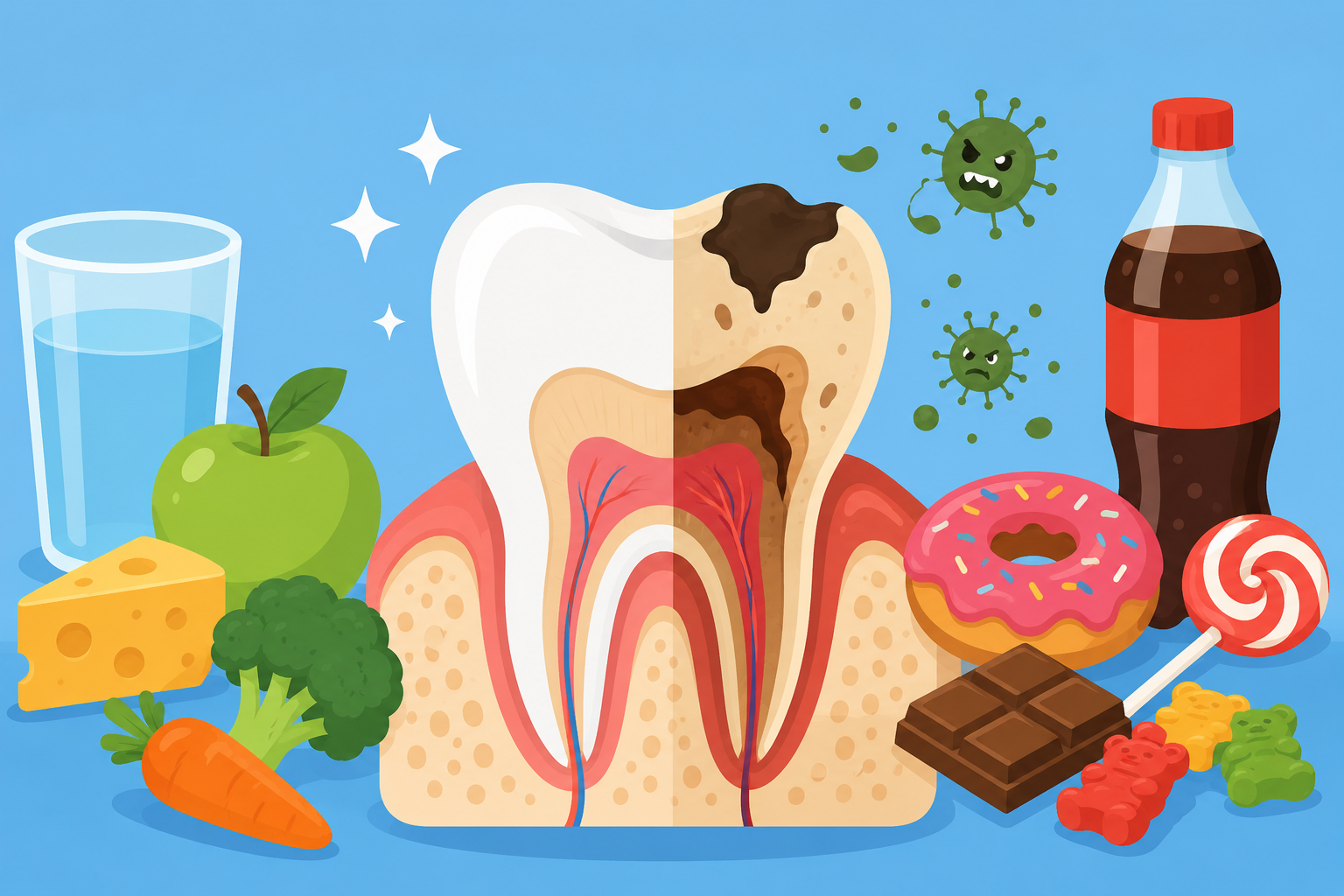
Sugar is one of the biggest threats to long-term oral health, yet many people still underestimate how quickly it can damage teeth and gums. From sugary coffee drinks to sports beverages and late-night snacks, sugar hides in more foods than most people realize.
The problem is not just the sugar itself. What really harms your teeth is the chain reaction sugar creates inside your mouth. When bacteria feed on sugar, they produce acids that slowly weaken enamel, irritate gums, and increase the risk of cavities and infections.
Over time, even small daily habits can lead to serious dental problems if sugar consumption is left unchecked. Understanding exactly how sugar affects your teeth can help you make smarter choices and protect your smile for the long run.
What Happens When You Eat Sugar?
Every mouth naturally contains bacteria. Some bacteria are harmless, while others contribute to plaque buildup and tooth decay.
When you eat sugary foods or drink sweet beverages, those bacteria feed on the sugar particles left behind on your teeth. As they digest the sugar, they release acids that attack the enamel — the hard outer layer that protects your teeth.
This acid attack can begin within minutes after eating.
If sugar exposure happens repeatedly throughout the day, your enamel does not have enough time to recover. Over time, this creates the perfect environment for cavities, sensitivity, and gum disease.
Why Sugar Is So Harmful to Tooth Enamel
Tooth enamel is incredibly strong, but it is not indestructible. Acid produced by bacteria slowly removes minerals from the enamel in a process called demineralization.
Enamel Cannot Regrow
Unlike skin or bone, enamel does not regenerate once it is significantly damaged.
Early enamel weakening may appear as:
- White spots on teeth
- Increased sensitivity
- Rough tooth surfaces
- Mild discoloration
As the damage progresses, cavities begin forming beneath the surface.
Frequent Sugar Exposure Is the Bigger Problem
Many people assume large amounts of sugar are the main issue, but frequency matters even more.
For example, sipping soda throughout the day is often worse than eating a dessert during one meal. Every sip restarts the acid attack on your enamel.
The more often your teeth are exposed to sugar, the longer harmful bacteria stay active.
How Cavities Actually Form
Cavities develop gradually, not overnight.
Stage 1: Plaque Buildup
Plaque is a sticky bacterial film that constantly forms on teeth. Sugar feeds the bacteria living inside plaque.
If plaque is not removed through brushing and flossing, it thickens and becomes more aggressive.
Stage 2: Acid Erosion
Bacteria begin producing acids that weaken enamel. At first, the damage may not be visible or painful.
Stage 3: Tooth Decay
Eventually, the enamel breaks down enough for bacteria to enter deeper layers of the tooth. Once decay reaches the dentin, sensitivity and pain become more noticeable.
Without treatment, cavities continue spreading and may eventually infect the tooth nerve.
Sugary Drinks Are Especially Dangerous
Many people focus on candy and desserts while overlooking liquid sugar.
Sugary drinks are among the most damaging substances for teeth because they coat the mouth quickly and often contain acids as well.
Common high-risk drinks include:
- Soda
- Energy drinks
- Sweetened coffee
- Sports drinks
- Fruit juice
- Sweet tea
Drinks are even more harmful when consumed slowly over long periods.
Acid and Sugar Together Create Double Damage
Soft drinks are particularly destructive because they combine sugar with acidic ingredients.
This means your teeth are dealing with:
- Acid from the beverage itself
- Acid created by bacteria feeding on sugar
That combination accelerates enamel erosion much faster.
Sticky Sugary Foods Cause Longer Exposure
Not all sugar affects teeth equally.
Sticky foods cling to enamel longer, giving bacteria more time to produce harmful acids.
Some of the worst offenders include:
- Gummies
- Caramel
- Dried fruit
- Hard candy
- Taffy
Even seemingly healthy snacks like raisins can contribute to decay when they remain trapped between teeth.
Sugar Also Affects Gum Health
Sugar does not only damage teeth. It also contributes to gum inflammation.
Excess plaque buildup along the gumline can irritate gum tissue and lead to gingivitis, the earliest stage of gum disease.
Common warning signs include:
- Bleeding gums
- Swelling
- Redness
- Persistent bad breath
If untreated, gum disease can progress into more advanced periodontal problems. Many patients experiencing heavy plaque accumulation eventually notice gum disease warning signs before realizing their oral hygiene needs professional attention.
The Link Between Sugar and Overall Health
Poor oral health does not stay isolated in the mouth.
Chronic inflammation caused by gum disease has been associated with several systemic health conditions, including cardiovascular disease and diabetes complications.
Excessive sugar consumption can indirectly increase these risks by worsening oral bacteria and inflammation levels. Understanding the relationship between oral and heart disease can help people see why dental care is about much more than just avoiding cavities.
Hidden Sugars Most People Miss
Many foods marketed as “healthy” still contain large amounts of sugar.
Common hidden sugar sources include:
- Granola bars
- Yogurt
- Protein drinks
- Breakfast cereal
- Bottled smoothies
- Pasta sauce
Reading nutrition labels carefully can help reduce unnecessary sugar exposure.
Ingredients ending in “-ose” often indicate added sugars, such as:
- Glucose
- Fructose
- Sucrose
- Maltose
Why Nighttime Sugar Is Worse for Teeth
Eating sugary foods late at night can be particularly damaging.
During sleep, saliva production naturally decreases. Saliva helps neutralize acids and wash away food particles.
Without enough saliva, bacteria remain active longer overnight.
Going to bed without brushing after consuming sugar gives plaque bacteria several uninterrupted hours to attack enamel and gums.
How Saliva Protects Teeth
Saliva plays a major role in defending your mouth against sugar damage.
It helps:
- Neutralize acids
- Wash away food particles
- Deliver minerals to enamel
- Reduce bacterial activity
Dry mouth conditions increase cavity risk because there is less saliva available to protect the teeth.
Staying hydrated throughout the day supports healthier saliva production.
Children and Sugar Consumption
Children are especially vulnerable to sugar-related tooth decay.
Baby teeth have thinner enamel than adult teeth, making them more susceptible to acid damage.
Frequent exposure to juice, candy, flavored milk, or sugary snacks can quickly lead to cavities in children.
Common Childhood Sugar Habits That Harm Teeth
Parents should watch for habits like:
- Sleeping with juice bottles
- Frequent candy rewards
- Sticky fruit snacks
- Constant sipping on sweet drinks
Teaching children healthy brushing habits early makes a major difference in long-term oral health.
Can Natural Sugars Damage Teeth Too?
Yes. Natural sugars can still contribute to tooth decay.
Foods like honey, fruit juice, and dried fruits contain sugars that bacteria can feed on just like processed sugar.
However, whole fruits are generally less harmful because:
- They contain water
- They stimulate saliva
- They provide fiber
- They do not stick to teeth as easily
The issue is usually concentrated or prolonged sugar exposure rather than moderate whole fruit consumption.
How to Reduce Sugar Damage Without Giving Up Everything
You do not need to eliminate sugar completely to protect your teeth.
The goal is reducing frequency and improving oral hygiene habits.
Eat Sugary Foods With Meals
Eating sugar during meals is less harmful than frequent snacking because saliva production increases during meals.
Drink Water After Sugar
Water helps rinse away sugar particles and dilute acids.
Avoid Constant Snacking
Giving your teeth time between sugar exposure allows enamel to recover.
Brush and Floss Consistently
Good oral hygiene removes plaque before bacteria cause serious damage.
Choose Tooth-Friendly Foods
Certain foods actively support enamel health and reduce acid activity. Learning more about healthy foods can help balance your diet while protecting your teeth naturally.
What Happens If Tooth Decay Becomes Severe?
When cavities are ignored, bacteria may eventually reach the inner pulp of the tooth and create serious infections.
Advanced decay sometimes requires:
- Root canals
- Tooth extractions
- Dental implants
- Oral surgery
Some patients become nervous when treatment reaches this stage and worry about pain or sedation. Understanding how patients are comfortable during surgery often helps ease anxiety around advanced dental procedures.
The best approach is prevention before major treatment becomes necessary.
Best Daily Habits to Protect Teeth From Sugar
Building consistent habits is the most effective way to minimize sugar-related damage.
Brush Twice Daily
Use fluoride toothpaste and brush for at least two minutes.
Floss Every Day
Floss removes sugar particles and plaque between teeth where brushes cannot reach.
Limit Sugary Drinks
Water is always the safest choice for oral health.
Visit Your Dentist Regularly
Professional cleanings remove tartar that brushing alone cannot eliminate.
Pay Attention to Early Symptoms
Sensitivity, bleeding gums, and persistent bad breath often indicate developing problems.
The Truth About Sugar-Free Products
Sugar-free products are not always harmless.
Some acidic sugar-free drinks can still weaken enamel even without sugar. Additionally, certain artificial sweeteners may encourage cravings for sweet foods.
That said, sugar-free gum containing xylitol may actually help reduce cavity-causing bacteria and stimulate saliva production.
Why Prevention Always Costs Less
Small daily habits have a huge impact on oral health over time.
Preventive care is far less expensive and less invasive than treating advanced decay or gum disease later.
Regular checkups help identify early enamel damage before it becomes painful or costly.
If you have noticed sensitivity, plaque buildup, or signs of tooth decay, you can easily schedule dental evaluation before minor issues become more serious.
Frequently Asked Questions
Does sugar directly cause cavities?
Sugar itself does not create cavities directly. Cavities form when bacteria feed on sugar and produce acids that damage enamel.
Are sugary drinks worse than candy?
Often, yes. Sugary drinks coat the mouth quickly and frequently contain acids that accelerate enamel erosion.
How long does sugar stay on teeth?
Sugar particles may remain in the mouth for hours if teeth are not cleaned properly.
Can brushing immediately after sugar help?
Brushing helps remove plaque and sugar, but after acidic drinks it is better to wait about 30 minutes before brushing.
Are natural sugars safer for teeth?
Natural sugars can still contribute to cavities, especially in sticky or concentrated forms.
How can I reduce sugar damage quickly?
Drink more water, brush consistently, floss daily, and reduce frequent snacking between meals.
What foods help strengthen teeth?
Foods rich in calcium, phosphorus, and fiber help support enamel and oral health.
Can cavities heal naturally?
Early enamel weakening may improve through remineralization, but actual cavities usually require professional treatment.
Can You Drink Coffee After Wisdom Tooth Removal?
February 24, 2026
Do You Need a Simple or Surgical Extraction?
March 3, 2026
Is Jaw Surgery Covered by Insurance?
January 5, 2026
Mouthwash and Wisdom Teeth: What Really Works
December 16, 2025
Best Drinks to Have After Wisdom Tooth Extraction
March 6, 2026