Oral Surgery Sedation Explained in Simple Terms

If you’ve ever heard you might be “put to sleep” for oral surgery, it’s normal to feel nervous or unsure about what that entails. This phrase generally refers to general anesthesia, which ensures you remain unconscious and pain-free during procedures. Knowing how it works, safety considerations, and what to expect before, during, and after surgery can help ease anxiety and prepare you for a smoother recovery.
Whether you’re planning a wisdom teeth extraction or exploring dental implants, understanding the anesthesia process is an important step for a safe, comfortable surgical experience.
Understanding General Anesthesia in Oral Surgery
General anesthesia is a medically induced state of controlled unconsciousness, designed to eliminate pain and awareness during surgical procedures. Unlike local anesthesia, which numbs a specific area, general anesthesia affects your entire body temporarily.
How Anesthesia Works
Medications are administered intravenously (IV) or inhaled through a mask, interacting with the nervous system to ensure you are completely unconscious. Trained anesthesia professionals continuously monitor vital signs—heart rate, oxygen levels, and blood pressure—while the surgeon focuses on the procedure.
Why It’s Used
Oral surgeons recommend general anesthesia for procedures that are invasive, lengthy, or require precision. These include:
- Wisdom teeth removal
- Multiple dental implants
- Jaw surgery or bone grafting
It also benefits patients with dental anxiety or a low pain threshold, allowing the surgeon to perform the procedure efficiently and safely.
Levels of Sedation: Minimal to Deep
Not every procedure requires full general anesthesia. There are various levels of sedation, each suited to specific needs:
Minimal Sedation
Often called laughing gas, minimal sedation relaxes the patient while keeping them fully awake. It’s useful for minor dental work or patients who prefer to stay conscious.
Moderate Sedation
Also known as conscious sedation, this level makes patients drowsy and less aware of the procedure. You may respond to verbal cues but have limited memory afterward. Moderate sedation is often used for multi-tooth extractions or more involved procedures.
Deep Sedation and General Anesthesia
Deep sedation and general anesthesia render patients fully unconscious. These are typically recommended for complex procedures like multiple dental implants or advanced oral surgery. The surgical team closely monitors vital signs to ensure safety throughout the procedure.
Preparing for Anesthesia
Preparation is key for a safe anesthesia experience. Common instructions include:
- Fasting for a specific period before surgery
- Avoiding alcohol, tobacco, or certain medications
- Arranging transportation since driving post-surgery is unsafe
A pre-surgery consultation allows your oral surgeon to review medical history, previous anesthesia reactions, and discuss the procedure details.
During the Procedure
Once anesthesia is administered, monitors track heart rate, blood pressure, oxygen levels, and breathing. This ensures patient safety while the oral surgeon performs the procedure efficiently, whether it’s a wisdom teeth extraction or implant placement. General anesthesia allows for precise, uninterrupted surgery.
Recovery After Being “Put to Sleep”
Recovery begins in the surgical area, where patients are monitored as anesthesia wears off. Common experiences include:
- Drowsiness or grogginess
- Mild nausea or dizziness
- Temporary confusion or memory gaps
Patients are usually discharged when vital signs stabilize and they are alert. Arranging a companion is necessary for safe transport.
At-Home Care
Post-operative care may include:
- Eating soft foods and avoiding hard or hot foods
- Following prescribed medication for pain or infection prevention
- Maintaining proper hygiene at the surgical site
Recovery timelines vary based on the procedure. For example, healing from dental implants may take longer than a single tooth extraction. Following instructions closely improves comfort and ensures proper healing.
Safety Considerations
Modern anesthesia is extremely safe when administered by trained professionals. Risks are low but may include:
- Allergic reactions
- Temporary nausea or vomiting
- Sore throat from breathing tubes
Oral surgeons take precautions to minimize risks, including detailed pre-surgery assessments and continuous monitoring during surgery. Patients with chronic conditions or special medical needs are evaluated individually.
Benefits of Being “Put to Sleep”
Being under anesthesia provides several advantages:
- Reduced Anxiety: Patients with dental phobia can undergo procedures comfortably.
- Efficiency: Surgeons can complete complex procedures without interruption.
- Safety: Eliminates sudden movements that could cause complications.
- Comfort: Pain-free surgery ensures better patient experience.
For patients undergoing more extensive procedures, such as dental implants or wisdom teeth removal, anesthesia makes a significant difference in overall comfort and recovery.
Common Questions About Anesthesia
Will I Remember the Surgery?
Deep sedation or general anesthesia results in no memory of the procedure. Moderate sedation may leave minimal recollection.
How Long Will I Be “Asleep”?
Procedure length varies. Minor extractions may take under an hour, while multiple implants or jaw surgeries may take longer.
Is Anesthesia Safe for Everyone?
Most healthy patients are candidates, but age, medical conditions, and prior anesthesia reactions are considered carefully to ensure safety.
Final Thoughts
Understanding what it means to be “put to sleep” for oral surgery helps transform anxiety into confidence. From wisdom teeth extractions to dental implants, anesthesia allows procedures to be performed safely, efficiently, and comfortably. Following pre- and post-operative instructions, attending consultations, and asking questions ensures the best experience and outcomes.

What Is an Odontectomy? A Clear Guide to Wisdom Tooth Surgery
February 26, 2026
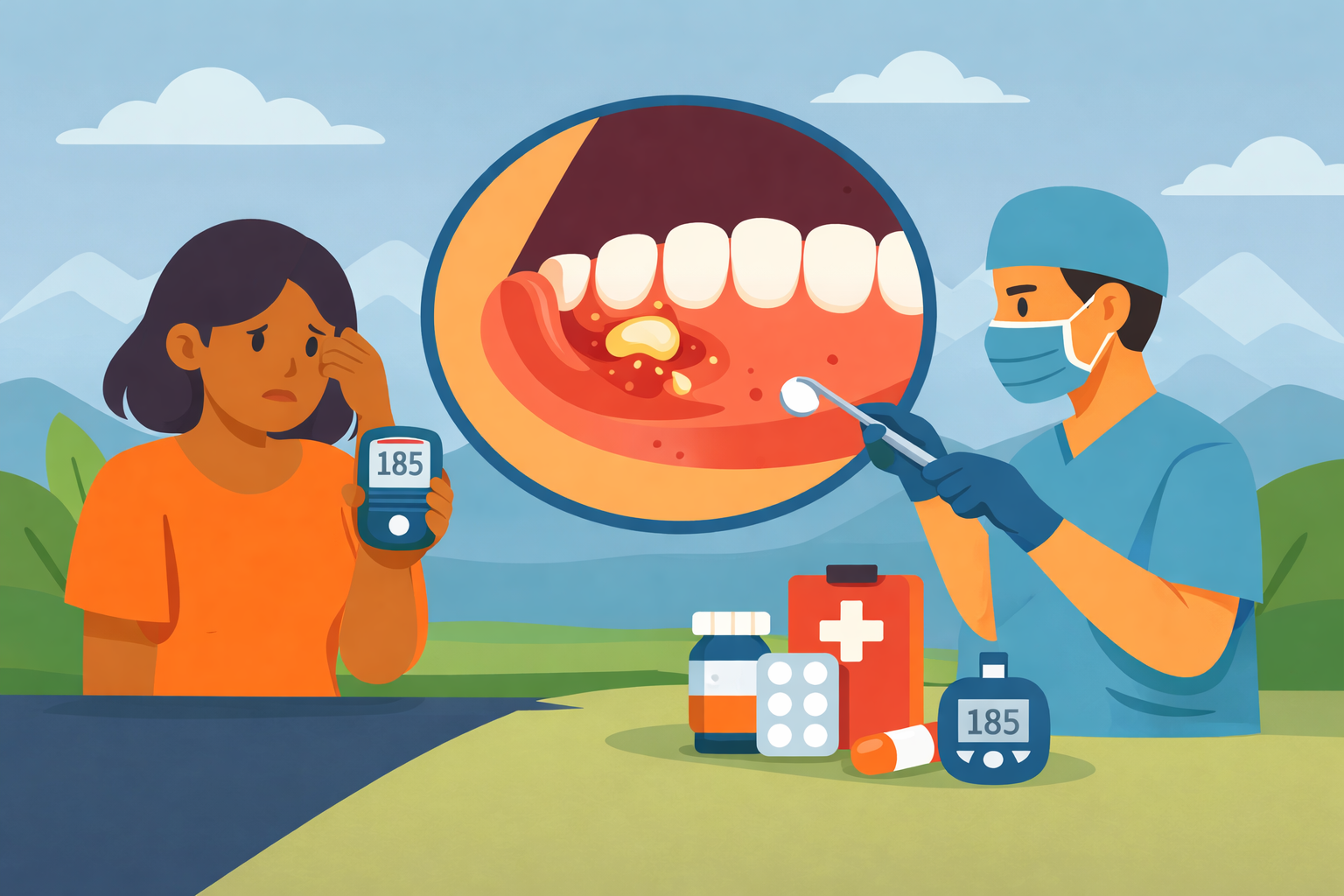
Signs of Infection After Oral Surgery in Diabetic Patients
January 6, 2026

Main Cause of Delayed Wisdom Tooth Removal
March 26, 2026
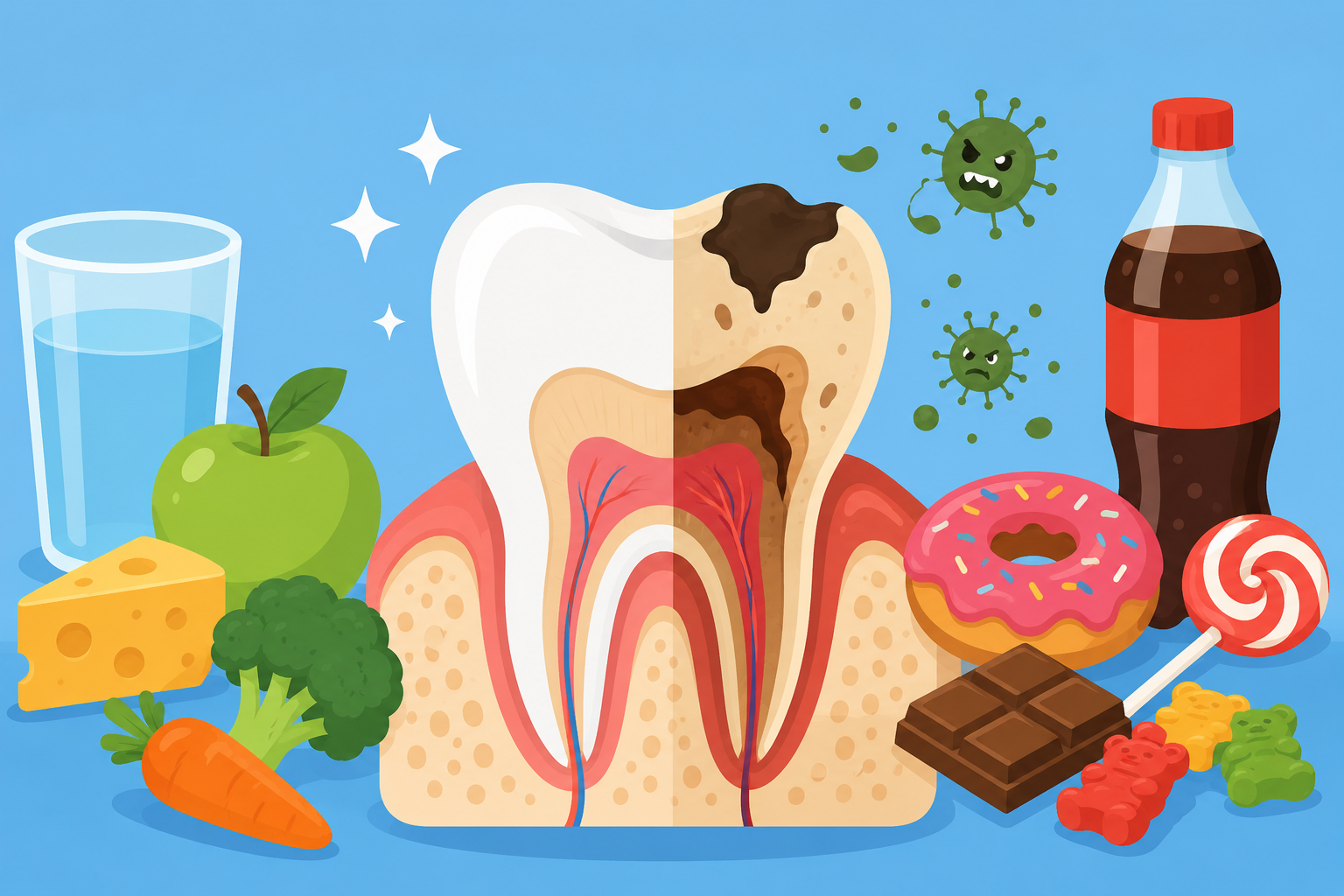
How Sugar Damages Teeth More Than You Think
May 12, 2026
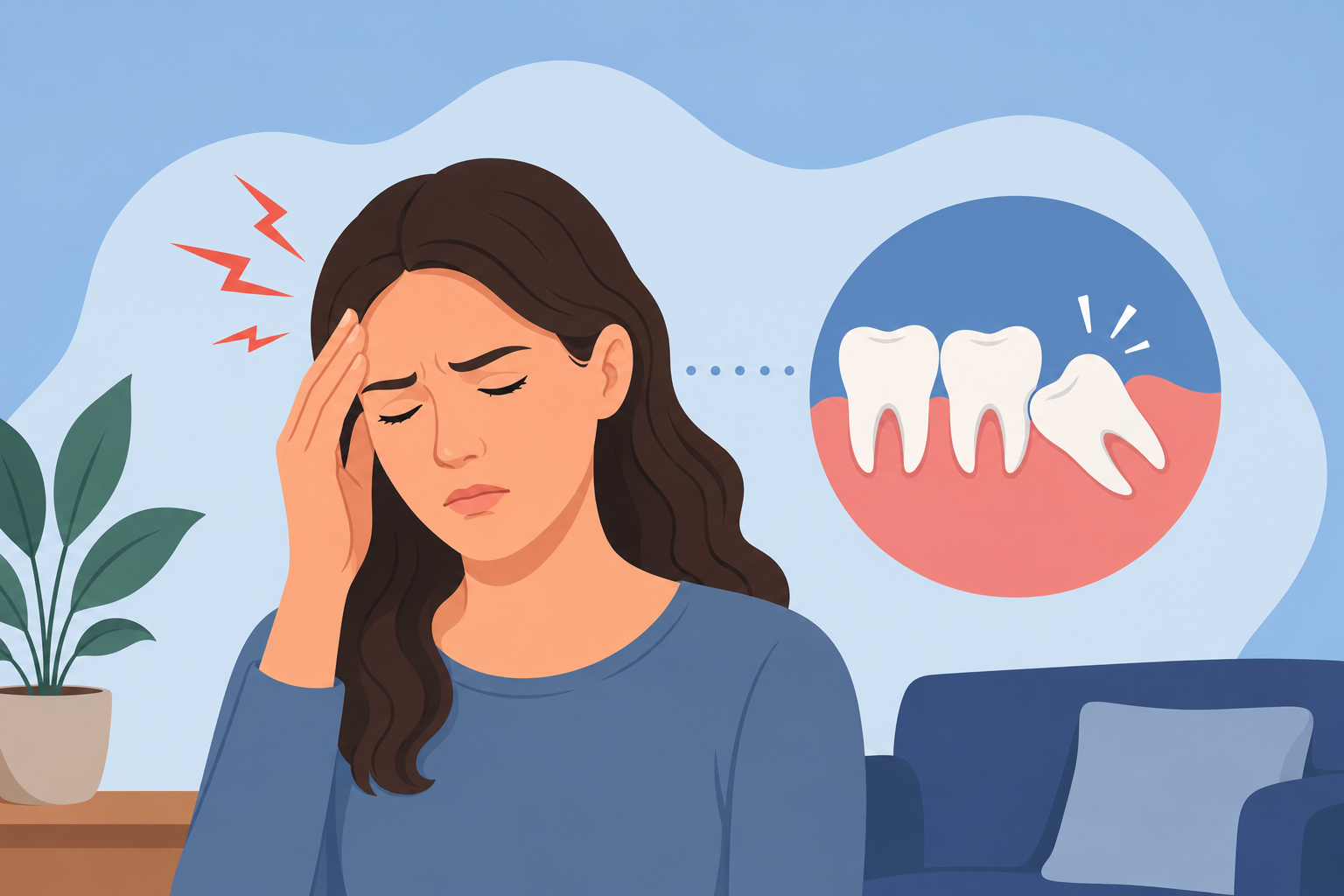
Can Wisdom Teeth Trigger Chronic Headaches?
May 25, 2026