Oral Health and Heart Disease: What to Know
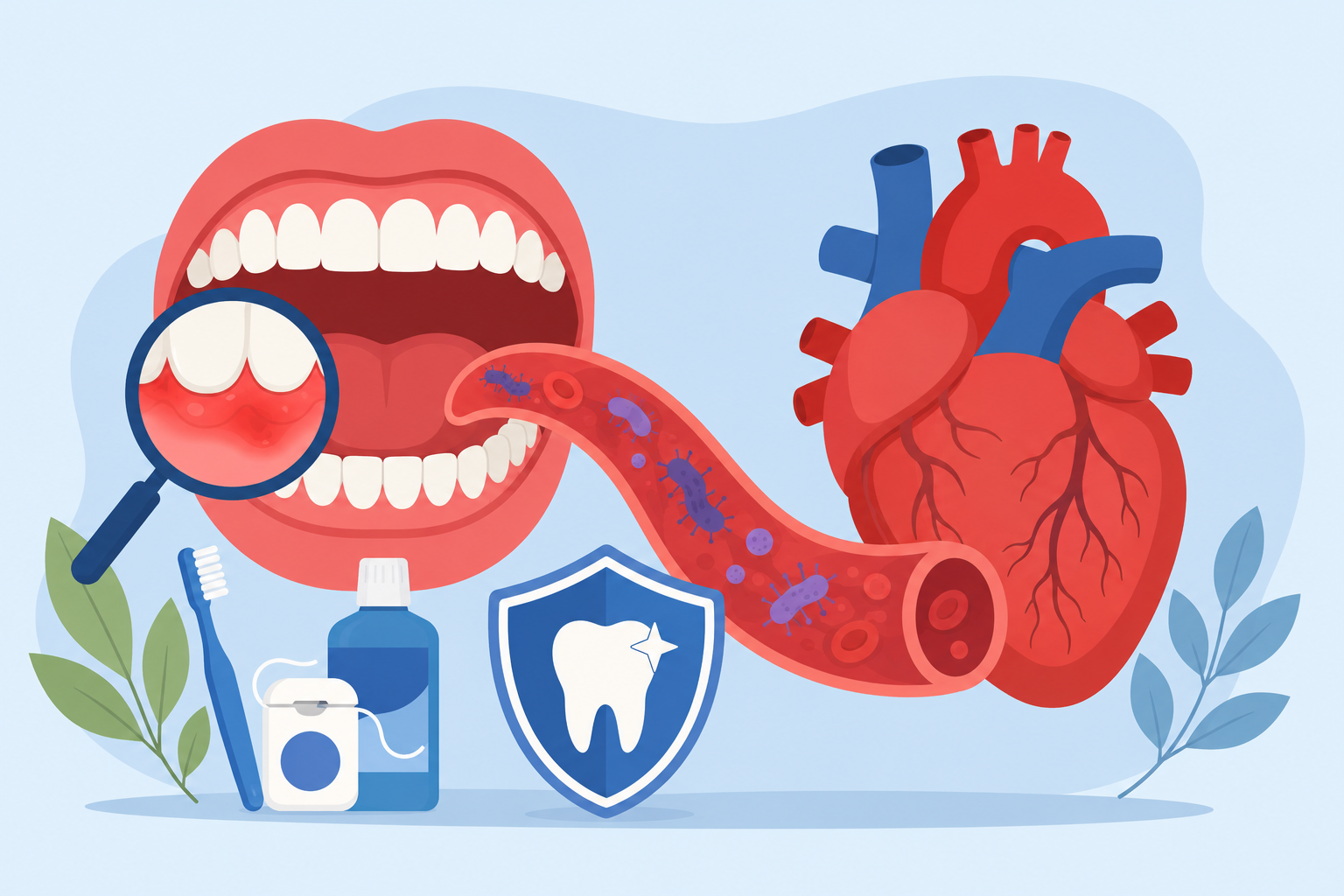
Your mouth does more than help you speak, chew, and smile. It can also offer important clues about your overall health, including your heart health. While brushing and flossing may not seem connected to your cardiovascular system, research continues to show a meaningful link between oral health and heart disease.
The connection is not as simple as “bad teeth cause heart attacks.” Instead, it involves gum inflammation, oral bacteria, blood vessel health, and the way chronic infection can affect the body over time. In other words, your gums may be telling you more than you think.
Understanding this connection can help you take better care of both your smile and your heart.
How Oral Health and Heart Disease Are Connected
Oral health and heart disease are connected largely through inflammation and bacteria. When your gums are healthy, they form a protective seal around your teeth. When gum disease develops, that seal can weaken, allowing bacteria to collect below the gumline.
Over time, inflamed gums may bleed easily. That creates an opportunity for oral bacteria to enter the bloodstream. Once there, these bacteria may contribute to inflammation throughout the body, including in the blood vessels.
The American Heart Association notes that gum disease is linked with a higher risk of heart and blood vessel disease, although that does not prove gum disease directly causes heart disease. (www.heart.org)
This distinction matters. Oral health is one part of a bigger picture that includes blood pressure, cholesterol, diabetes, smoking, diet, exercise, genetics, and medical history.
What Gum Disease Actually Does to the Body
Gum disease, also called periodontal disease, is an infection and inflammation of the tissues that support your teeth. It often starts as gingivitis, which causes red, swollen, or bleeding gums. At this stage, it is usually treatable with better oral hygiene and professional cleanings.
If gingivitis progresses, it can become periodontitis. This more advanced form can damage gum tissue and bone, leading to loose teeth, tooth loss, and long-term inflammation. The CDC describes periodontal disease as inflammation and infection of the gum and bone tissues that surround and support the teeth. (CDC)
That ongoing inflammation is one reason researchers pay close attention to gum health. Chronic inflammation is also involved in many cardiovascular conditions, including atherosclerosis, where plaque builds up inside the arteries.
Why Inflammation Matters for Heart Health
Inflammation is your body’s defense system at work. When you get a cut or infection, inflammation helps fight germs and repair tissue. But when inflammation does not shut off, it can become harmful.
Advanced gum disease can keep the immune system activated for long periods. This may add to the body’s overall inflammatory burden. In people who already have cardiovascular risk factors, that extra inflammation may matter.
Harvard Health reported in 2026 that studies continue to suggest links between gum disease and increased risk of heart attack, stroke, atrial fibrillation, and other cardiovascular problems. (Harvard Health)
That does not mean treating gum disease replaces heart medication, a healthy diet, or regular medical care. It means gum health should be viewed as part of whole-body prevention.
Can Oral Bacteria Affect the Heart?
The mouth contains hundreds of types of bacteria. Many are harmless when oral hygiene is good and the gums are healthy. Problems begin when plaque builds up and bacteria multiply around the gumline.
As gum tissue becomes irritated, pockets can form between the teeth and gums. These pockets trap bacteria and make cleaning harder. In some cases, bacteria or bacterial byproducts may enter the bloodstream.
For most healthy people, the immune system handles this well. But for people with certain heart conditions, oral bacteria can rarely contribute to serious infections. This is why some patients may need antibiotics before specific dental procedures, but only when recommended by a dentist or physician.
The key point is simple: keeping oral bacteria under control helps reduce unnecessary strain on the body.
Signs Your Gums Need Attention
Gum disease can be quiet at first. Some people do not notice symptoms until it has already progressed. That is why routine dental visits are important, even when your teeth feel fine.
Common warning signs include:
Bleeding Gums
If your gums bleed when brushing or flossing, do not ignore it. Occasional irritation can happen, but frequent bleeding is often a sign of inflammation.
Persistent Bad Breath
Bad breath that does not improve with brushing may be linked to bacteria below the gumline, dry mouth, cavities, or infection.
Red, Swollen, or Tender Gums
Healthy gums usually look firm and pink. Puffy, painful, or dark red gums may signal gum disease.
Receding Gums
If your teeth look longer than they used to, your gums may be pulling away from the teeth. This can expose sensitive root surfaces and create spaces where bacteria collect.
Loose Teeth or Bite Changes
Advanced gum disease can damage the bone supporting your teeth. Loose teeth, shifting teeth, or changes in how your bite fits together should be evaluated promptly.
Who Is at Higher Risk?
Some people are more likely to develop both gum disease and heart disease because the two conditions share several risk factors.
Smoking, diabetes, poor nutrition, stress, age, and limited access to preventive care can all affect oral and cardiovascular health. The CDC also notes that adults with chronic diseases such as diabetes or heart disease may have an increased risk of missing teeth and poor oral health. (CDC)
Diabetes is especially important. High blood sugar can weaken the body’s ability to fight infection, making gum disease more likely and harder to control. At the same time, gum inflammation can make overall health management more complicated.
This is why dentists, physicians, and specialists often work best as a team.
Does Treating Gum Disease Prevent Heart Disease?
This is one of the most common questions patients ask. The honest answer is that treating gum disease is good for your mouth and may improve markers of inflammation, but it has not been proven to prevent heart attacks or strokes on its own.
That said, treating gum disease still matters.
Healthy gums make it easier to eat comfortably, maintain strong teeth, reduce oral infection, and avoid tooth loss. They may also support better overall inflammatory balance, which is helpful for people managing cardiovascular risk.
Think of oral care as one layer of prevention. It does not replace cardiology care, but it belongs in the same health conversation.
Daily Habits That Support Your Mouth and Heart
The good news is that many oral health habits are simple, affordable, and effective when done consistently. Small daily choices can make a measurable difference over time.
Brush Twice a Day
Brush for two minutes at least twice daily with fluoride toothpaste. Focus on the gumline, not just the chewing surfaces of your teeth.
Use gentle pressure. Scrubbing too hard can irritate your gums and wear down enamel.
Clean Between Your Teeth
Flossing or using interdental brushes helps remove plaque from places your toothbrush cannot reach. If floss feels difficult, try floss picks, water flossers, or small brushes designed for tight spaces.
The best method is the one you will actually use every day.
Stay Consistent With Dental Visits
Professional cleanings remove hardened plaque that brushing cannot. They also allow your dental team to spot gum disease early, before it becomes more complex.
For many people, twice-yearly visits are enough. Patients with gum disease, diabetes, heart concerns, or a history of oral surgery may need a more personalized schedule.
If you have been postponing care, a dental visit is a practical next step toward protecting your oral health.
Eat With Your Gums in Mind
A heart-conscious diet often supports oral health too. Foods rich in fiber, lean protein, calcium, and vitamins help support gum tissue and overall wellness.
Try to limit frequent snacking on sugary or refined carbohydrates. These foods feed plaque bacteria and increase the risk of cavities and gum irritation.
Avoid Tobacco
Smoking and other tobacco use can damage gum tissue, reduce healing, stain teeth, and increase the risk of oral cancer. Tobacco is also a major risk factor for heart disease.
Quitting is one of the most powerful steps you can take for both your mouth and your cardiovascular health.
Oral Surgery, Healing, and Heart-Conscious Care
Oral surgery patients often ask whether recovery habits can affect their overall health. The answer is yes. Healing well after a procedure depends on inflammation control, infection prevention, nutrition, and following post-operative instructions.
For example, people who are physically active may need to temporarily adjust their routines after treatment. Returning to strenuous activity too soon can increase bleeding, swelling, or discomfort, which is why it helps to understand exercise after surgery before jumping back into workouts.
Pain control also matters. Some patients prefer to limit medication when possible, while others need a structured plan based on their procedure and medical history. Safe comfort strategies, including cold therapy, rest, elevation, and careful eating, can make recovery smoother. Patients interested in pain without medication should always follow their provider’s guidance.
When dental implants are part of a treatment plan, long-term maintenance becomes especially important. Implants need healthy gum tissue and consistent hygiene, just like natural teeth. Knowing how to protect dental implants long-term can help preserve both function and confidence.
Wisdom Teeth, Infection, and Overall Health
Wisdom teeth can also influence oral health when they become impacted, partially erupted, or difficult to clean. Food and bacteria may collect around them, increasing the risk of swelling, gum infection, cavities, and pain.
Not every wisdom tooth needs removal. Some erupt normally and remain healthy. But when they repeatedly cause inflammation or infection, they may affect more than local comfort.
The broader point is that untreated oral infections should not be ignored. Whether the issue involves gums, wisdom teeth, or another source of inflammation, timely care can prevent small problems from becoming larger ones.
What to Tell Your Dentist About Your Heart Health
Your dental team should know about your full medical history, especially if you have heart disease or risk factors. This helps them plan safe, personalized care.
Be sure to mention:
Current Heart Conditions
Tell your dentist if you have a history of heart valve disease, congenital heart conditions, heart surgery, stents, heart attack, stroke, or atrial fibrillation.
Medications
Blood thinners, blood pressure medications, cholesterol medications, and diabetes medications can all affect dental planning.
Some medications may also cause dry mouth, which increases the risk of cavities and gum problems.
Blood Pressure Concerns
Some dental offices check blood pressure before procedures. This can help identify elevated readings that may need follow-up with a physician.
Past Reactions to Dental Treatment
If you have had unusual bleeding, fainting, anxiety, delayed healing, or medication reactions, share that information before treatment begins.
Good communication helps your dental and medical providers work together safely.
What Patients Often Misunderstand
A lot of confusion surrounds the mouth-heart connection. Some people assume one bad tooth can directly damage the heart. Others assume oral health has nothing to do with the rest of the body.
The truth is more balanced.
No single tooth is “connected” to the heart in a direct way. The concern is not about one specific tooth, but about infection, bacteria, inflammation, and how the body responds over time.
It is also important not to panic. Gum bleeding does not mean heart disease is around the corner. But it does mean your gums need attention.
Oral health is not a shortcut to perfect heart health, but it is a meaningful part of preventive care.
When to Schedule an Evaluation
You should schedule a dental or oral surgery evaluation if you notice bleeding gums, gum recession, persistent bad breath, swelling, loose teeth, tooth pain, or signs of infection.
You should also seek care if you have wisdom tooth discomfort, dental implant concerns, or a medical condition that makes oral infections more serious.
Early treatment is usually easier, more comfortable, and less invasive than waiting until symptoms become severe.
If you already have heart disease, diabetes, or high blood pressure, do not wait for pain before prioritizing your oral health. Preventive care is often the smartest approach.
A Healthier Mouth Supports a Healthier You
The link between oral health and heart disease is rooted in inflammation, bacteria, and whole-body wellness. While gum disease has not been proven to directly cause heart disease, it is clearly connected to cardiovascular risk in ways worth taking seriously.
Healthy gums are not just about a better smile. They help protect your teeth, reduce infection risk, and support your overall health.
By brushing well, cleaning between your teeth, avoiding tobacco, keeping dental appointments, and sharing your medical history with your dental team, you can take practical steps that benefit both your mouth and your heart.
FAQ
Can gum disease cause heart disease?
Gum disease is linked to a higher risk of heart and blood vessel disease, but research has not proven that it directly causes heart disease. The connection appears to involve inflammation and bacteria entering the bloodstream.
Can a tooth infection affect the heart?
In rare cases, oral bacteria can enter the bloodstream and contribute to serious infection in people with certain heart conditions. Any dental infection should be evaluated promptly, especially if you have a known heart issue.
Does flossing help protect heart health?
Flossing helps reduce plaque and gum inflammation, which supports oral health. While flossing alone is not proven to prevent heart disease, it is a valuable habit within a broader prevention routine.
How often should I see a dentist if I have heart disease?
Many patients benefit from routine visits every six months, but some need more frequent care depending on gum health, medications, diabetes status, and medical history. Your dentist can recommend the right schedule.
Should heart patients take antibiotics before dental work?
Most people do not need antibiotics before dental procedures. However, patients with certain heart conditions may need them. Always ask your dentist, oral surgeon, or physician before treatment.
What are the first signs of gum disease?
Early signs include bleeding gums, redness, swelling, tenderness, persistent bad breath, and gum sensitivity. Gum disease can be painless at first, so routine dental exams are important.
Can improving oral health lower inflammation?
Treating gum disease may help reduce signs of inflammation in the body. It should be viewed as part of overall health maintenance, not as a replacement for medical heart care.
Best Age to Remove Wisdom Teeth: Dentist’s Guide
May 4, 2026

Affordable vs. Quality Wisdom Tooth Removal Guide
June 23, 2026
How to Prevent Cavities Naturally (Simple & Effective Guide)
April 16, 2026
Why a Tooth Extraction Isn't Always Done Right Away
June 2, 2026

7-Day Meal Plan After Wisdom Tooth Surgery Recovery
April 23, 2026