Signs You May Need a Deep Dental Cleaning
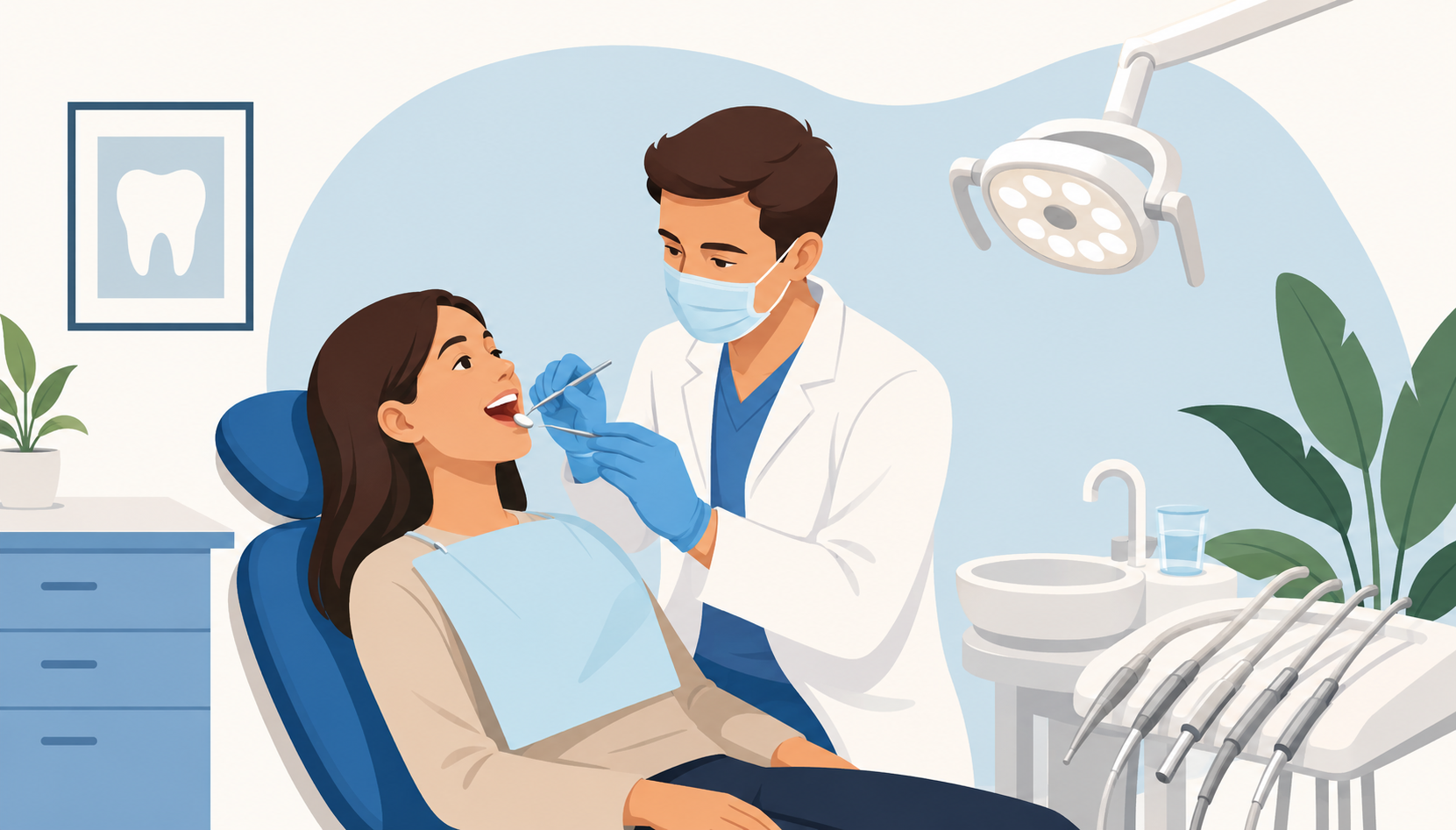
Healthy teeth and gums are about more than a bright smile. When plaque and bacteria build up beneath the gumline, routine brushing and flossing may no longer be enough to protect your oral health. That’s where a deep dental cleaning can make a major difference.
Many people don’t realize they need treatment until symptoms become uncomfortable or noticeable. Understanding the early warning signs can help prevent gum disease, tooth loss, and long-term oral health complications.
If you’ve been dealing with bleeding gums, persistent bad breath, or tooth sensitivity, it may be time to schedule a professional evaluation. In some cases, a deep cleaning can stop gum disease before it progresses into something more serious.
What Is a Deep Dental Cleaning?
A deep dental cleaning, also called scaling and root planing, is a treatment designed to remove plaque, tartar, and bacteria from below the gumline.
Unlike a standard dental cleaning, which focuses on the visible surfaces of the teeth, a deep cleaning targets the pockets that form between the gums and teeth when gum disease develops.
The goal is to:
- Remove hardened tartar buildup
- Reduce inflammation
- Eliminate bacteria beneath the gums
- Help gums reattach to the teeth
- Prevent further bone and tissue damage
Deep cleanings are commonly recommended for patients showing signs of gingivitis or periodontal disease.
Common Signs You Need a Deep Dental Cleaning
Recognizing the symptoms early can help prevent more extensive dental treatment later.
Bleeding Gums When Brushing or Flossing
One of the earliest signs of gum disease is bleeding gums. While occasional irritation can happen, regular bleeding is not considered normal.
Healthy gums should not bleed during daily oral care. If you notice pink in the sink after brushing or flossing, bacteria and inflammation may already be affecting the gum tissue.
When plaque remains along the gumline for too long, it hardens into tartar and irritates the gums. A deep cleaning helps remove these deposits before the condition worsens.
Persistent Bad Breath
Bad breath that does not improve with brushing, mouthwash, or mints may point to bacteria trapped beneath the gums.
This condition, known as halitosis, is often linked to periodontal disease. The bacteria hiding below the gumline release unpleasant odors and continue damaging the surrounding tissue.
A deep dental cleaning removes these bacteria and creates a healthier environment in the mouth.
Swollen or Tender Gums
Gums that appear puffy, red, or sensitive may be reacting to infection and inflammation.
Healthy gums should look firm and light pink. If they feel sore while eating or brushing, it could indicate gum disease developing below the surface.
Ignoring inflammation can allow bacteria to spread deeper into the supporting structures around the teeth.
Gum Recession
If your teeth suddenly appear longer than before, your gums may be receding.
Gum recession occurs when bacteria and inflammation damage the gum tissue, causing it to pull away from the teeth. This can expose the roots and increase sensitivity.
Deep cleanings are often recommended to control the infection contributing to recession.
Loose Teeth
As periodontal disease progresses, it can begin affecting the bone supporting the teeth.
This may cause teeth to shift slightly, feel loose, or change position over time. In advanced cases, untreated gum disease can eventually lead to tooth loss.
Early treatment is essential to preserve oral health and avoid more invasive procedures later.
Chronic Tooth Sensitivity
Tooth sensitivity can have several causes, but gum recession and exposed roots are common contributors.
If cold drinks, hot foods, or sweet snacks suddenly trigger discomfort, bacteria beneath the gums may be part of the problem.
A deep cleaning helps remove the infection causing inflammation around the roots.
Why Regular Cleanings Sometimes Aren’t Enough
Routine dental cleanings are important for maintaining oral health, but they mainly focus on areas above the gumline.
Once tartar forms below the gums, standard cleanings cannot fully address the problem. Bacteria trapped in deeper pockets continue multiplying and damaging the surrounding tissue.
That’s why dentists recommend scaling and root planing when gum disease reaches a more advanced stage.
Patients who delay treatment often experience worsening symptoms, including:
- Increased bleeding
- More severe gum recession
- Bone loss
- Persistent infection
- Greater risk of tooth loss
What Causes Gum Disease?
Gum disease develops when plaque bacteria accumulate around the teeth and gums over time.
Several factors increase the risk of developing periodontal disease.
Poor Oral Hygiene
Inconsistent brushing and flossing allow plaque to harden into tartar, which cannot be removed at home.
Smoking and Tobacco Use
Smoking weakens the immune system and reduces the gums’ ability to heal properly.
Diabetes
Patients with diabetes may face a higher risk of infection and gum inflammation.
Genetics
Some individuals are naturally more susceptible to gum disease, even with good oral hygiene habits.
Hormonal Changes
Pregnancy, menopause, and hormonal fluctuations can increase gum sensitivity and inflammation.
Stress
Chronic stress can weaken the body’s immune response and make it harder to fight infection.
What Happens During a Deep Dental Cleaning?
Many patients feel nervous before their first deep cleaning, but the procedure is generally straightforward and highly effective.
Scaling
During scaling, the dentist or hygienist removes plaque and tartar from the tooth surfaces and beneath the gums.
Specialized instruments help clean areas that cannot be reached through regular brushing.
Root Planing
Root planing smooths the root surfaces of the teeth, helping the gums reattach more effectively.
This also makes it harder for bacteria to accumulate in the future.
Local Anesthesia
In many cases, local anesthesia is used to keep patients comfortable throughout the procedure.
Treatment may be completed in one visit or divided into multiple appointments depending on the severity of the condition.
If you’ve been postponing treatment, it’s a good idea to schedule a professional dental consultation before symptoms become more advanced.
Recovery After a Deep Cleaning
Most patients recover quickly after treatment, although mild tenderness and sensitivity are common for a few days.
Temporary Sensitivity
Cold foods and drinks may feel uncomfortable immediately after the procedure. This usually improves as the gums heal.
Mild Swelling
Some inflammation is normal while the tissue recovers.
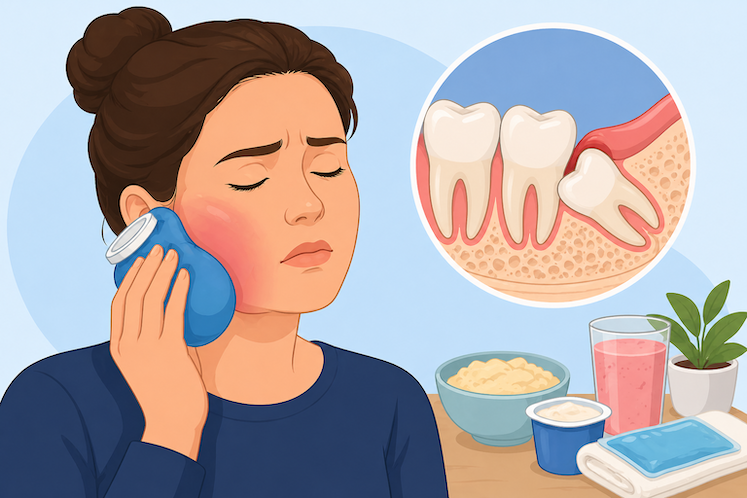
Interestingly, swelling patterns after oral procedures can vary depending on the type of treatment. Patients researching oral surgery recovery often compare healing timelines, including guides about wisdom tooth swelling recovery stages.
Oral Hygiene Adjustments
Your dentist may recommend:
- A soft-bristled toothbrush
- Antibacterial mouthwash
- Gentle flossing techniques
- Follow-up periodontal maintenance visits
How Deep Cleanings Help Prevent Tooth Loss
One of the biggest benefits of early periodontal treatment is preserving the structures supporting the teeth.
When bacteria spread beneath the gums, they gradually destroy connective tissue and bone. Without treatment, the teeth lose support and may eventually fall out.
A deep cleaning interrupts this process by removing the bacteria responsible for the infection.
Early intervention can help patients:
- Preserve natural teeth
- Avoid more costly procedures
- Reduce inflammation
- Improve overall oral health
- Restore healthier gums
The Connection Between Oral Health and Overall Health
Research continues to show strong links between gum disease and general health conditions.
Untreated periodontal disease has been associated with:
- Heart disease
- Diabetes complications
- Respiratory infections
- Chronic inflammation
- Pregnancy complications
Because gum disease is an inflammatory condition, managing it properly supports both oral and overall wellness.
How Often Do You Need a Deep Dental Cleaning?
Most people do not need deep cleanings regularly unless gum disease returns or progresses.
After treatment, many patients transition into periodontal maintenance appointments every three to four months to keep bacteria under control.
Your dentist will determine the best schedule based on:
- Gum pocket depth
- Bone loss
- Medical history
- Oral hygiene habits
- Smoking status
Can Deep Cleanings Prevent Future Dental Procedures?
In many cases, yes.
Treating gum disease early can reduce the likelihood of needing more extensive procedures later, including:
- Gum surgery
- Bone grafting
- Tooth extractions
- Dental implants
Patients who stay proactive with preventive care often avoid more invasive treatments entirely.
Oral surgery topics sometimes overlap with preventive dental care, especially when managing long-term oral health concerns. Patients researching surgical procedures may also find it helpful to learn about the ideal wisdom tooth timing, since early treatment can simplify recovery and reduce complications.
Maintaining Healthy Gums After Treatment
A deep cleaning is only the beginning. Long-term success depends on consistent oral hygiene and regular dental visits.
Brush Twice Daily
Use fluoride toothpaste and brush gently along the gumline.
Floss Every Day
Flossing removes plaque between teeth where toothbrushes cannot reach.
Avoid Tobacco Products
Smoking significantly increases the risk of recurring gum disease.
Keep Routine Dental Appointments
Professional cleanings help prevent plaque from hardening into tartar again.
Follow Your Dentist’s Recommendations
Some patients benefit from specialized mouth rinses or additional maintenance appointments.
Patients recovering from oral procedures sometimes ask broader questions about healing and recovery. For example, understanding post-surgery sleep positioning can be helpful after certain dental treatments.
When to See a Dentist Immediately
Do not ignore symptoms that continue worsening over time.
You should schedule a dental evaluation if you notice:
- Bleeding gums every day
- Severe bad breath
- Loose teeth
- Gum recession
- Pain while chewing
- Swelling around the gums
- Pus between the teeth and gums
Early diagnosis often leads to simpler and more affordable treatment.
FAQ About Deep Dental Cleanings
Is a deep dental cleaning painful?
Most patients experience minimal discomfort because local anesthesia is typically used during treatment. Mild soreness afterward is common but temporary.
How long does a deep cleaning take?
Treatment length depends on the severity of gum disease. Some cases can be completed in one appointment, while others may require multiple visits.
Can gum disease go away on its own?
No. Once tartar and bacteria accumulate below the gums, professional treatment is usually necessary.
How much does a deep dental cleaning cost?
Costs vary depending on the extent of treatment, insurance coverage, and how many areas require cleaning.
Will my gums grow back after a deep cleaning?
Deep cleanings help reduce inflammation and stop disease progression, but significant gum recession may not fully reverse.
How can I avoid needing another deep cleaning?
Consistent brushing, flossing, routine dental visits, and avoiding smoking greatly reduce the risk of recurring gum disease.
Long-Term Care Tips for Healthy Dental Implants
March 9, 2026
Do Wisdom Teeth Cause Crooked Teeth?
January 5, 2026
Wisdom Tooth Removal During Pregnancy: Is It Safe?
December 9, 2025
When Wisdom Tooth Swelling Peaks After Extraction and Eases
April 30, 2026
How Long Do Dental Implants Really Last?
February 9, 2026