Foods That Strengthen Teeth and What Harms Them
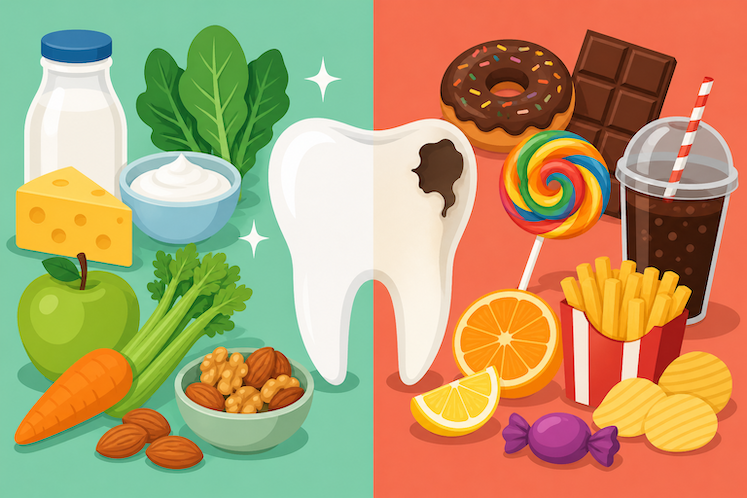
A healthy smile starts long before you sit in a dental chair. The foods you eat every day play a powerful role in protecting—or damaging—your teeth. From enamel-strengthening nutrients to hidden sugars that quietly erode your smile, understanding the connection between diet and oral health can make a lasting difference.
This guide breaks down the best foods for strong teeth and the ones that can lead to decay, sensitivity, and long-term dental issues. If you’re looking to improve your oral health naturally, it begins with what’s on your plate.
Why Diet Matters for Oral Health
Your teeth are constantly exposed to acids, bacteria, and sugars. While brushing and flossing are essential, your diet either supports or weakens your enamel over time.
Foods rich in calcium, phosphorus, and vitamins help rebuild enamel and maintain gum health. On the other hand, sugary and acidic foods feed harmful bacteria, leading to plaque buildup and cavities.
Think of your diet as daily maintenance for your teeth—every bite either strengthens or compromises your smile.
Foods That Strengthen Your Teeth
Certain foods actively support oral health by reinforcing enamel, stimulating saliva, and reducing harmful bacteria.
Dairy Products: Natural Enamel Boosters
Milk, cheese, and yogurt are packed with calcium and phosphorus—two minerals essential for rebuilding tooth enamel. Cheese also helps balance the pH level in your mouth, reducing acid attacks after meals.
Yogurt with probiotics may even support gum health by promoting good bacteria.
Crunchy Fruits and Vegetables
Apples, carrots, and celery act like natural toothbrushes. Their fibrous texture helps scrub plaque from teeth while stimulating saliva production.
Saliva is your mouth’s first line of defense, washing away food particles and neutralizing acids.
Leafy Greens
Spinach, kale, and other leafy greens are rich in calcium and folic acid. These nutrients help strengthen enamel and support gum health, especially important for preventing inflammation.
They’re also low in sugar, making them a safe everyday choice.
Nuts and Seeds
Almonds, walnuts, and sesame seeds provide essential minerals like calcium and phosphorus. They also contain healthy fats that support overall oral health.
Their crunchy texture adds a mild cleaning effect, helping reduce plaque buildup.
Water: The Unsung Hero
Water might be the most overlooked tool for oral health. It rinses away food debris, dilutes acids, and keeps your mouth hydrated.
Fluoridated water goes a step further by strengthening enamel and preventing cavities.
Foods That Damage Your Teeth
While some foods protect your smile, others can quietly cause long-term damage.
Sugary Snacks and Drinks
Candy, soda, and sweetened beverages feed harmful bacteria in your mouth. These bacteria produce acids that attack enamel, leading to cavities.
Sticky sweets are especially harmful because they cling to teeth, prolonging acid exposure.
Acidic Foods and Beverages
Citrus fruits, vinegar-based foods, and soft drinks can erode enamel over time. Even healthy options like orange juice can weaken teeth if consumed frequently without rinsing.
The key is moderation and proper oral hygiene afterward.
Refined Carbohydrates
White bread, chips, and pasta break down into sugar quickly. These foods stick to teeth and create an ideal environment for bacteria.
They may not taste sweet, but their impact on your teeth can be just as harmful.
Alcohol and Drying Agents
Alcohol reduces saliva production, leaving your mouth dry and vulnerable to bacteria. A lack of saliva means acids stay longer on your teeth, increasing the risk of decay.
Dry mouth can also lead to bad breath and gum issues.
How to Balance Your Diet for Better Oral Health
You don’t have to eliminate every harmful food. Instead, focus on balance and smart habits.
Pair sugary or acidic foods with protective ones. For example, eating cheese after a meal can help neutralize acids. Drinking water after consuming acidic drinks reduces their impact.
Timing also matters. Snacking frequently exposes your teeth to constant acid attacks, while structured meals allow saliva to do its job.
The Role of Saliva in Protecting Your Teeth
Saliva plays a crucial role in maintaining oral health. It neutralizes acids, repairs early enamel damage, and washes away debris.
Foods that stimulate saliva—like crunchy fruits and vegetables—help your mouth defend itself naturally.
Hydration is key. Even mild dehydration can reduce saliva flow and increase the risk of cavities.
Long-Term Oral Health Habits That Work
Diet is just one piece of the puzzle. Pairing healthy eating with proper care ensures lasting results.
Routine brushing, flossing, and dental checkups remain essential. If you’ve undergone procedures like implants, maintaining proper care is even more important. Learning about dental implant care can help preserve long-term results.
Pain management and recovery also benefit from lifestyle choices. For those looking for alternatives, understanding natural pain relief can support healing without relying heavily on medication.
What About Exercise and Oral Health?
Interestingly, physical activity also ties into oral health. Hydration, breathing patterns, and recovery habits can all influence your mouth.
If you’re recovering from dental work, knowing when to resume activity matters. This guide on post surgery exercise explains how to stay active safely.
When Diet Isn’t Enough
Even with a healthy diet, some dental issues require professional care. Persistent sensitivity, pain, or gum problems shouldn’t be ignored.
If you’re experiencing ongoing concerns, it may be time t get expert guidance tailored to your needs.
Schedule A Dental Consultation
Practical Tips for Protecting Your Teeth Daily
Small daily habits can significantly improve your oral health:
- Drink water after meals to rinse away acids
- Avoid brushing immediately after acidic foods—wait 30 minutes
- Choose whole foods over processed snacks
- Limit sugary drinks and opt for water or milk
- Chew sugar-free gum to stimulate saliva
Consistency matters more than perfection. Over time, these habits create a strong foundation for a healthier smile.
Conclusion
Your diet plays a bigger role in oral health than most people realize. The foods you choose every day can either strengthen your teeth or slowly break them down.
By focusing on nutrient-rich, low-sugar options and maintaining good habits, you can protect your enamel, support your gums, and reduce the risk of dental problems.
A strong smile isn’t built overnight—but with the right choices, it’s absolutely within reach.
FAQ
What foods are best for strengthening teeth?
Dairy products, leafy greens, nuts, and crunchy fruits and vegetables are among the best options. They provide essential minerals and help stimulate saliva.
Are acidic foods always bad for teeth?
Not necessarily. Many acidic foods are healthy, but frequent exposure without proper care can weaken enamel. Moderation and rinsing afterward help reduce risk.
How does sugar cause cavities?
Sugar feeds bacteria in your mouth, which produce acids that attack enamel. Over time, this leads to tooth decay.
Can drinking water really improve oral health?
Yes. Water helps wash away food particles, neutralize acids, and maintain saliva flow—making it essential for daily oral care.
Is it okay to snack between meals?
Frequent snacking can increase acid exposure. It’s better to limit snacks or choose tooth-friendly options like nuts or vegetables.

Oral Surgery Sedation Explained in Simple Terms
May 7, 2026

Affordable vs. Quality Wisdom Tooth Removal Guide
June 23, 2026
How Often Should You Really Replace Your Toothbrush?
February 17, 2026

7 Signs You Need Your Wisdom Teeth Removed
May 27, 2025
Questions to Ask Before Wisdom Tooth Extraction
December 23, 2025