Upper vs. Lower Wisdom Teeth: Why the Pain Feels Different
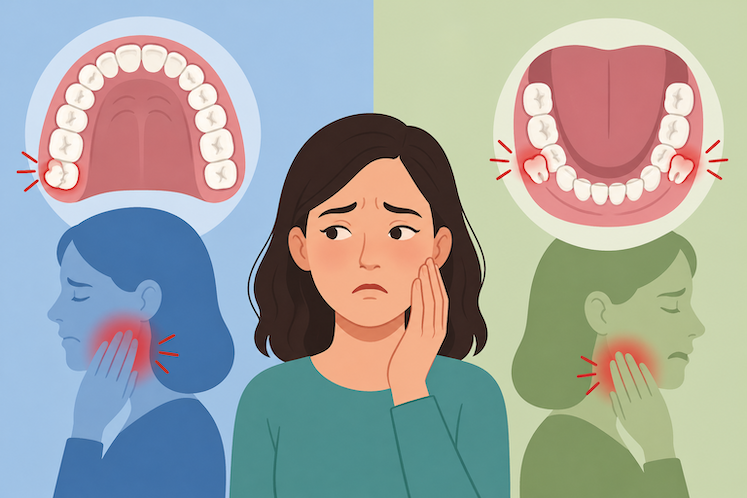
Wisdom tooth pain is a common experience, but many people don’t realize that upper and lower wisdom teeth often hurt in distinct ways. These differences stem from their position in the jaw, nerve proximity, and how they erupt. Understanding the variations can help you identify what your pain means and manage it effectively.
In some cases, wisdom teeth can regrow slightly after removal, causing renewed discomfort. Wisdom regrowth occasionally contributes to late-onset symptoms even after extraction.
Discomfort can sometimes radiate to other areas of the mouth. This explains why a toothache in the back can be felt toward the front teeth—a sensation that often surprises patients experiencing it for the first time.
Why Wisdom Teeth Become Painful
Wisdom teeth usually emerge between ages 17 and 25, long after the jaw has fully formed. This delayed eruption often leads to crowding, partial eruption, or full impaction, which are common causes of inflammation, pressure, and pain.
Upper and lower wisdom teeth can trigger discomfort that radiates to other areas due to the network of nerves in the jaw. When one area is irritated, other regions, such as the ears or front teeth, may also feel affected.
Upper Wisdom Teeth Pain
Upper wisdom teeth are positioned near the maxillary sinuses, which makes their pain feel more diffuse. Patients often report a dull ache behind the cheeks, a sensation of pressure in the upper jaw, and mild headaches that sometimes worsen when bending forward.
The way these teeth erupt also plays a role. Upper wisdom teeth frequently grow at an outward angle, which can rub against the inner cheek, causing irritation or ulcers along the gum line.
Because the upper jaw’s nerves are connected, irritation from an upper molar can travel forward, creating sensitivity in nearby teeth. Pain spread captures how discomfort originating from the back of the mouth may be felt elsewhere.
Sinus involvement may also result in headaches or ear pressure, making upper tooth pain feel broader compared to lower wisdom teeth.
Lower Wisdom Teeth Pain
Lower wisdom teeth often cause sharper and more intense pain due to their proximity to the inferior alveolar nerve. Pressure against this nerve can produce throbbing sensations that radiate to the jaw, chin, and lower lip.
Impaction is more common in lower molars. Horizontal or angled growth can press against the adjacent molar, leading to swelling and persistent soreness.
Partially erupted lower teeth can also create a gum flap, which traps food and bacteria, causing pericoronitis. Swelling, jaw stiffness, bad breath, and pain are typical symptoms. In some cases, dentists delay extraction if infection or inflammation is present.
Because these teeth rest deeper in the jaw, inflammation can affect surrounding muscles, sometimes causing stiffness when opening the mouth or jaw tension.
Comparing Upper and Lower Wisdom Tooth Pain
While experiences vary, there are noticeable patterns. Lower wisdom teeth tend to be more painful due to frequent impaction and nerve involvement, producing deeper, sharper sensations. Upper wisdom teeth generally create a broader, dull ache because of sinus proximity and cheek irritation.
Both upper and lower teeth can cause forward-spreading pain through interconnected nerves. This shared pathway explains why discomfort may be felt in teeth distant from the original source.
After extraction, upper teeth often heal faster. Lower extractions may be more painful because of deeper roots and denser bone, making post-operative recovery longer.
Managing Pain
Pain often worsens at night because blood flow increases when lying down, jaw muscles may tense, and the discomfort is more noticeable without daytime distractions. Alternating hot and cold compresses can help reduce swelling and muscle tension.
Soft foods, gentle oral hygiene, and over-the-counter pain medication like ibuprofen or acetaminophen can also help manage symptoms. Alcohol can worsen inflammation and delay healing, so it’s best avoided after surgery.
When to See a Dentist
Seek prompt evaluation if you experience severe swelling, fever, difficulty swallowing, numbness in the lip or chin, pus, or rapidly spreading pain. Immediate attention prevents complications and ensures that any infection is treated safely. Extraction delay also shows how dentists sometimes adjust the timing to protect overall oral health.
Final Thoughts
Upper and lower wisdom teeth cause different types of discomfort. Upper teeth often produce diffuse sinus pressure and mild ache, while lower teeth generate sharper, nerve-driven pain. Understanding these patterns can help you manage symptoms effectively, anticipate recovery, and recognize when professional intervention is needed.

Hospital vs. Private Clinics: Choosing the Right Oral Surgery Setting
January 27, 2026

Can You Smoke or Vape After Wisdom Tooth Removal?
December 1, 2025

What’s Normal vs. Not Normal After Wisdom Tooth Surgery
December 25, 2025
Warning Signs of a Serious Wisdom Tooth Infection You Shouldn’t Ignore
December 22, 2025
How Long Do Gums Take to Fully Heal After Surgery?
April 28, 2026