What to Bring to Your Oral Surgery Appointment: A Simple Checklist
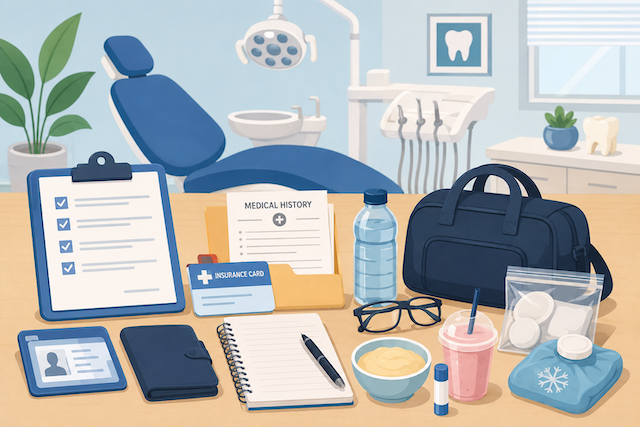
Preparing for an oral surgery appointment doesn’t have to be stressful. Whether you’re scheduled for wisdom teeth removal, dental implants, a tooth extraction, or another procedure, arriving prepared can make the entire experience smoother—from check-in to recovery at home.
Many patients focus on the surgery itself but overlook the small details that can make a big difference. Bringing the right documents, wearing comfortable clothing, arranging transportation, and planning for recovery all help ensure your appointment goes as planned.
This complete oral surgery appointment checklist covers everything you should bring, what to expect before your procedure, and how to prepare for a comfortable recovery.
Why Preparing for Oral Surgery Matters
Good preparation does more than save time at the front desk. It helps your oral surgeon deliver safe, personalized care while giving you greater confidence throughout the process.
Having your medical information ready allows your surgical team to review medications, allergies, and medical conditions before treatment begins. It also reduces the chance of delays caused by missing paperwork or incomplete health information.
Preparation doesn’t end when your procedure is finished. Planning ahead for recovery can make the first 24 to 48 hours much more comfortable and help you avoid unnecessary complications.
Your Essential Oral Surgery Appointment Checklist
Here’s everything you should have ready before leaving for your appointment.
Bring a Valid Photo ID
Every patient should bring a government-issued photo ID, such as:
- Driver’s license
- Passport
- State identification card
Your identification confirms your identity and ensures your medical records remain accurate.
Bring Your Insurance Information
If your procedure involves dental insurance or medical insurance benefits, don’t forget:
- Insurance card
- Member ID information
- Any required referral documents
Having these available helps the office process your visit more efficiently and minimizes billing delays.
Gather Your Medical Information
One of the most important parts of preparing for oral surgery is providing complete medical information.
Bring a written list that includes:
- Current prescription medications
- Over-the-counter medications
- Vitamins and supplements
- Drug allergies
- Latex allergies
- Previous surgeries
- Existing medical conditions
Even medications that seem unrelated can affect anesthesia, healing, or bleeding.
If you’re planning a tooth replacement procedure, providing a complete health history becomes especially important during your evaluation for dental implants.
Include Any Referral Documents
If another dentist referred you to an oral surgeon, bring:
- Referral forms
- Previous X-rays (if requested)
- CT scans
- Treatment notes
These records help eliminate duplicate testing and allow your surgeon to review your case before treatment.
Bring Your Appointment Confirmation
Although most offices maintain digital records, it’s still helpful to have:
- Appointment confirmation email
- Text confirmation
- Appointment time
- Office address
- Contact number
Keeping this information on your phone makes it easier if you need directions or need to contact the office while traveling.
Complete Forms Before You Arrive
Many oral surgery offices send paperwork electronically before your appointment.
Whenever possible, complete:
- Medical history forms
- Consent forms
- Financial agreements
- Patient registration
Completing paperwork in advance allows your appointment to start on time and gives the staff more opportunity to answer any questions before your procedure.
Wear Comfortable Clothing
Your clothing may seem like a minor detail, but it can make a noticeable difference during surgery.
Choose clothing that is:
- Loose fitting
- Comfortable
- Easy to move in
- Short-sleeved if possible
Loose sleeves make IV placement easier if you’re receiving sedation.
Avoid:
- Tight collars
- Heavy jewelry
- Bulky accessories
- Hats
If the office tends to be cool, bring a lightweight sweater or zip-up jacket.
Avoid Wearing Contact Lenses
If sedation is planned, it’s generally better to wear glasses instead of contact lenses.
If you normally wear contacts, bring:
- Eyeglasses
- Contact lens case
- Contact solution if needed
You’ll likely be more comfortable during and after your procedure.
Arrange Transportation Before Your Appointment
If you’re receiving IV sedation, general anesthesia, or certain medications, you will not be able to drive yourself home afterward.
Plan ahead by asking a trusted adult to:
- Drive you to your appointment
- Stay nearby during surgery
- Take you home safely
- Remain with you if instructed
This is especially important for procedures involving sedation, including different anesthesia types used during wisdom tooth removal.
Trying to arrange transportation at the last minute can create unnecessary stress and may even delay your procedure.
Prepare Recovery Supplies Before Leaving Home
Your future self will appreciate having everything ready before surgery.
Stock your home with:
- Ice packs
- Gauze pads
- Soft foods
- Bottled water
- Lip balm
- Prescribed medications
- Extra pillows
After surgery, you’ll likely want to rest rather than stop at a pharmacy or grocery store.
Soft Foods to Have Ready
Recovery is much easier when you have soft foods prepared in advance.
Consider:
- Yogurt
- Applesauce
- Mashed potatoes
- Smoothies
- Soup (cooled appropriately)
- Scrambled eggs
- Oatmeal
- Cottage cheese
Avoid crunchy, spicy, or hard foods until your surgeon approves.
Bring Only Essential Personal Items
You won’t need much during your appointment.
Bring:
- Cell phone
- Wallet
- Keys
- Insurance card
Leave valuables at home whenever possible.
Large bags, expensive jewelry, and unnecessary electronics can become inconvenient during surgery.
Entertainment for Waiting Time
Depending on your appointment schedule, there may be a brief waiting period before surgery.
Consider bringing:
- Phone
- Earbuds
- Tablet
- Book
Once your clinical preparation begins, however, focus fully on your care team’s instructions.
Write Down Questions Before Your Visit
It’s surprisingly easy to forget important questions once you’re sitting in the dental chair.
Consider asking:
Recovery Questions
- How long will swelling last?
- When can I return to work?
- When can I exercise again?
Pain Management
Ask about:
- Prescription medications
- Over-the-counter pain relief
- Ice therapy
- Expected discomfort
Eating After Surgery
You may also want to know:
- When can I eat normally?
- Which foods should I avoid?
- How much water should I drink?
Writing these questions down helps ensure nothing important gets overlooked.
Follow Your Pre-Surgery Instructions Carefully
Every procedure has slightly different preparation requirements.
Your oral surgeon may ask you to:
- Avoid eating before sedation
- Stop certain medications temporarily
- Arrive early
- Brush your teeth before surgery
- Avoid smoking
Following these instructions carefully reduces surgical risks and helps your procedure stay on schedule.
Prepare Yourself Mentally
Feeling nervous before oral surgery is completely normal.
Many patients find that simple preparation techniques help them feel calmer before arriving.
Try:
- Deep breathing exercises
- Listening to relaxing music
- Arriving 15–20 minutes early
- Reading through your recovery instructions beforehand
Understanding what to expect often makes the experience feel much more manageable.
You may also find it helpful to read more about how to mentally prepare before an oral surgery procedure so you know what to expect before, during, and after treatment.
Common Mistakes to Avoid Before Oral Surgery
Even well-prepared patients sometimes overlook small details.
Try to avoid these common mistakes:
- Forgetting your photo ID
- Arriving late
- Wearing heavy makeup or jewelry
- Eating when fasting instructions were given
- Driving yourself after sedation
- Forgetting to fill prescriptions ahead of time
- Skipping your medication list
- Not asking questions before leaving
A little preparation can prevent unnecessary stress on the day of your appointment.
Quick Checklist Before You Walk Out the Door
Before leaving for your appointment, make sure you have:
- Photo ID
- Insurance card
- Medication list
- Medical history
- Referral paperwork
- Appointment confirmation
- Glasses (if needed)
- Comfortable clothing
- Responsible driver
- Recovery supplies ready at home
- Questions for your surgeon
Checking these items off beforehand can make your appointment significantly easier.
Frequently Asked Questions
Should I bring my medications with me?
Unless your surgeon specifically asks you to, bringing a written list of your medications is usually sufficient. If you’re unsure, contact the office before your appointment.
Can I drive myself home after oral surgery?
If you receive IV sedation or general anesthesia, you should arrange for a responsible adult to drive you home. Driving afterward is not considered safe.
What should I wear to an oral surgery appointment?
Loose, comfortable clothing with short sleeves is ideal. Avoid heavy jewelry, tight collars, and contact lenses if sedation is planned.
Can I eat before oral surgery?
It depends on your procedure and the type of anesthesia being used. Always follow the fasting instructions provided by your oral surgeon.
What should I have ready at home after surgery?
Prepare ice packs, soft foods, water, gauze, prescribed medications, and a comfortable place to rest before your appointment.
Final Thoughts
Preparing for an oral surgery appointment is one of the easiest ways to reduce stress and help your procedure go smoothly. By gathering your documents, reviewing your medical information, wearing comfortable clothing, arranging transportation, and planning for recovery in advance, you’ll arrive feeling more confident and ready for treatment.
A little preparation today can make your recovery more comfortable tomorrow, allowing you to focus on healing instead of scrambling for forgotten essentials.
Wisdom Teeth Headaches: Causes and Relief
February 24, 2026
Why Wisdom Tooth Pain Gets Worse at Night
March 30, 2026

What to Eat Before a Tooth Extraction to Reduce Inflammation
June 1, 2026
Can You Be Too Old for Wisdom Teeth Surgery?
May 18, 2026
Your Guide to Wisdom Tooth Sedation
November 27, 2025