Alcohol After Wisdom Teeth Removal: When Is It Safe to Drink?
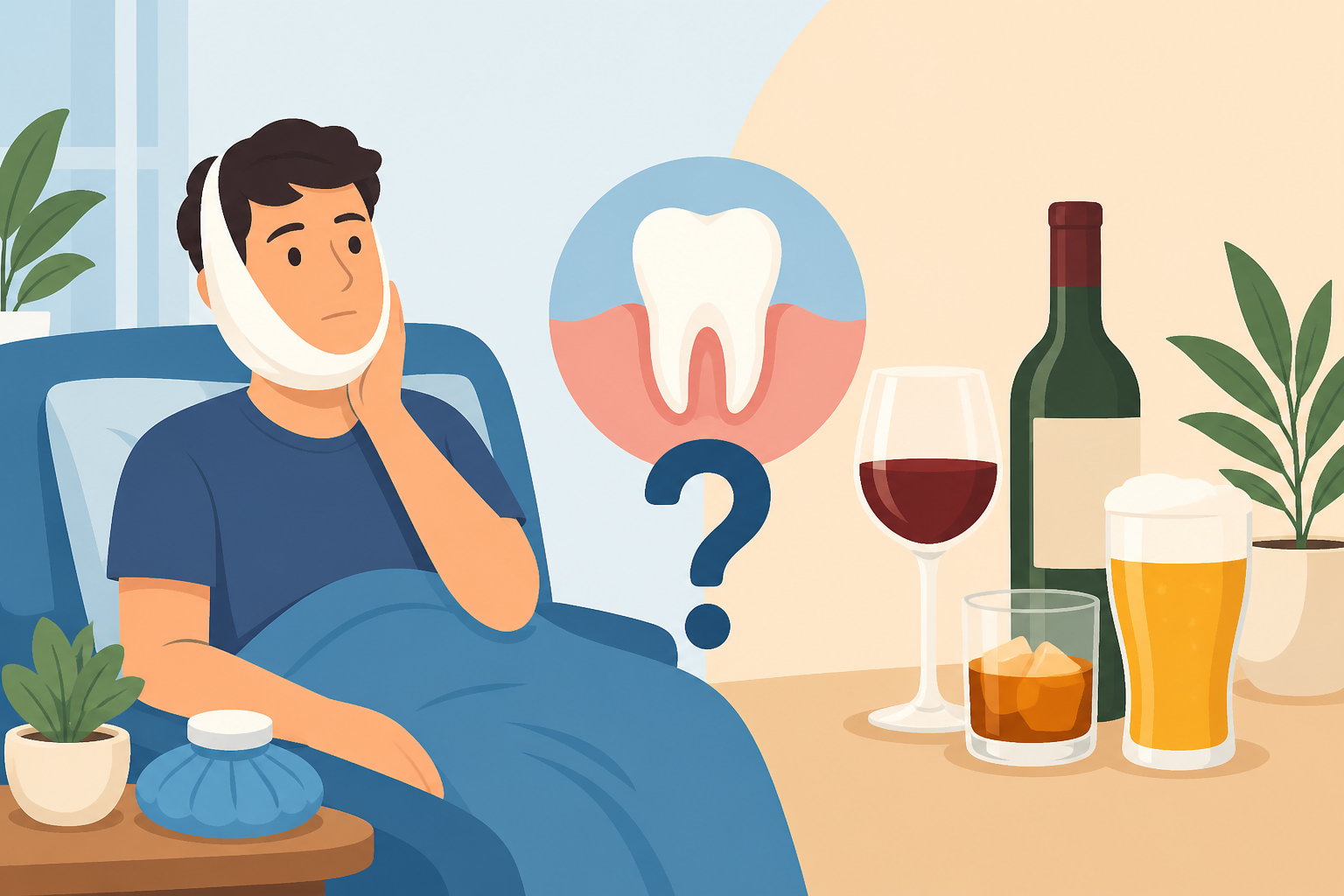
Wisdom tooth removal is one of the most common oral surgery procedures, and recovery questions start almost immediately. Among the most frequently asked is this one: Can you drink alcohol after wisdom tooth extraction? Whether you’re recovering for a few days or managing a longer healing process, alcohol can significantly affect how your mouth heals—and not in a good way if consumed too soon.
Understanding when it’s safe to drink again, why timing matters, and how alcohol interferes with healing can help you avoid painful complications and unnecessary delays in recovery. This article explains exactly what happens in your body after extraction, how alcohol interacts with healing tissues and medications, and when you can safely enjoy a drink again without risking your results.
What Happens to Your Mouth After Wisdom Tooth Extraction
Wisdom tooth extraction creates a surgical wound in the jawbone and gum tissue. Even when the procedure is routine, your body treats it as a significant healing event.
Blood Clot Formation Is Critical
Immediately after extraction, a blood clot forms in the empty socket. This clot protects the underlying bone and nerves while new tissue begins to grow. Disrupting this clot is the fastest way to develop serious complications.
Inflammation Is a Normal Response
Swelling, tenderness, and mild bleeding are expected during the first few days. These symptoms signal that your immune system is actively repairing tissue and rebuilding the surgical site, which becomes even more important in cases where patients experience long-term effects from untreated wisdom teeth.
Medication and Nerve Sensitivity
Many patients are prescribed antibiotics, pain relievers, or anti-inflammatory medications. At the same time, nearby nerves may remain sensitive for several days as the local anesthesia wears off and healing begins.
Can You Drink Alcohol After Wisdom Tooth Extraction?
The short answer is no, not immediately. Most oral surgeons recommend avoiding alcohol for at least 72 hours, and in many cases up to 7 days, depending on the complexity of the extraction and your healing progress.
Alcohol interferes with nearly every stage of the healing process. Drinking too soon increases your risk of bleeding, infection, dry socket, delayed healing, and dangerous drug interactions.
Why Alcohol Is Risky During Wisdom Tooth Recovery
Alcohol affects your body in multiple ways that directly conflict with proper surgical healing.
Alcohol Thins the Blood
Alcohol acts as a natural blood thinner, which can cause the extraction site to start bleeding again even after initial clotting has occurred. This raises the risk of clot loss and prolonged oozing.
Alcohol Dehydrates Healing Tissue
Healing tissue requires moisture and oxygen-rich blood flow. Alcohol dehydrates the body, slowing the delivery of nutrients to the surgical site and delaying tissue regeneration.
Alcohol Weakens the Immune Response
Your immune system is already working hard to prevent infection in the open wound. Alcohol suppresses immune function, increasing your vulnerability to bacterial complications.
Alcohol and Medication Interactions
Mixing alcohol with pain relievers, antibiotics, or sedation medications can lead to dizziness, nausea, slowed breathing, liver strain, and impaired judgment—all of which compromise safe recovery.
The Risk of Dry Socket and Alcohol Use
One of the most painful complications after extraction is dry socket. This happens when the protective blood clot dislodges too early, exposing bone and nerves to air and bacteria.
Alcohol significantly increases the risk of dry socket by:
- Increasing blood flow and bleeding
- Delaying clot stabilization
- Encouraging accidental suction during drinking
- Masking early pain signals
Signs such as throbbing ache often resemble wisdom-tooth pain, making it harder to distinguish normal discomfort from something more serious.
How Long Should You Wait Before Drinking Alcohol?
The exact timeline depends on several factors: how many teeth were removed, whether they were impacted, your overall health, and how well your healing is progressing.
First 24–72 Hours: Absolutely No Alcohol
This is the most critical healing window. During this time:
- Blood clots are forming
- Swelling is peaking
- Infection risk is highest
Alcohol during this phase significantly increases the chance of complications.
Days 4–7: Still Not Ideal
Even after the first few days, most sockets are not fully sealed. Light bleeding can still occur, and tissue is still fragile. Alcohol during this phase can still disrupt healing and worsen inflammation.
After One Full Week
For many patients with uncomplicated extractions, small amounts of alcohol may be safe after 7 days, provided:
- There is no active bleeding
- Swelling has significantly decreased
- Pain is controlled without strong medication
- There are no signs of infection
Your oral surgeon should always make the final determination.
What If Your Wisdom Teeth Were Surgically Impacted?
Impacted extractions involve deeper incisions into the gum and bone. These cases require a longer healing window and stricter restrictions.
Alcohol is typically restricted for 7–10 days or longer after surgical extraction of impacted wisdom teeth. Drinking too soon dramatically increases swelling, delays bone healing, and raises infection risk.
Alcohol and Post-Surgical Medications
Most patients are prescribed pain medication or antibiotics following extraction. Alcohol interacts negatively with both.
Alcohol and Pain Relievers
Combining alcohol with opioid pain relievers or even prescription-strength NSAIDs increases the risk of:
- Stomach bleeding
- Respiratory depression
- Severe drowsiness
- Accidental overdose
Alcohol and Antibiotics
Alcohol reduces the effectiveness of many antibiotics and increases the likelihood of nausea, dizziness, and liver strain.
Even if you feel “fine,” your body may still be processing anesthesia and medication residues for days after surgery.
Swelling, Heat, and Alcohol After Extraction
Inflammation is already elevated during recovery. Adding alcohol further increases blood vessel dilation, making swelling worse.
This effect becomes even more pronounced in warmer environments, similar to how patients recovering in hotter climates often report heightened symptoms, such as those described in Florida heat conditions.
Bleeding, Stitches, and Alcohol Consumption
Some wisdom tooth extractions require stitches to close the surgical site. These sutures protect the wound while early healing takes place.
Alcohol compromises this process by:
- Increasing bleeding around sutures
- Slowing gum tissue regeneration
- Raising infection risk around the incision site
Post-surgical issues like renewed bleeding or prolonged numbness often mirror symptoms related to stitches and bleeding, making alcohol-related complications harder to identify early.
Pain Confusion After Drinking Alcohol
Many patients mistakenly believe alcohol helps “take the edge off” pain. In reality, alcohol often masks pain temporarily while worsening inflammation underneath.
This makes it harder to accurately assess whether recovery is progressing normally or if complications are developing.
When Alcohol May Be a Sign of a Larger Oral Health Plan
For patients preparing for restorative treatment, alcohol can complicate recovery timelines. Long-term planning sometimes includes a future implant consultation when tooth replacement is involved after extractions.
What You Can Drink Instead During Recovery
Hydration is one of the most powerful healing tools available after oral surgery.
Safe Drink Options
- Water
- Cold herbal tea
- Electrolyte drinks
- Milk and protein drinks (after 24 hours)
What to Avoid Aside From Alcohol
- Carbonated drinks
- Acidic juices
- Sugary drinks
Long-Term Effects of Drinking Too Soon After Extraction
Drinking alcohol before complete healing increases long-term risks, including:
- Delayed bone regeneration
- Gum recession
- Chronic inflammation
- Higher rates of infection
The Healing Timeline Without Alcohol
Healing is typically predictable when alcohol is avoided:
- Days 1–3: Clot formation
- Days 4–7: Tissue closure
- Weeks 2–3: Bone remodeling
- Months 2–3: Internal healing
Alcohol disrupts this timeline at every phase.
How to Know If It’s Safe to Drink Again
Before drinking alcohol:
- No bleeding for 48 hours
- Swelling nearly gone
- No throbbing pain
- No medication reliance
- No signs of infection
What If You Drank Alcohol Too Soon?
Watch for warning signs:
- Renewed bleeding
- Worsening pain
- Bad breath or foul taste
- Swelling returning
- Fever
Contact your oral surgeon if any appear.
Final Answer: Can You Drink Alcohol After Wisdom Tooth Extraction?
You should not drink alcohol for at least 72 hours, and ideally for a full 7 days, after wisdom tooth extraction. Alcohol interferes with clot formation, increases bleeding, worsens swelling, weakens immune response, and interacts dangerously with medications.
Waiting until your mouth has stabilized dramatically lowers your risk of dry socket, infection, delayed healing, and long-term complications.
Why a Tooth Extraction Isn't Always Done Right Away
June 2, 2026

How to Talk to Your Dentist About Extraction Anxiety
March 19, 2026
Morning vs Night Brushing: Which Matters More?
May 12, 2026
Nerve Damage After Wisdom Tooth Removal: How Common?
April 2, 2026

Why Summer Is Perfect for Wisdom Tooth Removal
May 25, 2026