How Safe Is Modern Oral Surgery? What Patients Need to Know
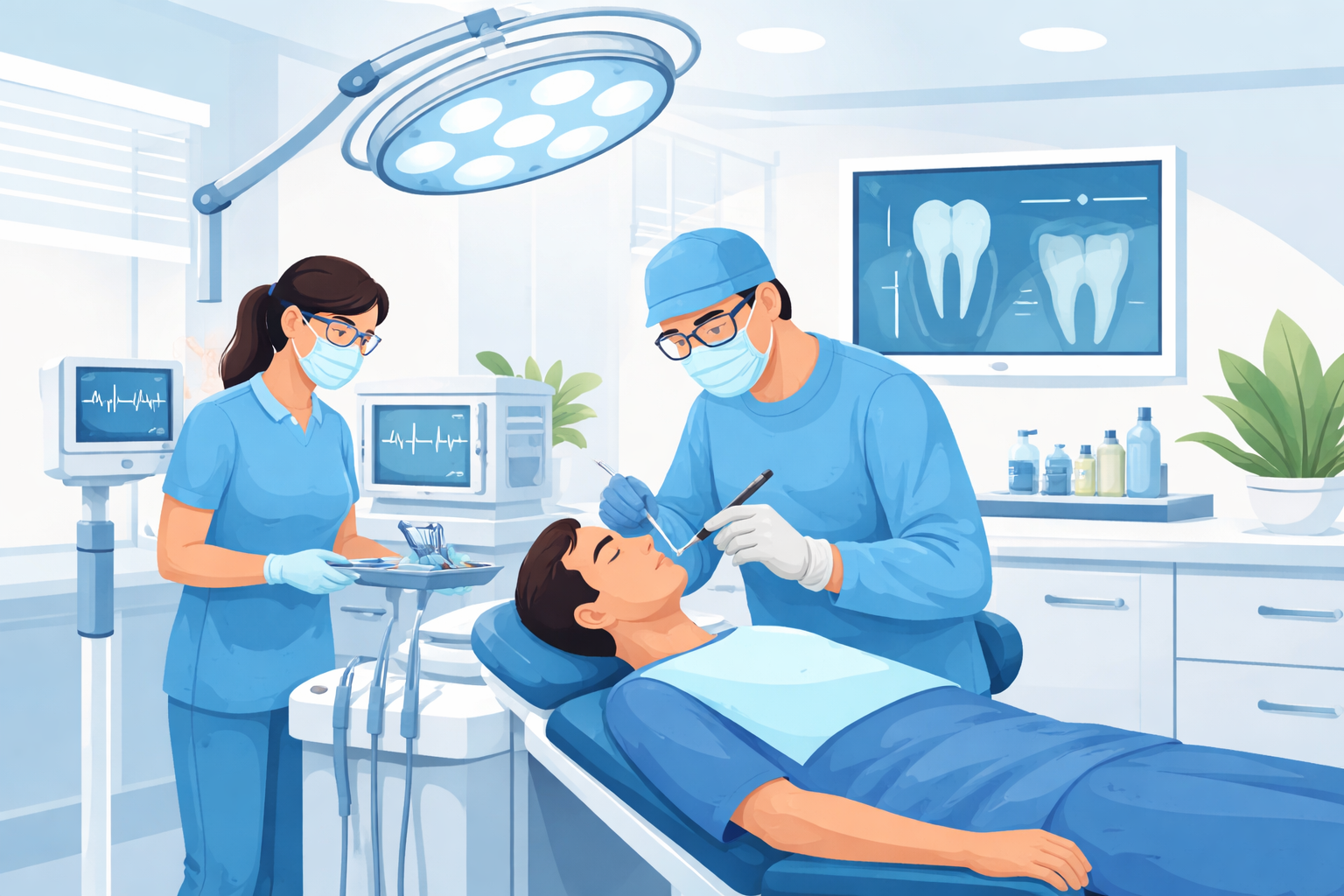
Oral surgery has come a long way over the past few decades. From tooth extractions to advanced procedures like dental implants and corrective jaw surgery, modern techniques focus on safety, precision, and patient comfort. Despite this progress, many patients still wonder: how safe is modern oral surgery? Understanding the risks, procedures, and safeguards in place can help you make informed decisions about your oral health and feel confident going into surgery.
Modern oral surgeons employ advanced technology, sterile environments, and evidence-based protocols to minimize risks. Procedures are designed to protect your overall health while ensuring optimal outcomes. From routine wisdom teeth removal to complex dental implants, patients benefit from a combination of training, technology, and meticulous planning that significantly reduces complications.
In this article, we’ll explore the safety of modern oral surgery, the factors that influence risk, the types of procedures available, and what patients can do to ensure a smooth recovery. We’ll also integrate practical insights and relevant resources to help guide your decisions.
Understanding Oral Surgery and Its Scope
Oral surgery encompasses a wide range of procedures that go beyond basic dental care. These surgeries can include tooth extractions, wisdom teeth removal, dental implants, bone grafts, corrective jaw surgeries, and treatment for facial trauma. While traditional tooth removal might seem routine, more complex procedures require specialized training and careful planning.
For instance, wisdom teeth removal is a common oral surgery procedure that many patients undergo in their teens or early adulthood. The procedure itself is straightforward, but the complexity increases with impacted teeth or unique jaw structures. Learning about the wisdom teeth process, including potential risks and recovery, helps patients feel more prepared.
Dental implants are another example of advanced oral surgery. These procedures involve placing titanium posts into the jawbone to replace missing teeth. Modern dental implant techniques are highly precise, using imaging technology and careful planning to ensure placement accuracy. Many patients explore options by searching for dental implants near them to find reputable providers.
Why Modern Oral Surgery Is Considered Safe
Several factors contribute to the safety of contemporary oral surgery:
1. Advanced Surgical Training
Oral surgeons undergo extensive education and residency programs to master surgical techniques. This specialized training ensures they can handle both routine and complex cases with confidence. Surgeons are trained to manage complications promptly, further reducing risk.
2. Sterile Environments
Modern oral surgery is performed in controlled, sterile environments to minimize infection risks. Instruments are carefully sterilized, and surgical areas are prepared to strict hygiene standards. This attention to cleanliness drastically lowers the chances of post-surgical infection.
3. Technology and Imaging
High-resolution imaging, including digital X-rays and 3D scans, allows surgeons to plan procedures accurately. Whether placing dental implants or removing impacted wisdom teeth, precise imaging ensures that the surgery is safe, effective, and minimally invasive.
4. Sedation and Anesthesia
Modern oral surgery often uses sedation or anesthesia to enhance patient comfort and safety. Options include local anesthesia, oral sedation, or intravenous sedation. Surgeons monitor patients closely during the procedure to ensure vital signs remain stable and that pain is effectively managed.
5. Evidence-Based Protocols
Surgeons follow evidence-based guidelines for every procedure, from pre-operative assessment to post-operative care. This systematic approach ensures that surgeries adhere to best practices, improving patient outcomes and reducing complications.
Common Oral Surgery Procedures and Their Safety
Wisdom Teeth Removal
Wisdom teeth removal is one of the most common oral surgeries performed. Although it is generally safe, some risks like swelling, bruising, dry socket, or nerve irritation may occur. Modern techniques, including minimally invasive surgical methods, help reduce these risks.
Dental Implants
Dental implants have become a standard solution for missing teeth. The procedure is highly safe when performed by a qualified oral surgeon. Pre-surgical planning, including bone assessments and imaging, ensures that implants are placed in optimal positions, reducing the chance of failure. If you’re considering dental implants, scheduling a consultation can help tailor the treatment plan to your needs.
Corrective Jaw Surgery
Some patients require jaw surgery to correct bite issues, improve facial symmetry, or address sleep apnea. These procedures are more complex but remain safe under the care of trained oral surgeons. Pre-surgical planning and post-operative monitoring are crucial for minimizing complications and ensuring functional recovery.
Tooth Extractions
Simple and surgical tooth extractions are routine procedures. The risk is low, especially when performed by an experienced oral surgeon. Proper technique and post-operative care, including pain management and oral hygiene, are critical for a smooth recovery.
Factors Affecting Oral Surgery Safety
While modern oral surgery is generally very safe, certain factors can influence outcomes:
- Patient Health: Chronic conditions like diabetes, heart disease, or immune disorders can impact healing and infection risk. Surgeons review medical histories carefully before performing surgery.
- Surgical Complexity: More complex procedures, such as multiple extractions or bone grafting for implants, require more precise planning and may have slightly higher risk.
- Experience of the Surgeon: Highly trained oral surgeons reduce the likelihood of complications. Board-certified surgeons with years of experience provide added safety.
- Post-Operative Care: Following recovery instructions, maintaining oral hygiene, and attending follow-up appointments significantly affect healing outcomes.
How Patients Can Prepare for Safe Surgery
Preparation is key to a smooth and safe oral surgery experience:
- Pre-Surgery Consultation: Discuss your medical history, current medications, and any concerns with your surgeon. This ensures your safety during and after surgery.
- Lifestyle Adjustments: Avoid smoking or excessive alcohol before surgery, as these can impede healing.
- Follow Instructions: Surgeons provide pre- and post-operative instructions. Following these closely reduces the risk of complications.
- Ask Questions: Clarify doubts about anesthesia, procedure steps, and recovery timelines. Understanding the process improves comfort and confidence.
Recovery and Aftercare
Modern oral surgery recovery has improved with advances in pain management and surgical techniques. Typical recommendations include:
- Resting for a few days post-surgery and avoiding strenuous activity.
- Consuming soft foods and staying hydrated.
- Taking prescribed medications to manage pain and prevent infection.
- Attending follow-up visits to ensure proper healing.
Most patients experience minimal complications, and recovery is often faster than in previous decades. For dental implants specifically, careful monitoring during the first few weeks ensures proper osseointegration, leading to long-lasting results.
Risks Are Low but Not Zero
No surgery is entirely risk-free, but modern oral surgery has one of the lowest complication rates in healthcare. Common issues such as minor swelling, bruising, or mild discomfort are usually temporary. Serious complications, like infections or nerve injuries, are rare, particularly when the surgery is performed by a qualified and experienced surgeon. Patients are encouraged to discuss potential risks and benefits openly with their surgeon to set realistic expectations.
Key Takeaways on Oral Surgery Safety
- Modern oral surgery is highly safe, thanks to advanced training, technology, and sterile protocols.
- Procedures like wisdom teeth removal, dental implants, and corrective jaw surgery are well-understood and carry low complication rates.
- Patient factors, surgical complexity, and adherence to post-operative care influence outcomes.
- Consultations with a qualified oral surgeon provide personalized assessments and treatment plans.
Patients who educate themselves and choose experienced surgeons benefit from safe, predictable, and effective results.
Conclusion
If you’re considering oral surgery, it’s natural to have concerns about safety. The good news is that modern oral surgery combines advanced techniques, precise planning, and experienced care to minimize risks. Whether you’re preparing for wisdom teeth removal, exploring dental implants, or considering corrective procedures, understanding the process and working closely with your oral surgeon ensures a smooth and safe experience.
Where to Get Wisdom Tooth Removal in Miami Fast
May 11, 2026

How to Sleep After Wisdom Tooth Surgery Fast
February 25, 2026

Comparing In-Office vs. Hospital Wisdom Tooth Extraction Costs
January 28, 2026
Wisdom Tooth Extraction: Dentist vs. Oral Surgeon
January 30, 2026

The Right Way to Brush and Floss Your Teeth
February 23, 2026