When Wisdom Tooth Swelling Peaks After Extraction and Eases
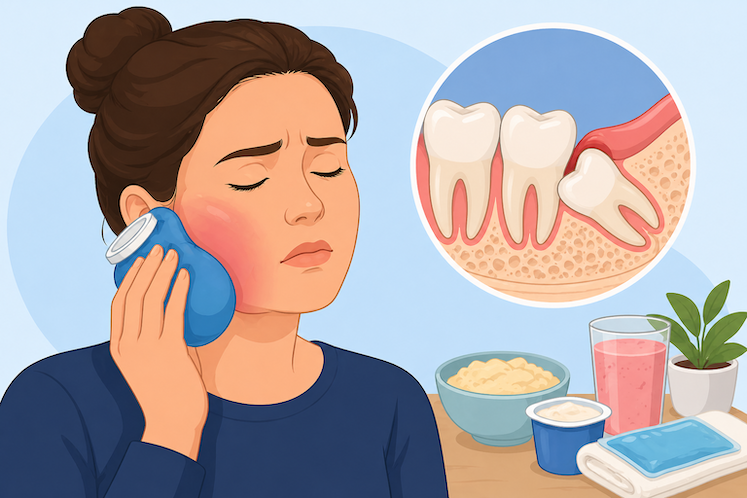
Swelling after wisdom tooth removal is one of the most common parts of recovery, and for many patients, it can feel more noticeable than expected. The good news is that swelling is usually a normal healing response, especially after surgical wisdom tooth extraction.
In most cases, wisdom tooth swelling peaks around 48 to 72 hours after surgery. After that, it should gradually begin to improve. Mild swelling, jaw stiffness, soreness, and bruising can happen during recovery, particularly when teeth were impacted or removed surgically.
Understanding when swelling is normal, when it should start going down, and when to call your oral surgeon can make recovery feel much less stressful.
When Does Swelling Peak After Wisdom Tooth Removal?
Swelling usually reaches its highest point between day two and day three after wisdom tooth removal. This means your face may look more swollen 48 hours after surgery than it did the same day you had the procedure.
That can surprise patients, but it is often part of the normal healing process.
Your body sends fluid and immune cells to the surgical area to begin repair. This natural inflammatory response can make the cheeks, jawline, and lower face look puffy or feel tight.
After the swelling peaks, it should slowly decrease over the next several days. Many patients notice improvement by days four to seven, although full healing takes longer.
Why Swelling Happens After Wisdom Tooth Surgery
Swelling happens because wisdom tooth removal affects gum tissue, bone, and surrounding soft tissue. Even when the surgery goes smoothly, the body still needs time to heal.
The amount of swelling can depend on:
- How many wisdom teeth were removed
- Whether the teeth were impacted
- How deep the teeth were in the jaw
- How much bone removal was needed
- Your age and overall health
- How closely you follow aftercare instructions
If your wisdom teeth were impacted, swelling may be more noticeable because the surgery often requires more tissue manipulation.
Early symptoms such as pressure, tenderness, swelling, or pain near the back molars can also overlap with third molar extraction signs that indicate it may be time for an evaluation.
Wisdom Tooth Swelling Timeline
First 24 Hours
During the first day, bleeding control and clot formation are the main priorities. Some swelling may begin, but it usually has not reached its peak yet.
Rest, avoid strenuous activity, and follow your surgeon’s instructions carefully.
Days 2 to 3
This is when swelling often peaks. Your cheeks may feel tight, your jaw may feel stiff, and opening your mouth wide may be uncomfortable.
Cold compresses are commonly used early in recovery to help manage swelling and discomfort.
Days 4 to 7
Swelling should gradually improve during this stage. You may still feel soreness, stiffness, or mild bruising, but the trend should be moving in the right direction.
If swelling gets worse after day three instead of improving, it is worth contacting your oral surgeon.
After One Week
Most visible swelling is usually much better after one week. However, deeper healing continues below the surface.
The gums may close before the deeper socket and bone fully recover. Learning how gums fully heal can help you understand why your mouth may still feel tender even after the swelling improves.
What Helps Reduce Swelling After Wisdom Tooth Removal?
The best way to reduce swelling is to follow your post-operative instructions closely.
In general, patients are often advised to:
- Rest for the first few days
- Keep the head elevated
- Use cold compresses as directed
- Take prescribed or recommended medication
- Avoid strenuous activity
- Eat soft foods
- Avoid smoking, vaping, and straws
- Keep the mouth clean without aggressive rinsing
Your oral surgeon may give instructions based on your exact procedure, so always follow their guidance first.
What to Eat When Your Face Is Swollen
Swelling can make chewing uncomfortable, so soft foods are usually best during the first few days.
Good options include yogurt, applesauce, mashed potatoes, scrambled eggs, smoothies without a straw, soft pasta, oatmeal, and lukewarm soups.
Avoid crunchy, spicy, hard, sticky, or sharp foods because they can irritate the extraction sites.
A structured surgery meal plan can make recovery easier, especially if you are unsure what to eat each day.
Does Anesthesia Affect Swelling?
Anesthesia does not usually cause the main swelling after wisdom tooth removal. Swelling is more connected to the surgical process and your body’s healing response.
However, anesthesia choice can affect your overall comfort during treatment. More complex extractions may require a different approach than simple removals.
Before surgery, your oral surgeon can explain wisdom tooth anesthesia options based on your health, comfort level, and the difficulty of the extraction.
When Swelling May Be a Warning Sign
Some swelling is normal, but certain symptoms may point to infection or another complication.
Call your oral surgeon if you notice:
- Swelling that worsens after day three
- Fever
- Pus or drainage
- Severe pain that is not improving
- Trouble breathing or swallowing
- A bad taste or odor that does not go away
- Increasing redness or warmth around the area
- Bleeding that does not slow down
Post-extraction swelling should generally improve within several days. Persistent or worsening swelling may need professional evaluation.
Swelling vs. Dry Socket
Dry socket is different from normal swelling. It happens when the protective blood clot is lost or does not form properly.
The main sign of dry socket is usually intense pain that starts a few days after extraction. The pain may spread toward the ear, temple, or jaw.
You may also notice a bad taste, bad breath, or an empty-looking socket.
Dry socket is not always linked to major swelling, so worsening pain is often the bigger warning sign.
How to Make Recovery More Comfortable
Recovery is usually smoother when you plan ahead. Stock your kitchen with soft foods, prepare a comfortable resting area, and avoid scheduling intense activities right after surgery.
It also helps to follow your medication schedule exactly as directed. Waiting until pain becomes intense can make discomfort harder to control.
If you are still planning your procedure, you can get personalized guidance based on your wisdom tooth position, symptoms, and recovery needs.
FAQ About Swelling After Wisdom Tooth Removal
Is it normal for swelling to get worse after 24 hours?
Yes. Swelling often increases during the first 48 to 72 hours. It may look worse on day two or day three before it starts getting better.
When should wisdom tooth swelling go down?
Swelling usually starts improving after day three. Many patients see noticeable improvement by days four to seven.
Why is one side more swollen than the other?
One side may swell more if that tooth was more impacted, harder to remove, or required more surgical work. Uneven swelling can be normal, but worsening pain or signs of infection should be checked.
Can I use heat for swelling?
Cold compresses are often used early in recovery. Some surgeons may recommend warm compresses later for stiffness or bruising. Follow your surgeon’s instructions.
Does swelling mean infection?
Not always. Swelling is a normal part of healing. However, swelling with fever, pus, worsening pain, or increasing redness may suggest infection.
How long does jaw stiffness last?
Jaw stiffness may last several days and gradually improve as swelling goes down. If it gets worse or prevents you from eating or drinking, contact your surgeon.
Can food make swelling worse?
Hard, crunchy, spicy, or sharp foods can irritate the surgical sites and make recovery less comfortable. Soft foods are usually better during early healing.
Should I worry if swelling lasts more than a week?
Mild swelling can linger, especially after complex extractions. But if swelling is not improving, gets worse, or comes with fever or severe pain, call your oral surgeon.
Conclusion
Wisdom tooth swelling usually peaks around 48 to 72 hours after removal, then gradually improves over the next several days. While swelling can feel uncomfortable, it is often a normal part of healing.
The key is watching the pattern. Swelling that peaks and then improves is expected. Swelling that gets worse after day three, especially with fever, pus, or severe pain, should be checked.
With the right aftercare, soft foods, rest, and professional guidance, most patients recover smoothly and feel better within the first week.
How Bone Density Affects Wisdom Tooth Removal Surgery
April 30, 2026
What’s Normal vs. Not Normal After Wisdom Tooth Surgery
December 25, 2025
Impacted Wisdom Teeth: Symptoms You Shouldn’t Ignore
February 27, 2026
Are You a Candidate for IV Sedation During Oral Surgery?
January 12, 2026
Why Choose a Specialist for Impacted Wisdom Teeth?
June 26, 2026