Natural Ways to Improve Oral Health and Your Smile
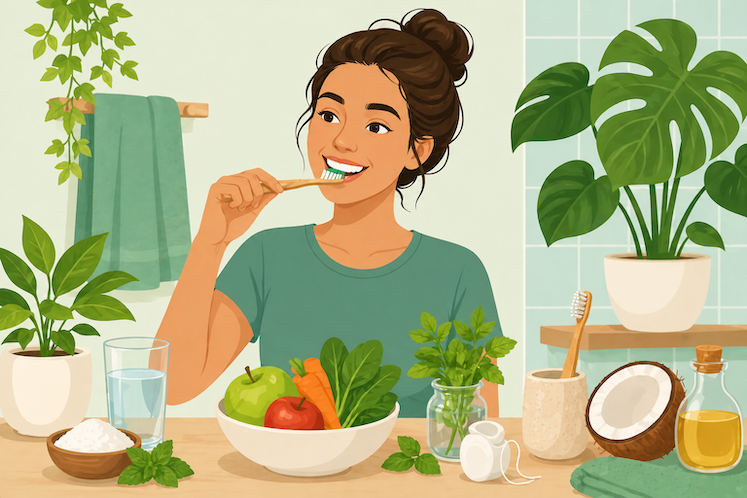
Natural ways to improve oral health start with simple daily habits that protect your teeth, gums, breath, and overall comfort. While professional dental care is still essential, what you do at home every day has a major impact on your long-term oral health.
A healthier mouth does not require a complicated routine. With the right brushing habits, better food choices, proper hydration, and consistent preventive care, you can reduce plaque buildup, support healthier gums, and keep your smile feeling fresh.
Why Natural Oral Health Habits Matter
Your mouth is home to bacteria, saliva, soft tissue, enamel, and gums that all work together. When that balance is disrupted, problems like cavities, gum inflammation, bad breath, and sensitivity can become more common.
Natural oral care focuses on supporting that balance. It does not mean avoiding dentists or replacing professional treatment. Instead, it means building habits that make your mouth stronger between visits.
Small choices matter. Drinking more water, limiting sugar, brushing correctly, and eating nutrient-rich foods can all help create a healthier oral environment.
Brush Gently, But Thoroughly
Brushing is still one of the most effective ways to improve oral health naturally. The key is doing it correctly.
Use a soft-bristled toothbrush and fluoride toothpaste twice a day. Brush for about two minutes, reaching the front, back, and chewing surfaces of every tooth.
Avoid aggressive scrubbing. Brushing too hard can irritate gums and wear down enamel over time. A gentle circular motion is usually more effective and safer.
A worn toothbrush cannot clean properly, so it helps to replace toothbrush regularly before the bristles become frayed.
Floss Every Day for Healthier Gums
Brushing cleans the visible tooth surfaces, but it cannot fully reach between teeth. That is where flossing becomes important.
Daily flossing helps remove plaque and food particles from tight spaces where cavities and gum problems often start. If traditional floss feels difficult, try floss picks, interdental brushes, or a water flosser.
Bleeding gums may happen when you first restart flossing, but regular bleeding should be checked by a dental professional.
Drink More Water Throughout the Day
Water is one of the simplest natural tools for better oral health. It helps rinse away food particles, supports saliva production, and reduces the impact of acids in the mouth.
This is especially helpful after meals or snacks. If you cannot brush right away, drinking water can still help keep your mouth cleaner.
Water is also a better daily choice than soda, sweet tea, juice, or energy drinks, which can expose teeth to sugar and acid.
Support Saliva Production Naturally
Saliva protects your teeth by washing away debris and helping neutralize acids. When your mouth is dry, bacteria can grow more easily and cavities may develop faster.
To support saliva naturally, stay hydrated, chew sugar-free gum, and limit alcohol, tobacco, and excessive caffeine.
Dry mouth can also be caused by medications or medical conditions. If it happens often, bring it up during your next dental visit.
Eat Foods That Strengthen Teeth and Gums
A healthy diet supports a healthy mouth. Calcium-rich foods, lean proteins, leafy greens, crunchy vegetables, and vitamin-rich fruits all play a role in oral wellness.
Dairy products, fortified alternatives, almonds, greens, eggs, fish, and beans can help support teeth and bone health. Crunchy vegetables like carrots and celery can also stimulate saliva while helping clear food particles.
Try to limit frequent snacking on sticky or sugary foods. It is not only the amount of sugar that matters, but how often your teeth are exposed to it.
Reduce Sugar Without Feeling Restricted
Sugar feeds harmful bacteria in the mouth. These bacteria produce acids that can weaken enamel and increase cavity risk.
You do not need to remove every sweet food from your life. A more realistic approach is to reduce frequency, choose water afterward, and avoid sipping sugary drinks for long periods.
If you enjoy sweets, have them with meals instead of grazing throughout the day. Your mouth handles occasional exposure better than constant exposure.
Choose Mouth-Friendly Snacks
Snacking can either support or harm oral health depending on what you choose.
Better options include cheese, yogurt without added sugar, nuts, apples, carrots, cucumber, boiled eggs, and whole-grain snacks. These are less likely to coat the teeth in sticky sugars.
Sticky candies, dried fruit, sweet crackers, and sugary drinks can cling to teeth and increase acid exposure.
Use Natural Remedies Carefully
Some natural remedies can support oral hygiene, but not all internet trends are safe.
Saltwater rinses may help soothe irritated gums or minor mouth discomfort. Sugar-free gum can support saliva flow. A balanced diet can naturally reduce inflammation and support tissue health.
However, be cautious with harsh remedies like lemon juice, baking soda used too often, or charcoal toothpaste. These may damage enamel or irritate the mouth when used incorrectly.
Do Not Ignore Wisdom Tooth Problems
Natural oral care can help maintain a clean mouth, but it cannot fix every dental concern. Wisdom teeth, for example, may cause pain, crowding, infection, or swelling if they do not erupt properly.
If wisdom teeth are causing symptoms, it is better to address them early instead of waiting for the problem to become more painful. Understanding wisdom tooth costs can also make planning less stressful.
For parents helping a teenager prepare for treatment, teen wisdom planning can make the process feel more organized and manageable.
Protect Your Gums Every Day
Gum health is a major part of oral health. Healthy gums should not bleed regularly, feel swollen, or pull away from the teeth.
To protect your gums, brush along the gumline gently, floss daily, avoid tobacco, and keep up with dental cleanings.
If your gums bleed often, feel tender, or look red and puffy, do not assume it will go away on its own. Gum disease is easier to manage when caught early.
Avoid Tobacco and Limit Alcohol
Tobacco can stain teeth, irritate gums, slow healing, and increase the risk of serious oral health problems. Quitting is one of the best natural steps you can take for your mouth and overall health.
Alcohol can also contribute to dry mouth, especially when consumed often. Many alcoholic drinks are acidic or sugary, which can increase enamel stress.
Reducing both can help your mouth feel cleaner, fresher, and healthier.
Clean Your Tongue
Bad breath often starts on the tongue, where bacteria and food particles can collect.
Gently brush your tongue each time you brush your teeth, or use a tongue scraper. Do not press too hard. A light, consistent routine is enough for most people.
Tongue cleaning can make your mouth feel fresher and support better overall hygiene.
Keep Dental Visits Part of Your Natural Routine
Even with excellent home care, professional dental visits are still important. Dentists can spot early signs of decay, gum disease, infections, oral lesions, bite issues, and impacted teeth.
Cleanings also remove hardened tartar that brushing and flossing cannot remove at home.
If you have pain, swelling, bleeding, or ongoing discomfort, it is best to book dental appointment before the issue becomes more serious.
Build a Simple Oral Health Routine
A natural oral health routine should be easy enough to follow every day.
Brush twice daily. Floss once daily. Drink water often. Eat nutrient-rich foods. Limit sugar frequency. Clean your tongue. Replace your toothbrush regularly. See your dentist for preventive care.
The goal is not perfection. The goal is consistency.
FAQ
Can oral health really improve naturally?
Yes, daily habits can improve oral health naturally by reducing plaque, supporting saliva, protecting gums, and lowering cavity risk. However, professional dental care is still needed for cleanings, diagnosis, and treatment.
What is the best natural way to strengthen teeth?
The best approach is a combination of fluoride toothpaste, a calcium-rich diet, proper brushing, hydration, and regular dental checkups. No single habit does everything on its own.
Is oil pulling enough to clean teeth?
Oil pulling should not replace brushing, flossing, or dental visits. Some people use it as an extra step, but it is not a substitute for proven oral hygiene habits.
How can I improve gum health naturally?
Brush gently along the gumline, floss daily, avoid tobacco, drink water, eat a balanced diet, and schedule dental care if bleeding or swelling continues.
What foods are best for oral health?
Calcium-rich foods, leafy greens, lean proteins, crunchy vegetables, nuts, and low-sugar dairy products can support healthier teeth and gums.
How often should I see a dentist?
Most people benefit from dental visits every six months, but some may need more frequent care depending on gum health, medical history, or existing dental concerns.
Conclusion
Natural ways to improve oral health are built around consistent, practical habits. Brushing well, flossing daily, drinking water, eating supportive foods, limiting sugar, and caring for your gums can make a real difference.
When paired with professional dental care, these habits help protect your smile, freshen your breath, and support long-term oral wellness.
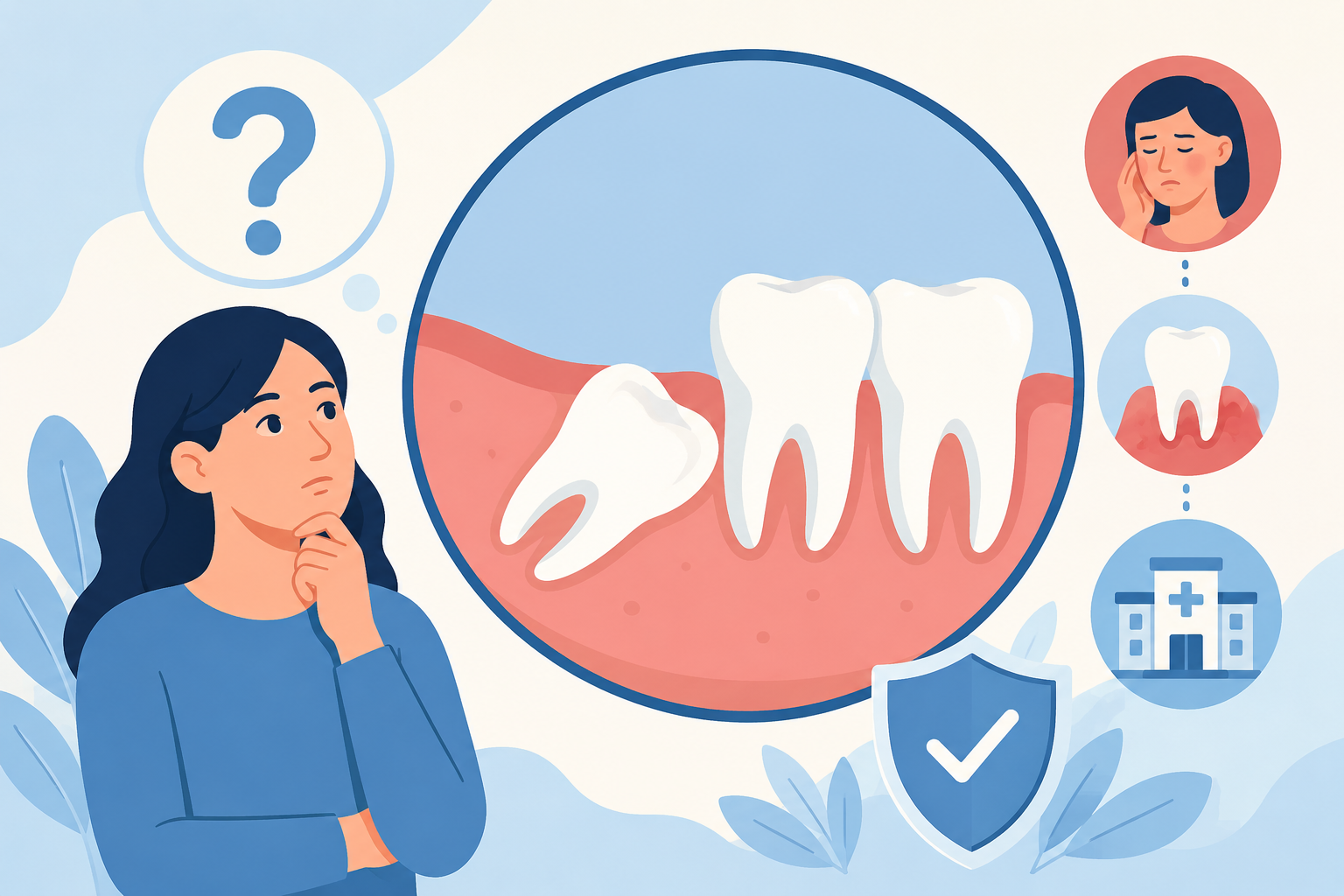
How Rare Are Serious Wisdom Tooth Complications?
June 12, 2026
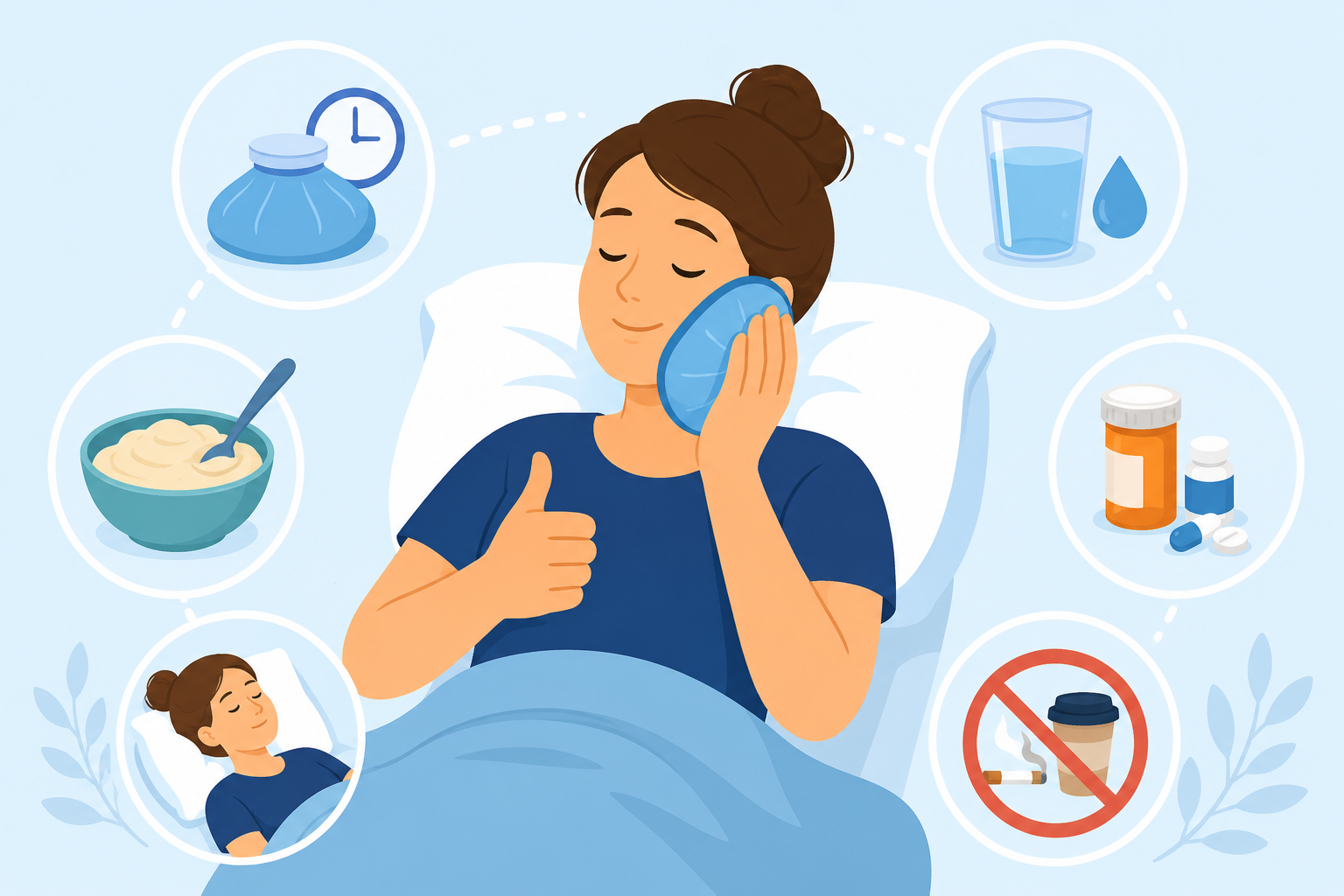
Speed Up Your Wisdom Teeth Recovery with These Practical Tips
June 8, 2026
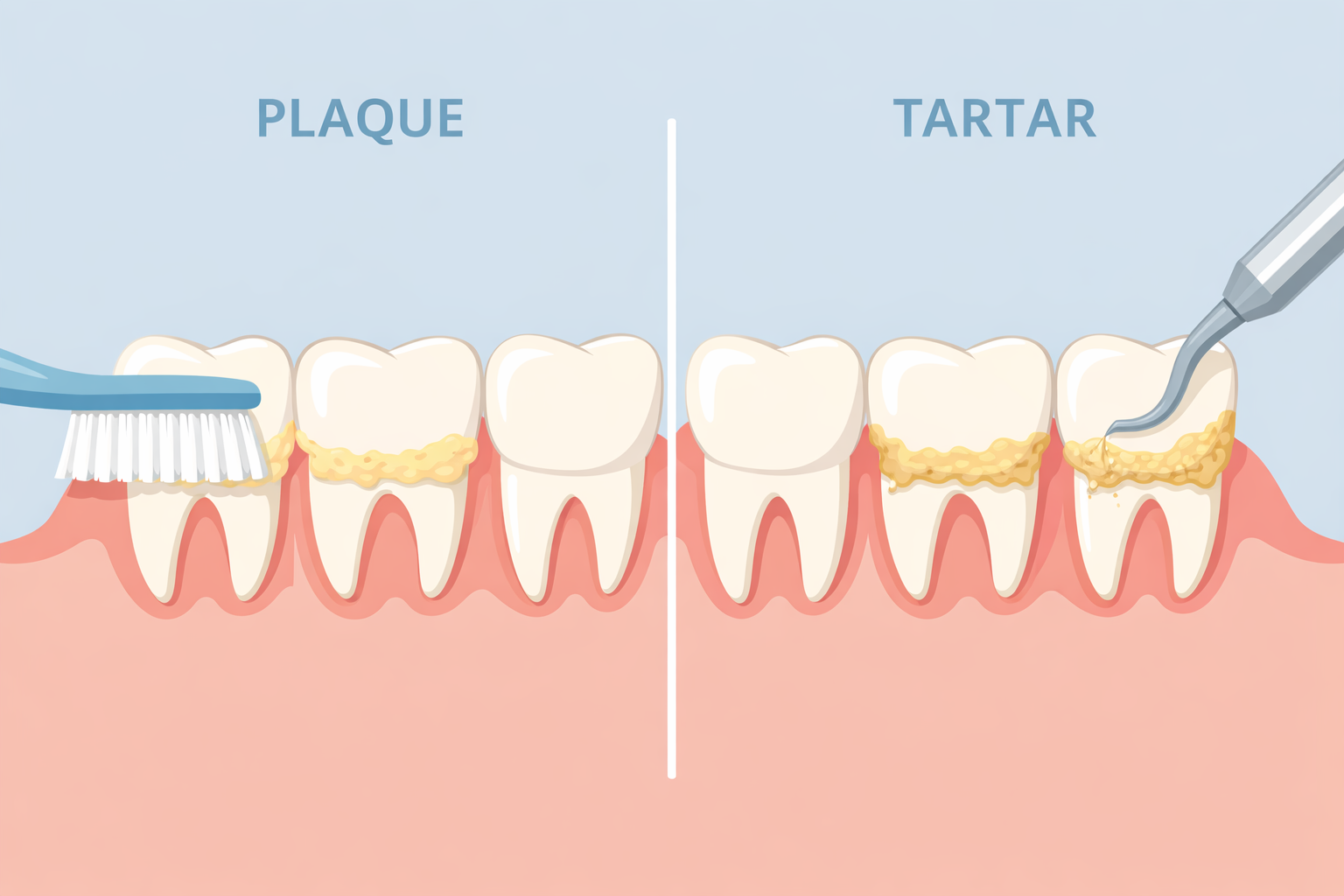
Plaque vs. Tartar: What’s the Difference?
January 16, 2026

How to Prepare Your Teen for Wisdom Tooth Removal
February 16, 2026
Can Diabetics Safely Undergo Oral Surgery?
January 6, 2026