Long-Term Care Tips for Healthy Dental Implants
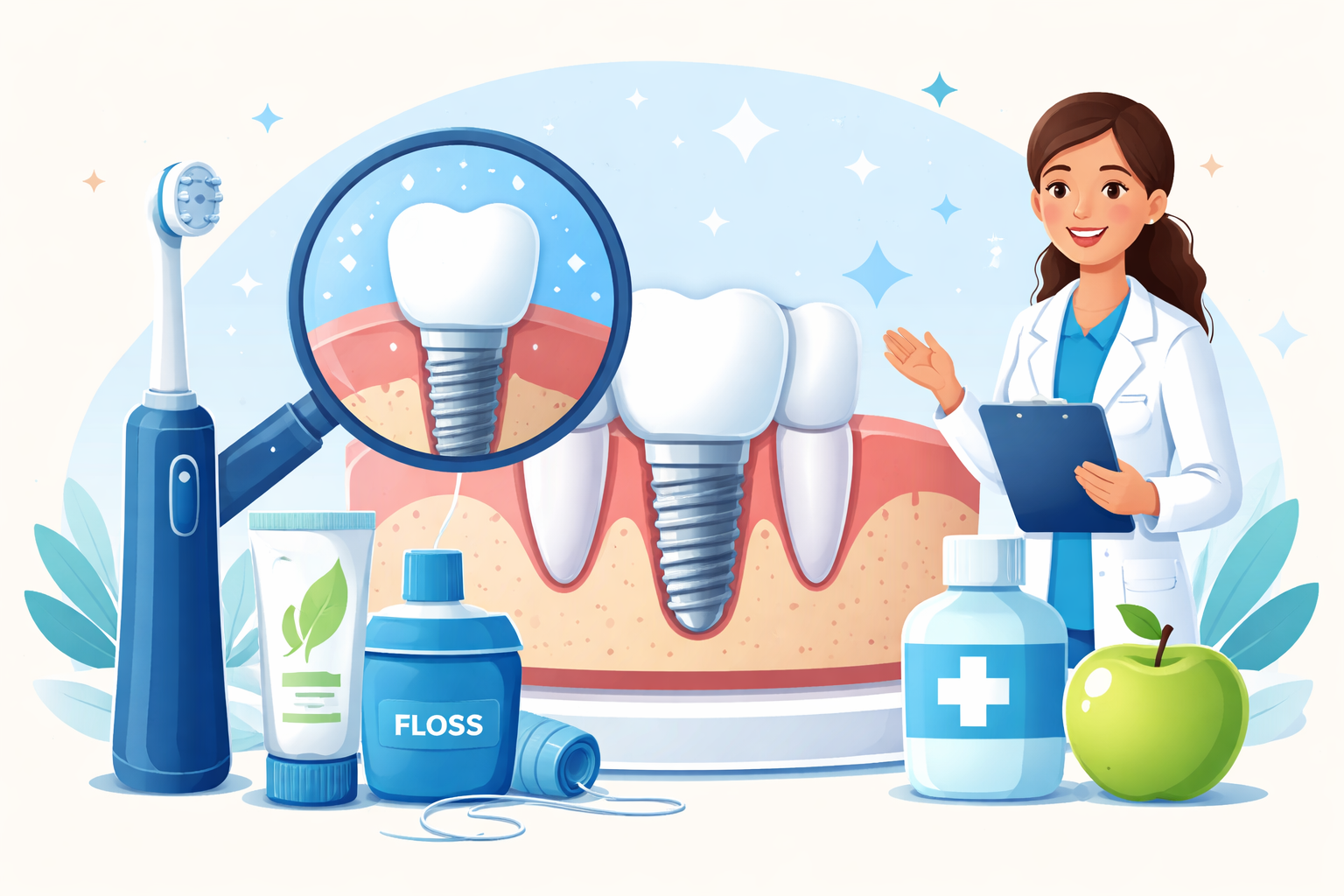
Dental implants have become one of the most reliable and long-lasting solutions for replacing missing teeth. Designed to function like natural teeth, implants restore chewing ability, improve appearance, and support overall oral health. However, while dental implants are highly durable, their long-term success still depends on proper care and maintenance.
Many patients assume that implants require little attention after placement, but consistent oral hygiene and regular dental care play an essential role in protecting the surrounding gums and bone. With the right habits, dental implants can remain healthy and functional for decades.
This guide explains how to care for dental implants long term, what habits help maintain implant health, and how to avoid complications that could affect their longevity.
Understanding How Dental Implants Work
Dental implants are artificial tooth roots made from biocompatible materials, usually titanium. These posts are surgically placed into the jawbone, where they fuse with the bone through a process known as osseointegration. Once the implant integrates successfully, it supports a crown, bridge, or denture that restores the appearance and function of a natural tooth.
Because implants bond with the bone, they provide a stable and durable foundation. However, while the implant itself cannot develop cavities, the surrounding gum tissue and supporting bone must remain healthy.
Without proper care, issues such as gum inflammation or bone loss can threaten the stability of the implant.
Why Long-Term Care Matters for Dental Implants
Dental implants are designed to be permanent, but their lifespan depends largely on how well they are maintained. Poor oral hygiene, smoking, and untreated gum disease can lead to complications such as peri-implantitis, a condition similar to gum disease that affects the tissues around implants.
Long-term implant care protects both the implant and the surrounding structures that support it.
Benefits of Proper Implant Maintenance
Consistent care helps patients:
- Prevent gum infections around the implant
- Protect the surrounding bone structure
- Extend the life of the implant restoration
- Maintain comfortable chewing and speaking
- Preserve a natural-looking smile
Patients who maintain good oral health habits often find that implants remain stable for many years without complications.
Daily Habits That Protect Dental Implants
Just like natural teeth, dental implants benefit from daily cleaning and proper oral hygiene routines. While implants cannot decay, plaque and bacteria can still accumulate around the gum line.
Brush Twice a Day
Brushing at least twice a day helps remove plaque and bacteria that may accumulate around implants.
Use a soft-bristled toothbrush and non-abrasive toothpaste to protect both the implant crown and surrounding gums. Electric toothbrushes can also be helpful because they provide consistent cleaning with minimal effort.
When brushing, pay special attention to the area where the implant crown meets the gum line.
Floss Around Implants Daily
Flossing is essential for removing plaque between teeth and around implants. Traditional floss works well for many patients, but specialized tools can provide additional benefits.
These may include:
- Implant-specific floss
- Water flossers
- Interdental brushes
These tools help clean areas that a toothbrush cannot easily reach.
Use an Antibacterial Mouthwash
An antibacterial mouth rinse can help reduce bacteria in the mouth and support healthy gums. Many dentists recommend alcohol-free rinses to prevent irritation while still controlling plaque buildup.
Using mouthwash as part of a daily routine can provide extra protection against inflammation around implants.
Maintain Regular Dental Checkups
Routine dental visits are essential for monitoring implant health. Even if implants feel comfortable and stable, professional evaluations allow dentists to detect early signs of potential problems.
During checkups, dental professionals examine:
- Gum health around the implant
- Bone stability
- Crown condition
- Bite alignment
Professional cleanings also remove hardened plaque deposits that cannot be removed with brushing alone.
Patients typically benefit from dental visits every six months, although some individuals may require more frequent monitoring depending on their oral health.
Protect Your Implants from Damage
Although dental implants are strong, excessive pressure or trauma can damage the crown or surrounding structures.
Avoid Using Teeth as Tools
Using teeth to open packages or bite hard objects can place unnecessary stress on dental implants. These habits can damage crowns or lead to fractures.
Instead, use proper tools for tasks that require force.
Be Careful with Hard Foods
Extremely hard foods such as ice, hard candies, and unpopped popcorn kernels can place stress on dental restorations.
While implants restore normal chewing ability, avoiding very hard items helps protect both natural teeth and implant crowns.
Wear a Night Guard if Needed
Some individuals grind or clench their teeth during sleep, a condition known as bruxism. This habit can place excessive pressure on implants and natural teeth alike.
Dentists may recommend a custom night guard to protect teeth and implants from nighttime grinding.
Watch for Signs of Implant Problems
Early detection of complications greatly improves the chances of successful treatment. Patients should remain aware of any changes in the implant area.
Symptoms That Should Not Be Ignored
Contact a dental professional if you notice:
- Persistent swelling or redness around the implant
- Bleeding gums near the implant site
- Pain when chewing
- A loose implant crown
- Unusual sensitivity or discomfort
These symptoms could indicate inflammation, infection, or mechanical issues that require professional attention.
Prevent Gum Disease Around Implants
Healthy gums play a critical role in the success of dental implants. Gum disease can damage the tissues and bone that support implants, potentially leading to implant failure.
What Is Peri-Implantitis?
Peri-implantitis is an inflammatory condition that affects the gums and bone around dental implants. It is similar to periodontal disease but occurs around implants rather than natural teeth.
If untreated, peri-implantitis can cause bone loss and compromise the implant’s stability.
Steps to Prevent Gum Disease
Maintaining healthy gums involves:
- Daily brushing and flossing
- Routine dental cleanings
- Avoiding tobacco use
- Managing conditions like diabetes
Early treatment of gum inflammation is essential for protecting implants.
Maintain a Healthy Lifestyle
Overall health plays an important role in oral health and implant success. Certain habits can significantly influence how well implants perform over time.
Avoid Smoking
Smoking is one of the leading risk factors for implant complications. Tobacco use reduces blood flow to the gums and slows healing, increasing the likelihood of infection or bone loss.
Patients who quit smoking often experience improved implant stability and overall oral health.
Follow a Balanced Diet
A nutritious diet supports both bone health and gum health. Foods rich in vitamins and minerals help maintain strong tissues that support implants.
Key nutrients include:
- Calcium for bone strength
- Vitamin D for bone metabolism
- Vitamin C for gum health
Limiting sugary foods can also help prevent bacterial buildup in the mouth.
Understand the Role of Professional Implant Care
Dental implants require occasional professional monitoring to ensure that the restoration remains secure and healthy.
During implant maintenance visits, dental professionals may perform specialized cleanings using instruments designed for implants. These tools prevent scratching the implant surface while effectively removing plaque.
Dentists also evaluate bite alignment and the integrity of the implant crown.
Patients considering long-term tooth replacement options often explore procedures like modern dental implant treatment to restore both function and appearance with durable results.
How Dental Implants Compare to Other Tooth Replacement Options
Dental implants are often considered the most advanced solution for replacing missing teeth. Unlike removable dentures or traditional bridges, implants integrate directly with the jawbone.
This integration provides several advantages.
Long-Term Stability
Because implants fuse with the bone, they offer greater stability than removable options. Patients can eat, speak, and smile confidently without worrying about shifting prosthetics.
Bone Preservation
When a tooth is lost, the jawbone in that area can gradually shrink. Implants help stimulate the bone and maintain its structure, preserving facial shape over time.
Natural Appearance
Modern implant crowns are designed to match natural teeth in color, shape, and size. This allows them to blend seamlessly into the smile.
In cases where damaged or impacted teeth must first be removed, a safe wisdom tooth removal may be necessary before restoring the area with implants.
The Lifespan of Dental Implants
Dental implants are designed to last many years, and with proper care, they can remain functional for decades.
While the titanium implant post often lasts a lifetime, the crown attached to it may need replacement over time due to normal wear. Regular dental evaluations help ensure that the restoration continues to function properly.
Factors that influence implant longevity include:
- Oral hygiene habits
- Gum health
- Bone density
- Lifestyle factors such as smoking
- Regular dental visits
Patients who follow proper care routines typically enjoy long-lasting results from their implants.
When to Schedule an Implant Checkup
Routine dental visits are essential for maintaining the health of implants and surrounding tissues. Even if everything feels normal, regular examinations allow dental professionals to detect small changes early.
Patients who have recently received implants or who notice any discomfort should consider scheduling an evaluation. A consultation can help determine whether the implant is healing properly and ensure the surrounding tissues remain healthy.
If you are considering implant treatment or need guidance on maintaining your restoration, scheduling a visit can help you receive personalized care from an experienced oral surgeon.
Final Thoughts on Long-Term Dental Implant Care
Dental implants provide a dependable and natural-looking solution for replacing missing teeth. Their long-term success depends not only on the surgical procedure but also on consistent oral care and healthy habits.
By brushing and flossing daily, attending regular dental checkups, maintaining a healthy lifestyle, and addressing potential issues early, patients can protect their implants for many years.
With the right care routine, dental implants can restore confidence, improve oral function, and support lasting dental health.
When a Tooth Can’t Be Saved?
January 2, 2026
Sleep Dentistry for Wisdom Tooth Removal: Is It Right?
April 3, 2026
Why Wisdom Teeth Removal Costs Vary
May 21, 2026
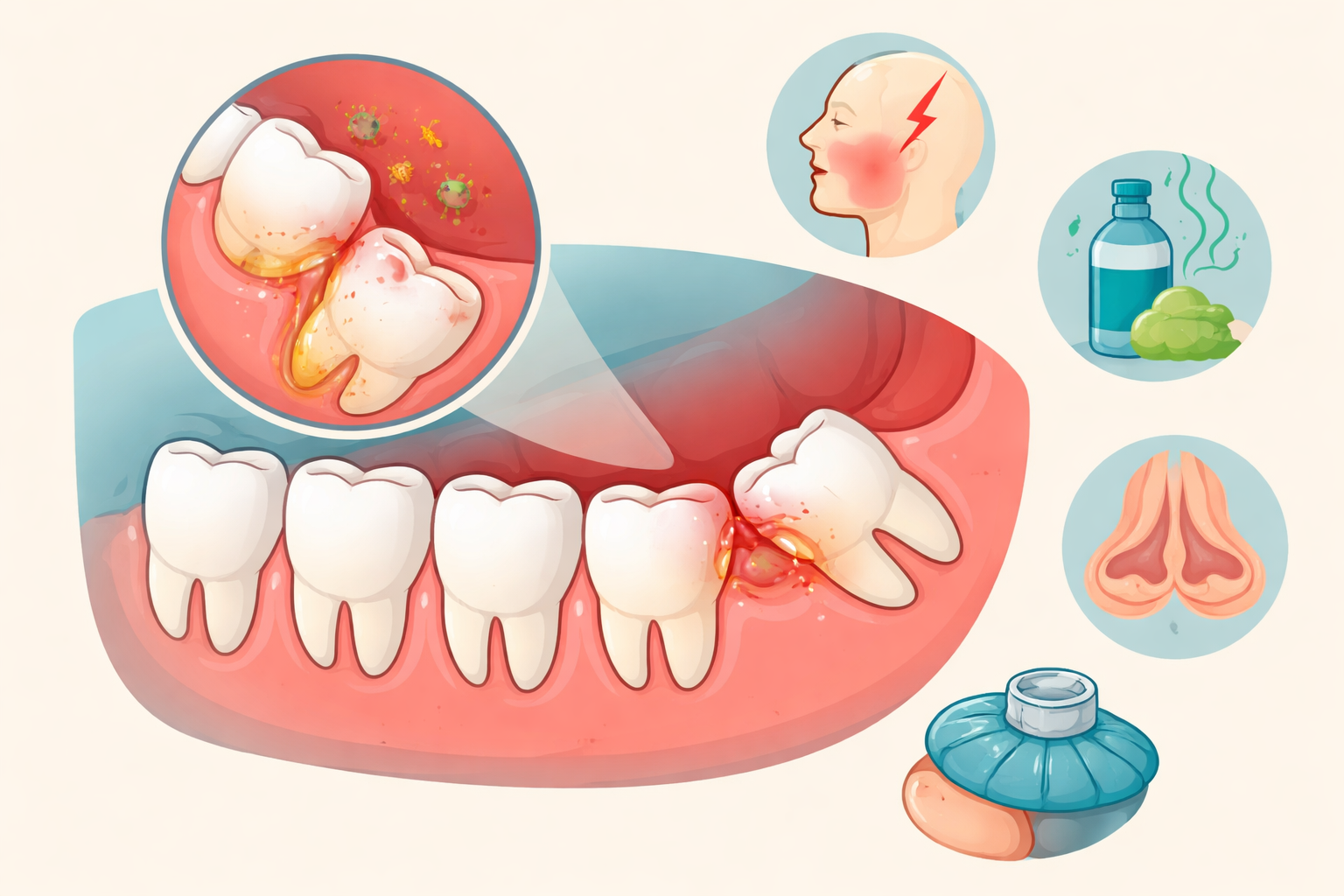
Impacted Wisdom Teeth: Symptoms You Shouldn’t Ignore
February 27, 2026
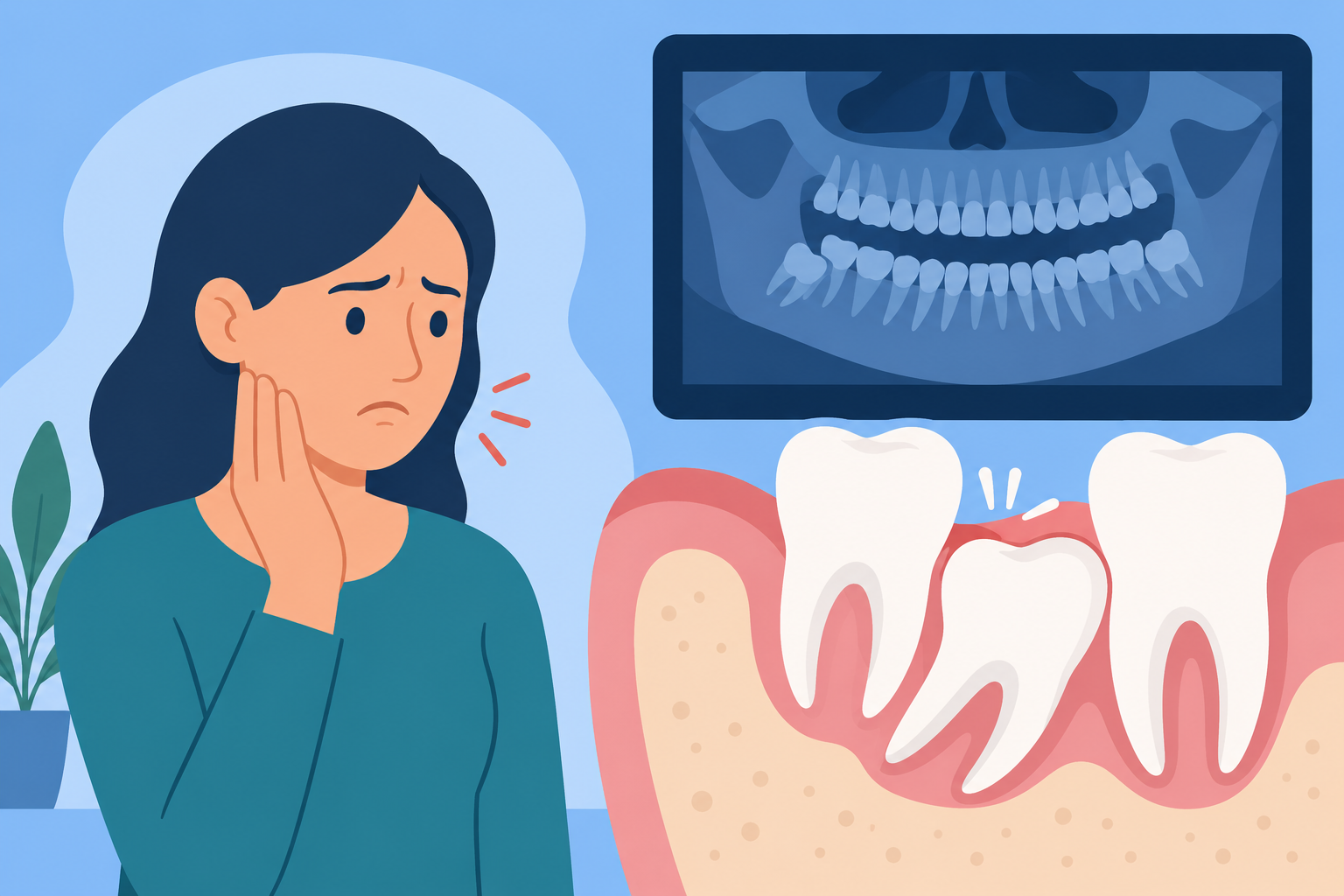
Can Wisdom Teeth Grow in Your 30s? Here’s Why
May 14, 2026