The Best Daily Oral Hygiene Routine for Busy Adults
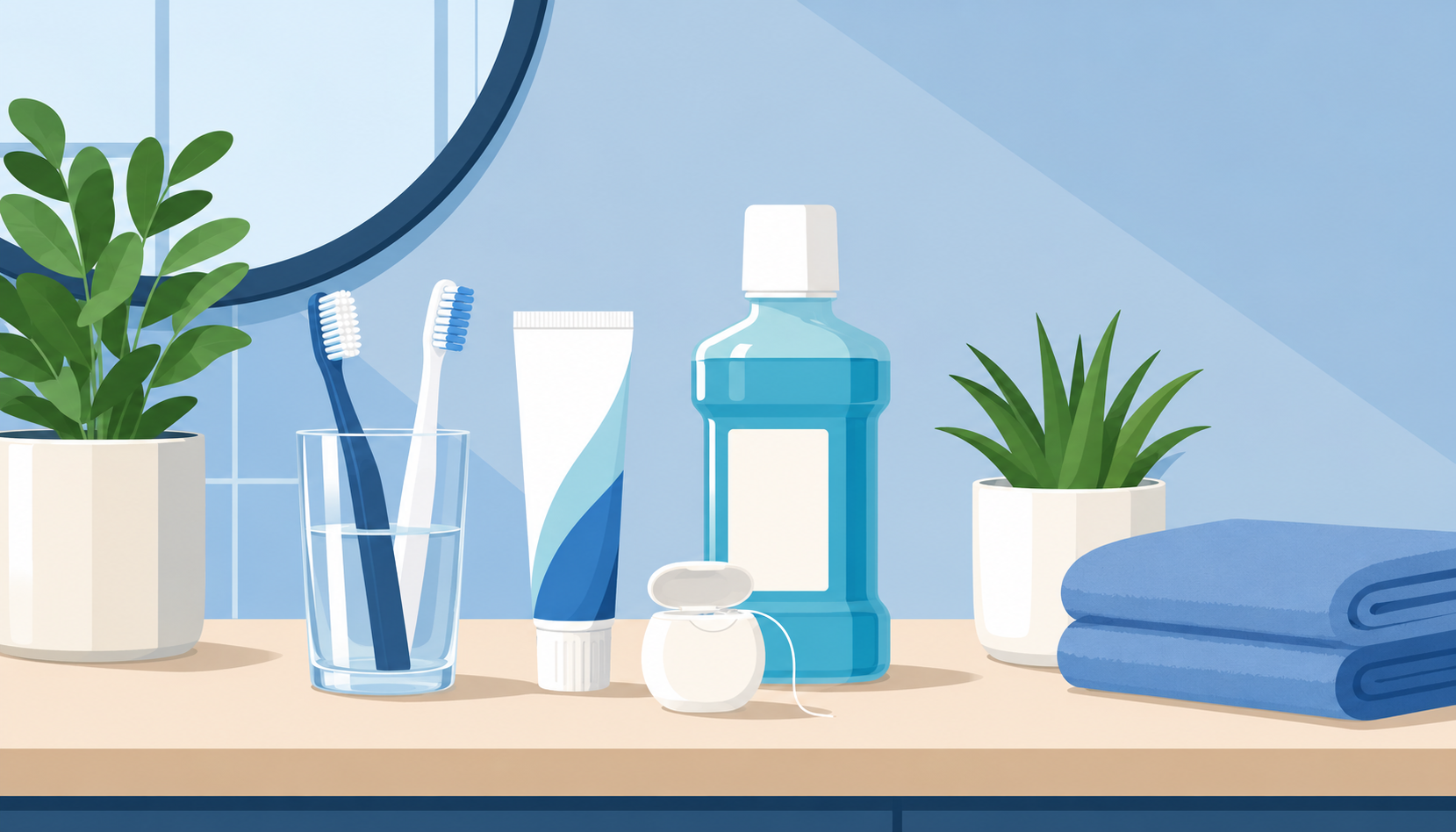
Staying consistent with oral hygiene can feel difficult when your schedule is packed with work, family responsibilities, errands, and everything in between. But even on busy days, your teeth and gums still need proper care. Skipping basic oral hygiene habits can eventually lead to cavities, gum disease, bad breath, tooth sensitivity, and even more serious dental problems that require costly treatment.
The good news is that maintaining a healthy smile does not require hours in front of the bathroom mirror. With the right routine and a few practical habits, busy adults can protect their oral health without disrupting their day.
This guide breaks down the best oral hygiene routine for busy adults, including realistic daily habits, smart product choices, and professional dental tips that help keep your teeth healthy long-term.
Why Oral Hygiene Matters More Than Most Adults Realize
Many adults only think about oral health when they feel pain or notice a visible problem. Unfortunately, dental issues often develop quietly over time.
Plaque buildup, gum inflammation, and tooth decay can progress without obvious symptoms in the early stages. That is one reason why dentists frequently stress prevention instead of waiting for discomfort to appear.
Poor oral hygiene can also affect more than your mouth. Research continues to connect oral health to overall health conditions such as heart disease, diabetes, and chronic inflammation.
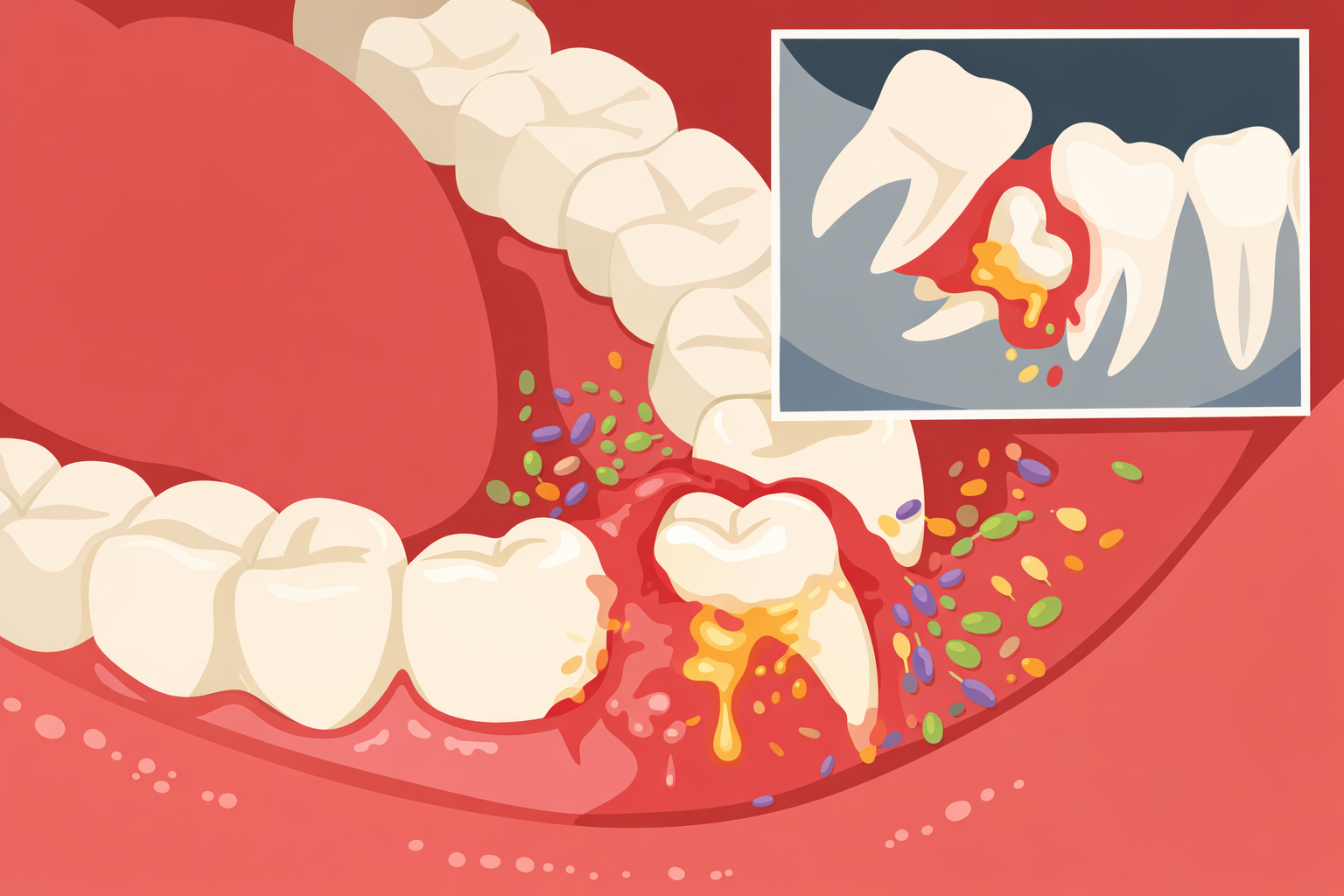
If you already have signs of dental discomfort, recurring swelling, or jaw issues, understanding the hidden dental health risks associated with delayed care can help prevent more serious problems later.
The Ideal Morning Oral Hygiene Routine
Starting your day with proper oral care helps reduce bacteria buildup and freshens your breath before work, meetings, or social interactions.
Brush for a Full Two Minutes
Many adults rush through brushing in less than a minute. That often leaves plaque behind along the gumline and between teeth.
Use a soft-bristled toothbrush and fluoride toothpaste. Brush gently using circular motions rather than aggressive scrubbing, which can damage enamel and irritate gums.
Electric toothbrushes can also help busy adults improve brushing consistency because they often include built-in timers and pressure sensors.
Do Not Skip Your Tongue
Your tongue traps bacteria that contribute to bad breath and plaque buildup. Cleaning it only takes a few seconds but makes a noticeable difference.
Use a tongue scraper or gently brush your tongue from back to front after brushing your teeth.
Floss Before Leaving the House
Flossing removes food particles and plaque from areas your toothbrush cannot reach. Even if you only floss once daily, doing it consistently matters.
Busy adults who struggle with traditional floss can use:
- Water flossers
- Floss picks
- Interdental brushes
The easier your routine feels, the more likely you are to stick with it.
Use an Alcohol-Free Mouthwash
Mouthwash helps reduce bacteria and freshens breath, but alcohol-heavy formulas may dry out your mouth.
Dry mouth can increase cavity risk, especially for adults who drink coffee regularly, take medications, or work long hours without enough hydration.
Smart Oral Hygiene Habits During the Day
Oral health is not only about what happens in the morning and evening. Your daily habits also play a major role.
Stay Hydrated Throughout the Day
Water helps rinse away food particles and bacteria while supporting saliva production.
Saliva is important because it naturally protects teeth from acid and plaque buildup.
Adults who consume multiple cups of coffee, energy drinks, or soda daily should make hydration a priority.
Be Careful With Frequent Snacking
Constant snacking exposes teeth to repeated acid attacks throughout the day.
Sugary snacks and acidic drinks are especially harmful because they feed bacteria that contribute to tooth decay.
If possible:
- Limit sugary beverages
- Choose healthier snacks
- Rinse your mouth with water after eating
Keep a Travel Oral Care Kit
Busy schedules often lead to skipped brushing sessions after lunch or long workdays.
A simple travel kit can help you stay consistent. Consider carrying:
- A travel toothbrush
- Mini toothpaste
- Floss picks
- Sugar-free gum
Sugar-free gum can stimulate saliva production when brushing is not immediately possible.
The Best Nighttime Oral Hygiene Routine
Your nighttime routine is arguably the most important part of your day.
When you sleep, saliva production decreases. That gives bacteria more opportunity to grow overnight.
Never Sleep Without Brushing
Even after exhausting days, brushing before bed is essential.
Food particles and plaque left overnight increase the risk of cavities and gum disease.
Use fluoride toothpaste and take your time cleaning every surface of your teeth.
Floss Thoroughly at Night
Nighttime flossing helps remove buildup from the entire day.
Adults who regularly skip flossing often experience:
- Bleeding gums
- Persistent bad breath
- Gum inflammation
- Increased cavity risk
Consistency matters more than perfection.
Consider a Night Guard if You Grind Your Teeth
Stress and busy lifestyles can contribute to teeth grinding during sleep.
Grinding may cause:
- Jaw pain
- Headaches
- Cracked teeth
- Tooth sensitivity
If you notice jaw soreness or tightness, professional evaluation may help identify underlying issues early.
Common Oral Hygiene Mistakes Busy Adults Make
Even people who brush daily may unknowingly harm their oral health through certain habits.
Brushing Too Hard
Aggressive brushing does not clean better. Instead, it can wear down enamel and irritate gums.
Gentle pressure with proper technique is far more effective.
Skipping Dental Appointments
Many adults postpone dental visits because of work schedules or lack of symptoms.
Unfortunately, waiting until pain appears can lead to more invasive treatment later.
Routine exams help identify problems early before they become more serious or expensive.
Using Teeth as Tools
Opening packages or bottles with your teeth can lead to cracks and fractures.
Even small fractures can eventually require crowns, root canals, or extractions.
Ignoring Wisdom Tooth Symptoms
Busy adults sometimes dismiss jaw discomfort or swelling as stress-related tension.
However, wisdom teeth problems can worsen gradually over time.
If you notice discomfort, swelling, or pressure in the back of your mouth, learning the early wisdom tooth signs may help you recognize when professional evaluation is necessary.
Oral Hygiene Tips for Adults With Extremely Busy Schedules
Some adults work long shifts, travel frequently, or juggle multiple responsibilities daily. In those cases, simplifying your routine can improve consistency.
Build a Habit Stack
Pair oral hygiene with habits you already do automatically.
For example:
- Brush immediately after showering
- Floss while preparing for bed
- Use mouthwash after skincare routines
Attaching habits together increases long-term consistency.
Use Technology to Stay Consistent
Electric toothbrushes with timers and mobile reminders can help maintain proper brushing duration.
Some smart toothbrushes even track brushing coverage.
Prioritize Consistency Over Perfection
Missing one flossing session is not the problem. Repeated inconsistency is.
A realistic daily routine performed consistently is far better than an overly complicated routine you cannot maintain.
How Diet Affects Oral Health
Oral hygiene products matter, but nutrition also plays a major role in protecting your teeth and gums.
Foods That Support Oral Health
Certain foods help strengthen enamel and support gum health, including:
- Leafy greens
- Cheese
- Yogurt
- Nuts
- Crunchy vegetables
- Apples
These foods can stimulate saliva production and provide minerals important for enamel protection.
Foods and Drinks That Increase Dental Problems
Frequent exposure to sugar and acid weakens enamel over time.
Common culprits include:
- Soda
- Sports drinks
- Candy
- Energy drinks
- Sticky snacks
- Sweetened coffee drinks
Even healthy-looking beverages like fruit juice can contribute to enamel erosion when consumed excessively.
When Oral Hygiene Alone Is Not Enough
Good oral hygiene helps prevent many dental problems, but some conditions still require professional care.
Signs You Should Schedule a Dental Evaluation
You should not ignore:
- Persistent tooth pain
- Swollen gums
- Jaw discomfort
- Chronic bad breath
- Bleeding gums
- Difficulty chewing
- Tooth sensitivity
Delaying treatment may allow problems to worsen.
Adults dealing with jaw alignment concerns or oral surgery discussions often want to understand the lasting jaw surgery outcomes before moving forward with treatment plans.
Recovery Care Also Matters
Proper oral hygiene becomes even more important after dental procedures or extractions.
For example, adults recovering from wisdom tooth removal in warmer climates may benefit from understanding how Florida weather can affect healing and post-surgery swelling management.
How Often Should Busy Adults Visit the Dentist?
Most adults should schedule professional cleanings and exams every six months.
However, some individuals may require more frequent visits depending on:
- Gum disease risk
- Smoking history
- Diabetes
- Existing dental issues
- Teeth grinding
Professional cleanings remove hardened plaque that brushing and flossing cannot eliminate at home.
Creating a Sustainable Oral Hygiene Routine
The best oral hygiene routine is one you can realistically maintain every day.
Busy adults often fail because they try to create perfect routines instead of practical ones.
Focus on the basics:
- Brush twice daily
- Floss consistently
- Stay hydrated
- Limit sugary snacks
- Attend routine dental visits
Small daily habits create long-term results.
Protecting your oral health now can help you avoid unnecessary pain, costly procedures, and more complicated dental issues later.
If you are dealing with discomfort, wisdom tooth concerns, jaw pain, or overdue dental care, scheduling a professional evaluation can help identify problems early. You can schedule consultation with an experienced oral surgery team to discuss your symptoms and treatment options.
Schedule a Dental Consultation
Frequently Asked Questions
What is the most important part of an oral hygiene routine?
Brushing twice daily and flossing consistently are the foundation of good oral hygiene. Regular dental visits also play a major role in preventing long-term issues.
Is flossing really necessary every day?
Yes. Flossing removes plaque and food particles between teeth where toothbrush bristles cannot reach. Skipping flossing increases the risk of cavities and gum disease.
How long should adults brush their teeth?
Adults should brush for at least two full minutes twice daily using fluoride toothpaste and a soft-bristled toothbrush.
Are electric toothbrushes better than manual toothbrushes?
Electric toothbrushes can improve plaque removal and brushing consistency, especially for busy adults who tend to rush their routine.
What foods are best for healthy teeth?
Foods rich in calcium, fiber, and water content help support oral health. Good options include dairy products, leafy greens, apples, carrots, and nuts.
How often should adults replace their toothbrush?
Replace your toothbrush or electric toothbrush head every three to four months, or sooner if the bristles become frayed.
Can stress affect oral health?
Yes. Stress may contribute to teeth grinding, jaw pain, dry mouth, and neglected oral hygiene habits.
What happens if gum disease is ignored?
Untreated gum disease can lead to gum recession, tooth loss, bone damage, and increased risk of other health complications.
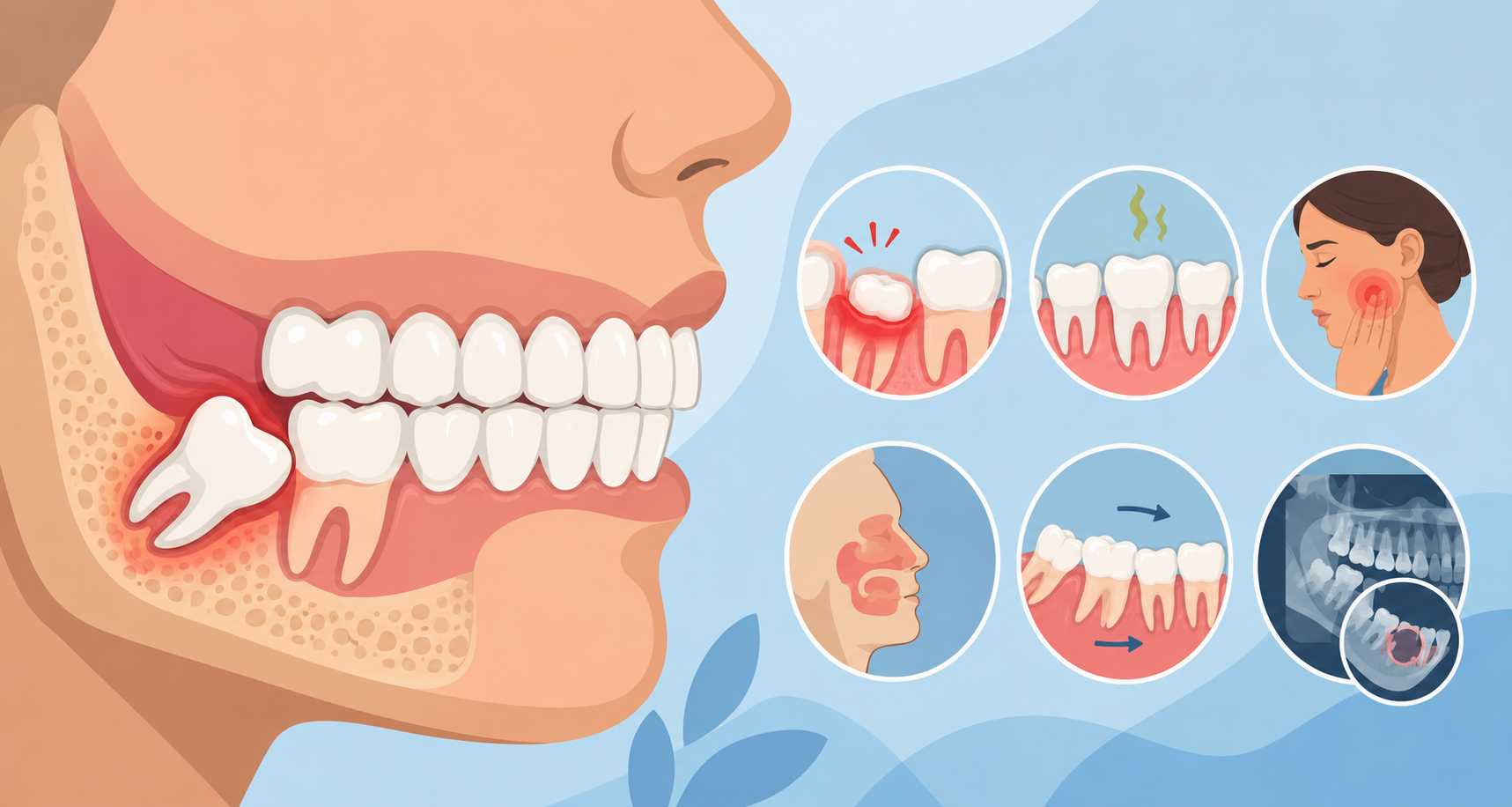
The Hidden Problems Wisdom Teeth Can Cause
May 15, 2026
Why Some People Never Get Wisdom Teeth
May 5, 2026
Nerve Damage After Wisdom Tooth Removal: How Common?
April 2, 2026
Gum Flap Infection Around Wisdom Teeth: Causes & Care
February 12, 2026

Best Dentist in Miami: What to Look For
February 19, 2026