Why Wisdom Tooth Pain Gets Worse at Night
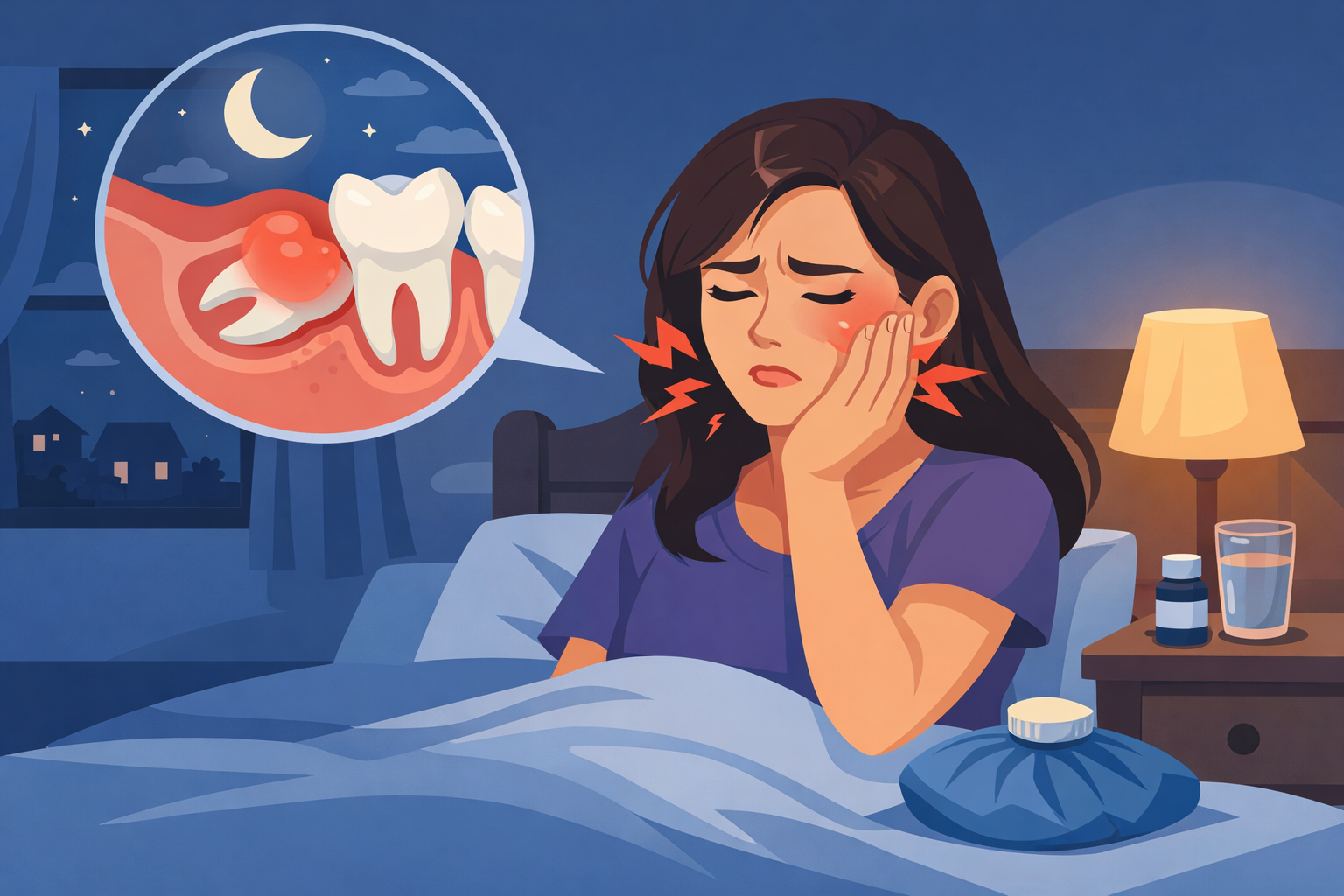
If your wisdom tooth pain seems to spike the moment you lie down, you’re not imagining it. Nighttime discomfort is a common complaint among patients dealing with wisdom teeth issues, and it often signals an underlying problem that shouldn’t be ignored.
Understanding why wisdom tooth pain gets worse at night can help you take the right steps early—before it turns into a more serious infection or complication. In this guide, we’ll break down the real causes, what symptoms to watch for, and when it’s time to seek professional care.
Why Wisdom Tooth Pain Feels Worse at Night
Increased Blood Flow When Lying Down
When you lie down, blood flow to your head increases. This added pressure can intensify inflammation around your wisdom tooth.
During the day, gravity helps reduce this pressure. At night, however, the buildup can make even mild irritation feel significantly more painful.
Reduced Distractions Make Pain More Noticeable
Throughout the day, your mind is occupied with work, conversations, and movement. These distractions naturally reduce your focus on discomfort.
At night, everything quiets down. With fewer distractions, your brain becomes more aware of the pain, making it feel stronger than it actually is.
Teeth Grinding (Bruxism) During Sleep
Many people unknowingly grind or clench their teeth at night. This condition, known as bruxism, puts extra pressure on your back molars—including wisdom teeth.
If your wisdom tooth is already sensitive or impacted, grinding can make the pain much worse by morning.
Existing Inflammation or Infection
Pain that worsens at night is often linked to inflammation or infection around the wisdom tooth.
If you’re experiencing swelling, a bad taste, or persistent discomfort, it could be an early sign of infection.
Common Causes of Nighttime Wisdom Tooth Pain
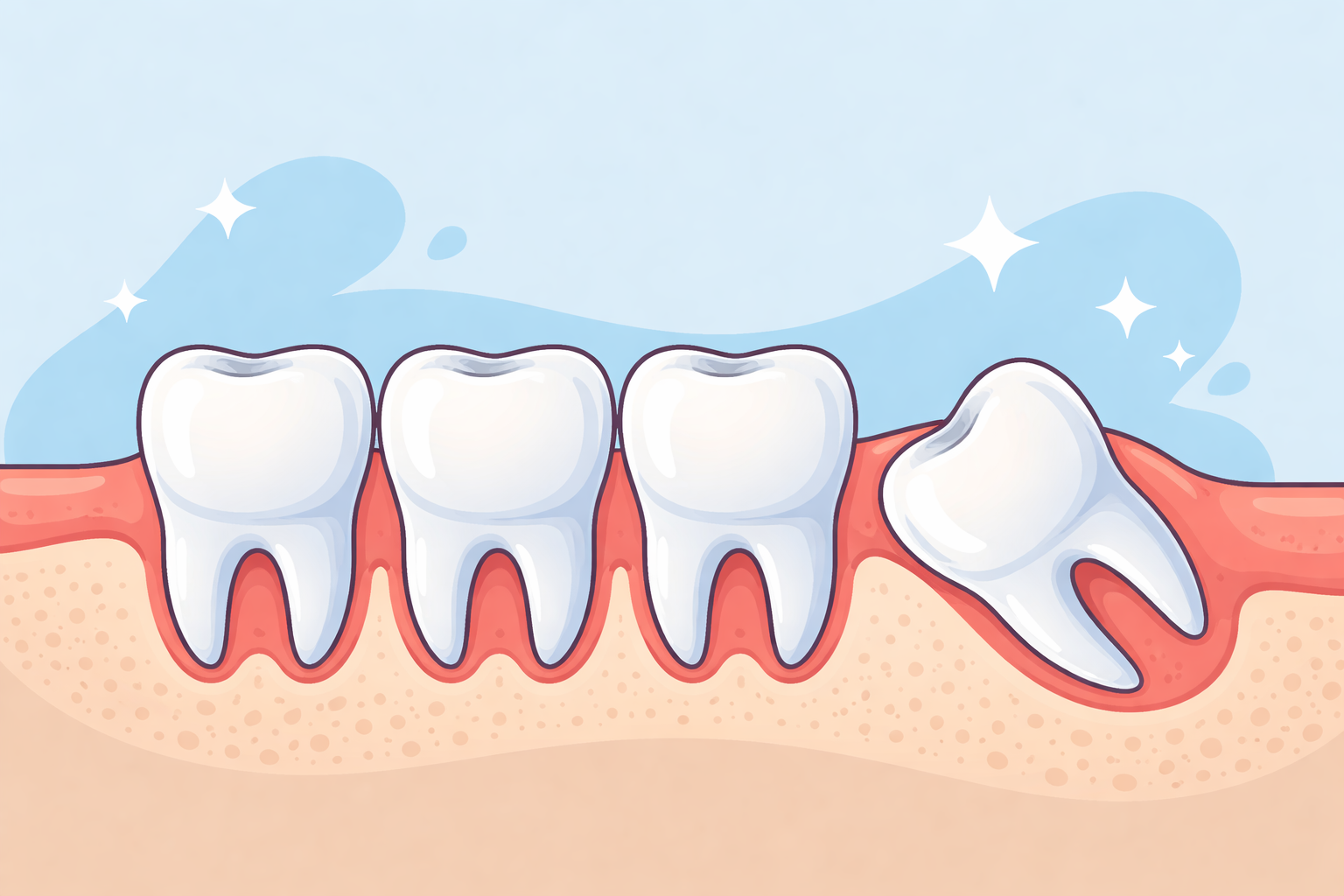
Impacted Wisdom Teeth
Impaction occurs when the tooth doesn’t have enough space to emerge properly. It may grow sideways or remain trapped under the gums.
This creates pressure on surrounding teeth and tissues, often leading to pain that becomes more noticeable at night.
Gum Infection (Pericoronitis)
When a wisdom tooth partially erupts, it creates a flap of gum tissue where bacteria can easily collect.
This condition can lead to:
- Swelling and redness
- Pain when chewing
- Difficulty opening your mouth
Symptoms often feel worse in the evening when inflammation builds up.
Tooth Decay in Hard-to-Reach Areas
Wisdom teeth are located far back in the mouth, making them harder to clean properly.
Food particles and bacteria can accumulate, leading to decay. This can cause throbbing pain that becomes more intense when you’re trying to rest.
Pressure on Nearby Teeth
If your wisdom tooth is pushing against adjacent molars, it can create ongoing discomfort.
Over time, this pressure may lead to alignment issues and increased sensitivity—especially when lying down.
Signs Your Wisdom Tooth Pain Is Getting Serious
Not all wisdom tooth pain requires immediate removal, but certain symptoms indicate it’s time to take action.
Persistent or Worsening Pain
If your pain isn’t improving or is getting worse each night, it’s a sign that the underlying issue is progressing.
Swelling in the Jaw or Face
Visible swelling often points to infection or inflammation that needs professional attention.
Fever or Difficulty Swallowing
These are more serious symptoms that may indicate the infection is spreading.
Bad Taste or Pus
A persistent bad taste in your mouth can signal bacterial buildup or infection.
What Happens If You Ignore the Pain?
Delaying treatment may seem manageable at first, especially if the pain comes and goes. However, the problem rarely resolves on its own.
Ignoring symptoms can lead to:
- Severe infections
- Damage to nearby teeth
- Gum disease
- More complex surgical procedures later
In fact, postponing treatment is one of the main reasons complications arise.
How to Manage Wisdom Tooth Pain at Night
While professional evaluation is essential, there are ways to temporarily reduce discomfort at home.
Elevate Your Head While Sleeping
Use an extra pillow to keep your head slightly elevated. This helps reduce blood pressure in the affected area.
Rinse with Warm Salt Water
Salt water can help reduce bacteria and soothe inflamed gums.
Apply a Cold Compress
Placing a cold compress on your cheek can help reduce swelling and numb the area.
Avoid Hard or Chewy Foods Before Bed
Stick to softer foods in the evening to prevent additional irritation.
Maintain Good Oral Hygiene
Even if it’s uncomfortable, keeping the area clean is crucial to prevent infection.
When Is Wisdom Tooth Removal Necessary?
Not all wisdom teeth need to be removed. However, removal is typically recommended if:
- The tooth is impacted
- There’s recurring pain or infection
- It’s affecting nearby teeth
- There’s evidence of decay or gum disease
An oral surgeon can evaluate your condition through imaging and determine the best course of action.
If you’re experiencing ongoing nighttime pain, it may be time to consult a surgeon and get a clear diagnosis.
Preventing Future Wisdom Tooth Pain
Even if your symptoms are mild now, early action can prevent more serious issues later.
Schedule Regular Dental Checkups
Routine exams can catch problems before they escalate.
Monitor Changes in Pain or Swelling
Pay attention to patterns—especially if pain worsens at night.
Address Issues Early
The sooner you evaluate a problematic wisdom tooth, the easier the treatment tends to be.
Conclusion
Wisdom tooth pain that worsens at night is more than just an inconvenience—it’s often a sign that something isn’t right.
Whether it’s increased blood flow, infection, or impaction, the key is not to ignore it. Early evaluation and proper care can prevent complications, reduce discomfort, and protect your overall oral health.
If nighttime pain is becoming a pattern, taking action now can save you from more complex issues down the line.
How Wisdom Teeth Can Cause Sinus Problems
February 2, 2026
Are Wisdom Teeth Genetic? What Families Should Know
May 11, 2026
Signs It’s Time to Remove Your Third Molars
April 25, 2026

When Can You Exercise After Tooth Removal?
January 23, 2026
Wisdom Teeth vs. Other Molars: What’s the Real Difference?
January 1, 2026