Main Cause of Delayed Wisdom Tooth Removal
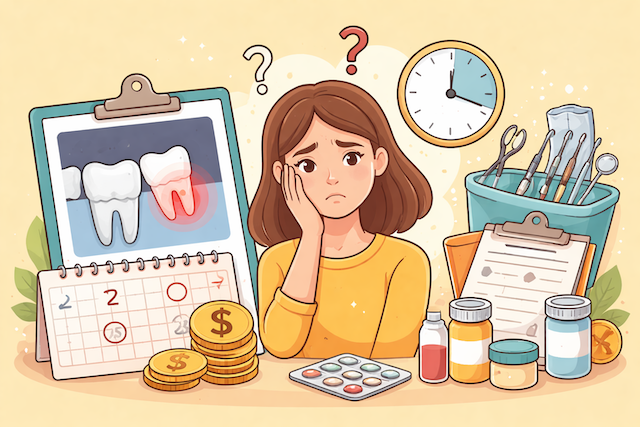
Wisdom tooth removal is one of the most commonly recommended oral surgery procedures, yet it’s also one of the most frequently postponed. Many patients wait months — sometimes years — before addressing problematic wisdom teeth, even after symptoms begin. While this delay often feels harmless at first, it can significantly increase the risk of pain, infection, and surgical complexity.
Understanding why people postpone wisdom tooth removal is critical. When patients recognize the real reasons behind the delay — and the potential consequences — they’re more likely to take action early, when treatment is simpler and recovery is faster.
In this guide, we’ll break down the #1 reason wisdom tooth removal gets delayed, what happens when you wait too long, and how early treatment protects your long-term oral health.
Why People Delay Wisdom Tooth Removal Too Long Often
Fear of Pain or Surgery
The single biggest reason patients delay wisdom tooth removal is fear. Many people imagine outdated surgical experiences, assume recovery will be extremely painful, or worry about complications they’ve heard about from others.
Modern oral surgery is very different from what patients often expect. Advances in imaging, anesthesia, and surgical techniques have made wisdom tooth removal safer, faster, and far more comfortable than in previous decades.
Most patients report mild to moderate soreness — not severe pain — and many return to normal daily activities within just a few days.
Why Fear Persists Despite Modern Dentistry
Outdated Information Online
Many online forums and outdated articles still describe older surgical methods or worst-case recovery scenarios. Patients reading these often assume those experiences are the norm, when they are not.
Today’s procedures are guided by digital imaging, precise surgical planning, and improved sedation options.
Stories From Friends and Family
People naturally remember extreme experiences. If someone had complications years ago, that story tends to get shared — even if it’s rare today.
Modern complication rates are low, especially when surgery is performed early.
Misunderstanding Recovery Time
Many patients assume they’ll be unable to work or function normally for weeks. In reality, most people:
- Resume light activities within 24–48 hours
- Return to work or school within 2–3 days (depending on job type)
- Fully recover in 1–2 weeks
Other Common Reasons Patients Delay Treatment
Lack of Symptoms (Yet)
One of the biggest misconceptions is:
“If it doesn’t hurt, it isn’t a problem.”
Wisdom teeth can cause hidden damage before pain begins, including:
- Bone loss
- Gum infection
- Damage to neighboring teeth
- Cyst formation
By the time pain appears, the issue is often more advanced.
Cost Concerns
Financial concerns are real for many patients. However, delaying treatment can sometimes lead to:
- More complex surgery
- Higher treatment costs later
- Emergency procedures
- Additional medications or follow-up care
Early removal is often more predictable and cost-efficient.
Busy Schedules
Work, school, and family responsibilities often push oral surgery down the priority list. Unfortunately, wisdom tooth infections don’t follow convenient timing.
Emergency removal is almost always more disruptive than planned surgery.
What Happens When Wisdom Tooth Removal Is Delayed
Increased Risk of Infection
Partially erupted wisdom teeth trap bacteria easily. This can lead to:
- Gum swelling
- Bad taste or odor
- Jaw stiffness
- Facial swelling
Repeated infections can damage surrounding tissue and bone.
Damage to Nearby Teeth
Impacted wisdom teeth often push against second molars. Over time, this pressure can cause:
- Tooth decay
- Root damage
- Gum pocket formation
Protecting healthy teeth is one of the biggest reasons surgeons recommend early removal.
More Difficult Surgery Later
Younger patients usually experience easier procedures because:
- Bone is less dense
- Roots are not fully developed
- Healing is faster
Delaying removal often means longer surgical time and longer recovery.
Signs You Should Not Delay Wisdom Tooth Removal
Persistent Gum Swelling
Swollen or bleeding gums behind your molars often signal trapped bacteria.
Jaw Pain or Pressure
Even mild pressure can indicate impacted teeth pushing against surrounding structures.
Frequent Food Trapping
If food constantly gets stuck behind your last molar, infection risk increases.
Bad Breath That Won’t Go Away
Chronic bad breath can indicate bacteria trapped around partially erupted wisdom teeth.
If you’re noticing any of these symptoms, it’s smart to schedule consultation before the problem escalates.
When Early Removal Is Strongly Recommended
Impacted Wisdom Teeth
Teeth stuck under the gum or bone rarely correct themselves.
Horizontal or Angular Growth
Teeth growing sideways can damage neighboring teeth quickly.
Repeated Infections
Recurring swelling or infection episodes often worsen over time.
Orthodontic Concerns
Wisdom teeth can contribute to crowding or shifting after orthodontic treatment.
The Benefits of Early Wisdom Tooth Removal
Faster Healing
Younger patients typically heal faster and experience less swelling.
Lower Risk of Complications
Early removal reduces risks like nerve irritation and infection.
Simpler Surgical Procedure
Less bone density and shorter roots often make surgery more straightforward.
Peace of Mind
Removing problematic wisdom teeth eliminates the uncertainty of future emergencies.
What Modern Wisdom Tooth Removal Is Actually Like
Advanced Imaging and Planning
3D imaging helps surgeons map nerves, roots, and bone before surgery even begins.
Comfortable Sedation Options
Patients can choose from:
- Local anesthesia
- IV sedation
- General anesthesia (in some cases)
Short Procedure Time
Most wisdom tooth removals take under an hour.
Recovery: What Most Patients Experience
First 24 Hours
- Mild swelling
- Minor bleeding
- Manageable soreness
Days 2–3
- Peak swelling (normal)
- Improved comfort with medication
One Week
- Significant healing
- Return to normal eating (soft foods → regular foods)
How to Avoid Emergency Wisdom Tooth Situations
The best strategy is proactive monitoring. Regular dental exams and imaging can detect problems before symptoms appear.
If your dentist or oral surgeon recommends removal, it’s usually based on long-term risk prevention — not just current symptoms.
If you’ve been putting it off, this is a good time to contact clinic and get a professional evaluation before small issues become major problems.
When to Talk to an Oral Surgeon
You should consider evaluation if you:
- Are between ages 16–30
- Have impacted or partially erupted wisdom teeth
- Experience recurring gum irritation
- Notice shifting teeth or bite pressure
- Have been told removal may be needed “eventually”
Early consultation doesn’t always mean immediate surgery — but it gives you clarity and control.
Final Thoughts
Delaying wisdom tooth removal is extremely common, and in most cases, it comes down to fear of the unknown. The reality is that modern wisdom tooth surgery is safe, predictable, and far more comfortable than most people expect.
The biggest risk isn’t the procedure itself — it’s waiting until symptoms become severe, infection develops, or surgery becomes more complicated than it needed to be.
If you’ve been told you may need wisdom tooth removal, the smartest move is evaluation early, when treatment is simplest and recovery is fastest.

Can You Smoke or Vape After Wisdom Tooth Removal?
December 1, 2025

Dental Anxiety: How to Overcome Fear of the Dentist
January 20, 2026
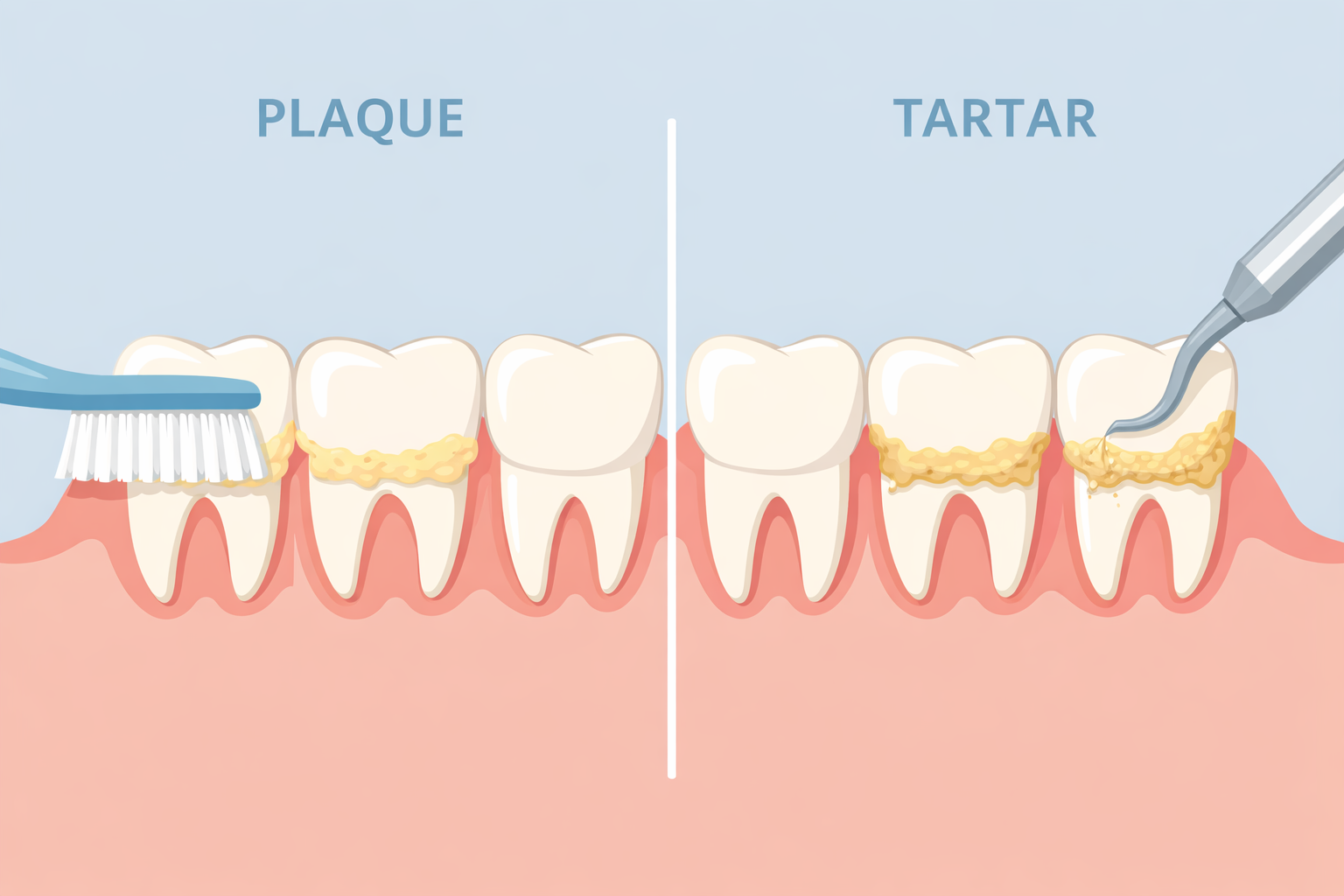
Plaque vs. Tartar: What’s the Difference?
January 16, 2026
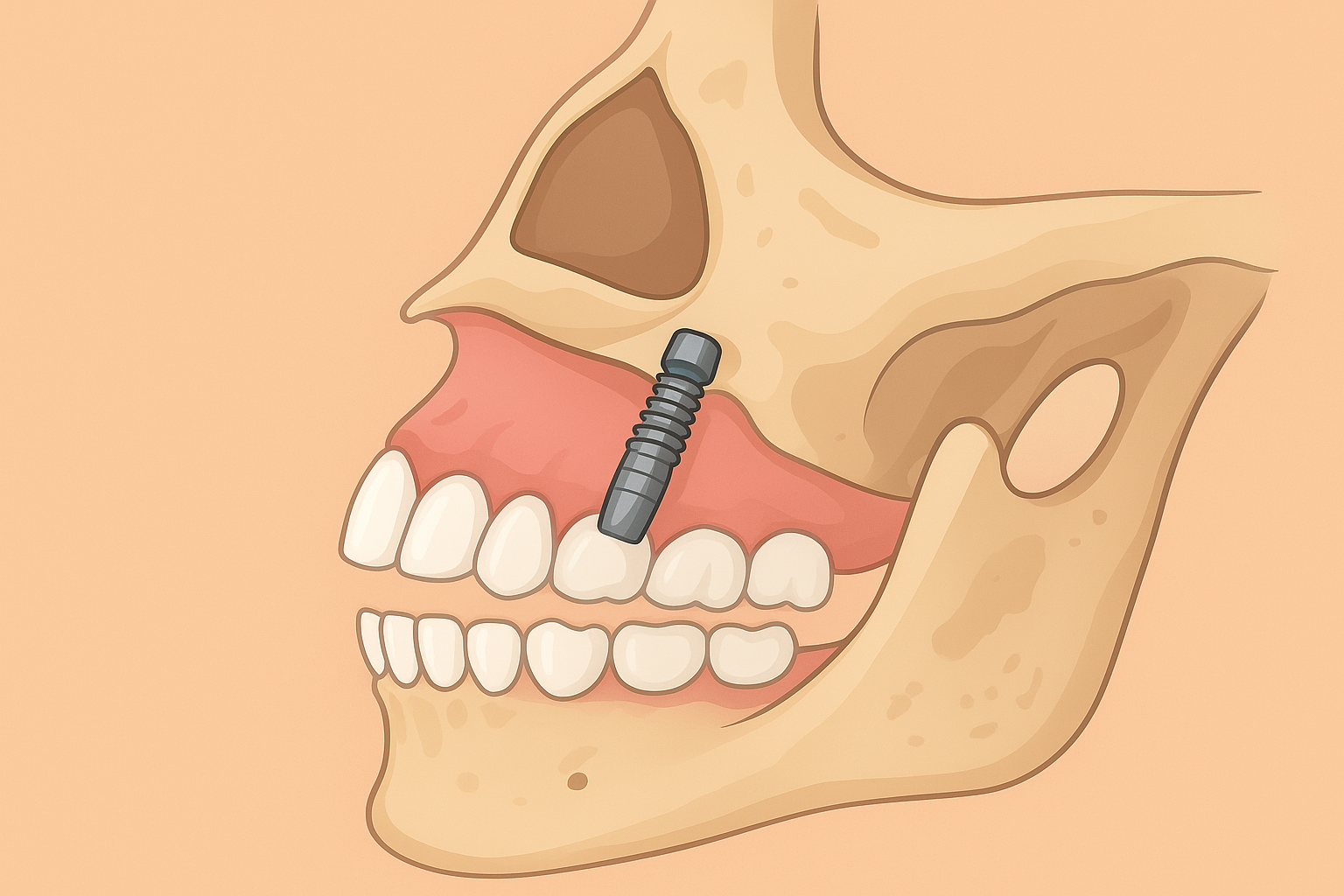
Zygomatic Implants: Your Guide to a Stronger Implant Solution
November 26, 2025

Can Diabetics Safely Undergo Oral Surgery?
January 6, 2026