Can You Drink Coffee After Wisdom Tooth Removal?
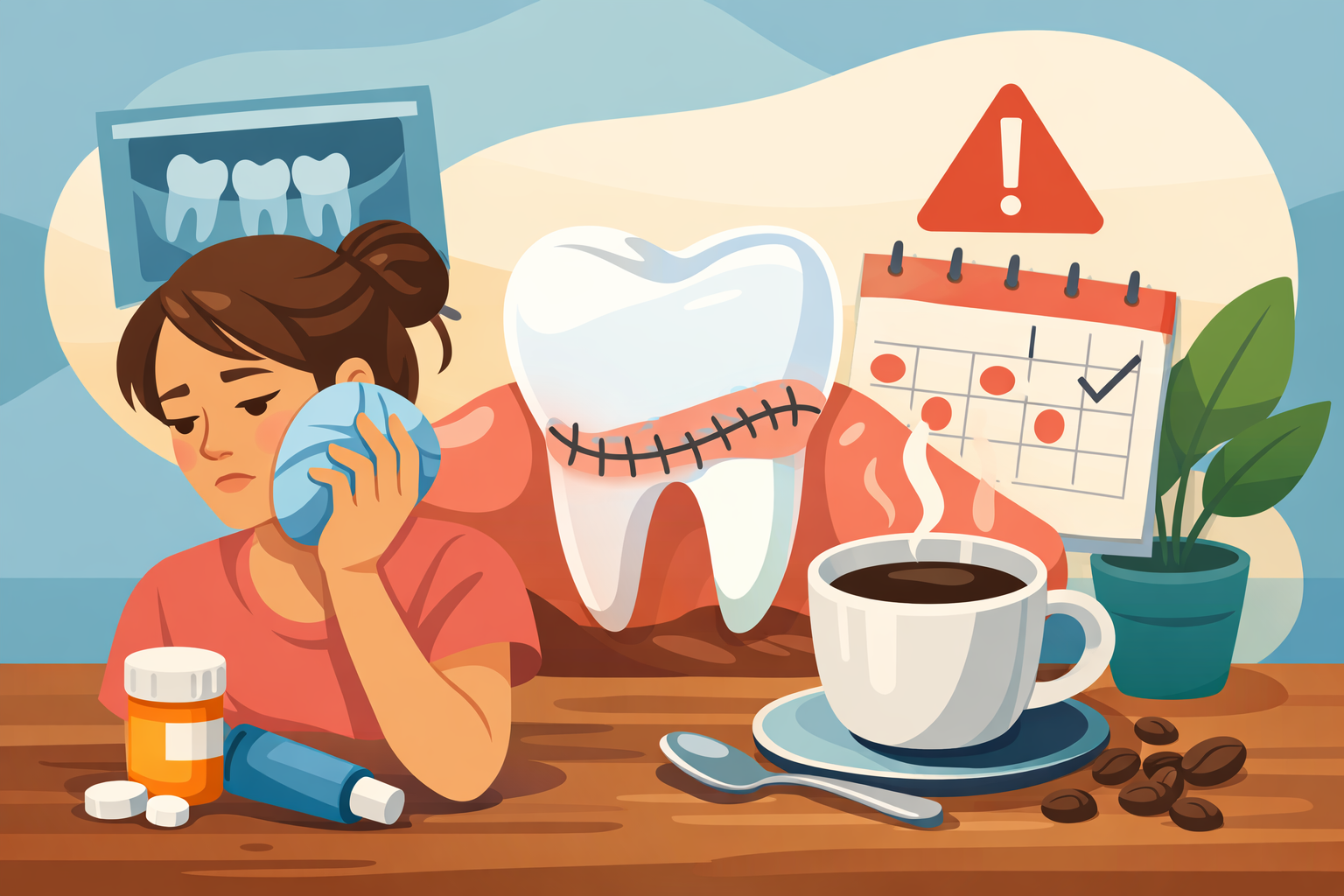
Wisdom tooth extraction is one of the most common oral surgery procedures, yet patients still have plenty of practical questions afterward. One of the biggest? Coffee.
If you rely on your morning cup to function, you’re not alone. But after wisdom tooth removal, your recovery depends heavily on what you eat and drink. Hot beverages, caffeine, and suction can all impact healing. Understanding when it’s safe to drink coffee — and how to do it without risking complications — is essential.
This guide explains exactly when you can drink coffee after wisdom tooth extraction, why timing matters, and how to protect your healing site.
Why Coffee Can Be a Problem After Extraction
After a wisdom tooth is removed, your body forms a blood clot in the socket where the tooth once sat. That clot is not optional — it’s critical.
It protects the underlying bone and nerves and allows new tissue to form properly. Anything that dislodges or interferes with that clot can lead to dry socket, a painful complication that delays healing.
Coffee may seem harmless, but it presents three specific concerns.
Heat Can Disrupt the Blood Clot
Hot liquids can increase blood flow and may interfere with clot stabilization in the first 24–48 hours. Elevated temperature can also increase swelling or minor bleeding immediately after surgery.
Even if you feel fine, your surgical site is still vulnerable.
Caffeine Can Increase Blood Pressure
Caffeine stimulates the cardiovascular system. In the early recovery phase, increased blood pressure can potentially cause minor bleeding at the extraction site.
This doesn’t mean caffeine is forbidden forever — it just means timing matters.
Suction and Sipping Can Cause Dry Socket
Using a straw with iced coffee or aggressively sipping can create negative pressure inside your mouth. That suction can dislodge the clot.
Dry socket is one of the most common post-extraction complications and often results from suction, smoking, or premature rinsing.
When Can You Drink Coffee After Wisdom Tooth Removal?
Timing depends on how your recovery progresses and whether your extraction was simple or surgical.
First 24 Hours: Avoid Coffee Completely
During the first 24 hours, skip coffee entirely.
Your focus should be on:
- Allowing the blood clot to form
- Minimizing swelling
- Avoiding irritation
Stick with cool or room-temperature fluids only. Hydration is important, but temperature control is more important.
48 Hours After Surgery
After 48 hours, some patients can tolerate lukewarm coffee — not hot.
If swelling has reduced and bleeding has stopped, you may reintroduce small amounts cautiously. Drink slowly and avoid straws.
Monitor for:
- Increased throbbing
- Bleeding
- Sharp pain
If you notice discomfort, pause and wait another day.
3–5 Days Post-Surgery
Most patients can return to regular coffee temperature after three to five days, provided healing is progressing normally.
However, if you had impacted wisdom teeth removed or stitches placed, your surgeon may recommend waiting longer.
Healing timelines vary. Always follow your provider’s instructions first.
What Happens If You Drink Coffee Too Soon?
Drinking coffee too early doesn’t always cause problems — but when it does, the consequences are uncomfortable.
Dry Socket
Dry socket occurs when the clot dislodges or dissolves prematurely. Symptoms include:
- Severe pain radiating to the ear
- Bad breath
- Visible bone in the socket
- Delayed healing
This condition requires professional treatment and can extend recovery.
Increased Swelling or Bleeding
Hot coffee too soon may restart minor bleeding or increase inflammation, especially within the first two days.
If that happens, return to cold compresses and soft foods.
How to Safely Reintroduce Coffee
When your dentist or oral surgeon clears you to resume coffee, take precautions.
Choose Lukewarm Over Hot
Temperature matters more than caffeine. Let your coffee cool before drinking.
Avoid Straws Completely
Do not use a straw for iced coffee or cold brew. The suction risk remains even several days after surgery.
Rinse Gently After Drinking
Coffee can stain stitches or collect near the surgical site. Use a gentle saltwater rinse — but only if your provider has instructed you to begin rinsing.
Never rinse vigorously during the first 24 hours.
What Should You Drink Instead?
While waiting to reintroduce coffee, focus on hydration and healing.
Best options include:
- Water (room temperature)
- Coconut water
- Diluted electrolyte drinks
- Herbal tea (cooled)
Nutrition also plays a critical role in recovery. If you want a structured plan, this guide on wisdom surgery nutrition guide explains what supports healing before and after extraction.
What About Cold Brew Coffee?
Cold brew may seem like a safer option because it isn’t hot.
However, caffeine still increases circulation slightly, and many patients drink cold brew through a straw — which is the bigger concern.
If you’re going to drink cold brew:
- Wait at least 48 hours
- Skip the straw
- Sip gently
- Avoid adding acidic flavorings
Diet and Healing Go Hand in Hand
Your recovery is not just about avoiding complications — it’s about supporting tissue repair.
For the first few days, prioritize soft, non-irritating foods. Smooth textures reduce trauma to the surgical area.
For a complete breakdown of safe meal options, review this soft food recovery list, which outlines practical choices for each stage of healing.
Can Coffee Increase Pain After Extraction?
In some cases, yes.
Coffee is slightly acidic. If it comes into contact with the extraction site before full clot stabilization, it can irritate exposed tissue.
Additionally, caffeine withdrawal headaches can confuse patients. Some people experience mild headaches if they abruptly stop caffeine.
If you’re concerned about withdrawal:
- Gradually reduce caffeine before surgery
- Ask your surgeon when it’s safe to resume
- Stay hydrated
How Long Does the Extraction Site Take to Heal?
Understanding healing stages helps you make smarter decisions about diet.
First 24 Hours
Clot formation begins. Avoid heat, suction, smoking, alcohol, and strenuous activity.
Days 2–3
Swelling peaks. You may notice stiffness and mild bruising. Stick to soft foods and lukewarm liquids.
Days 4–7
Discomfort improves significantly. Stitches (if dissolvable) begin breaking down. At this stage, many patients can resume normal coffee temperature if cleared.
Two Weeks and Beyond
Surface tissue heals, though deeper bone healing continues for several weeks.
If you’re unsure about your recovery stage, consult your oral surgeon.
Does Coffee Affect Stitches?
Coffee does not dissolve stitches directly, but:
- Heat may irritate the tissue around them
- Acidity may increase sensitivity
- Dark pigments may stain sutures temporarily
These issues are cosmetic rather than structural, but irritation can slow healing if consumed too early.
Red Flags After Drinking Coffee
If you resume coffee and experience any of the following, contact your provider:
- Sudden sharp pain
- Persistent bleeding
- Foul taste
- Swelling that worsens after day three
- Fever
These symptoms may indicate infection or dry socket.
Supporting Recovery the Right Way
Coffee timing is just one part of the bigger picture.
Before surgery, anti-inflammatory foods can improve tissue response and reduce swelling. This overview of pre extraction anti inflammatory foods explains which nutrients may support smoother healing.
Post-surgery success comes down to:
- Following instructions precisely
- Avoiding unnecessary irritation
- Maintaining oral hygiene gently
- Eating strategically
Frequently Asked Questions
Can I drink decaf coffee after wisdom tooth extraction?
Decaf still contains trace caffeine and is often served hot. The same temperature and suction precautions apply.
Can I add milk or sugar?
Yes, once you’re cleared to drink coffee. However, rinse gently afterward to prevent sugar accumulation near the site.
What about espresso?
Espresso is highly concentrated and typically hot. Wait until you are fully cleared by your oral surgeon.
Final Answer: When Is It Safe?
Most patients should avoid coffee for at least 24–48 hours after wisdom tooth extraction.
After that, lukewarm coffee without a straw may be acceptable if healing is progressing normally. Hot coffee should wait until swelling subsides and the clot stabilizes — typically three to five days.
When in doubt, ask your oral surgeon. Protecting the blood clot is always the priority.
Recovery is temporary. Complications can extend healing significantly. A few days without coffee is worth avoiding weeks of discomfort.

Tips for Managing Pain Without Overusing Medication
March 10, 2026

What to Expect Long-Term After Jaw Surgery
March 5, 2026

How to Travel Comfortably with Wisdom Tooth Pain
June 29, 2026

Oral Surgery Sedation Explained in Simple Terms
May 7, 2026
What to Bring to Your Oral Surgery Appointment: A Simple Checklist
June 25, 2026