How Long Do Gums Take to Fully Heal After Surgery?
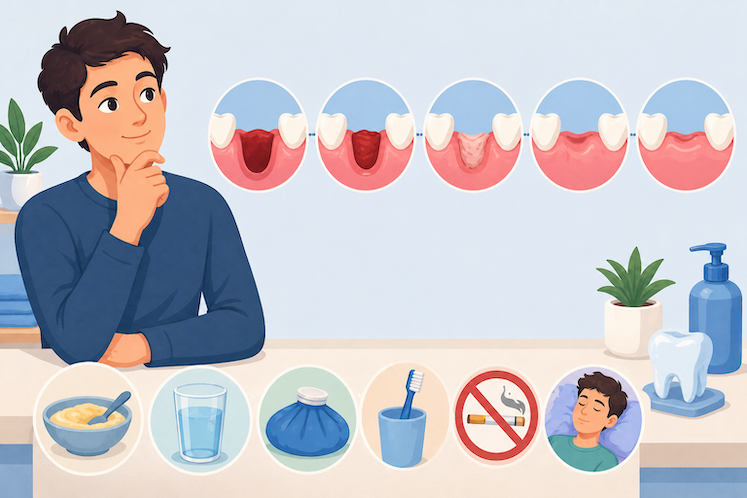
Gum healing is one of the most common concerns after oral surgery, tooth extraction, wisdom tooth removal, dental implant placement, or deep dental treatment. It is completely normal to wonder how long your gums should feel sore, when the hole will close, and when your mouth will feel fully normal again.
In most cases, gums begin healing within the first few days. The surface tissue may look much better after one to two weeks, but deeper healing can take several weeks or even a few months depending on the procedure, your health, and how well you follow aftercare instructions.
The short answer: gums usually feel significantly better within 7 to 14 days, but full healing can take anywhere from 3 weeks to 3 months or longer. Let’s break down what happens during each stage, what is normal, and when you should call your oral surgeon.
What Does “Fully Healed Gums” Actually Mean?
When people ask how long gums take to fully heal, they are usually asking about one of three things.
They may want to know when pain stops, when the gum tissue closes, or when the bone and deeper tissues underneath have healed.
These are not always the same timeline.
Your gums can look closed on the surface while the bone underneath is still remodeling. This is especially common after tooth extractions and wisdom tooth removal.
Surface healing is usually much faster than deep healing. That is why you may feel better before your mouth is completely restored underneath.
General Gum Healing Timeline
Every patient heals differently, but most gum recovery follows a predictable pattern.
First 24 Hours
During the first day, your body forms a blood clot over the surgical or extraction site. This clot is extremely important because it protects the exposed tissue and starts the healing process.
You may notice bleeding, mild swelling, soreness, and tenderness. These symptoms are expected after many dental procedures.
The goal during this stage is to protect the clot. Avoid forceful rinsing, spitting, straws, smoking, alcohol, and hard foods.
Days 2 to 3
Swelling and soreness may peak during this period. This does not always mean something is wrong.
Your gums are inflamed because your body is repairing the area. Some bruising or jaw stiffness may also appear, especially after wisdom tooth surgery or more complex extractions.
Soft foods, hydration, rest, and careful cleaning are important during this stage.
Days 4 to 7
By the end of the first week, many patients notice that pain and swelling are improving.
The gum tissue may start closing over the site. If stitches were placed, they may begin dissolving, depending on the type used.
You should still be careful with chewing, brushing near the area, and eating foods that can get trapped in the gums.
Weeks 2 to 3
For many minor procedures, the gums look and feel much better by the second or third week.
The surface may appear mostly closed, and daily activities usually feel normal again.
However, deeper tissues may still be healing. If a tooth was removed, the socket underneath the gums continues to fill in gradually.
Weeks 4 to 8
During this phase, gum tissue becomes stronger and more stable.
After extractions, the socket continues shrinking as bone and soft tissue remodel. After implant surgery, the gums may look healed while the implant continues integrating with the jawbone.
This is why your oral surgeon may schedule follow-ups even if you feel fine.
Three Months and Beyond
In more complex cases, full internal healing may take three months or longer.
This is especially true after surgical extractions, bone grafting, implant placement, or procedures involving impacted wisdom teeth.
Your gums may look normal well before deeper healing is complete.
How Long Do Gums Take to Heal After Tooth Extraction?
After a simple tooth extraction, gum tissue often begins closing within 1 to 2 weeks.
Most patients feel much better after the first week, but the socket can take several weeks to fully fill in. Bone healing beneath the gum may continue for months.
A simple extraction usually heals faster than a surgical extraction because there is less tissue trauma.
If the tooth was infected, broken, impacted, or difficult to remove, the timeline may be longer.

How Long Do Gums Heal After Wisdom Tooth Removal?
Wisdom tooth removal can involve a longer recovery because wisdom teeth are often impacted or positioned deep in the jaw.
The gums may feel better within 7 to 14 days, but complete healing can take several weeks.
If upper wisdom teeth were removed, symptoms can sometimes feel connected to pressure in the upper jaw or sinus area. Understanding wisdom teeth sinus issues can help you know when pressure is expected and when it deserves professional attention.
Wisdom tooth healing also depends on whether the tooth was fully erupted, partially erupted, or impacted under the gums.
How Long Do Gums Take to Heal After Dental Implant Surgery?
After dental implant placement, the gums may heal on the surface within 1 to 2 weeks.
However, the implant itself needs time to fuse with the jawbone through a process called osseointegration. This deeper healing phase often takes several months.
That means your gums may look healthy before the implant is ready for the next step, such as placing the final crown.
Follow-up visits are important because your oral surgeon needs to confirm that both the gum tissue and bone are healing properly.
How Long Do Gums Take to Heal After Deep Cleaning?
After a deep cleaning or scaling and root planing, gum tenderness may improve within a few days.
Inflammation and bleeding often reduce over the next 1 to 2 weeks, especially when patients keep up with brushing, flossing, and any recommended rinses.
If gum disease was more advanced, healing may take longer. The gums may tighten gradually as inflammation goes down.
Deep cleaning recovery is usually easier than surgical recovery, but consistency matters.
What Can Slow Down Gum Healing?
Several factors can make gums heal more slowly. Some are related to health, while others are tied to habits during recovery.
Smoking or Vaping
Smoking and vaping can delay healing because nicotine affects blood flow. The suction motion can also disturb blood clots after extractions.
This increases the risk of dry socket, infection, and prolonged discomfort.
Poor Oral Hygiene
Avoiding the surgical area does not mean ignoring your mouth.
Bacteria can build up quickly, especially around food particles. Gentle brushing and recommended rinsing help keep the mouth clean while protecting the healing site.
Eating the Wrong Foods
Crunchy, sharp, spicy, or sticky foods can irritate gum tissue.
Popcorn, chips, nuts, seeds, rice, and hard bread can get trapped in healing areas and cause discomfort.
Soft foods are best during early recovery.
Medical Conditions
Diabetes, immune system conditions, and certain medications can slow healing.
Patients with diabetes should be especially aware of infection symptoms after oral surgery. Learning about diabetic surgery infection signs can help you respond quickly if symptoms appear.
Skipping Follow-Up Visits
A follow-up visit allows your oral surgeon to check whether healing is progressing normally.
Even if your gums look fine, deeper healing may still need monitoring.
Signs Your Gums Are Healing Normally
Healthy gum healing usually follows a gradual improvement pattern.
You may notice less bleeding, reduced swelling, lower pain levels, and easier chewing over time.
The gum tissue may change color as it heals. It can look red or inflamed at first, then slowly become pinker and firmer.
Some tenderness is normal, especially when brushing nearby or eating.
What matters most is that symptoms improve rather than worsen.
Warning Signs Your Gums Are Not Healing Properly
Some symptoms should not be ignored.
Call your oral surgeon if you notice worsening pain after the first few days, heavy bleeding, fever, pus, a foul taste, swelling that gets worse, or pain that radiates to the ear.
You should also call if the area feels hot, if stitches come loose early, or if food seems deeply trapped and cannot be rinsed out gently.
Bad breath can happen temporarily during healing, but a persistent foul odor with pain may signal infection or dry socket.
Why the Blood Clot Matters So Much
After an extraction, the blood clot is the foundation of healing.
It protects the bone and nerves while new tissue forms. If the clot becomes dislodged too early, the socket may become exposed.
This can lead to dry socket, which is known for intense throbbing pain.
To protect the clot, avoid straws, smoking, forceful spitting, aggressive rinsing, and strenuous exercise during the early healing period.
How to Help Your Gums Heal Faster
You cannot force your gums to heal overnight, but you can create the best conditions for recovery.
Follow your oral surgeon’s instructions closely. Rest during the first few days, stay hydrated, and eat soft, nourishing foods.
Use cold compresses if recommended during the early stage. Keep your mouth clean, but be gentle around the healing area.
Take medications exactly as directed. Do not stop antibiotics early unless your provider tells you to.
Small choices during the first week can make a big difference in comfort and healing speed.
Best Foods for Healing Gums
Soft foods are easiest on healing gum tissue.
Good options include yogurt, mashed potatoes, scrambled eggs, applesauce, oatmeal, smoothies without a straw, soft pasta, soup that is warm but not hot, and blended vegetables.
Protein is especially helpful because your body needs it for tissue repair.
Avoid crunchy, spicy, acidic, sticky, or seeded foods until your oral surgeon says they are safe.
How to Clean Your Mouth While Gums Heal
Cleaning your mouth after oral surgery requires balance.
You want to reduce bacteria without disturbing the healing tissue.
Brush your teeth gently, avoiding direct pressure on the surgical area unless instructed otherwise. If saltwater rinses are recommended, let the water move gently around your mouth instead of swishing hard.
Do not use harsh mouthwash unless your provider approves it.
If you have a cavity or untreated decay near the healing area, it is worth understanding whether cavities can spread through bacteria-related habits, especially when maintaining oral hygiene during recovery.
When Can You Eat Normally Again?
Most patients can start adding more normal foods as tenderness improves.
This may happen after several days for minor procedures or after a couple of weeks for more involved surgery.
Do not rush it. If chewing causes pain, pressure, or bleeding, return to softer foods for a little longer.
A gradual approach is better than irritating the gums and extending recovery.
When Can You Brush the Healing Area?
This depends on the procedure and your surgeon’s instructions.
In many cases, you can brush the rest of your teeth the same day or the next day, while avoiding the surgical area at first.
As healing progresses, you may be told to gently clean closer to the site.
Never scrape, poke, or aggressively brush the gum opening.
Why Some Gum Holes Stay Open for Weeks
After tooth removal, the visible gum opening may take time to close.
This is normal, especially after molars and wisdom teeth. Larger teeth leave larger sockets, and the body needs time to fill the space.
The hole usually gets smaller over time.
Food can sometimes collect in the area, which is why gentle rinsing after meals may be recommended after the first 24 hours.
Should You Worry If Your Gums Look White?
White or pale tissue during healing is not always a problem.
Sometimes it is part of the normal healing layer that forms over the wound. However, white tissue with severe pain, pus, swelling, or a bad smell may need evaluation.
Do not scrape the area to “clean” it.
If you are unsure, it is safer to call your oral surgeon and describe what you see.
Why Gum Healing Differs From Person to Person
Two people can have the same procedure and heal at different speeds.
Age, health, smoking, nutrition, oral hygiene, surgical complexity, and genetics all play a role.
A simple extraction in a healthy patient may heal quickly. A complicated impacted wisdom tooth removal may need more time.
Healing should be measured by steady improvement, not by comparing your timeline to someone else’s.
When to Schedule a Professional Evaluation
If you are worried about healing, do not wait until symptoms become severe.
Pain that worsens, swelling that increases, fever, pus, or bleeding that will not stop should be checked promptly.
If you are planning surgery or concerned about your recovery, you can book your consultation and get guidance based on your specific situation.
Professional evaluation gives you peace of mind and helps prevent small issues from becoming bigger problems.
FAQ
How long does it take gums to fully heal after extraction?
The gum surface often heals within 1 to 2 weeks, but deeper tissue and bone healing can take several weeks to a few months.
Why is my gum still sore after two weeks?
Mild tenderness can still happen, especially after surgical extraction or wisdom tooth removal. If pain is worsening, throbbing, or paired with swelling or bad taste, call your oral surgeon.
How do I know if my gums are healing correctly?
Normal healing usually improves day by day. Bleeding decreases, swelling goes down, and pain becomes easier to manage.
Can gums heal in one week?
Some surface healing can happen within one week, but full healing usually takes longer. The deeper tissue beneath the gums may still be repairing.
What delays gum healing the most?
Smoking, poor oral hygiene, infection, uncontrolled diabetes, hard foods, and disturbing the blood clot can all slow gum healing.
Is it normal to have a hole after tooth extraction?
Yes. The socket may stay visible for weeks as it gradually fills in. It should become smaller over time.
When should I call an oral surgeon?
Call if you have severe pain, fever, pus, worsening swelling, heavy bleeding, a foul odor, or symptoms that are not improving.
Conclusion
Gums can start healing quickly, but full recovery takes time. Most people feel better within 7 to 14 days, while deeper healing may continue for several weeks or months depending on the procedure.
The best way to support healing is to protect the area, keep your mouth clean, eat soft foods, avoid smoking, and follow your oral surgeon’s instructions.
If your symptoms are improving, your gums are likely on the right track. If pain, swelling, bleeding, or infection signs get worse, professional care is the safest next step.
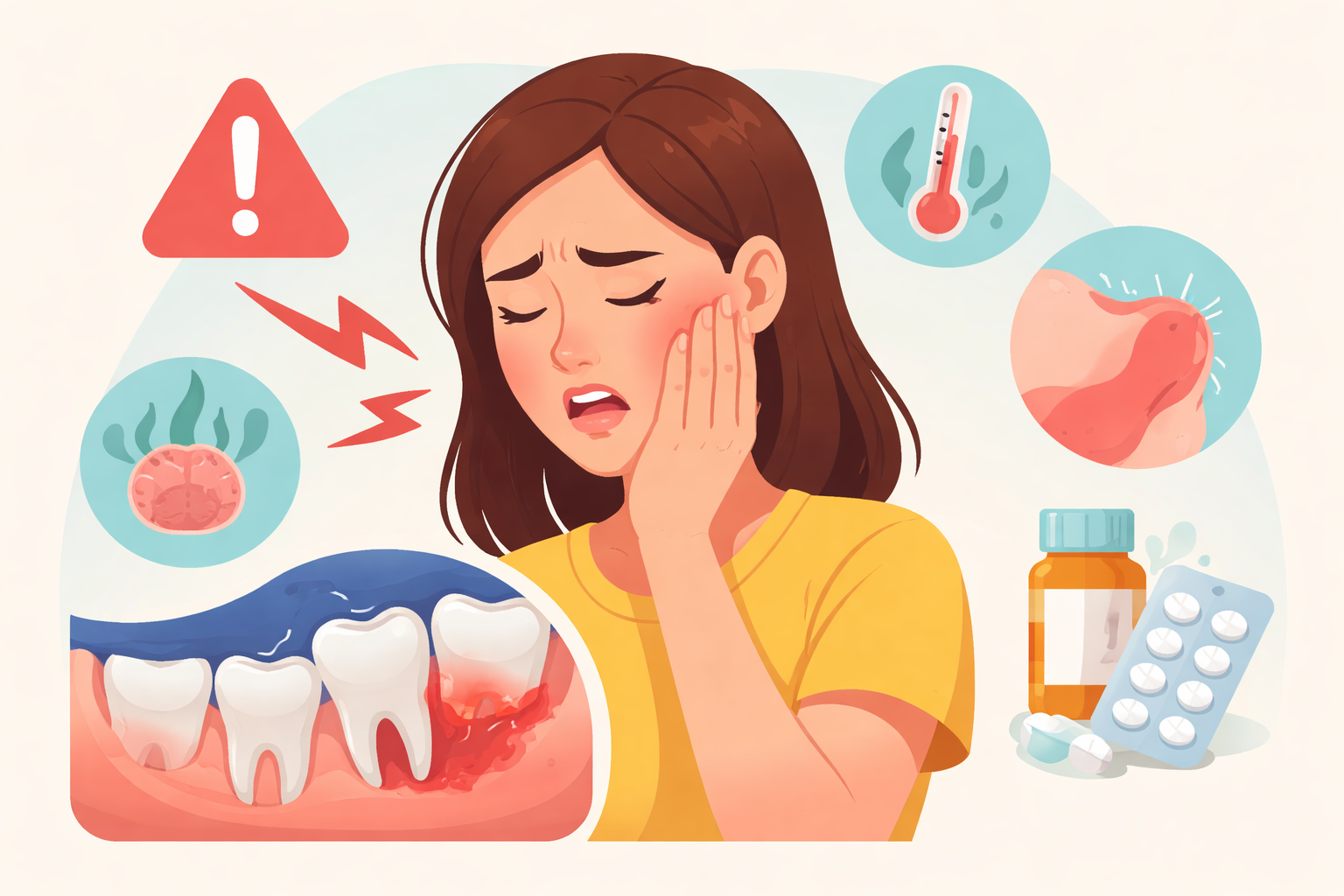
When Wisdom Tooth Pain Is an Emergency (and When It Can Wait)
January 1, 2026
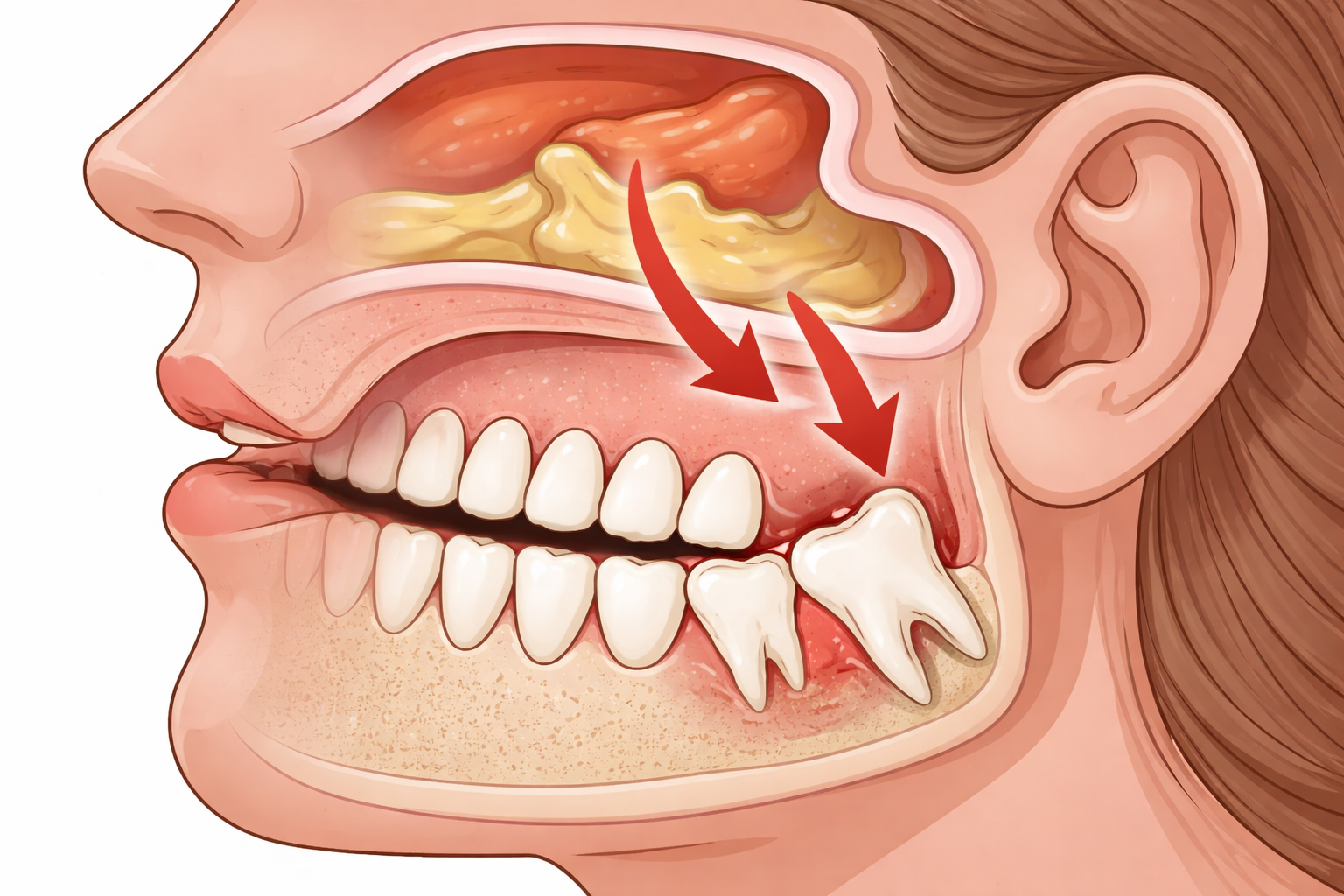
How Wisdom Teeth Can Cause Sinus Problems
February 2, 2026
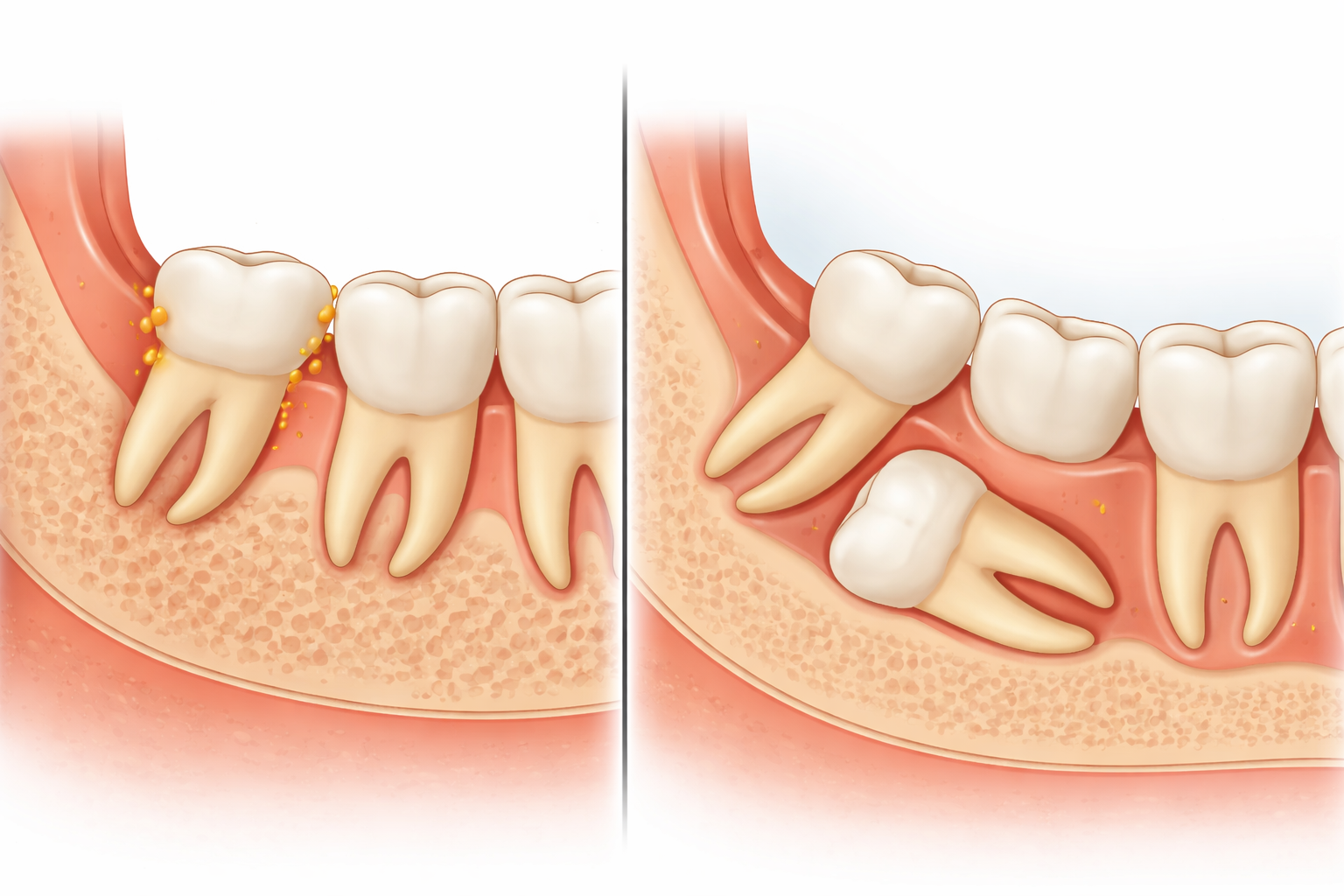
Partial vs. Fully Impacted Wisdom Teeth: What You Need to Know
January 23, 2026

Affordable vs. Quality Wisdom Tooth Removal Guide
June 23, 2026
Are Wisdom Teeth Useful or Evolutionary Leftovers?
March 10, 2026