Signs You Might Need a Root Canal
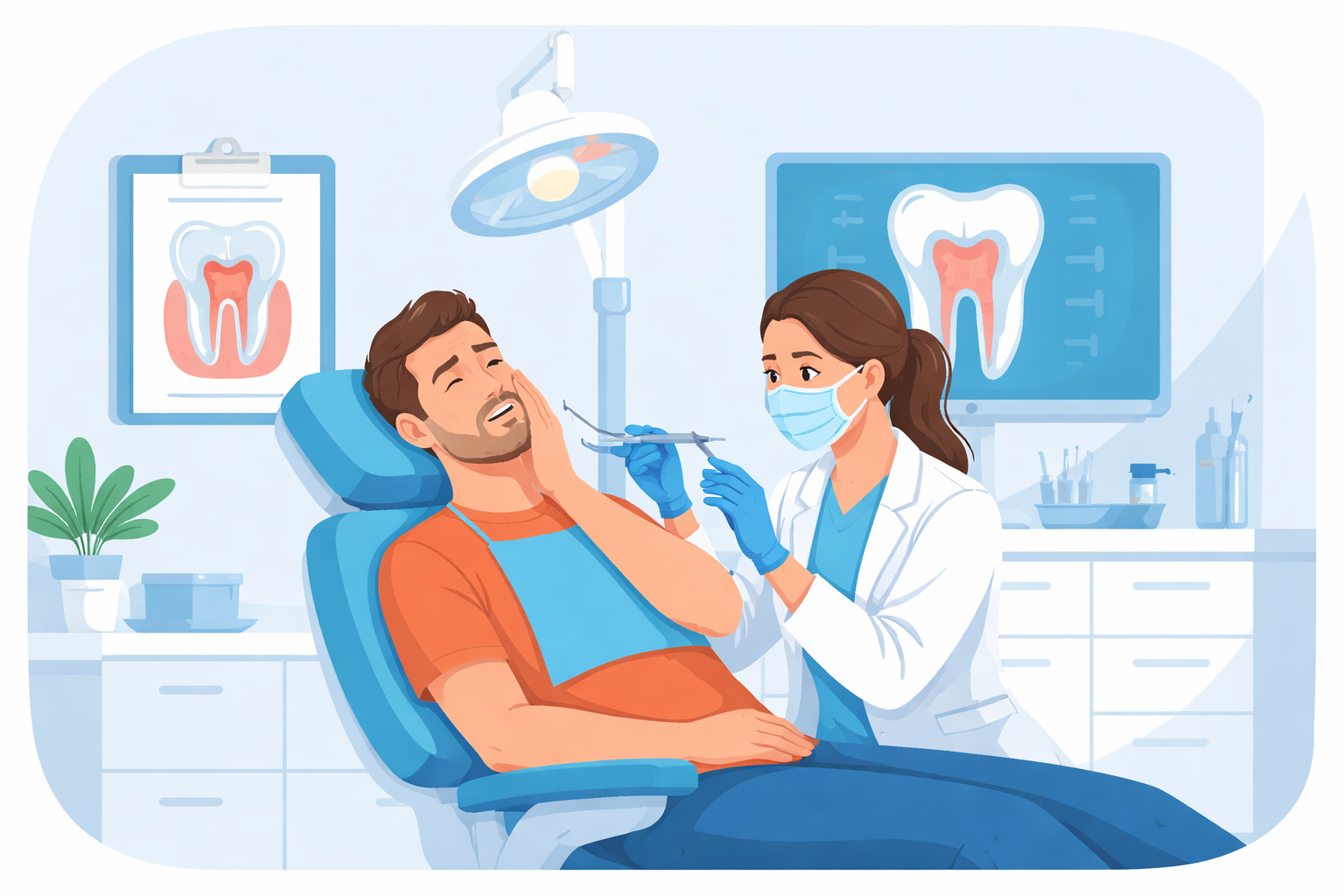
Root canals often get a bad reputation, but they are a safe, effective, and sometimes necessary procedure to save a tooth. Many people delay treatment because they aren’t sure if their tooth pain truly requires a root canal or if it can be treated with simpler dental care. Understanding the signs and knowing when a root canal is truly necessary can save you from unnecessary discomfort, complications, and costly treatments.
In this article, we’ll explore common root canal signs, symptoms that might indicate you don’t need one, and what you can do to protect your oral health.
Understanding What a Root Canal Is
A root canal is a dental procedure used to treat infection or damage inside a tooth. The pulp, which contains nerves and blood vessels, can become infected due to deep decay, trauma, or repeated dental procedures. During a root canal, the dentist removes the infected pulp, cleans the inside of the tooth, and seals it to prevent further damage.
While the idea of a root canal can sound intimidating, it is often the most effective way to save a tooth that would otherwise need extraction. Knowing the difference between symptoms that truly require a root canal versus those that can be managed with other treatments is essential.
Common Signs You Need a Root Canal
1. Persistent Tooth Pain
One of the clearest indications for a root canal is persistent, severe tooth pain. This pain may:
- Intensify when chewing or biting.
- Occur spontaneously without obvious cause.
- Feel like a deep, throbbing ache that doesn’t subside with over-the-counter pain medication.
Persistent tooth pain often signals that the nerve inside the tooth is inflamed or infected. Ignoring this symptom can lead to worsening infection and even facial swelling.
2. Prolonged Sensitivity to Temperature
If your tooth reacts painfully to hot or cold foods and the sensitivity lingers long after exposure, it could indicate pulp damage. Occasional sensitivity is common, but tooth sensitivity that lingers is a strong sign that the tooth may need endodontic treatment.
3. Discoloration of the Tooth
A tooth that turns darker or gray can indicate nerve damage or decay reaching the inner layers. Discoloration doesn’t always mean a root canal is needed, but it’s often accompanied by other symptoms such as pain or swelling that should not be ignored.
4. Swelling or Tenderness
Swelling in the gums near a tooth, tenderness to touch, or even a pimple-like bump on the gum may signal an abscessed tooth. Abscesses are pockets of infection that can spread to surrounding tissues. If untreated, the infection can worsen and lead to serious complications. For related cases, some patients experience facial swelling and tooth pain that becomes an emergency situation requiring prompt care.
5. Cracked or Chipped Teeth
Damage to the tooth structure, such as cracks or chips, can expose the pulp to bacteria and increase the risk of infection. If left untreated, this damage can lead to severe pain and infection that ultimately requires a root canal.
When You Might Not Need a Root Canal
Not every toothache or sensitivity requires a root canal. In some cases, the discomfort can be addressed through less invasive treatments. Here’s how to distinguish:
1. Mild or Intermittent Pain
Toothaches that come and go, or mild pain that responds to over-the-counter pain relief, often indicate minor irritation rather than a deep infection. Regular dental care, improved oral hygiene, or a small filling may be sufficient.
2. Sensitivity Without Other Symptoms
Occasional sensitivity to hot or cold foods, without lingering pain, swelling, or discoloration, may not require a root canal. Many patients find relief with desensitizing toothpaste or a protective dental treatment.
3. Gum Issues Rather Than Tooth Problems
Sometimes what feels like a toothache is actually gum-related, such as inflammation or gum disease. In these cases, the treatment focuses on proper gum care rather than root canal therapy.
4. Reversible Pulpitis
Reversible pulpitis is mild inflammation of the pulp that can heal without a root canal. Symptoms include temporary sensitivity to stimuli, but the pain typically subsides once the cause—such as a cavity or minor trauma—is addressed.
How Dentists Determine If a Root Canal Is Needed
A dentist will evaluate symptoms, examine the tooth, and take diagnostic imaging like X-rays to check for infection, decay, or damage to the pulp. They may also conduct pulp vitality tests to see if the nerve is still alive.
If the pulp is irreversibly damaged or infected, a root canal is recommended. Otherwise, the dentist may suggest alternative treatments such as fillings or crowns in complex cases.
Preventing the Need for a Root Canal
Preventing the need for root canal therapy often comes down to proper oral care and early intervention. Here are some key practices:
- Brush and Floss Regularly – Daily brushing and flossing remove plaque and reduce the risk of decay reaching the pulp.
- Regular Dental Checkups – Routine visits allow dentists to catch cavities or fractures before they progress to deeper damage.
- Protect Your Teeth – Wearing mouthguards during sports and avoiding hard foods can prevent cracks and trauma.
- Address Tooth Pain Promptly – Early attention to pain or sensitivity can prevent more serious infection.
- Consider Preventive Oral Surgery When Needed – Procedures like wisdom teeth removal can prevent future complications and protect surrounding teeth. Some patients experience wisdom teeth issues causing fever and chills, which need prompt evaluation.
Recovery After a Root Canal
Root canal recovery is generally smooth and less painful than many expect. Most patients experience mild soreness for a few days, which is manageable with over-the-counter pain relief. Following your dentist’s aftercare instructions—such as avoiding hard foods and keeping the area clean—ensures the best results.
Restoring the tooth with a crown after a root canal often provides long-term protection and functionality, helping the tooth remain strong and healthy for years.
When to Seek Immediate Care
Sometimes, tooth pain is part of a broader dental emergency. Seek prompt care if you experience:
- Severe swelling in the face or jaw
- Fever alongside tooth pain
- Persistent, throbbing pain that doesn’t improve
- Signs of infection spreading beyond the tooth
In such cases, quick intervention can prevent serious complications and protect your overall health. Some patients experience complications with facial swelling and tooth pain that may require urgent attention similar to severe pulp infections.
Conclusion
Root canals are often misunderstood, but they play a crucial role in saving teeth and preventing further oral health issues. Recognizing the signs—such as persistent pain, temperature sensitivity, swelling, or discoloration—can help you seek treatment at the right time. Conversely, understanding when a root canal isn’t necessary can prevent unnecessary procedures and focus care on less invasive solutions.
Maintaining good oral hygiene, attending regular dental checkups, and addressing symptoms early can keep your teeth healthy and strong, reducing the risk of severe infections or tooth loss. By staying informed and proactive, you can navigate dental care confidently and protect your smile for life.
Smoking and Wisdom Tooth Recovery: Risks Explained
March 31, 2026

Are You a Candidate for IV Sedation During Oral Surgery?
January 12, 2026
Can Wisdom Teeth Trigger Chronic Headaches?
May 25, 2026

How to Prevent Cavities Naturally (Simple & Effective Guide)
April 16, 2026

Early Warning Signs of Poor Oral Health You Should Know
April 21, 2026