Early vs. Late Wisdom Tooth Removal: Which Is Better?

Wisdom tooth removal is one of the most common oral surgery procedures, yet timing remains one of the most misunderstood factors. Some people are advised to remove wisdom teeth early, while others don’t address them until pain or infection develops. The difference between early and late wisdom tooth removal can affect surgical complexity, recovery time, and long-term oral health.
Understanding how timing influences outcomes makes it easier to see why dentists often recommend proactive treatment instead of waiting for problems to appear.
Why Wisdom Tooth Timing Matters
Wisdom teeth, also known as third molars, typically develop during the late teenage years and may erupt between ages 17 and 25. Because they erupt last, the jaw often lacks sufficient space to accommodate them properly.
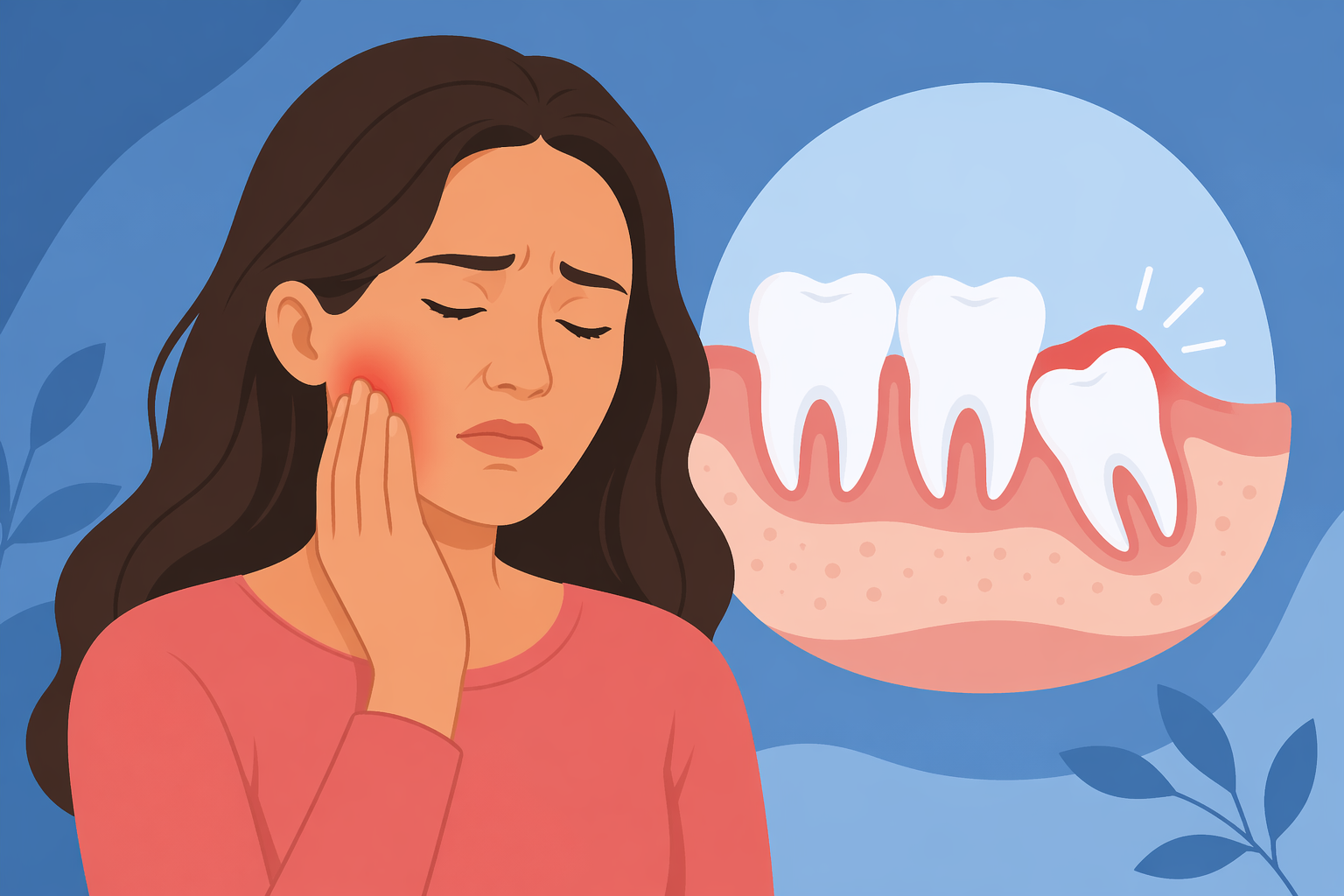
When wisdom teeth grow at awkward angles or remain partially trapped beneath the gums, discomfort can occur and is frequently confused with other dental issues. In many cases, tooth pain feels similar to symptoms caused by cavities or gum disease, which delays proper diagnosis when wisdom teeth are involved.
What Early Wisdom Tooth Removal Involves
Early wisdom tooth removal usually takes place during the late teens or early twenties, before significant pain or infection occurs. At this stage, roots are still developing, and the surrounding jawbone is softer.
Dentists rely on X-rays to assess eruption patterns and spacing. Knowing how *molar differences* affect growth explains why wisdom teeth are far more likely to become impacted than other molars, even in patients with otherwise healthy mouths.
Benefits of Early Wisdom Tooth Removal
Easier Surgery and Faster Healing
Early removal generally leads to a simpler surgical process. Because the roots are shorter and bone density is lower, extraction requires less force and causes less tissue trauma.
This typically results in reduced swelling, less discomfort, and a faster return to daily activities.
Reduced Risk of Infection and Misdiagnosis
Removing wisdom teeth early helps prevent recurring infections around partially erupted teeth. It also reduces confusion between wisdom-related discomfort and other dental conditions, especially when symptoms resemble standard toothaches.
Protection for Nearby Teeth
Improperly positioned wisdom teeth can push against neighboring molars, increasing the risk of decay and gum disease. Early removal protects adjacent teeth and helps maintain long-term bite stability.
Are There Downsides to Early Removal?
In some cases, wisdom teeth erupt normally and never cause problems. Removing teeth that may remain harmless can feel unnecessary. However, early removal recommendations are based on imaging, jaw structure, and predicted risk rather than assumptions.
What Late Wisdom Tooth Removal Looks Like
Late wisdom tooth removal usually happens in the mid-to-late twenties or later, often after symptoms such as swelling, jaw pain, or infection appear. At this stage, the roots are fully formed and may sit closer to nerves or sinus cavities.
Late removal is more likely to require surgical intervention rather than a simple extraction.
Challenges of Late Wisdom Tooth Removal
Increased Surgical Complexity
Fully developed roots make extraction more challenging. In many cases, surgeons perform an odontectomy, where the tooth is sectioned into smaller pieces to allow safer removal without damaging surrounding structures.
This approach is effective but adds complexity to the procedure.
Longer and More Uncomfortable Recovery
Healing after late removal often takes longer. Swelling, stiffness, and soreness may persist for several days. Managing inflammation commonly involves choosing between ice treatment in the early stages of recovery or heat later as healing progresses.
Higher Risk of Gum and Bone Issues
Partially erupted wisdom teeth are difficult to clean thoroughly. Even with good hygiene, bacteria can collect around the gums, increasing the risk of infection. Many patients depend on mouth rinse use to help control bacteria in hard-to-reach areas around wisdom teeth.
Early vs. Late Wisdom Tooth Removal: Key Differences
Pain Levels
Early removal usually results in milder post-operative discomfort. Late removal often causes more pain due to deeper roots and greater surgical manipulation.
Healing Time
Younger patients tend to heal faster with fewer complications. Older patients may experience slower healing and an increased risk of issues such as dry socket or prolonged swelling.
Risk Profile
Early removal lowers the risk of nerve irritation, infection, and damage to surrounding teeth. Late removal carries a higher risk, particularly when wisdom teeth are impacted or infected.
When Late Removal Is Still Necessary
Not everyone has their wisdom teeth evaluated early. Some individuals don’t experience symptoms until later in life, or they may not have had early access to dental imaging.
In these situations, late removal remains an effective solution. Removing problematic wisdom teeth can relieve persistent discomfort, stop recurring infections, and prevent further damage to surrounding teeth and gums.
Signs Wisdom Teeth May Need Attention
Regardless of age, certain symptoms indicate wisdom teeth should be evaluated:
- Persistent jaw pain or swelling
- Red or bleeding gums near the back of the mouth
- Difficulty opening the mouth fully
- Bad breath or an unpleasant taste
- Repeated infections in the same area
Because these symptoms overlap with other dental conditions, professional evaluation is essential.
How Dentists Determine the Right Timing
Dentists assess jaw size, tooth position, root development, oral hygiene, and overall health when deciding whether early or late removal is appropriate.
The goal is always to reduce surgical risk while protecting long-term oral health.
Early vs. Late Wisdom Tooth Removal: Which Is Better?
In most cases, early wisdom tooth removal offers clearer advantages. It is typically easier, less painful, and associated with fewer complications—especially when imaging shows crowding or abnormal growth.
Late removal, while more involved, is still highly effective when symptoms develop and should not be delayed once problems appear.
Final Thoughts on Wisdom Tooth Removal Timing
Wisdom tooth removal is not just about age—it’s about prevention, anatomy, and risk management. Early removal often leads to smoother outcomes, but late removal remains an important option for resolving pain and preventing serious oral health issues.
With proper evaluation and timing, wisdom tooth removal can be a straightforward step toward lasting oral health.
Quiz: Are Your Wisdom Teeth Starting to Cause Trouble?
April 22, 2026

Oral Pathology: When a Biopsy Is Required and What to Expect
January 21, 2026

Are You a Candidate for IV Sedation During Oral Surgery?
January 12, 2026
How Long Do Dental Implants Really Last?
February 9, 2026
Zygomatic Implants: Your Guide to a Stronger Implant Solution
November 26, 2025