How Stress Affects Your Teeth and Jaw Health
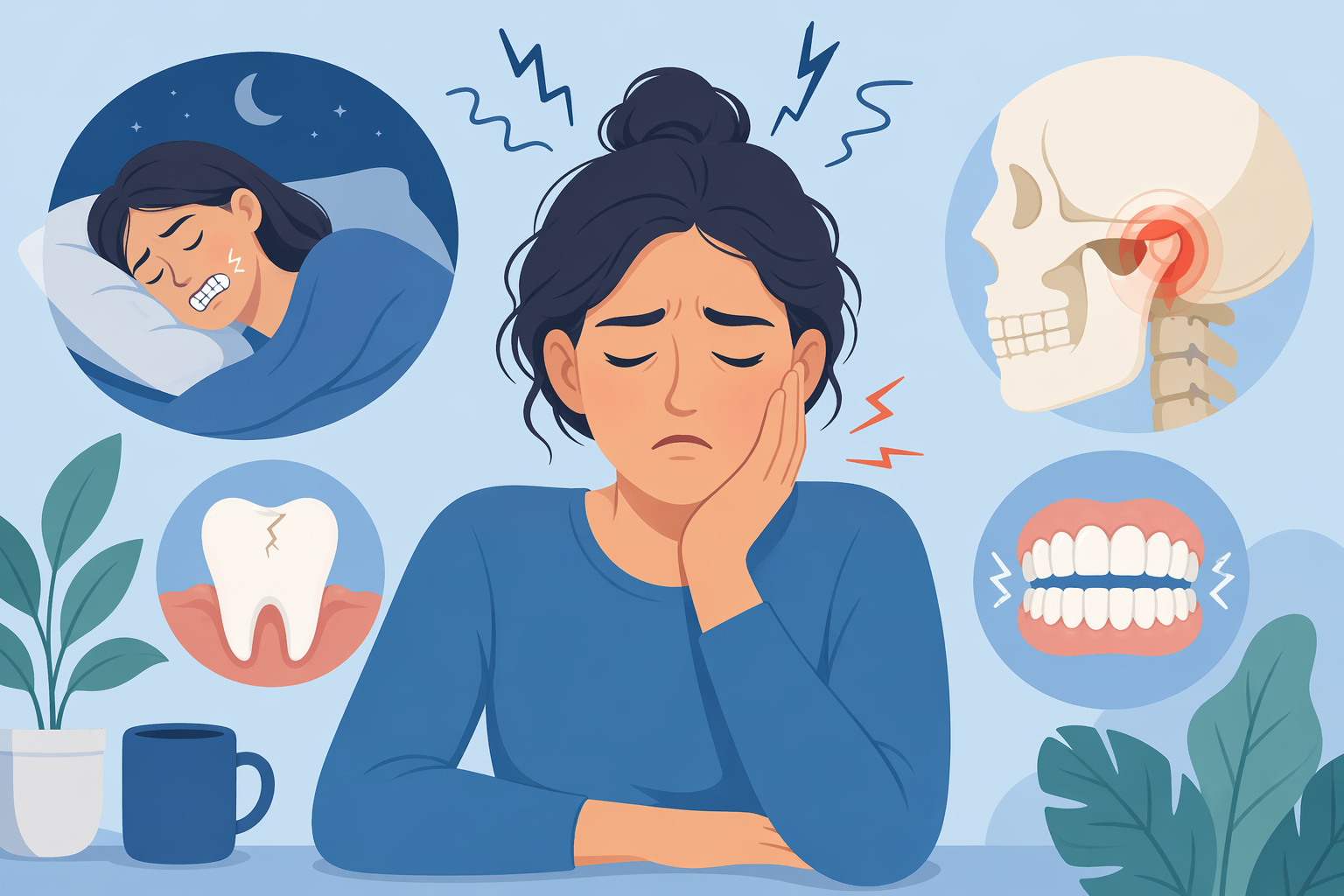
Stress does not just affect your mood, sleep, or energy. It can also take a serious toll on your oral health. From jaw tension and teeth grinding to gum irritation and headaches, chronic stress can quietly create problems that build over time. Many people do not realize their sore jaw, worn teeth, or facial discomfort may be connected to what their body is carrying every day.
Understanding how stress affects your teeth and jaw is important because the symptoms often start subtly. You may wake up with jaw pain, notice tooth sensitivity, or feel tightness in your face without knowing why. Left unchecked, these issues can become more painful, more expensive, and harder to treat.
In this guide, we will look at the connection between stress and oral health, the warning signs to watch for, and what you can do to protect your teeth and jaw before minor tension turns into a bigger problem.
The Connection Between Stress and Oral Health
Stress affects the body in ways that go beyond mental strain. When you are under pressure, your muscles tend to tighten, your sleep may become lighter or more disrupted, and your immune system can be affected. All of this can influence your mouth, jaw, and teeth.
One of the most common ways stress shows up is through jaw clenching or teeth grinding. Some people do this during the day without noticing. Others do it while sleeping, which can make the damage worse because it may continue for hours at a time. This repeated pressure can strain the jaw joints, wear down enamel, and leave the surrounding muscles sore and inflamed.
Stress can also lead to changes in routine. People who are overwhelmed may skip brushing, snack more often, sleep poorly, or delay dental visits. That combination can increase the risk of gum problems, decay, and worsening jaw discomfort.
Common Signs Stress Is Affecting Your Teeth and Jaw
The symptoms of stress-related dental strain are not always obvious at first. They often build gradually, which makes them easy to dismiss. Paying attention to the early warning signs can help you act before more serious issues develop.
Jaw soreness and tightness
If your jaw feels stiff, tired, or sore when you wake up, stress may be a factor. Clenching puts continuous pressure on the jaw muscles and joints, especially overnight. Over time, this can make basic movements like chewing or yawning feel uncomfortable.
Teeth grinding and clenching
Grinding, also called bruxism, is one of the clearest signs of stress affecting oral health. You may not hear it yourself, but a partner may notice it while you sleep. During the day, clenching often happens during work, driving, or moments of frustration without you realizing it.
Tooth sensitivity or wear
Grinding can slowly wear away the protective enamel on your teeth. As enamel becomes thinner, teeth may feel more sensitive to hot, cold, or sweet foods. In some cases, small chips or flattening of the biting surfaces can also appear.
Headaches and facial pain
Stress-related jaw tension often spreads beyond the mouth. Many people experience tension headaches, pain near the temples, or aching in the cheeks and neck. These symptoms can easily be mistaken for unrelated issues when the true cause is ongoing muscle strain.
Clicking or popping in the jaw
If your jaw clicks, pops, or feels like it shifts when opening and closing, it may be under stress from repeated tension. While not every sound means something serious, it can be a sign that the joints are being overloaded.
How Stress Leads to Teeth Grinding
Teeth grinding is one of the most direct links between stress and dental damage. It often happens when the body is in a heightened state, even if the mind is not fully aware of it. That is why many people are surprised to learn they grind their teeth at night.
When you clench your jaw, the muscles responsible for chewing stay active far longer than they should. That extra force places intense pressure on the teeth and the temporomandibular joints, also known as the TMJ. Over time, the repeated strain can lead to soreness, limited movement, and visible tooth wear.
Nighttime grinding can be especially destructive because it may continue for long periods without interruption. Since you are asleep, you cannot consciously relax the muscles or stop the pressure. This is one reason stress-related grinding can cause noticeable changes before someone even realizes it is happening.
The Impact of Stress on the Jaw Joint
The jaw joint is designed to move smoothly when you speak, chew, and swallow. But stress changes how the muscles around that joint behave. Constant tension can throw off the normal balance of movement, causing inflammation and discomfort.
When the muscles are overworked, the joint may feel tender or unstable. Some people notice a dull ache near the ears. Others feel pain when chewing or experience a locked or limited jaw. This kind of stress-related strain can interfere with everyday activities and reduce comfort throughout the day.
If the tension is ignored, the irritation may become more persistent. What begins as occasional soreness can turn into a cycle of clenching, pain, and further muscle fatigue. Breaking that cycle early is one of the best ways to protect long-term jaw function.
Stress Can Make Existing Dental Problems Worse
Stress does not always create a new oral health problem from scratch. In many cases, it makes an existing issue harder to manage.
A tooth that is already cracked or weakened may become more painful under constant grinding pressure. Gum tissue that is mildly inflamed can become more reactive when stress affects immune response and self-care habits. Even a healing mouth can feel more irritated when clenching continues during recovery.
This is especially important for people already dealing with wisdom tooth pain, post-surgical healing, or jaw discomfort. If you are noticing pressure, swelling, or unusual discomfort in the back of your mouth, it may be worth learning more about wisdom tooth symptoms that can overlap with stress-related pain.
Stress, Sleep, and Overnight Jaw Pressure
Stress and poor sleep tend to feed into each other. When stress levels rise, sleep quality often drops. When sleep becomes disrupted, the body may become even more tense, which can increase grinding and clenching.
This cycle matters because many people do the most damage to their teeth while asleep. A restless night can mean more jaw activity, tighter muscles, and more pressure on the teeth. That is why morning symptoms such as headaches, tight cheeks, or a sore bite can be strong clues.
If someone is also recovering from oral surgery, poor sleep and nighttime tension can make the healing process feel harder. Patients navigating that recovery period often benefit from guidance on sleep after extraction, especially when stress is making rest difficult.
How Stress Affects Your Gums and Daily Oral Care
Stress can influence the gums in a few different ways. First, chronic stress may affect the body’s inflammatory response, making the gums more sensitive or reactive. Second, stress often disrupts routines. People who are exhausted or overwhelmed are more likely to rush brushing, skip flossing, or put off appointments.
These small changes can add up. Plaque builds quickly when daily care slips, and irritated gums can become red, tender, or prone to bleeding. While stress alone does not cause gum disease, it can create the conditions that allow oral health to worsen.
Another overlooked issue is diet. Stress can increase cravings for sugary snacks, acidic drinks, or late-night eating. These habits give cavity-causing bacteria more opportunities to thrive, especially if brushing habits become inconsistent at the same time.
Can Stress Cause Tooth Pain?
Yes, stress can absolutely contribute to tooth pain, though not always in the way people expect. The pain may not come from decay or infection. Instead, it can come from the pressure created by clenching and grinding.
When teeth absorb too much force, the surrounding ligaments can become inflamed. This can make one tooth or several teeth feel sore, tender, or unusually sensitive. Some people describe it as a deep ache that comes and goes. Others notice discomfort when chewing or biting down.
Stress can also make you more aware of physical discomfort overall, which means minor dental problems may feel more intense. That is why it is important not to assume the pain is only stress. A proper evaluation can help rule out cracks, infections, impacted teeth, or bite issues that may need treatment.
When Jaw Tension May Point to a Bigger Issue
Not every case of jaw pain is caused by stress alone. Sometimes the discomfort is a combination of muscle tension and another underlying problem. Wisdom teeth are one example. When these teeth become impacted or crowded, they can create pressure, swelling, and pain that may feel similar to stress-related soreness.
That is why persistent symptoms should not be ignored. If your pain is focused near the back of the mouth, associated with swelling, or getting worse over time, there may be more going on than simple clenching. In some cases, a provider may recommend treatment, and understanding the wisdom tooth removal process can help you prepare for what comes next.
A thorough exam is the best way to distinguish between muscle tension, dental damage, joint problems, and issues related to impacted teeth.
How to Protect Your Teeth and Jaw During Stressful Periods
The goal is not to eliminate stress completely. That is rarely realistic. The goal is to reduce how much stress affects your oral health.
Notice when you clench
Many people clench during work, traffic, or focused tasks. Try checking in with your jaw throughout the day. If your teeth are touching and you are not eating, relax your jaw and let the muscles soften.
Create a better sleep routine
A calmer bedtime routine may help reduce nighttime grinding triggers. Limiting caffeine late in the day, reducing screen time before bed, and prioritizing consistent sleep can all support muscle relaxation.
Stay consistent with oral hygiene
Even during busy or stressful weeks, keep brushing and flossing part of your routine. This helps reduce the risk of gum inflammation and prevents stress-related neglect from leading to bigger dental problems.
Watch for diet changes
Try to be mindful of increased sugar, frequent snacking, or acidic drinks when stress rises. These habits can quietly increase tooth sensitivity and decay risk over time.
Seek professional evaluation early
If you are waking up with pain, noticing wear on your teeth, or feeling ongoing jaw discomfort, do not wait for it to become severe. Early treatment can prevent more damage and help identify whether the cause is stress, a bite issue, wisdom teeth, or a combination of factors.
Recovery Matters When Stress and Oral Surgery Overlap
For people who have recently had a tooth removed, stress can make recovery feel more complicated. Clenching may aggravate tenderness, and anxious habits can make it harder to tell what is normal healing and what deserves attention.
That is why it helps to know what symptoms may be expected and which ones should be checked. Concerns about healing after surgery often increase when stress is already high, and clear guidance can make the recovery process less overwhelming.
The key is to monitor your symptoms without guessing. If pain, bleeding, swelling, or numbness feels unusual or persistent, a professional should evaluate it.
When to See a Specialist
Stress-related dental problems are common, but they should never be ignored when symptoms continue or worsen. It is time to seek professional care if you notice:
Persistent jaw pain
Pain that lasts for days or keeps returning may point to muscle strain, joint dysfunction, or an underlying dental issue that needs treatment.
Worn, chipped, or sensitive teeth
Visible damage and increasing sensitivity are signs that grinding may already be affecting your enamel and bite.
Difficulty opening or moving the jaw
A jaw that locks, catches, or feels limited should be evaluated promptly to prevent worsening dysfunction.
Pain near the back teeth
This can sometimes relate to impacted wisdom teeth rather than stress alone, especially when swelling or tenderness is present.
Ongoing symptoms after surgery
If recovery does not seem to be progressing normally, it is important to get clear answers instead of waiting and hoping the discomfort will pass.
Getting professional help early can save you from more painful problems later. If stress is affecting your teeth, jaw, or recovery, it may be time to book your appointment and get a proper evaluation.
Final Thoughts
Stress has a powerful effect on the body, and your mouth is no exception. Jaw tension, teeth grinding, tooth sensitivity, headaches, and gum irritation can all be connected to the pressure you carry every day. Because these symptoms often develop slowly, they are easy to overlook until they begin interfering with comfort, sleep, and daily life.
The good news is that early attention makes a real difference. By recognizing the signs, protecting your oral health habits, and getting evaluated when symptoms persist, you can prevent stress from causing lasting damage to your teeth and jaw.
If you have been waking up with soreness, noticing unusual tooth pain, or feeling tension in your jaw that does not go away, a professional assessment can help uncover the cause and guide the right treatment.
Emergency Wisdom Tooth Removal: What to Do Fast
April 14, 2026
Warning Signs of a Serious Wisdom Tooth Infection You Shouldn’t Ignore
December 22, 2025

Are Cavities Contagious? What You Need to Know
February 2, 2026

Is It Safe to Fly After Wisdom Tooth Removal?
March 12, 2026

How to Talk to Your Dentist About Extraction Anxiety
March 19, 2026