Dental Anxiety: How to Overcome Fear of the Dentist
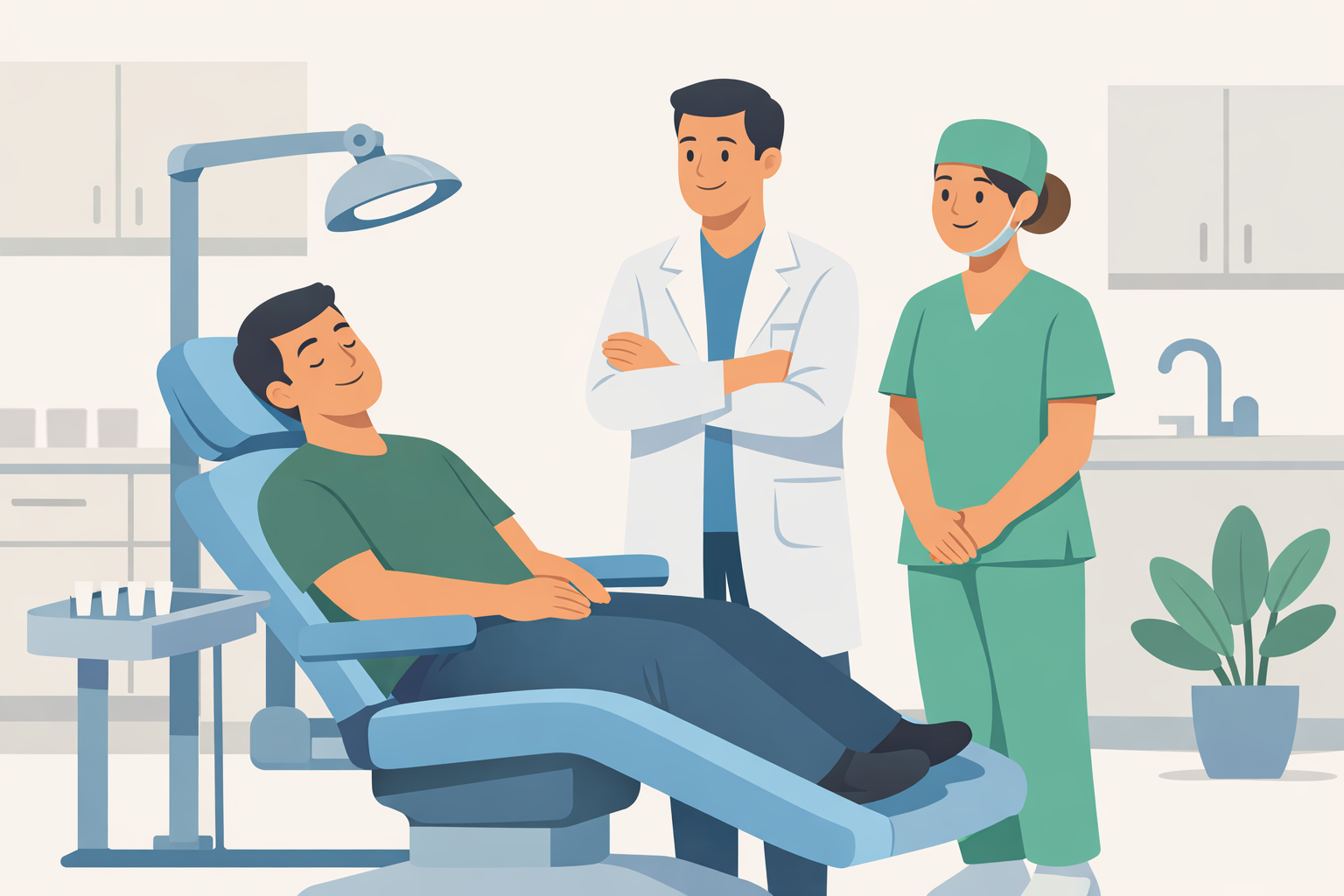
Dental anxiety is more common than people think. For many, just the thought of sitting in a dentist’s chair triggers stress, sweating, or even full-blown panic. And when fear keeps you from visiting the dentist, small issues can quickly turn into bigger problems. The good news is that dental anxiety is manageable, and there are practical ways to overcome it.
In this article, we’ll break down why dental anxiety happens, how to recognize it, and the best steps to regain control. Whether you’ve avoided the dentist for years or just feel nervous before appointments, this guide will help you approach dental care with confidence and calm.
Why Dental Anxiety Happens
Dental anxiety isn’t just “being nervous.” It’s a real emotional response rooted in past experiences, fear of pain, or even a sense of helplessness. Understanding the cause is the first step to overcoming it.
Common Triggers of Dental Fear
Many people feel anxious due to:
- Past negative experiences: A painful procedure or insensitive dentist can leave lasting fear.
- Fear of pain: Even with modern dentistry, the fear of discomfort is real.
- Loss of control: Lying back with someone working inside your mouth can feel intimidating.
- Sounds and sensations: The sound of a drill or the feeling of vibration can be unsettling.
- Embarrassment: Some people feel ashamed about the condition of their teeth or oral health.
These triggers can build up over time, making each visit harder than the last. But the right approach can help you break that cycle.
How Dental Anxiety Shows Up
Not everyone experiences dental anxiety the same way. Some people feel mild nervousness, while others have panic attacks or avoid the dentist entirely.
Signs You Might Be Avoiding Dental Care
If you recognize any of these signs, dental anxiety may be impacting your health:
- Canceling appointments repeatedly
- Feeling tense or sick before dental visits
- Avoiding dental conversations or exams
- Putting off dental treatment until pain becomes severe
- Feeling ashamed or embarrassed about your teeth
Ignoring dental issues often leads to more complex problems later. For example, a small cavity can turn into a major infection if left untreated. That’s why managing anxiety is so important.
The Real Cost of Avoiding the Dentist
Avoiding the dentist doesn’t just affect your oral health. It can impact your overall wellbeing and quality of life.
Dental Anxiety and Long-Term Health
When dental care is delayed, the consequences can include:
- Tooth decay and infections
- Gum disease
- Tooth loss
- Bad breath and mouth pain
- Complicated and costly treatments
Sometimes, dental problems can even affect your overall health. Conditions like diabetes can increase the risk of gum disease, and poor oral health can make managing other health issues more difficult. If you have diabetes, it’s especially important to keep up with dental visits, since oral infections can worsen your condition. Learn more about how diabetics safely undergo oral procedures.
Practical Steps to Reduce Dental Anxiety
You don’t have to “tough it out.” There are proven strategies that can make dental visits much easier.
1. Choose the Right Dentist
Finding a dentist who understands anxiety can make a huge difference. Look for professionals who:
- Explain procedures clearly
- Use gentle, patient-centered care
- Offer comfort options like sedation
- Encourage questions and open communication
If you’ve ever needed a root canal, you might have felt worried about pain or discomfort. Understanding the signs if a root canal treatment is needed can help you address issues early, before they become more serious.
2. Talk About Your Fear
It may feel uncomfortable, but being honest with your dentist can help you feel supported. Dentists can adjust their approach if they know you’re anxious. They may offer breaks, explain each step, or use calming techniques.
3. Use Relaxation Techniques
Simple methods can significantly reduce anxiety:
- Deep breathing exercises
- Progressive muscle relaxation
- Listening to calming music during the appointment
- Using visualization or guided imagery
These techniques help your body stay calm, even when your mind feels nervous.
4. Bring a Support Person
Having a friend or family member with you can provide emotional support and make you feel safer. Many dental offices welcome this and understand the importance of support during treatment.
5. Consider Sedation Dentistry
Sedation options range from mild relaxation to deeper sedation. Depending on your anxiety level, your dentist may recommend sedation to help you stay calm and comfortable.
How to Prepare for Your Next Dental Visit
Preparation can reduce anxiety before you even walk through the door.
Create a Comfort Plan
Before your appointment, consider:
- Scheduling a morning visit when you’re more relaxed
- Avoiding caffeine before the appointment
- Bringing headphones and a playlist
- Practicing breathing exercises beforehand
Ask About the Procedure
Knowing what will happen can reduce fear of the unknown. A good dentist will explain the steps, timeline, and what sensations to expect.
Set Small Goals
If you’ve avoided the dentist for years, start small. Schedule a consultation or a cleaning first. Celebrate that you took the first step.
The Role of Oral Hygiene in Reducing Dental Anxiety
Improving your oral hygiene can help prevent major issues and reduce the fear of dental treatment.
Simple Habits That Make a Difference
Daily habits like:
- Brushing twice daily
- Flossing once a day
- Using a mouthwash
- Drinking water regularly
These practices reduce plaque buildup and prevent gum disease. For those who worry about mouth discomfort or infection, especially after extractions, proper oral care is crucial. If you’re dealing with wisdom teeth issues, knowing the right mouthwash can help you stay comfortable and heal faster.
What to Do If Anxiety Feels Overwhelming
Some people experience severe dental anxiety that may require extra support.
When to Seek Professional Help
If dental anxiety is preventing you from getting necessary care, consider speaking with a mental health professional. Cognitive-behavioral therapy (CBT) has been shown to be effective in reducing dental fear.
Support Groups and Resources
Connecting with others who share similar experiences can provide encouragement and practical tips.
A Calm Mindset Leads to Better Dental Health
Dental anxiety is a challenge, but it doesn’t have to control your health. With the right support, preparation, and strategies, you can regain confidence and make dental care a normal part of your routine.
When you prioritize your oral health, you’re also protecting your overall wellbeing. The key is taking small steps, communicating openly with your dentist, and using techniques that help you stay calm.

Are Cavities Contagious? What You Need to Know
February 2, 2026
How Untreated Dental Problems Can Turn Into Major Oral Surgery
January 26, 2026
Sleep Dentistry for Wisdom Tooth Removal: Is It Right?
April 3, 2026
How Safe Is Modern Oral Surgery? What Patients Need to Know
December 30, 2025
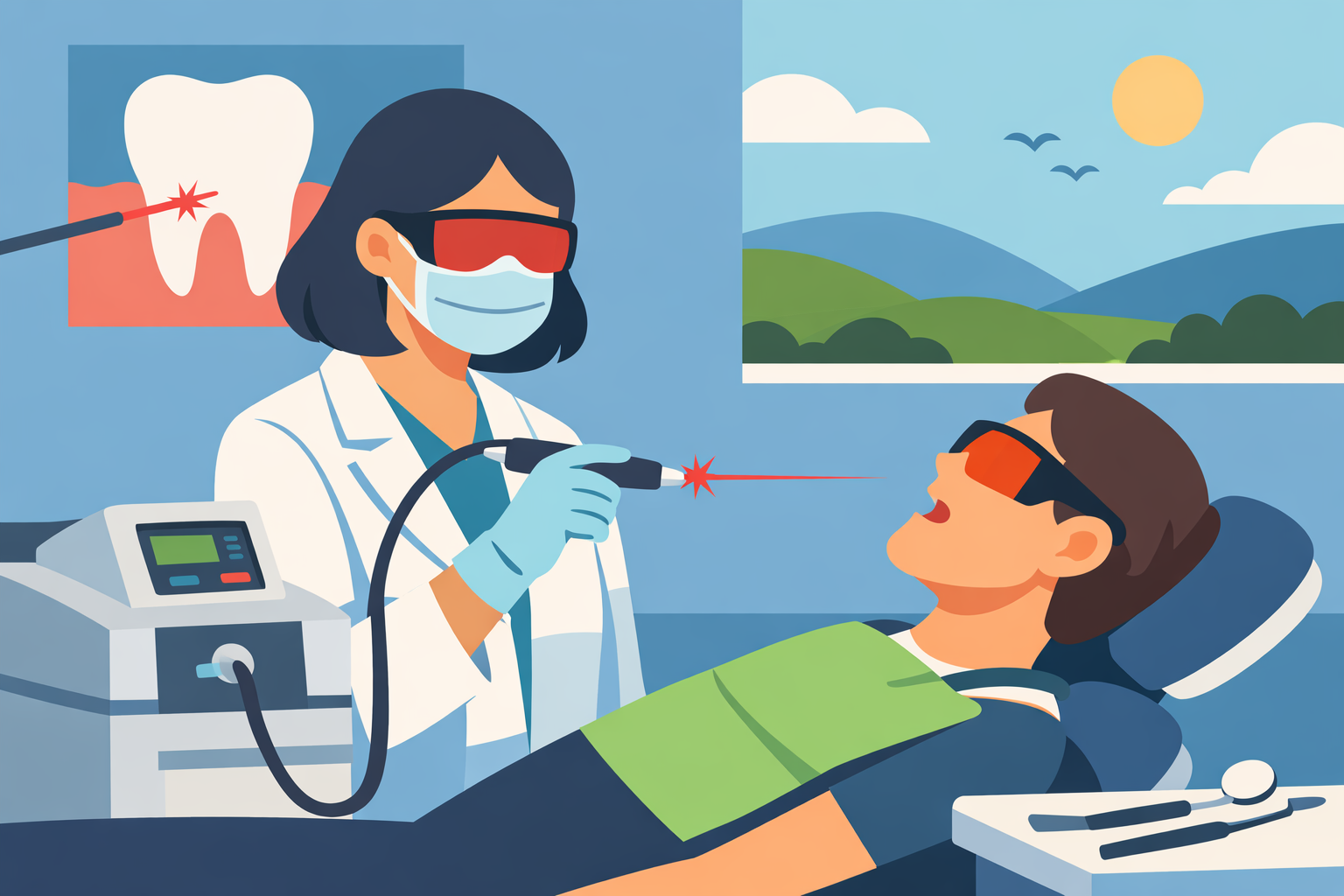
Laser Oral Surgery: Is It Right for You?
December 29, 2025