Can Wisdom Teeth Move Your Teeth Years Later?
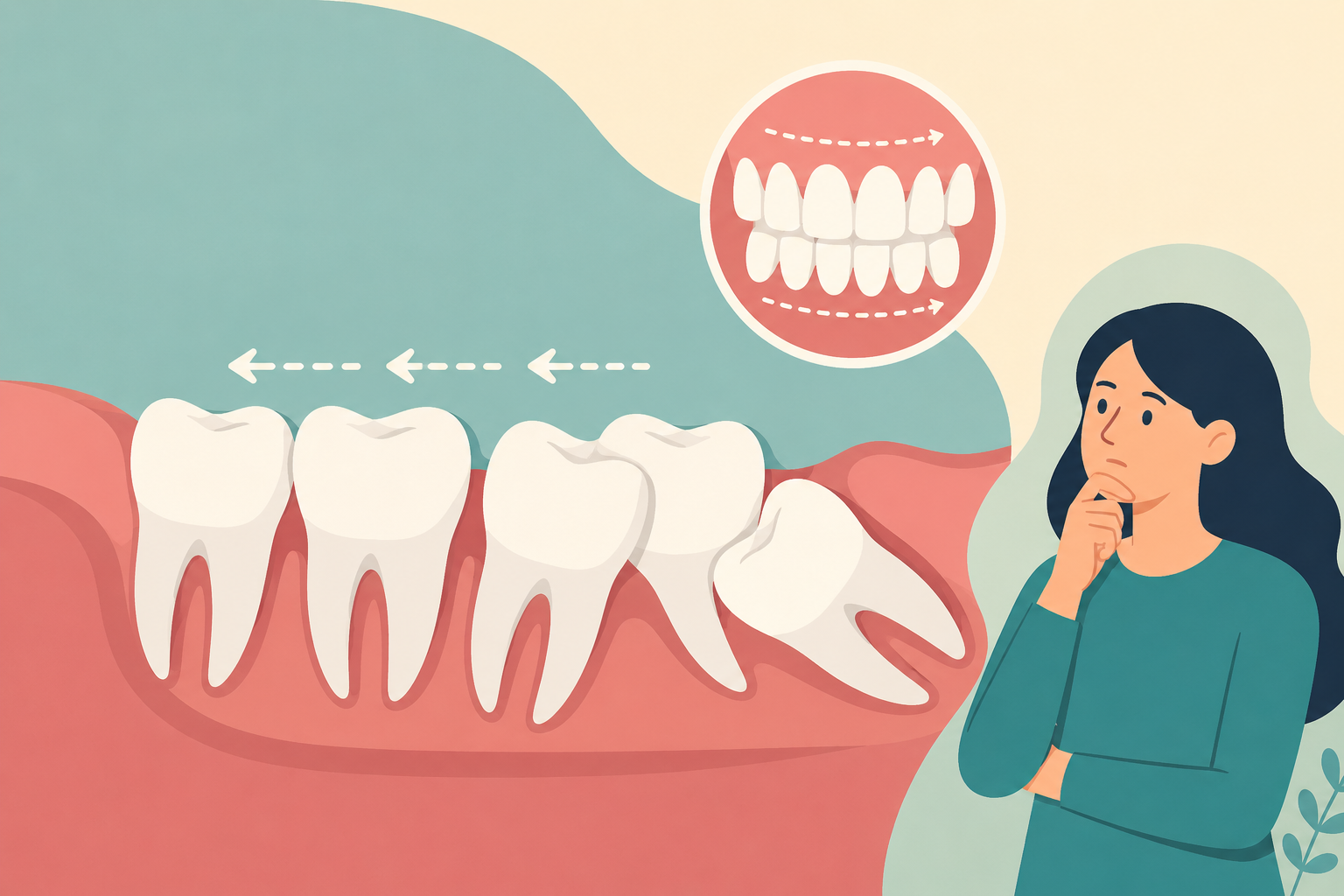
Wisdom teeth are a common topic in dental discussions, especially when it comes to long-term oral health. Many people worry about whether their wisdom teeth can push other teeth out of alignment years after they erupt—or even after they have been removed. While not everyone develops complications from these third molars, understanding the relationship between wisdom teeth and tooth misalignment is essential for maintaining a healthy smile.
Understanding Wisdom Teeth Development
Wisdom teeth, also known as third molars, typically emerge between the ages of 17 and 25. Some people are fortunate enough to never develop them at all. Studies show that why some people never develop wisdom teeth can be linked to genetic factors, jaw size, and evolutionary changes in human dentition. For those who do develop wisdom teeth, the eruption process can sometimes cause discomfort, pain, or swelling as the teeth try to fit into an already crowded mouth.
How Misalignment Can Happen
Tooth misalignment, or malocclusion, occurs when teeth shift from their natural position. This shifting can result from multiple factors, including genetics, jaw growth, tooth loss, and habits such as thumb sucking or teeth grinding. Wisdom teeth are often suspected in cases of crowding, but the connection isn’t always straightforward.
When a wisdom tooth erupts improperly or only partially emerges, it can exert pressure on the surrounding teeth. Over time, this pressure may contribute to crowding or shifting, particularly in the lower front teeth. However, many dental professionals argue that wisdom teeth alone are rarely the sole cause of significant misalignment in adults.
Late-Onset Shifting
Even years after your wisdom teeth have erupted—or even if they were removed—you might notice subtle changes in your teeth alignment. This phenomenon is often due to natural aging of the jaw and teeth rather than a delayed eruption of wisdom teeth. As we age, the jawbone can undergo minor changes in density and shape, which can lead to teeth gradually shifting forward.
That said, if wisdom teeth were impacted or partially removed, they might still play a minor role in this shifting. For patients concerned about the potential for late-onset misalignment, it is important to monitor oral changes and consult a dental professional if new crowding or discomfort appears.
Wisdom Teeth Removal and Long-Term Effects
Removal of wisdom teeth is a common procedure aimed at preventing complications such as infection, decay, or misalignment. While many patients notice immediate relief from pain or swelling after surgery, questions often arise regarding the long-term outcomes.
It’s worth noting that whether wisdom teeth can grow back after removal is a concern for some patients, but the reality is that once fully extracted, these teeth generally do not regenerate. However, any residual tissue or partially removed teeth could potentially lead to further dental adjustments, although this is rare.
For pregnant patients, the timing of wisdom tooth removal is especially critical. The procedure is typically delayed or carefully planned to protect both maternal and fetal health, as outlined in resources on wisdom tooth removal during pregnancy. Ensuring proper care during this period is crucial to prevent complications that could indirectly affect teeth alignment.
Other Factors That Affect Tooth Shifting
While wisdom teeth may play a minor role in some cases, several other factors are more influential in tooth misalignment over time:
- Genetics: Jaw size and tooth crowding are often inherited, making some individuals naturally more prone to shifting.
- Tooth loss: Missing teeth can create gaps that neighboring teeth may drift into, altering bite alignment.
- Habits: Persistent thumb sucking, tongue thrusting, or teeth grinding can contribute to malocclusion.
- Aging: Natural changes in the jawbone and dental arch can subtly move teeth, even without wisdom teeth interference.
Understanding these factors helps provide a clearer picture of why adult teeth may shift, even in patients with previously healthy dental alignment.
Preventing and Managing Misalignment
Monitoring your dental health is the best defense against unwanted shifting. Regular dental checkups allow professionals to evaluate the eruption of wisdom teeth, assess bite alignment, and recommend timely interventions if needed.
Orthodontic solutions like braces or clear aligners are effective in correcting misalignment that occurs after wisdom teeth eruption or removal. For adults noticing gradual crowding, early intervention can prevent more severe complications later. Additionally, maintaining a healthy oral hygiene routine—including brushing, flossing, and using mouthwash—supports long-term teeth stability.
It’s also important to recognize that preventive removal of wisdom teeth may be considered in certain cases. When third molars are likely to erupt improperly or cause crowding, dentists may recommend extraction as a proactive measure to protect alignment. However, each case is unique, and decisions should be based on professional evaluations rather than assumptions about future misalignment.
When to Seek Professional Advice
If you notice changes in your teeth position, persistent pain, swelling, or difficulty chewing, consult a dentist promptly. They can provide diagnostic imaging, evaluate the positioning of wisdom teeth, and recommend whether intervention is necessary. Early detection of potential issues allows for more conservative treatments and helps prevent long-term complications.
Even for patients whose wisdom teeth were removed years ago, new crowding may appear. Regular checkups, along with orthodontic consultations if needed, help manage any misalignment efficiently. Understanding the full picture—including genetics, habits, and natural aging—ensures that wisdom teeth are not unfairly blamed for all dental changes.
Key Takeaways
While wisdom teeth can contribute to pressure and potential misalignment, they are rarely the sole factor in long-term shifting. Aging, genetics, oral habits, and tooth loss play equally important roles. Regular dental evaluations, careful monitoring, and proactive orthodontic care remain the most effective strategies for maintaining a healthy, aligned smile.
Wisdom teeth should be managed thoughtfully, especially in unique circumstances such as pregnancy or partial eruption. By combining preventive care with professional guidance, most patients can enjoy a stable and comfortable dental alignment well into adulthood.
How Long Does Wisdom Tooth Surgery Really Take?
February 20, 2026
Best Oral Surgeon for Wisdom Teeth in Hollywood, FL
April 6, 2026
Wisdom Teeth Headaches: Causes and Relief
February 24, 2026

Can You Smoke or Vape After Wisdom Tooth Removal?
December 1, 2025

Can You Go to Work or School After Wisdom Tooth Removal?
June 9, 2026