How Long Do Dental Implants Really Last?
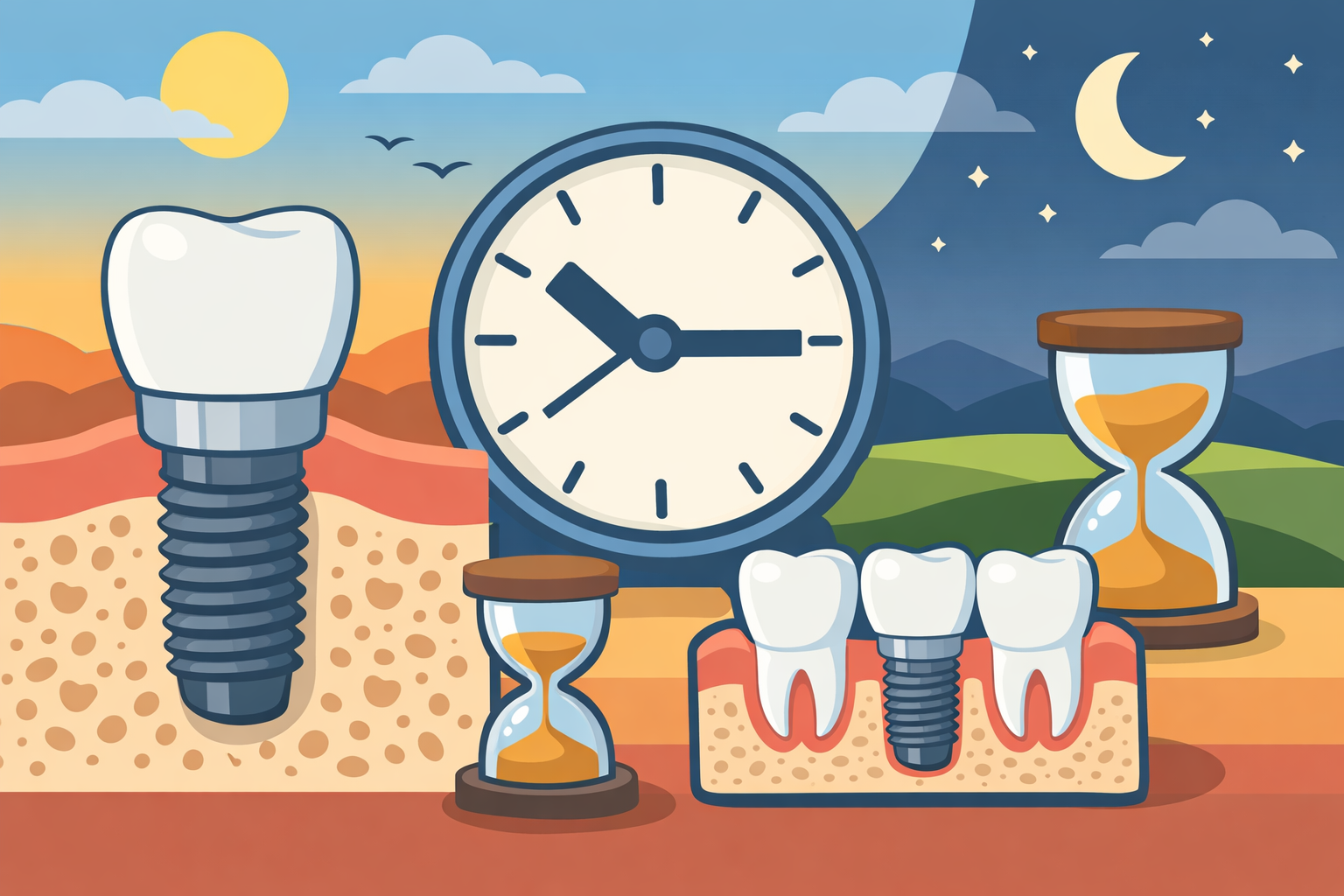
A dental implant is a titanium post surgically placed into the jawbone to replace the root of a missing tooth. Once placed, the implant bonds with the surrounding bone through a natural process called osseointegration.
After healing, a custom crown is attached to the implant, restoring both appearance and function. This structure allows implants to closely mimic natural teeth, which is why they last significantly longer than other tooth replacement options.
Patients considering long-term tooth replacement often explore dental implants because they offer unmatched stability, comfort, and durability.
The Average Lifespan of Dental Implants
How Long the Implant Post Lasts
The implant itself — the part placed in the jawbone — is designed to be permanent. With proper placement and care, it can last 25 years or more, and often for life.
Clinical studies consistently show success rates above 95 percent when implants are placed by experienced oral surgeons and supported by healthy bone.
How Long the Implant Crown Lasts
The crown, which is the visible part of the tooth, typically lasts 10 to 15 years. Over time, normal wear, bite pressure, or cosmetic changes may require crown replacement.
Importantly, replacing a crown does not mean replacing the implant. The foundation usually remains intact.
What Factors Affect How Long Dental Implants Last?
While implants are built for longevity, several factors influence how well they perform over time.
Oral Hygiene and Daily Care
Implants require the same level of care as natural teeth. Poor oral hygiene can lead to peri-implantitis, a gum infection that affects the bone supporting the implant.
Brushing twice daily, flossing consistently, and attending professional cleanings are essential for protecting implant health.
Bone Quality and Jaw Strength
Healthy bone is critical for implant stability. Patients with adequate bone density tend to experience better long-term outcomes.
If bone loss is present, procedures such as bone grafting can help create a strong foundation and significantly improve implant longevity.
Surgical Skill and Placement Accuracy
Precise placement is one of the most important factors in implant success. Improper angulation or positioning can place unnecessary stress on the implant and surrounding bone.
This is why choosing a skilled oral and maxillofacial surgeon with advanced imaging and planning tools matters.
Smoking and Tobacco Use
Smoking increases the risk of implant failure by reducing blood flow and slowing healing. It also raises the likelihood of infection around the implant site.
Patients who quit smoking before and after surgery dramatically improve their long-term success rates.
Teeth Grinding and Bite Pressure
Grinding or clenching places excessive force on implants and crowns. Over time, this pressure can cause wear or loosening.
Custom night guards and bite adjustments help protect implants from unnecessary stress.
Dental Implants Compared to Other Tooth Replacement Options
Implants vs Dental Bridges
Dental bridges usually last 7 to 10 years and rely on neighboring teeth for support. This can weaken healthy teeth over time.
Implants stand independently, preserve jawbone structure, and typically last much longer.
Implants vs Dentures
Traditional dentures often need adjustment or replacement every 5 to 8 years. They can shift, cause discomfort, and contribute to bone loss.
Implants offer superior stability, comfort, and long-term value.
Can Dental Implants Fail Over Time?
Implant failure is uncommon, but it can happen.
Early Implant Failure
Early failure typically occurs within the first few months and may result from poor bone integration, infection, or excessive movement during healing.
Following post-operative instructions closely helps minimize this risk.
Late Implant Failure
Late failure may occur years later, often due to gum disease, smoking, or unmanaged health conditions such as diabetes.
Routine monitoring allows issues to be addressed early, protecting the implant.
How to Make Dental Implants Last as Long as Possible
Maintain Consistent Oral Care
Brush, floss, and clean around implants daily. Water flossers can be especially helpful for reaching around implant crowns.
Simple habits done consistently make the biggest difference.
Keep Up With Dental Visits
Regular checkups allow your dental team to evaluate implant stability, gum health, and bite alignment.
Professional cleanings remove hardened plaque that cannot be addressed at home.
Protect Your Bite
If you grind your teeth, wearing a night guard can prevent damage to the implant crown and surrounding structures.
This small preventive step can add years to your implant’s lifespan.
Support Overall Health
Systemic conditions affect oral health. Managing diabetes, maintaining good nutrition, and avoiding tobacco all contribute to long-term implant success.
Are Dental Implants Worth the Long-Term Investment?
Although implants have a higher upfront cost, their durability often makes them more cost-effective over time.
Because they rarely need replacement and help prevent bone loss, many patients spend less on future dental work compared to bridges or dentures.
For patients seeking a long-term solution, implants offer exceptional value.
Who Is a Good Candidate for Long-Lasting Implants?
Most adults are candidates for dental implants. Ideal candidates typically have:
- Healthy gums
- Adequate jawbone or eligibility for bone grafting
- Good oral hygiene habits
- No unmanaged medical conditions affecting healing
A professional evaluation provides clarity and a customized treatment plan.
Why a Professional Consultation Matters
Every patient’s oral anatomy and health history are unique. Bone density, bite alignment, and lifestyle factors all influence implant longevity.
An experienced oral surgeon can assess these details, explain treatment options, and design a plan that maximizes long-term success. If you’re considering implants and want personalized guidance, the easiest next step is to contact us and schedule a consultation.
Final Thoughts
Dental implants are one of the longest-lasting and most reliable tooth replacement options available today. With proper placement, daily care, and routine monitoring, they can last decades — and often a lifetime.
If you’re looking for a solution that restores function, protects jawbone health, and delivers lasting value, dental implants remain the gold standard.
Can Wisdom Teeth Cause Ear Pain?
May 13, 2026

What to Bring to Your Oral Surgery Appointment: A Simple Checklist
June 25, 2026
Are Wisdom Teeth Useful or Evolutionary Leftovers?
March 10, 2026
Can Wisdom Teeth Return After Being Pulled?
May 27, 2026
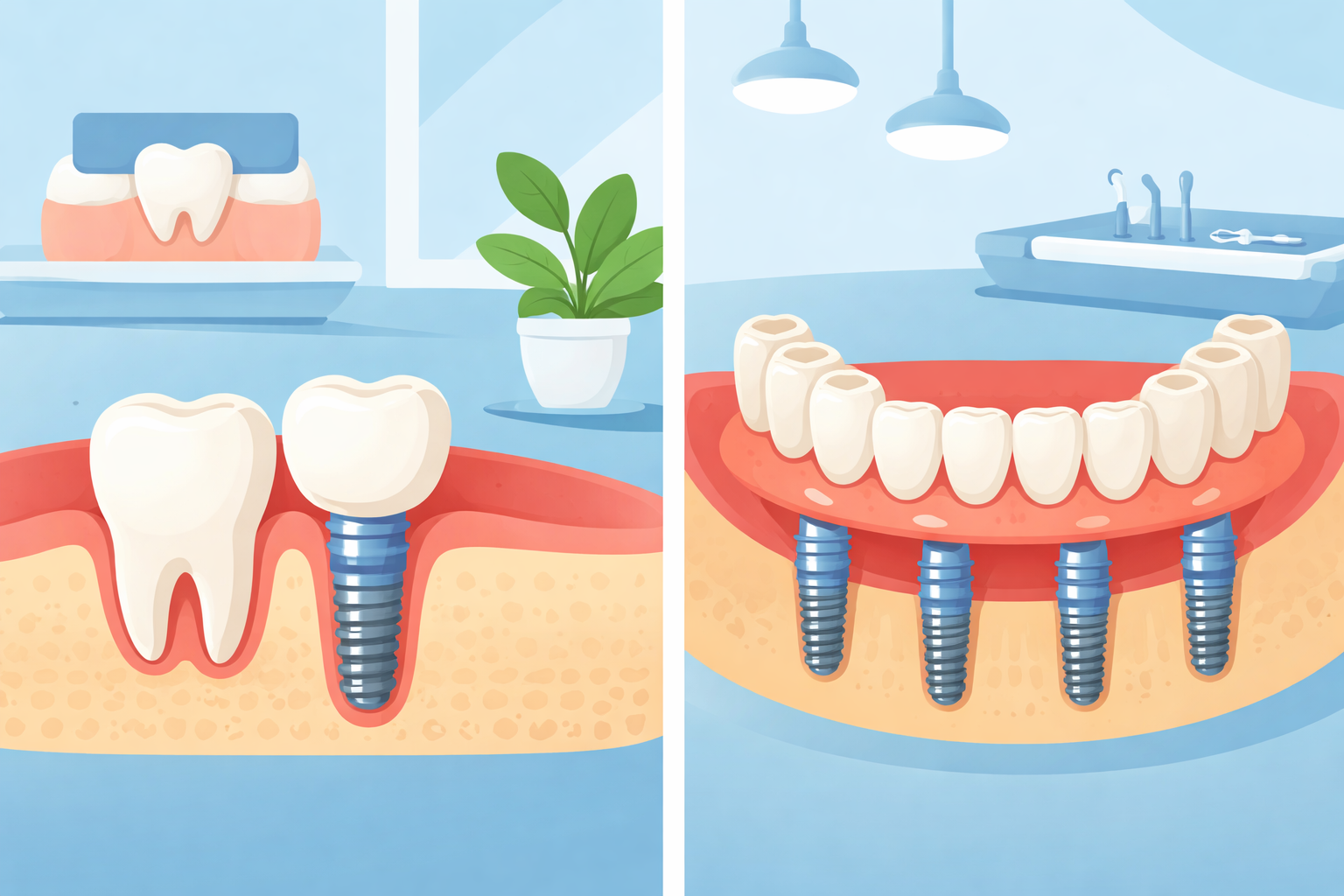
Single-Tooth vs. Full-Arch Dental Implants
January 7, 2026