Why Regular Dental X-Rays Are Essential for Wisdom Teeth
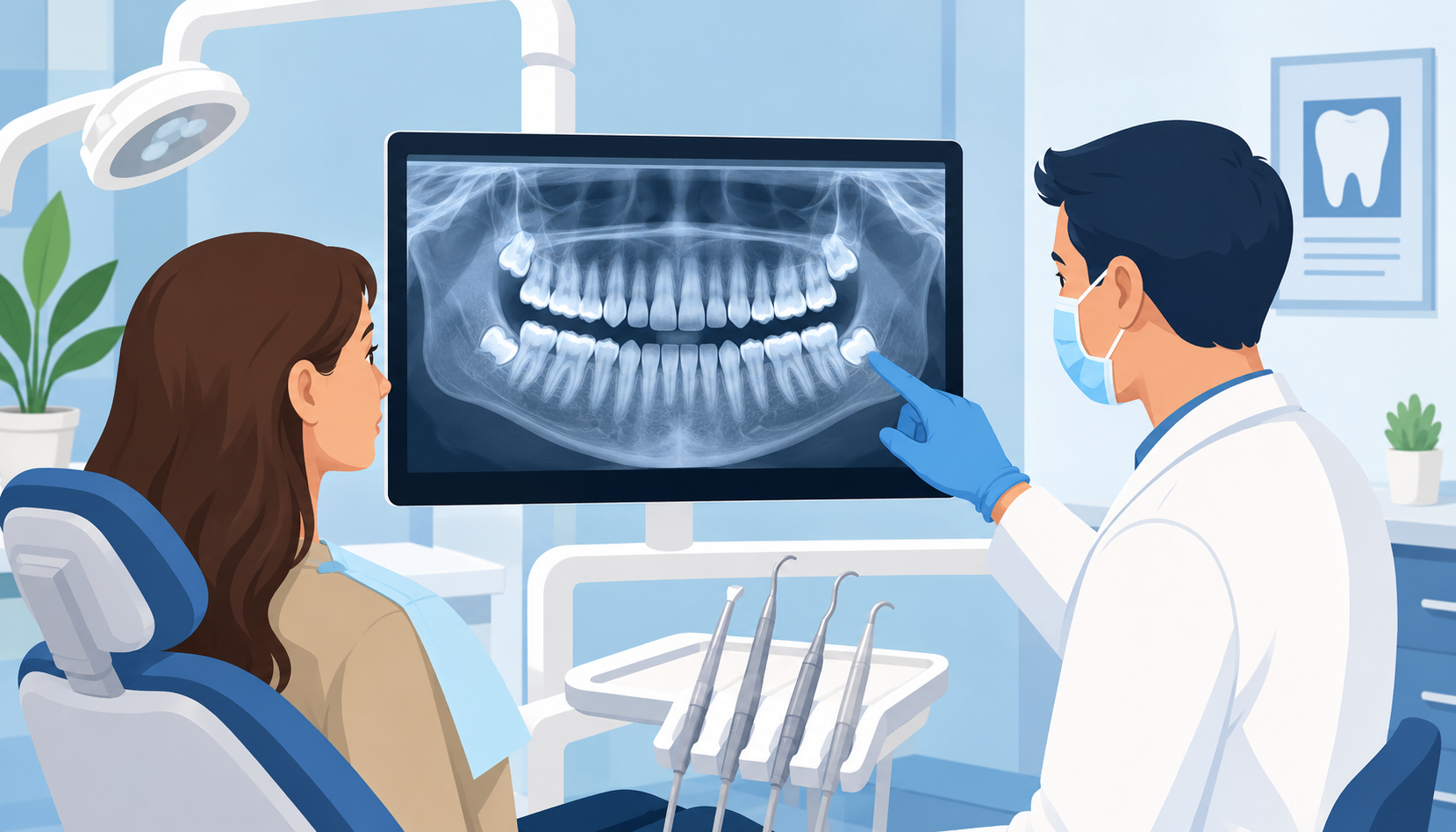
Wisdom teeth often develop quietly beneath the gums long before they cause noticeable symptoms. While some people assume that no pain means no problem, wisdom teeth can create complications that remain hidden until significant damage has already occurred. That’s why regular dental X-rays play such an important role in monitoring their development and protecting your long-term oral health.
Whether your wisdom teeth are erupting normally, growing at an angle, or remaining impacted beneath the gums, routine imaging allows dental professionals to detect potential issues early and recommend the most appropriate treatment plan.
In this guide, we’ll explain why regular dental X-rays matter for wisdom teeth, what dentists look for during evaluations, and how early detection can help prevent more serious oral health problems.
Understanding Wisdom Teeth Development
Wisdom teeth, also known as third molars, are the last permanent teeth to develop. Most people begin seeing signs of wisdom tooth growth between the ages of 17 and 25, although development timelines can vary.
Because wisdom teeth emerge at the back of the mouth where space is often limited, they are more likely to become impacted, partially erupted, or misaligned.
Why Wisdom Teeth Are Different From Other Teeth
Unlike most teeth that emerge during childhood, wisdom teeth often develop when the jaw has already reached its full size. This can create challenges when there isn’t enough room for proper eruption.
Understanding the differences between third molars and other teeth can help patients recognize why ongoing monitoring is so important.
Why Dental X-Rays Matter for Wisdom Teeth
Dental X-rays provide a detailed view of structures that cannot be seen during a routine visual examination.
While a dentist can inspect the visible surfaces of your teeth and gums, X-rays reveal:
- Impacted wisdom teeth
- Tooth positioning and angulation
- Root development
- Bone health
- Signs of infection
- Cysts and other abnormalities
- Damage to neighboring teeth
Without imaging, many wisdom tooth issues could go undetected until symptoms become severe.
Detecting Problems Before Symptoms Appear
One of the biggest advantages of regular dental X-rays is the ability to identify potential complications before pain develops.
Many impacted wisdom teeth remain symptom-free for years while gradually affecting nearby teeth and bone structures. Early detection allows your dental provider to monitor changes and determine the ideal timing for treatment.
Common Wisdom Tooth Issues Found on X-Rays
Impacted Wisdom Teeth
An impacted wisdom tooth is trapped beneath the gums or jawbone and cannot erupt properly.
X-rays help determine:
- The position of the tooth
- Whether it is pressing against neighboring teeth
- The depth of impaction
- Potential risks associated with removal
Impacted wisdom teeth are among the most common reasons oral surgeons recommend extraction.
Crowding and Pressure on Adjacent Teeth
When wisdom teeth attempt to emerge in a limited space, they may push against nearby molars.
Over time, this pressure can contribute to:
- Tooth shifting
- Bite changes
- Increased cleaning difficulty
- Higher cavity risk
Routine imaging allows dentists to identify these concerns before they become more significant.
Hidden Infections
Wisdom teeth can develop infections beneath the gumline that aren’t visible during a standard oral exam.
X-rays may reveal:
- Bone loss
- Abscess formation
- Areas of inflammation
- Early signs of periodontal disease
Detecting these problems early often results in simpler treatment and improved outcomes.
Cysts and Jawbone Damage
In rare cases, impacted wisdom teeth can become associated with cyst formation.
A cyst can gradually expand and damage:
- Jawbone
- Adjacent teeth
- Nerves
- Surrounding tissues
Regular X-rays help identify these abnormalities before extensive damage occurs.
How Often Should Wisdom Teeth Be Monitored?
The frequency of dental X-rays depends on several factors, including age, risk level, symptoms, and wisdom tooth development.
Your dentist may recommend periodic imaging if:
- Wisdom teeth have not fully erupted
- Teeth are impacted
- Previous X-rays showed potential concerns
- You are experiencing symptoms
For younger patients, regular monitoring is especially valuable because wisdom teeth continue changing throughout late adolescence and early adulthood.
Monitoring During the Teen Years
Many dentists recommend evaluating wisdom teeth during the mid-to-late teenage years.
This allows providers to:
- Track eruption patterns
- Assess available jaw space
- Predict future complications
- Develop treatment plans before problems arise
Early evaluation often leads to more predictable outcomes if extraction becomes necessary.
What Dentists Look for on Wisdom Tooth X-Rays
Dental professionals use X-rays to evaluate several important factors.
Tooth Position
The angle of the wisdom tooth significantly impacts its ability to erupt properly.
Common positions include:
PositionDescription
Vertical
Growing upright normally
Mesial
Leaning toward neighboring teeth
Distal
Leaning away from neighboring teeth
Horizontal
Growing sideways
Impacted
Unable to erupt fully
Certain positions increase the likelihood of future complications.
Root Development
X-rays help track how roots are forming beneath the gums.
Monitoring root development helps oral surgeons determine:
- Surgical complexity
- Ideal timing for extraction
- Proximity to important anatomical structures
Proximity to Nerves and Sinuses
Advanced imaging may be recommended when wisdom teeth are located near sensitive areas.
For complex cases, providers often rely on advanced imaging technology. Learn how 3D imaging improves wisdom tooth treatment planning and helps surgeons evaluate critical structures with greater precision.
Why Early Detection Can Save You From Bigger Problems
Waiting until wisdom teeth become painful may limit treatment options and increase the likelihood of complications.
Regular imaging helps identify concerns before they lead to:
- Severe infections
- Gum disease
- Tooth decay
- Damage to neighboring teeth
- Bone loss
- More complex extractions
Early intervention often results in shorter procedures and smoother recovery experiences.
Easier Treatment Planning
When wisdom tooth issues are identified early, patients have more flexibility when scheduling treatment.
Instead of seeking emergency care after symptoms appear, patients can work with their provider to plan treatment at a convenient time.
Can Wisdom Teeth Be Removed the Same Day They Are Evaluated?
In some situations, patients may qualify for immediate treatment after evaluation.
When imaging confirms the need for extraction and scheduling permits, certain practices may offer same-day wisdom tooth removal options.
This approach can be especially beneficial for patients experiencing discomfort or facing busy schedules.
However, every case is unique, and a thorough examination is always necessary before determining treatment eligibility.
Preparing for Wisdom Tooth Surgery
If X-rays indicate that extraction is recommended, preparation becomes the next step.
Patients often ask about dietary guidelines before and after surgery.
Following proper nutrition recommendations can support healing and recovery. Reviewing guidance on what to eat before and after wisdom tooth surgery can help you feel more prepared for the process.
Choosing the Right Provider for Wisdom Tooth Evaluation
Not all dental providers approach wisdom tooth care the same way.
When selecting a provider, it’s important to consider:
- Experience with wisdom tooth management
- Access to advanced imaging technology
- Surgical expertise
- Patient reviews
- Treatment options
If you’re researching providers, this guide on what to look for in a Miami dentist or oral surgery specialist offers helpful insights.
Signs You Should Schedule a Wisdom Tooth Evaluation
Even if you’re not currently experiencing severe discomfort, certain symptoms may indicate the need for updated X-rays.
Watch for:
- Jaw pain
- Gum swelling
- Difficulty opening your mouth
- Bad breath
- Recurrent infections
- Headaches
- Pressure behind the molars
- Changes in tooth alignment
These symptoms don’t always mean extraction is necessary, but they do warrant professional evaluation.
The Long-Term Benefits of Routine Wisdom Tooth Imaging
Regular dental X-rays are one of the most valuable preventive tools available for wisdom tooth management.
Benefits include:
- Earlier diagnosis
- Reduced risk of complications
- Improved treatment planning
- Better preservation of surrounding teeth
- More predictable surgical outcomes
- Greater peace of mind
Rather than waiting for problems to appear, routine imaging helps patients make informed decisions based on accurate information.
When to Schedule Your Wisdom Tooth Evaluation
If it’s been several years since your last dental X-rays or you’re experiencing symptoms related to wisdom teeth, now may be the right time for an evaluation.
A comprehensive examination can determine whether your wisdom teeth are developing normally or if treatment may be beneficial.
For personalized guidance, you can schedule a wisdom tooth consultation and appointment with an experienced oral surgery team.
Frequently Asked Questions
How often should wisdom teeth be checked with X-rays?
The timing varies based on age, symptoms, and risk factors. Many patients benefit from periodic evaluations during their late teens and twenties.
Can wisdom teeth cause problems without pain?
Yes. Many impacted wisdom teeth remain painless while causing damage to neighboring teeth, bone, or gum tissue.
Are dental X-rays safe?
Modern dental X-rays use very low radiation levels and are considered safe when performed according to professional guidelines.
What age should wisdom teeth be evaluated?
Most dental professionals recommend an initial wisdom tooth assessment during the mid-to-late teenage years.
Can X-rays determine if wisdom teeth need removal?
X-rays provide critical information about positioning, impaction, root development, and potential complications, helping providers determine whether extraction is recommended.
Do all wisdom teeth need to be removed?
No. Some wisdom teeth erupt normally and remain healthy. Regular monitoring helps determine whether removal is necessary.
Conclusion
Regular dental X-rays play a critical role in monitoring wisdom teeth and identifying problems before they become serious. From detecting impactions and infections to evaluating root development and jawbone health, imaging provides information that cannot be obtained through a visual exam alone.
Whether your wisdom teeth are causing symptoms or simply being monitored as part of routine care, consistent evaluations help protect your oral health and support better treatment outcomes. Early detection allows for proactive decision-making, reducing the risk of future complications and ensuring you receive the right care at the right time.
Can Impacted Wisdom Teeth Cause Front Teeth Discomfort?
June 4, 2026

How Safe Is Modern Oral Surgery? What Patients Need to Know
December 30, 2025

Your Complete Guide to Choosing the Right Dentist and Treatment
January 22, 2026

Emergency Wisdom Tooth Removal: What to Do Fast
April 14, 2026
Cavities Explained: Causes, Prevention, and Treatment
January 14, 2026