Sleep Dentistry for Wisdom Tooth Removal: Is It Right?
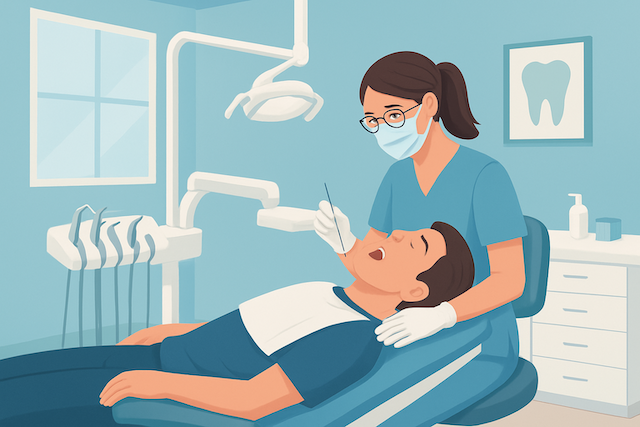
Wisdom tooth removal is one of the most common oral surgery procedures, yet it’s also one of the most feared. For many patients, the anxiety isn’t just about pain—it’s about the experience itself. That’s where sleep dentistry comes in. If you’ve been putting off treatment due to fear or discomfort, understanding your sedation options can completely change how you approach wisdom tooth removal.
In this guide, we’ll break down how sleep dentistry works, who it’s for, and whether it’s the right choice for your situation. If you’re considering extraction, this will help you make a confident, informed decision.
What Is Sleep Dentistry for Wisdom Tooth Removal?
Sleep dentistry refers to the use of sedation techniques that help you stay relaxed, calm, or even fully asleep during your procedure. While the term “sleep dentistry” suggests complete unconsciousness, there are actually different levels of sedation depending on your needs.
For wisdom tooth removal, sedation is commonly used to make the process smooth, pain-free, and stress-free.
Types of Sedation Used in Oral Surgery
Local Anesthesia
This is the most basic option. The area around your wisdom teeth is numbed, but you remain fully awake.
Oral Sedation
You take medication before your procedure to help you feel calm and drowsy. You’ll still be awake but significantly more relaxed.
IV Sedation (Sleep Dentistry)
This is the most popular option for wisdom tooth removal. Medication is delivered through an IV, putting you in a deep state of relaxation. Most patients don’t remember the procedure at all.
General Anesthesia
In some cases, especially complex extractions, full unconsciousness may be recommended.
Each option has its place, but sleep dentistry—particularly IV sedation—is often preferred for patients who want a completely stress-free experience.
Why Patients Choose Sleep Dentistry
Many patients assume wisdom tooth removal will be painful or overwhelming. In reality, sedation transforms the entire experience.
Eliminates Dental Anxiety
Fear of the dentist is one of the biggest reasons people delay treatment. If you’ve ever felt nervous about sitting in a dental chair, sedation can help you stay calm from start to finish.
If anxiety has been holding you back, learning how to manage it and talking to a dentist about extraction anxiety can be a great first step.
Minimizes Discomfort
With sleep dentistry, you won’t feel pain during the procedure. Even after the surgery, your oral surgeon will provide medication and instructions to manage recovery comfortably.
No Memory of the Procedure
One of the biggest benefits of IV sedation is that most patients don’t remember anything. This makes it ideal for those who want to avoid the stress of being aware during surgery.
Efficient and Faster Procedures
Because you’re fully relaxed, your oral surgeon can often complete the procedure more efficiently. This is especially helpful when removing multiple wisdom teeth at once.
Who Is a Good Candidate for Sleep Dentistry?
Sleep dentistry isn’t just for people with severe anxiety—it can benefit a wide range of patients.
You May Be a Good Fit If You:
- Feel anxious or fearful about dental procedures
- Have a low pain tolerance
- Need multiple wisdom teeth removed
- Have impacted wisdom teeth
- Struggle with a strong gag reflex
- Prefer a “hands-off” experience
Even if your case is routine, sedation can make the entire process significantly more comfortable.
When Sleep Dentistry Might Not Be Necessary
While sedation offers many benefits, it’s not always required.
Situations Where Local Anesthesia May Be Enough
- Simple extractions
- Minimal discomfort expected
- Patients comfortable with dental procedures
- Short procedure time
Your oral surgeon will evaluate your case and recommend the best option based on your comfort level and medical needs.
What to Expect During the Procedure
Understanding the process helps remove uncertainty and makes the experience feel more manageable.
Before the Procedure
You’ll receive detailed instructions, including:
- Fasting guidelines (if sedation is used)
- Medication instructions
- Transportation arrangements (you’ll need someone to drive you home)
Your oral surgeon will review your medical history to ensure sedation is safe for you.
During the Procedure
If you choose IV sedation:
- You’ll feel relaxed within minutes
- You may fall into a light sleep
- You won’t feel pain or discomfort
- The procedure will feel like it passes instantly
After the Procedure
You’ll wake up in a recovery area, often feeling groggy but comfortable. Most patients are surprised at how quick and easy it feels.
Recovery After Sleep Dentistry
Recovery from wisdom tooth removal is similar whether you choose sedation or not—but your experience during the procedure can impact how you feel afterward.
What to Expect
- Mild swelling and discomfort for a few days
- Limited activity for 24–48 hours
- Gradual return to normal eating habits
Following your aftercare instructions is key to healing quickly and avoiding complications.
Is Sleep Dentistry Safe?
Safety is one of the most common concerns—and understandably so.
What Makes It Safe
- Administered by trained professionals
- Continuous monitoring of vital signs
- Customized dosage based on your health
- Strict medical protocols
For most patients, sedation dentistry is extremely safe when performed by an experienced oral surgeon.
Cost of Sleep Dentistry for Wisdom Tooth Removal
The cost of sedation can vary depending on:
- Type of sedation used
- Complexity of the extraction
- Number of teeth removed
- Location of the clinic
While sedation may add to the overall cost, many patients find the comfort and peace of mind well worth it.
Insurance coverage varies, so it’s important to check your plan. If you’re exploring coverage options.
Sleep Dentistry vs Staying Awake: Which Is Better?
Choosing between sedation and staying awake comes down to your comfort level and the complexity of your case.
Sleep Dentistry May Be Better If:
- You want zero awareness during the procedure
- You feel anxious or nervous
- You’re having multiple or impacted teeth removed
Staying Awake May Work If:
- You’re comfortable with dental procedures
- The extraction is simple
- You prefer a quicker recovery from sedation
There’s no one-size-fits-all answer. The right choice is the one that makes you feel confident and comfortable.
Why Delaying Wisdom Tooth Removal Can Be Risky
Many people delay treatment because they’re unsure or anxious. However, waiting too long can lead to complications.
Potential Risks of Delaying
- Infection
- Damage to nearby teeth
- Cysts or gum disease
- Increased pain and swelling
Addressing the issue early—especially with the help of sedation—can prevent more serious problems later.
How to Decide If Sleep Dentistry Is Right for You
If you’re still unsure, ask yourself a few simple questions:
- Do I feel anxious about dental procedures?
- Would I prefer not to remember the surgery?
- Am I dealing with multiple or impacted teeth?
If you answered yes to any of these, sleep dentistry may be a great option.
Ultimately, your oral surgeon will guide you based on your specific needs and comfort level.
Take the Next Step Toward a Stress-Free Experience
Wisdom tooth removal doesn’t have to be stressful, painful, or overwhelming. With sleep dentistry, you can go through the entire process feeling relaxed, comfortable, and confident.
If you’ve been putting off treatment, now is the time to take control of your oral health.
Book a consultation
Conclusion
Sleep dentistry has transformed the way patients experience wisdom tooth removal. What used to feel intimidating is now a smooth, manageable procedure for most people.
Whether you’re dealing with anxiety, discomfort, or simply want a better experience, sedation offers a safe and effective solution. The key is choosing the right approach for your comfort and getting guidance from a trusted professional.
Taking that first step can make all the difference—not just for your oral health, but for your peace of mind.

7 Signs You Need Your Wisdom Teeth Removed
May 27, 2025
Wisdom Tooth Nerve Damage: How Rare Is It, Really?
April 22, 2026

Affordable vs. Quality Wisdom Tooth Removal Guide
June 23, 2026
Can Wisdom Teeth Cause Fever or Chills?
January 12, 2026
Zygomatic Implants: Your Guide to a Stronger Implant Solution
November 26, 2025