Do Wisdom Teeth Cause Crooked Teeth?
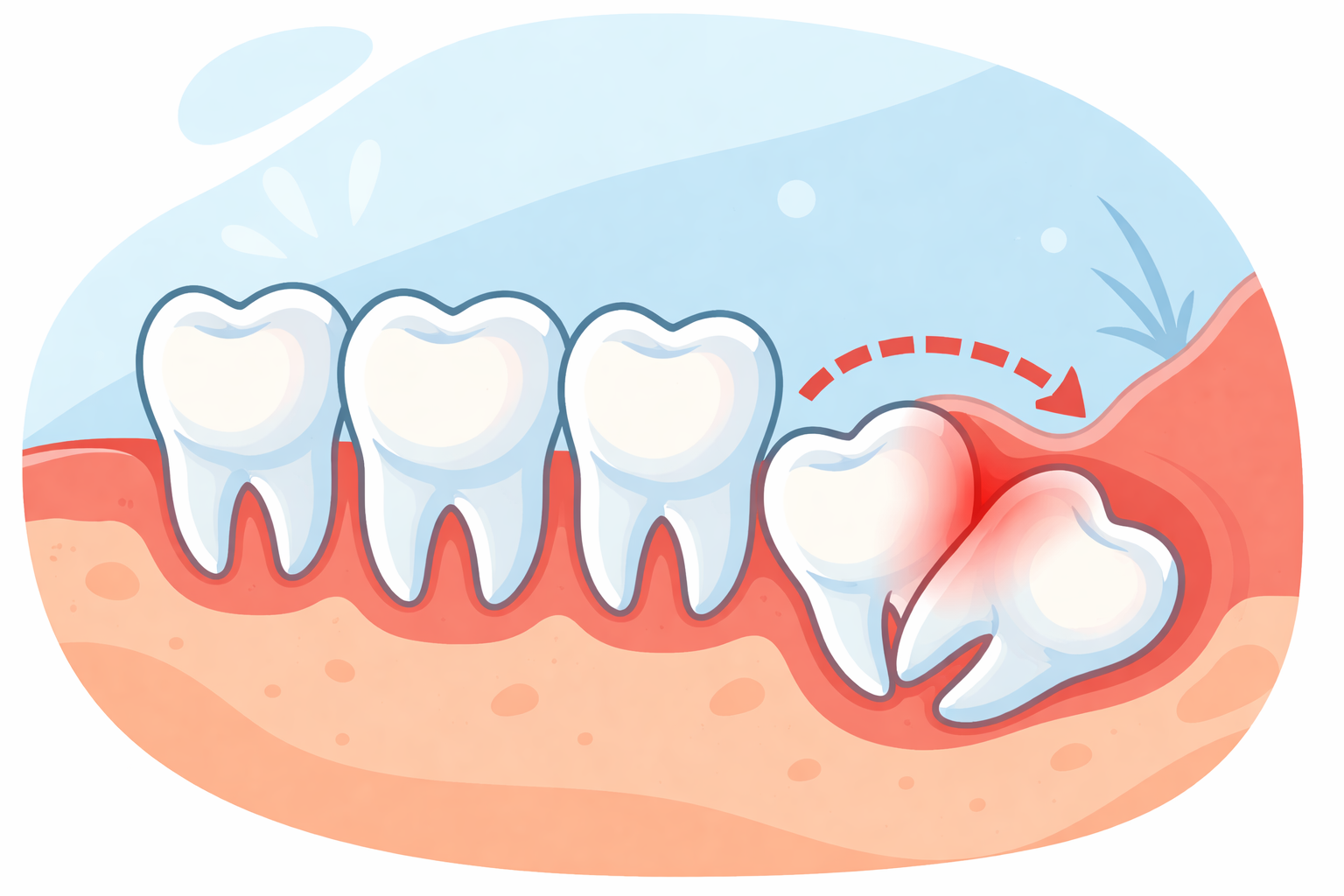
Wisdom teeth are often blamed when teeth begin shifting in the late teens or early adulthood. Many people notice crowding or subtle changes in their smile and immediately point to these third molars as the cause. While wisdom teeth are not always the primary reason teeth become crooked, they can contribute to alignment issues under specific conditions.
Understanding how wisdom teeth develop, how teeth naturally move over time, and when removal makes sense helps patients make confident, informed decisions about their oral health.
What Are Wisdom Teeth and Why Do They Matter?
Wisdom teeth, also called third molars, are the last permanent teeth to erupt, usually between ages 17 and 25. By this time, the jaw has often finished growing, leaving limited space for these teeth.
Why Wisdom Teeth Commonly Cause Issues
Because modern jaws are smaller, wisdom teeth may erupt at an angle, become trapped beneath the gums, or only partially break through the surface. When this happens, surrounding teeth and tissues can be affected, especially if inflammation or infection develops.
In cases where swelling or pain occurs, it may be related to a wisdom infection that disrupts nearby structures and affects bite comfort.
What Really Causes Teeth to Become Crooked?
Before assuming wisdom teeth are responsible, it’s important to look at the bigger picture.
Natural Tooth Movement Over Time
Teeth are not rigidly fixed in place. Throughout life, they respond to chewing forces, jaw changes, and aging. Even people who never develop wisdom teeth experience crowding, particularly in the lower front teeth.
This natural movement explains why alignment changes are common years after braces, especially without consistent retainer use.
Genetics and Jaw Structure
Jaw size and tooth size are inherited traits. When teeth are too large for the jaw, crowding develops early—long before wisdom teeth appear.
Do Wisdom Teeth Push Other Teeth Out of Alignment?
This is one of the most persistent dental myths.
Why the “Pushing” Theory Falls Short
Scientific evidence shows wisdom teeth do not generate enough forward force to physically push other teeth out of alignment. However, that does not mean they are completely irrelevant.
How Wisdom Teeth Can Still Play a Role
Wisdom teeth may worsen existing crowding when:
- Jaw space is already limited
- Teeth are prone to shifting
- Inflammation affects bone or gum tissue
For example, untreated gum swelling or infection can change how the teeth come together temporarily.
Impacted Wisdom Teeth and Crooked Teeth Risk
Impacted wisdom teeth are those that fail to erupt properly. These are the most likely to cause complications.
Pressure on Adjacent Teeth
An impacted wisdom tooth may press against the second molar, increasing the risk of decay, bone loss, and gum problems. Over time, this pressure can indirectly affect how teeth settle within the jaw.
Dentists often identify early extraction when imaging shows problematic positioning before damage occurs.
Can Wisdom Teeth Affect Teeth After Braces?
Many adults notice crowding years after orthodontic treatment and assume wisdom teeth are to blame.
Why Post-Orthodontic Shifting Happens
Teeth naturally try to move back toward their original positions. This is why long-term retainer use is critical. Even patients without wisdom teeth experience this type of movement.
Still, orthodontists closely monitor third molars because removing them at the right time may help reduce additional stress on an already crowded arch.
Signs Wisdom Teeth May Be Causing Dental Problems
While wisdom teeth do not always cause crooked teeth, they can signal trouble in other ways.
Symptoms That Warrant Evaluation
- Persistent jaw discomfort
- Swollen or bleeding gums behind molars
- Bad breath that does not improve
- Recurrent infections in the same area
Infections like this often indicate that wisdom teeth are affecting surrounding tissues.
Does Removing Wisdom Teeth Prevent Crooked Teeth?
Wisdom tooth removal is sometimes recommended, but expectations must be realistic.
What Removal Can Help With
Removing problematic wisdom teeth can:
- Lower infection risk
- Protect adjacent molars
- Improve oral hygiene access
- Support orthodontic stability in select cases
Patients often review cost factors ahead of time to understand what influences treatment costs.
What Removal Cannot Do
Extraction will not:
- Stop all future tooth movement
- Replace the need for retainers
- Reverse existing crowding
It is preventive, not corrective.
When Is the Best Time to Address Wisdom Teeth?
Teens and Young Adults
Earlier evaluation allows for easier removal, faster healing, and fewer complications. Oral surgeons often assess development patterns to determine ideal timing.
Adults Later in Life
Removal is still possible, but healing may take longer due to denser bone and fully developed roots. Decisions are based on symptoms and imaging, not age alone.
Cost, Insurance, and Long-Term Planning
Wisdom teeth are rarely replaced after removal because they are not essential for chewing or aesthetics. However, if nearby teeth are damaged or missing, some patients explore replacement options.
Coverage questions are often addressed in contexts similar when long-term restorative planning is required.
How Professionals Decide on Treatment
Dentists and oral surgeons evaluate:
- Digital X-rays or 3D scans
- Jaw and bite alignment
- Gum health
- Orthodontic history
This ensures recommendations focus on long-term oral health rather than assumptions about crowding.
Final Answer: Do Wisdom Teeth Cause Crooked Teeth?
Wisdom teeth are not the primary cause of crooked teeth. Most alignment changes occur due to natural aging, genetics, and orthodontic relapse. However, impacted or infected wisdom teeth can worsen existing issues when space is limited or inflammation is present.
Early monitoring and timely intervention remain the best ways to protect both oral health and smile alignment.
Getting Your Wisdom Teeth Removed With Braces: What to Expect
May 23, 2026

Daily Habits That Keep Your Teeth Healthy for Life
January 15, 2026
Is It Safe to Fly After Wisdom Tooth Removal?
March 12, 2026

7-Day Meal Plan After Wisdom Tooth Surgery Recovery
April 23, 2026
What Dentists Don’t Tell You About Wisdom Tooth Surgery
June 10, 2026