Quiz: Are Your Wisdom Teeth Starting to Cause Trouble?
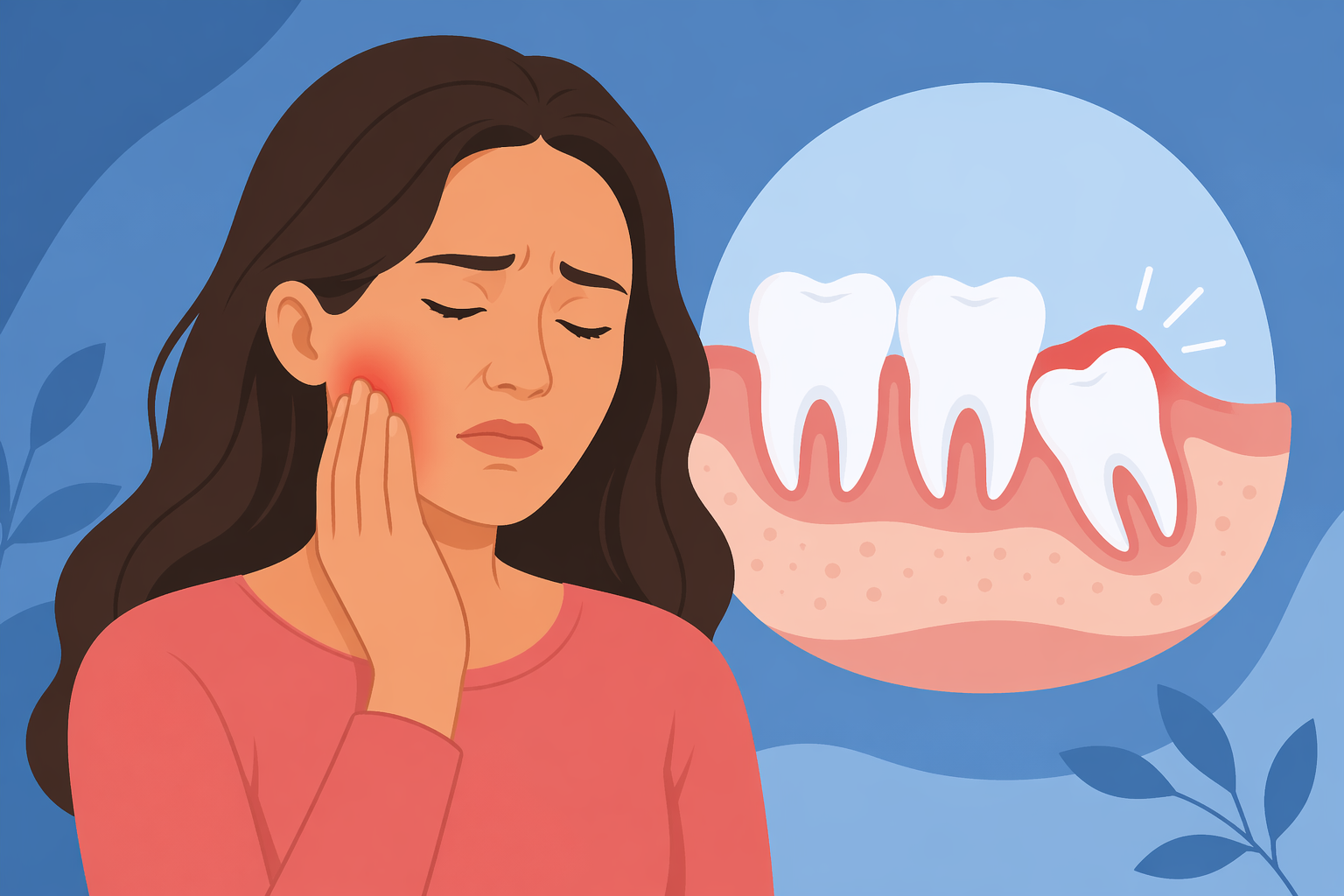
Wisdom teeth have a way of staying quiet until they don’t. One day, everything feels normal. Then suddenly you notice jaw soreness, swollen gums, pressure in the back of your mouth, or pain that seems to come and go without warning. If that sounds familiar, your wisdom teeth may be trying to tell you something.
This quiz-style guide will help you understand whether your wisdom teeth could be causing problems, what symptoms matter most, and when it is time to stop waiting and get checked. Wisdom teeth issues can range from mild irritation to infection, impaction, crowding, and serious discomfort that affects your daily routine. The good news is that early attention can make treatment simpler, faster, and far less stressful.
If you have been wondering whether your symptoms are normal or whether you should see an oral surgeon, this guide will walk you through the signs, risks, and next steps in a clear, practical way.
Why Wisdom Teeth Often Cause Problems
Wisdom teeth are the last set of molars to develop, usually appearing in the late teens or early twenties. For some people, they grow in without much trouble. For many others, there simply is not enough room in the mouth to accommodate them properly.
When wisdom teeth erupt at the wrong angle, stay trapped under the gums, or only partially break through, problems often follow. Food and bacteria can collect around the area, making it difficult to clean. That can lead to inflammation, decay, gum infection, and pain that gets worse over time.
In many cases, symptoms do not start all at once. They build gradually. A little pressure becomes jaw stiffness. A tender gum flap becomes repeated irritation. What seems manageable now can turn into a much bigger problem later.
That is also why routine dental and surgical evaluation matters. If you have gone a long time without care, the long-term effects can reach beyond wisdom teeth alone, as explained in these years without checkups.
Take the Quiz: Are Your Wisdom Teeth Causing Problems?
Answer each question with yes, no, or sometimes. The more times you answer yes, the more likely it is that your wisdom teeth need professional evaluation.
1. Do you feel pain or pressure in the back of your mouth?
Pain near the rear molars is one of the most common warning signs. It may feel dull and achy, or sharp and sudden. Some people notice it only while chewing. Others feel constant pressure that radiates into the jaw or ear.
If the discomfort keeps returning, even if it fades between flare-ups, that is worth paying attention to.
2. Are your gums swollen, red, or tender near your back teeth?
Inflamed gums around wisdom teeth often suggest irritation or infection. This is especially common when a wisdom tooth has only partially erupted and created a space where food and bacteria get trapped.
Swelling in that area should never be brushed off as a minor annoyance if it keeps happening.
3. Do you have trouble opening your mouth fully?
When wisdom teeth become impacted or inflamed, they can affect the surrounding muscles and jaw joint. You may notice stiffness when yawning, eating, or speaking. In some cases, even opening wide enough to brush or floss becomes uncomfortable.
Limited jaw movement is a strong sign that the issue may be progressing.
4. Do you get headaches, jaw pain, or ear pain with no obvious cause?
Wisdom tooth pressure does not always stay in one spot. It can refer pain into nearby areas, including the jaw, temples, neck, and ears. That makes it easy to misread the source of the problem.
If you keep noticing discomfort on one side of the face, especially near the back of the mouth, wisdom teeth may be involved.
5. Do you notice bad breath or a bad taste that will not go away?
A persistent bad taste in the mouth can point to trapped debris, infection, or a gum pocket forming around a partially erupted wisdom tooth. Even with good brushing habits, these areas are hard to clean when the tooth is stuck or positioned awkwardly.
When bad breath seems tied to soreness in the back of the mouth, that combination matters.
6. Are food and debris constantly getting stuck behind your molars?
If food repeatedly gets lodged near your wisdom teeth, that usually means the area is difficult to clean because of the tooth’s position. Over time, this increases the risk of decay, gum infection, and inflammation in the surrounding tissues.
It can also affect the healthy tooth in front of the wisdom tooth, which is another reason early evaluation is important.
7. Have your teeth started to feel crowded or shifted?
While not every case of crowding is caused by wisdom teeth, pressure from erupting molars can contribute to discomfort and bite changes. Some people report a sense that their back teeth are pushing forward or that their mouth just feels tighter than before.
A change in alignment does not always mean emergency treatment is needed, but it does mean the situation should be assessed.
8. Have you had repeated infections or gum flare-ups in the same area?
Repeated swelling, tenderness, or infection near the same wisdom tooth is a major red flag. Even if antibiotics or rinses calm it down temporarily, the underlying issue may still be there.
When symptoms keep coming back, it usually means the tooth is in a position that continues to create problems.
9. Is chewing painful on one side?
Pain during chewing often means the gum tissue around the wisdom tooth is inflamed, or that the tooth is pressing against nearby structures. This symptom may start mildly and get worse with crunchy or hard foods.
It can also make you unconsciously chew on the other side, which may lead to more jaw tension.
10. Do you have swelling in your jaw or face?
Visible swelling is more serious than mild tenderness. If you notice puffiness in the jawline, cheek, or gum area, it may indicate a more advanced infection or impaction issue.
Facial swelling should not be ignored, especially if it is paired with fever, throbbing pain, or difficulty swallowing.
Your Quiz Results: What Your Answers May Mean
Mostly “No”
If most of your answers were no, your wisdom teeth may not be causing active trouble right now. Still, that does not always mean everything is fine. Wisdom teeth can remain silent for a while, then cause sudden issues later.
If you have not had them evaluated recently, it is still smart to know their position before problems develop.
A Mix of “Sometimes” and “Yes”
This usually points to early or intermittent problems. Maybe your symptoms are not constant, but they are not random either. This is often the stage where a professional exam and X-rays can make the biggest difference.
Catching an issue here may help you avoid infection, damage to nearby teeth, or urgent pain later.
Mostly “Yes”
If you answered yes to many of these questions, your wisdom teeth are very likely contributing to the discomfort. Pain, swelling, difficulty opening your mouth, and repeated gum issues are all signs that the teeth may be impacted, infected, or erupting in a problematic position.
This is the point where delaying care tends to make things harder instead of easier.
Common Wisdom Tooth Problems Behind These Symptoms
Understanding what might be happening can help the symptoms make more sense.
Impacted Wisdom Teeth
An impacted wisdom tooth is one that cannot fully erupt because it is blocked by bone, gum tissue, or another tooth. Some are completely trapped under the gums. Others partially erupt and create a pocket where bacteria collect.
Impaction is one of the most common reasons people need wisdom tooth removal.
Partial Eruption
Sometimes the tooth breaks through the gums only partway. That small opening is enough to trap food and bacteria but not enough to allow proper cleaning. The result is often tenderness, swelling, and infection around the gum tissue.
Infection
When bacteria build up around a wisdom tooth, infection can develop. This may cause pain, swelling, bad breath, a foul taste, fever, or pus near the gumline. Infection can spread if it is left untreated.
Damage to Nearby Teeth
A wisdom tooth growing at an angle can press against the second molar beside it. That pressure may contribute to decay, gum problems, or even damage to the neighboring tooth’s roots and bone support.
When Symptoms Go From Annoying to Urgent
Not every wisdom tooth issue is an emergency, but some signs should move you from “I should deal with this soon” to “I need help now.”
Call right away if you have:
- Severe swelling in the gums, face, or jaw
- Fever with tooth pain
- Trouble swallowing
- Difficulty opening your mouth
- Pus or drainage near the wisdom tooth
- Intense throbbing pain that does not let up
These can point to a more serious infection or complication that should be evaluated promptly. In those situations, urgent wisdom tooth care may be the safest next step.
Can You Manage Wisdom Tooth Symptoms at Home?
Home care may help reduce discomfort temporarily, but it does not fix an impacted, infected, or poorly positioned tooth.
What may help in the short term
- Rinsing gently with warm salt water
- Using a cold compress on the outside of the jaw
- Taking over-the-counter pain relief as directed
- Keeping the area as clean as possible
- Avoiding hard, sharp, or irritating foods
These steps can buy you some relief, but they should not replace an exam when symptoms persist.
Why waiting too long is risky
Many people hope wisdom tooth pain will just disappear. Sometimes it settles down for a few days or weeks, but that does not mean the issue is gone. It often means the inflammation has temporarily calmed before returning again.
Delaying treatment can increase the chances of infection, damage to neighboring teeth, and a more complicated extraction later.
How Oral Surgeons Evaluate Wisdom Teeth
A proper evaluation usually includes a clinical exam and imaging, often panoramic X-rays. This allows the surgeon to see:
- Whether the wisdom teeth are impacted
- How close they are to nearby nerves and sinuses
- Whether they are affecting adjacent teeth
- Whether signs of infection or cyst formation are present
This step matters because symptoms alone do not always tell the full story. Some wisdom teeth cause major internal problems before obvious pain appears.
What Happens If Wisdom Teeth Need to Be Removed?
If removal is recommended, the procedure is planned based on the tooth’s position, level of eruption, and overall complexity. Some extractions are relatively simple. Others involve impacted teeth beneath the gums or bone.
Your oral surgeon will explain what type of anesthesia is appropriate, what recovery looks like, and how to prepare. In most cases, patients are relieved to finally address the source of repeated discomfort.
Recovery is easier when you know what to expect
One of the biggest concerns patients have is the healing process. That is understandable. The good news is that recovery tends to go more smoothly when you follow clear aftercare instructions, rest, and stick to the right foods.
How to Protect Your Mouth While You Decide
Even if you are still deciding whether to schedule an evaluation, take symptoms seriously and keep your oral hygiene consistent.
Smart habits that can help
- Brush gently but thoroughly
- Floss around the back molars as well as you can
- Use a warm saltwater rinse when the gums feel irritated
- Avoid smoking if the area is inflamed
- Stay on top of your routine dental visits
Keeping the mouth as healthy as possible can reduce complications and help you spot changes sooner. Good daily habits also support overall oral health, including natural cavity prevention, which becomes even more important when wisdom teeth create harder-to-clean areas.
The Bottom Line: Trust the Pattern, Not Just the Pain
Wisdom teeth do not have to be excruciating to be a problem. Recurring soreness, gum swelling, jaw stiffness, trapped food, and bad taste are all signs that something may be off. The biggest mistake many people make is waiting until the pain becomes impossible to ignore.
If your quiz answers suggest that your wisdom teeth may be causing trouble, it is worth getting a professional opinion now rather than dealing with a larger issue later. Early evaluation can give you clarity, peace of mind, and a clear plan before symptoms escalate.
If you are noticing warning signs and want answers, the best next step is to book your consultation and get your wisdom teeth evaluated by a specialist.

Wisdom Tooth Removal Recovery: 14-Day Healing Guide
February 11, 2026

Does Florida’s Climate Make Wisdom Tooth Swelling Worse?
March 4, 2026

Wisdom Tooth Extraction: Dentist vs. Oral Surgeon
January 30, 2026
Keeping Wisdom Teeth: Long-Term Effects on Your Oral Health
February 5, 2026
Why Your Tooth Hurts When You Bite Down
April 17, 2026