How Wisdom Teeth Can Cause Sinus Problems
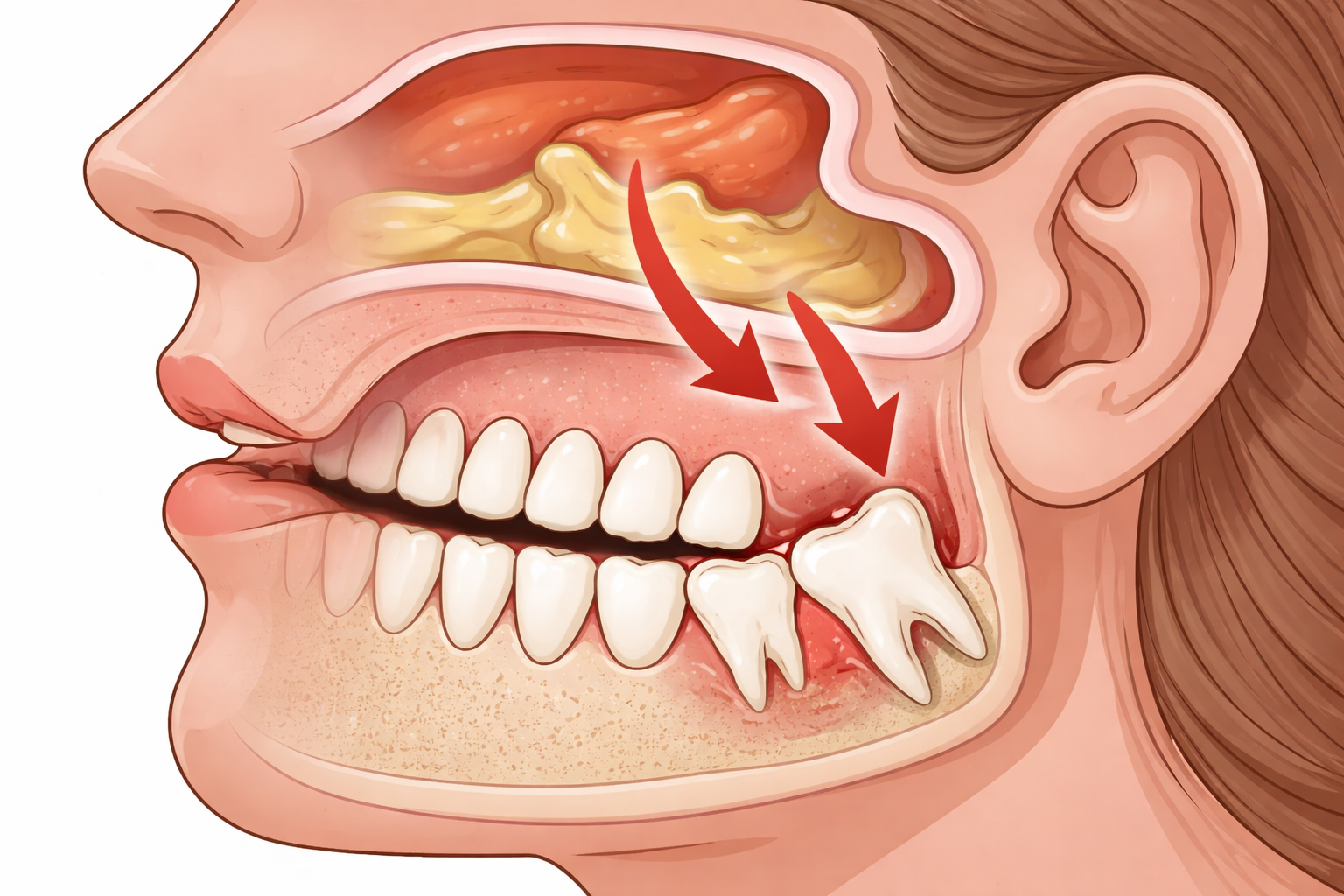
Wisdom teeth are often thought of as simple oral nuisances, but they can sometimes trigger complications far beyond your mouth. One lesser-known concern is the connection between wisdom teeth and sinus issues. If you’ve been experiencing sinus pressure, headaches, or congestion, your wisdom teeth might be playing a surprising role. Understanding this link can help you prevent more serious problems and know when to seek professional care.
What Are Wisdom Teeth?
Wisdom teeth, also called third molars, are the last set of molars to develop, usually emerging between the ages of 17 and 25. While some people have sufficient room in their mouths for these teeth to come in without problems, others experience crowding, impaction, or misalignment.
Impacted wisdom teeth—those that fail to fully emerge—can cause pain, swelling, and sometimes infections. Beyond these typical oral issues, they can also influence nearby structures, including your sinuses.
Learn more about the potential autoimmune risks and care linked to wisdom teeth.
How Wisdom Teeth Affect Sinuses
The Anatomy Connection
The upper jaw (maxilla) is located very close to the maxillary sinuses, which sit behind your cheeks and above your upper teeth. When upper wisdom teeth grow improperly or become impacted, they can press against or irritate the sinus floor.
This pressure can lead to a range of sinus symptoms:
- Sinus congestion and fullness
- Facial pain around the cheeks and eyes
- Post-nasal drip
- Headaches that mimic sinus infections
In some cases, sinus infections can even develop as a secondary complication from wisdom teeth-related inflammation.
Signs Your Sinuses Might Be Affected
Not every headache or sinus pressure is caused by wisdom teeth, but certain signs may point to a connection:
- Pain that worsens when chewing or opening your mouth
- Swelling or tenderness in the upper jaw or near the sinuses
- Recurrent sinus infections without other causes
- Difficulty breathing through the nose due to congestion
If you notice these symptoms, it’s essential to consult an experienced oral surgeon. Dr. Johanny Caceres specializes in identifying these issues and providing effective treatment options.
Complications From Ignoring the Problem
Untreated wisdom teeth can lead to more than just sinus discomfort. Here are potential complications:
- Chronic sinus infections: Continuous irritation can make you more prone to bacterial infections in the sinuses.
- Oral infections: Impacted teeth can harbor bacteria that affect both the mouth and sinus cavity.
- Misalignment and crowding: Pressure from wisdom teeth can shift other teeth, potentially affecting bite and oral hygiene.
Diagnosis: How Oral Surgeons Identify Sinus-Related Issues
Diagnosing the connection between wisdom teeth and sinus problems requires a careful approach:
- Clinical Examination: The surgeon examines your mouth, looking for signs of impaction, infection, or abnormal tooth growth.
- Imaging Tests: X-rays or CT scans help visualize the position of wisdom teeth relative to the sinus cavity.
- Symptom Assessment: A review of sinus-related symptoms ensures a holistic understanding of your condition.
This thorough process allows oral surgeons to develop a personalized treatment plan that addresses both dental and sinus concerns.
Treatment Options
Extraction
For impacted or problematic wisdom teeth, removal is often the most effective solution. Extraction can relieve pressure on the sinuses, reduce infection risk, and prevent future complications.
Medication
In some cases, antibiotics or anti-inflammatory medications may be prescribed to address infection or swelling before or after surgery.
Post-Operative Care
Proper recovery after wisdom teeth extraction is crucial for minimizing sinus issues. Key steps include:
- Using ice packs to reduce swelling
- Avoiding blowing your nose forcefully
- Maintaining good oral hygiene to prevent infection
For guidance on safely resuming physical activities, see when you can exercise after tooth removal.
Preventive Measures
Even if your wisdom teeth haven’t caused sinus problems yet, there are ways to reduce risk:
- Regular Dental Checkups: Routine visits help detect early signs of impaction or pressure on the sinus cavity.
- X-Ray Monitoring: Imaging allows your dentist or oral surgeon to track wisdom teeth development.
- Early Extraction: In some cases, removing wisdom teeth before they fully develop can prevent complications.
These steps not only protect your oral health but also minimize the likelihood of sinus discomfort linked to dental issues.
When to Seek Professional Help
Persistent sinus pain, frequent headaches, or unusual pressure in your upper jaw are signs that you should consult a professional. An oral surgeon can assess whether your wisdom teeth are contributing to these symptoms and recommend a tailored treatment plan.
If you’re experiencing discomfort or have concerns, don’t hesitate to contact an expert today. Early intervention often leads to smoother recovery and fewer complications.
Conclusion
Wisdom teeth are more than just a dental inconvenience—they can impact your sinuses and overall comfort. Understanding the connection between impacted or misaligned wisdom teeth and sinus issues helps you make informed decisions about treatment and prevention.

Are Cavities Contagious? What You Need to Know
February 2, 2026

How Safe Is Modern Oral Surgery? What Patients Need to Know
December 30, 2025
Brushing After Tooth Removal: When's It Safe?
June 18, 2026
Jaw Surgery Risks and Benefits: What You Should Know Before Going Under
November 24, 2025
How Long Do Dental Implants Really Last?
February 9, 2026