Morning vs Night Brushing: Which Matters More?
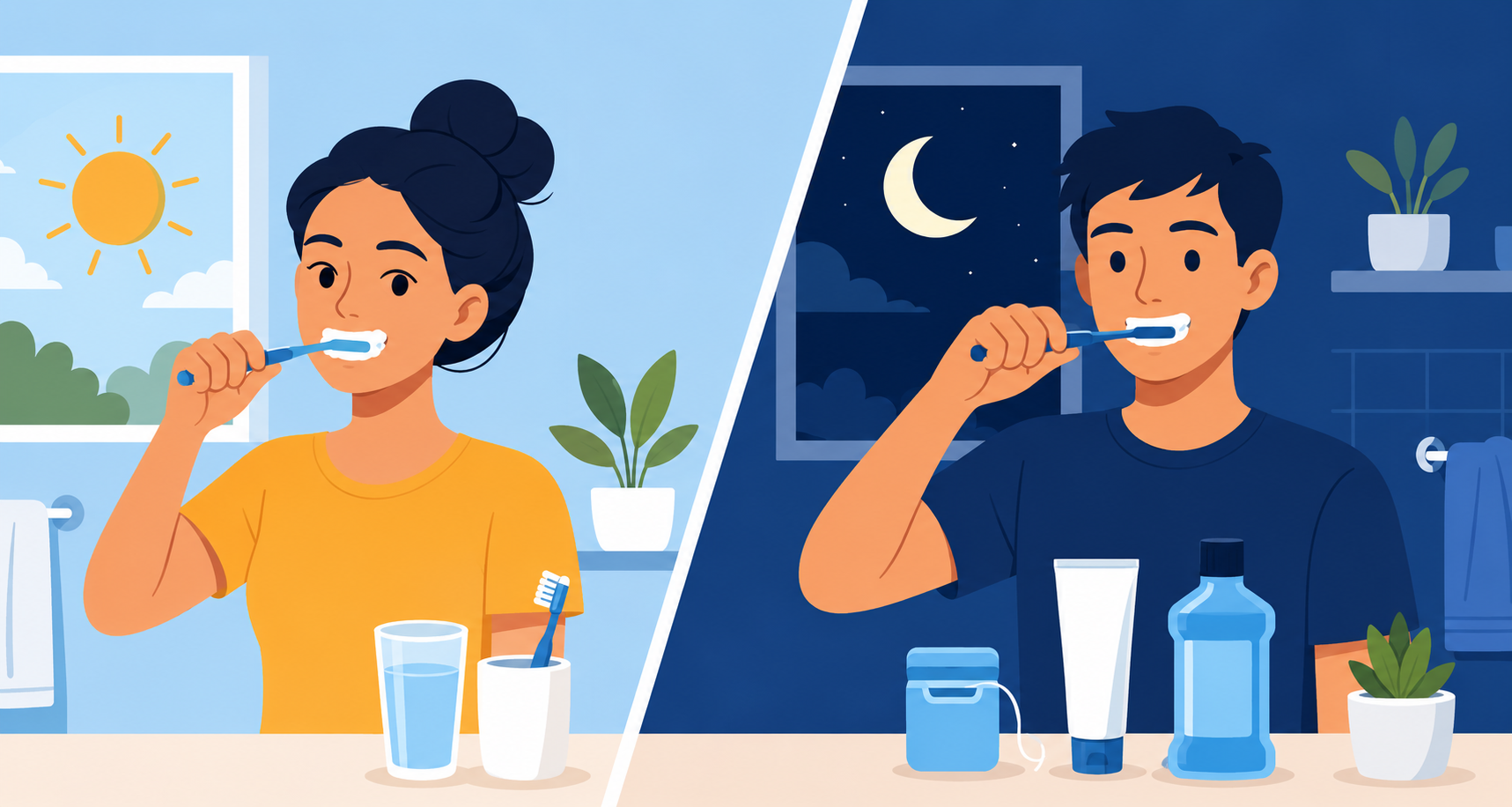
Most people know they should brush twice a day, but one question still comes up often: does brushing in the morning matter more than brushing at night?
The truth is that both are essential for maintaining healthy teeth and gums. However, if you had to choose only one, nighttime brushing has a stronger impact on your oral health. That said, skipping your morning routine can still lead to bad breath, plaque buildup, and long-term dental issues.
Understanding what happens inside your mouth throughout the day and overnight can help you build a smarter dental routine. In this guide, we’ll break down the real difference between morning and night brushing, why each one matters, and how to get the most out of your oral hygiene habits.
Why Brushing Twice a Day Is Important
Your mouth is constantly exposed to bacteria. Every meal, snack, and sugary drink leaves behind particles that feed plaque-producing bacteria. If that plaque isn’t removed regularly, it can harden into tartar and increase the risk of cavities and gum disease.
Brushing twice daily helps:
- Remove plaque and bacteria
- Prevent tooth decay
- Reduce bad breath
- Protect gum health
- Keep teeth looking clean and bright
Dentists recommend brushing for two full minutes using fluoride toothpaste. But timing also plays a major role in how effective your brushing routine is.
What Happens in Your Mouth Overnight?
While you sleep, your saliva production decreases significantly. Saliva is one of your mouth’s natural defenses because it helps wash away bacteria and neutralize acids.
Without enough saliva overnight, bacteria multiply more easily. This leads to:
- Morning breath
- Plaque buildup
- Increased acid activity
- Higher risk of gum irritation
That’s exactly why brushing before bed is so important.
Why Night Brushing Matters More
If you skip brushing at night, all the food particles, sugars, and bacteria from the day remain on your teeth for hours while you sleep. During that time, bacteria continue feeding and producing acids that weaken enamel.
Plaque Has More Time to Damage Teeth
When plaque stays on your teeth overnight, it becomes more harmful because it isn’t being interrupted by eating, drinking, or saliva flow.
Over time, this can lead to:
- Cavities
- Gum inflammation
- Tartar accumulation
- Tooth sensitivity
Many patients who eventually need treatment for gum disease first ignored their nighttime brushing routine. In some cases, symptoms like bleeding gums or persistent plaque buildup may indicate a need for a deep cleaning.
Nighttime Brushing Helps Protect Gum Health
Your gums are especially vulnerable overnight. Bacteria along the gumline can trigger inflammation while you sleep, which may eventually progress into periodontal disease.
Research has also shown a strong connection between oral health and systemic health conditions. Poor brushing habits can contribute to chronic inflammation linked to cardiovascular problems. Understanding the connection between heart disease risks and oral hygiene highlights why nighttime brushing should never be skipped.
It Creates a Cleaner Oral Environment
Brushing before bed essentially resets your mouth. You remove the day’s buildup and create a cleaner environment before several hours of inactivity.
For best results at night:
- Brush thoroughly for two minutes
- Floss before brushing
- Avoid eating afterward
- Use fluoride toothpaste
- Clean your tongue
Why Morning Brushing Still Matters
Although nighttime brushing may carry slightly more importance, morning brushing still plays a critical role in your daily oral hygiene.
After sleeping, bacteria accumulate in your mouth and create the unpleasant odor commonly known as morning breath. Brushing in the morning helps eliminate that bacteria before you begin your day.
Morning Brushing Removes Overnight Bacteria
Even if you brushed perfectly before bed, bacteria still develop overnight due to reduced saliva flow.
Morning brushing helps:
- Freshen breath
- Remove bacterial film
- Stimulate saliva production
- Prepare teeth for meals and drinks
Skipping morning brushing means you’re starting the day with bacteria coating your teeth and gums.
It Helps Protect Teeth Throughout the Day
Fluoride toothpaste leaves behind minerals that strengthen enamel. Brushing in the morning creates an extra layer of protection before your teeth are exposed to acidic foods and beverages.
This becomes especially important if your breakfast includes:
- Coffee
- Citrus fruits
- Juice
- Sugary cereals
- Pastries
Your morning brushing routine acts as a protective barrier against acid attacks throughout the day.
Should You Brush Before or After Breakfast?
This is one of the most debated oral health questions.
The best option for most people is brushing before breakfast. Here’s why.
Brushing Before Breakfast Protects Enamel
Many breakfast foods are acidic. Orange juice, coffee, fruit smoothies, and toast can temporarily soften enamel.
If you brush immediately after eating acidic foods, you may unintentionally scrub weakened enamel and contribute to erosion.
Brushing before breakfast:
- Removes overnight bacteria
- Strengthens enamel with fluoride
- Reduces acid damage risk
If you prefer brushing after breakfast, wait at least 30 minutes before brushing to allow saliva to neutralize acids.
What Happens If You Only Brush Once a Day?
If you can realistically brush only once daily, nighttime brushing is the better choice.
That’s because leaving bacteria and food debris on your teeth overnight creates a much longer period for plaque to damage enamel and gums.
Still, brushing only once daily is not ideal. Long-term inconsistent brushing increases the likelihood of:
- Tooth decay
- Gum disease
- Persistent bad breath
- Tooth discoloration
- Expensive dental treatments later
Common Brushing Mistakes People Make
Even people who brush twice daily often make mistakes that reduce effectiveness.
Brushing Too Quickly
Many people brush for less than one minute. Dentists recommend brushing for a full two minutes to clean every surface properly.
Using Too Much Pressure
Aggressive brushing can wear down enamel and irritate gums. Gentle circular motions are more effective than scrubbing hard.
Forgetting the Gumline
Plaque commonly accumulates where teeth and gums meet. Pay extra attention to this area.
Ignoring the Tongue
Your tongue holds bacteria that contribute to bad breath. Cleaning it daily improves freshness and oral hygiene.
Skipping Flossing
Brushing alone cannot fully clean between teeth. Flossing helps remove hidden plaque and trapped food particles.
The Best Oral Hygiene Routine for Healthy Teeth
A strong oral care routine goes beyond simply brushing twice daily.
Morning Routine
- Brush for two minutes with fluoride toothpaste
- Clean your tongue
- Drink water before coffee or breakfast
- Consider using alcohol-free mouthwash
Night Routine
- Floss thoroughly
- Brush for two minutes
- Avoid eating afterward
- Wear retainers or night guards if prescribed
Consistency matters more than perfection. Building a sustainable daily habit protects your teeth over the long term.
Diet Also Affects Your Oral Health
Brushing alone cannot fully protect your teeth if your diet constantly exposes them to sugar and acid.
Certain foods actively strengthen enamel, while others increase cavity risk.
Adding calcium-rich foods, crunchy vegetables, and phosphorus-rich proteins can improve oral health naturally. At the same time, limiting soda, sticky candy, and acidic snacks helps reduce enamel erosion. Learning more about tooth strengthening foods can help you make smarter choices for your smile.
When Poor Brushing Leads to Bigger Dental Problems
Neglecting oral hygiene over time may eventually require professional treatment beyond standard cleanings.
In severe cases, advanced decay or infection can lead to surgical procedures. Some patients feel anxious about dental surgery and wonder about sedation options. Understanding how patients are sedated during surgery can make treatment feel less intimidating if extensive dental work becomes necessary.
The good news is that many serious dental problems are preventable with consistent brushing and preventive care.
Signs Your Brushing Routine Needs Improvement
You may need to improve your brushing habits if you experience:
- Bleeding gums
- Persistent bad breath
- Tooth sensitivity
- Yellow buildup near the gumline
- Frequent cavities
- Dry mouth
- Receding gums
These symptoms often indicate plaque accumulation or early gum disease.
Scheduling regular dental checkups can help catch these problems early before they become more serious.
How to Build Better Brushing Habits
Changing habits can feel difficult, but small adjustments make a big difference.
Set a Consistent Schedule
Brush at the same times every day to make the routine automatic.
Use a Timer
Most people underestimate brushing time. A timer or electric toothbrush can help ensure you brush long enough.
Keep Supplies Visible
Place floss and toothpaste where you can easily see them. Visibility increases consistency.
Replace Your Toothbrush Regularly
Old toothbrushes lose effectiveness and may harbor bacteria. Replace yours every three to four months.
The Final Verdict: Morning or Night?
If you’re wondering which matters more, nighttime brushing wins slightly because it protects your teeth during the long hours you sleep.
But the real answer is that both morning and night brushing work together to maintain healthy teeth and gums. Skipping either one weakens your overall oral hygiene routine.
Morning brushing helps remove overnight bacteria and prepares your mouth for the day ahead. Night brushing removes plaque, food debris, and acids before bacteria have hours to damage your teeth while you sleep.
The healthiest smiles come from consistency, not shortcuts.
If you’ve noticed signs of gum disease, tooth sensitivity, or persistent plaque buildup, it may be time to schedule a professional evaluation. You can easily schedule a consultation to protect your oral health before small problems become larger ones.
Frequently Asked Questions
Is it worse to skip brushing in the morning or at night?
Skipping nighttime brushing is generally worse because bacteria and plaque remain on your teeth for several uninterrupted hours while you sleep.
Can brushing too much damage teeth?
Yes. Brushing too aggressively or more than three times daily can wear down enamel and irritate gums.
Should I use mouthwash after brushing?
You can, but avoid rinsing immediately with large amounts of water because it may wash away fluoride from toothpaste.
Is flossing really necessary?
Yes. Floss removes plaque and food debris from areas your toothbrush cannot reach.
What type of toothbrush is best?
Soft-bristled toothbrushes are typically recommended because they clean effectively without damaging enamel or gums.
How long should I wait to brush after coffee?
Wait about 30 minutes after drinking coffee, especially if it’s acidic or sugary.
Can poor brushing habits affect overall health?
Yes. Poor oral hygiene has been linked to conditions such as heart disease, diabetes complications, and chronic inflammation.
How often should I visit the dentist?
Most people benefit from professional cleanings and exams every six months.
Do Seniors Need Wisdom Tooth Removal Later in Life?
March 19, 2026
Why Wisdom Teeth Can Trigger Sinus Issues
May 26, 2026
Dental Implants vs Bridges: Which Is Right for You?
June 17, 2026
What Is an Odontectomy? A Clear Guide to Wisdom Tooth Surgery
February 26, 2026
Mouthwash and Wisdom Teeth: What Really Works
December 16, 2025