How Untreated Dental Problems Can Turn Into Major Oral Surgery
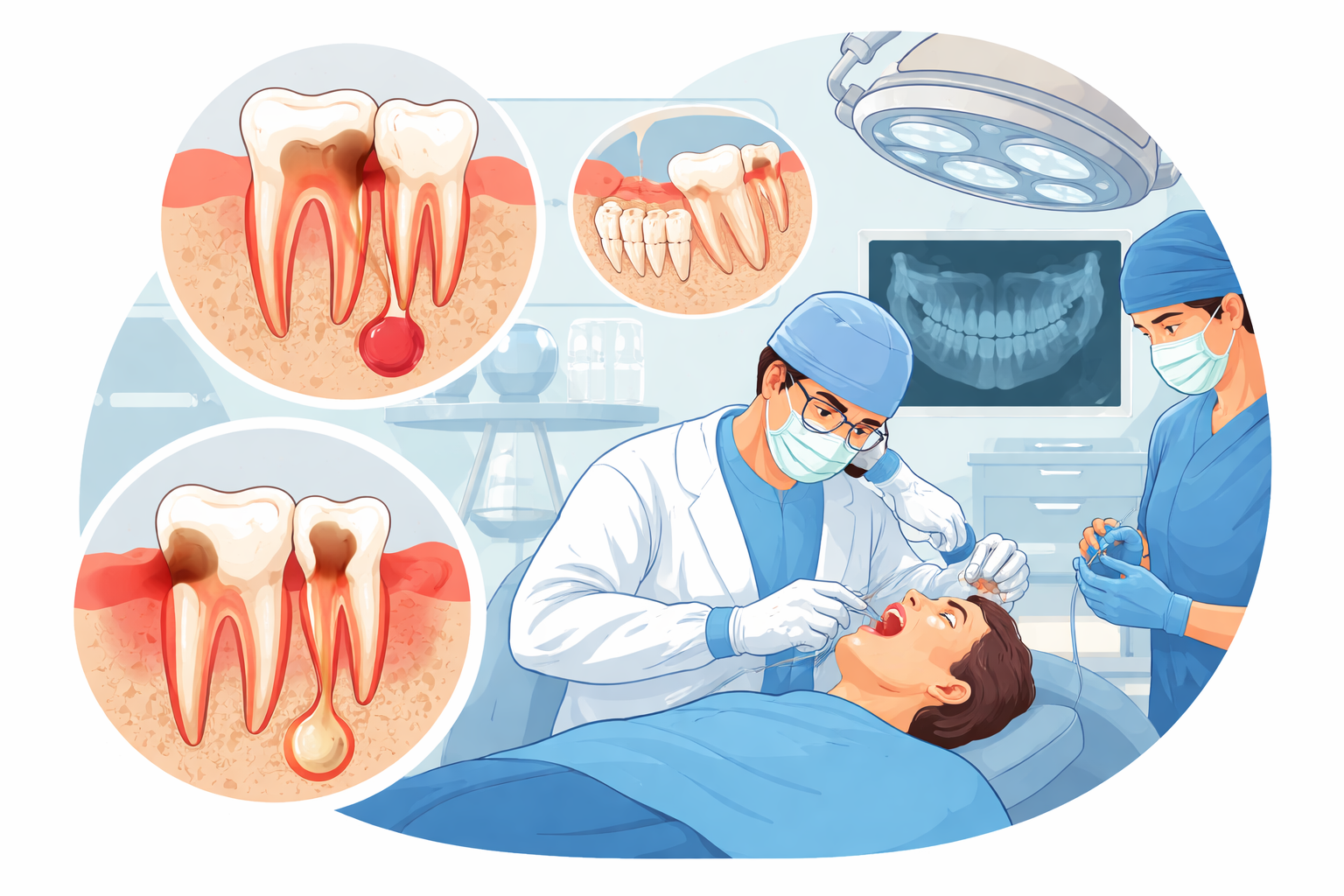
Most dental problems don’t start with severe pain or obvious damage. They often begin quietly—minor sensitivity, occasional gum bleeding, or a dull ache that comes and goes. Because these symptoms seem manageable, many people delay treatment. Unfortunately, untreated dental problems rarely stay small.
When dental issues are ignored, they can progress into advanced conditions affecting the jawbone, facial structure, and surrounding tissues. At that point, oral and maxillofacial surgery may be the only effective solution. Understanding how this progression happens can help you take action early and avoid more invasive procedures later.
Why Dental Problems Worsen Over Time
The mouth is an interconnected system. Teeth, gums, bone, nerves, and sinuses all influence one another. When one part becomes compromised, bacteria and inflammation can spread quickly.
What starts as a simple cavity or gum irritation can gradually damage deeper structures. Once bone loss, nerve involvement, or infection occurs, routine dental care may no longer be enough. This is often when surgical intervention becomes necessary.
Tooth Decay That Goes Untreated
How cavities become serious infections
Cavities begin when bacteria erode tooth enamel. Without treatment, decay spreads into the inner layers of the tooth, eventually reaching the pulp where nerves and blood vessels are located.
At this stage, pain becomes more intense and persistent. Swelling, sensitivity to pressure, and even facial discomfort can develop as the infection spreads beyond the tooth.
When decay leads to surgical extraction
If decay destroys too much tooth structure or infects the surrounding bone, saving the tooth may no longer be possible. Surgical extraction is often required to fully remove the infection and prevent further complications.
In many cases, bone grafting is needed after removal to preserve the jaw and prepare for future tooth replacement.
Gum Disease and Progressive Bone Loss
Why gum disease is often ignored
Gum disease frequently advances without noticeable pain. Early symptoms like bleeding gums or mild swelling are easy to dismiss. Over time, bacteria penetrate deeper beneath the gums, destroying the bone that supports the teeth.
Once bone loss occurs, it cannot regenerate on its own.
Surgical treatment for advanced cases
Severe periodontal disease may require oral surgery to remove infected tissue, reshape bone, or regenerate lost support. Without intervention, gum disease can ultimately result in tooth loss and the need for reconstructive procedures.
Wisdom Teeth That Cause Hidden Damage
The risks of leaving wisdom teeth untreated
Wisdom teeth often erupt partially or become impacted beneath the gums. This creates tight spaces where bacteria thrive, leading to infections, decay in adjacent teeth, and damage to surrounding bone.
Even when pain is minimal, underlying problems may already be developing. Many patients only realize there’s an issue after reviewing warning signs that indicate removal is necessary.
When delayed removal becomes more complex
Early wisdom tooth removal is typically simpler and involves faster recovery. Delaying treatment can lead to deeper impaction, cyst formation, or recurring infections, making surgery more complicated and recovery longer.
Dental Infections That Spread Beyond the Tooth
How abscesses form
A dental abscess is a pocket of pus caused by bacterial infection. It can develop at the root of a tooth or within the surrounding gum tissue. Left untreated, the infection can spread into the jawbone, sinuses, or bloodstream.
This progression can become dangerous and may lead to serious health complications.
Surgical intervention for severe infections
Advanced infections often require surgical drainage and removal of infected tissue. In emergency situations, immediate oral surgery is necessary to prevent the spread of infection and protect overall health.
Bite Problems and Jaw Joint Damage
The long-term effects of misalignment
An uneven bite places excessive pressure on certain teeth and jaw joints. Over time, this can cause cracked teeth, chronic jaw pain, headaches, and restricted movement.
Many people tolerate these symptoms for years, unaware that the underlying issue is gradually worsening.
When jaw surgery becomes necessary
If left untreated, bite problems and TMJ disorders can progress to the point where surgical correction is required to restore function and relieve pain. Early evaluation can often prevent the need for invasive procedures.
Missing Teeth and Jawbone Deterioration
Why bone loss occurs after tooth loss
When a tooth is missing, the jawbone in that area no longer receives stimulation. As a result, the bone begins to shrink. This can affect facial appearance, shift surrounding teeth, and complicate future dental restorations.
Surgical solutions for advanced bone loss
Patients who delay replacing missing teeth often require bone grafting before dental implants can be placed. What could have been a straightforward restoration becomes a multi-step surgical process.
Facial Trauma Made Worse by Dental Neglect
Teeth weakened by decay or bone loss are more susceptible to fractures during accidents or falls. Dental neglect can turn minor trauma into a serious injury requiring surgical repair of the jaw or facial bones.
Oral and maxillofacial surgeons are specially trained to treat these complex injuries when prevention is no longer possible.
Why Early Treatment Can Prevent Surgery
Across all these conditions, one pattern is clear: dental problems progress when ignored. Early intervention focuses on preservation. Delayed treatment often shifts the goal from saving tissue to repairing damage.
Routine dental visits and timely care significantly reduce the likelihood of needing oral surgery. If you’re experiencing symptoms or have concerns, reaching out through the contact page can help determine whether early intervention is still an option.
When to See an Oral and Maxillofacial Surgeon
Oral surgeons step in when dental problems affect bone, nerves, facial structure, or overall function. They manage complex cases that go beyond general dentistry and focus on long-term stability and health.
Under the care of Dr. Caceres, patients receive comprehensive evaluations designed to address the root cause of the problem and prevent further complications whenever possible.
Contact Us at 305-552-1193
Don’t Let Small Dental Issues Become Surgical Problems
Ignoring dental discomfort doesn’t make it disappear—it allows it to grow. What begins as a manageable issue can escalate into a condition requiring surgery, extended recovery, and higher costs.
Paying attention to early symptoms and seeking professional care promptly can protect your oral health and help you avoid unnecessary procedures. Acting sooner often makes all the difference.
Do Seniors Need Wisdom Tooth Removal Later in Life?
March 19, 2026

Best Oral Surgeon for Wisdom Teeth in Hollywood, FL
April 6, 2026
Signs Your Wisdom Tooth Needs to Come Out
January 19, 2026
Quiz: Are Your Wisdom Teeth Starting to Cause Trouble?
April 22, 2026
Long-Term Care Tips for Healthy Dental Implants
March 9, 2026