Tooth Extraction vs Root Canal: Which Option Works Best for Your Smile?

When dealing with severe tooth pain or infection, understanding your dental treatment options is essential. Two of the most common procedures are tooth extraction and root canal treatment. While both aim to relieve pain and prevent further damage, they differ significantly in approach, recovery, and long-term effects. Knowing the differences can help you make an informed decision with your dentist or oral surgeon.
Early intervention is key to avoiding more complex procedures. Recognizing the early signs of third molar extraction can help you act quickly and reduce complications. Similarly, being aware of a wisdom tooth infection ensures timely care and prevents the spread of bacteria to neighboring teeth.
This article will explore the differences between tooth extraction and root canal treatment, the benefits and drawbacks of each, and what to expect during recovery. We’ll also touch on considerations like dental implants, insurance coverage, and costs to help you make the best decision for your oral health.
Understanding Tooth Extraction
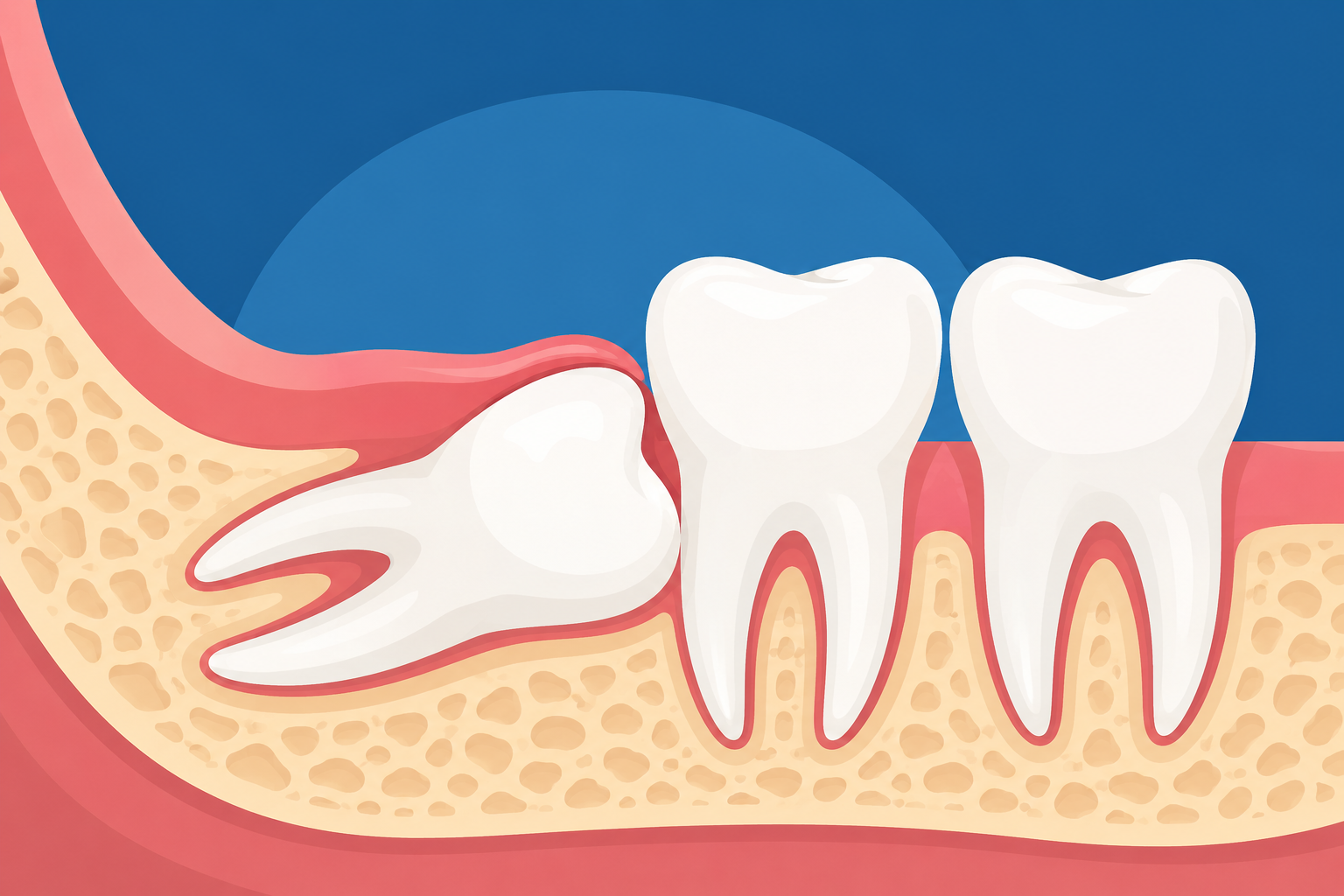
Tooth extraction is the complete removal of a tooth from its socket in the jawbone. It is generally recommended when a tooth is severely damaged, decayed, or infected beyond repair. Extractions may also be necessary to prepare for orthodontic treatment, manage crowding, or remove impacted teeth such as wisdom teeth.
When Tooth Extraction Is Recommended
Tooth extraction is typically advised when:
- A tooth is severely decayed or infected and cannot be repaired with a filling or crown
- Trauma or injury has caused significant damage
- Impacted teeth are causing pain or misalignment
- Orthodontic treatment requires removing teeth to create space
- Periodontal disease has weakened bone support
Identifying issues early, like the early signs of third molar extraction, can prevent complications such as cyst formation or misalignment of surrounding teeth.
The Tooth Extraction Procedure
Extractions are either simple or surgical. Simple extractions involve teeth visible above the gum line, usually under local anesthesia. Surgical extractions are for impacted teeth or those below the gum line and may require sedation.
During the procedure, the dentist or oral surgeon will:
- Administer anesthesia to numb the area
- Loosen the tooth using specialized instruments
- Remove the tooth carefully to avoid damaging surrounding tissue
- Clean the socket and, if necessary, place stitches
Recovery After Tooth Extraction
Recovery depends on the complexity of the extraction. Common aftercare steps include:
- Managing pain and swelling with prescribed medications and ice packs
- Eating soft foods and avoiding chewing near the extraction site
- Maintaining oral hygiene to prevent infection
- Attending follow-up appointments to monitor healing
Dry socket is a potential complication that occurs when the blood clot protecting the socket is dislodged. Avoiding smoking, certain foods, and vigorous rinsing helps prevent this. Knowing the cost of wisdom teeth removal can also help you plan financially for more complex extractions.
Understanding Root Canal Treatment
A root canal is a dental procedure designed to save a tooth that is badly decayed or infected. Instead of removing the tooth, the dentist cleans out the infected pulp, disinfects the canal, and seals it to prevent further infection.
When a Root Canal Is Needed
Root canal treatment is typically recommended when:
- Deep cavities reach the pulp
- The tooth has cracks or fractures
- Trauma has damaged the tooth
- Repeated dental procedures have affected the tooth pulp
Catching problems early is important. Addressing issues such as a wisdom tooth infection promptly can prevent bacteria from spreading and minimize the risk of extraction.
The Root Canal Procedure
A root canal usually involves these steps:
- Local anesthesia is applied to numb the tooth
- A small opening is made in the crown to access the pulp
- Infected or inflamed pulp is removed
- The canal is cleaned, shaped, and disinfected
- The tooth is filled and sealed, often followed by a crown for additional strength
Root canals are highly effective, with most patients experiencing significant pain relief shortly after the procedure.
Recovery After Root Canal
Recovery is generally quicker than after an extraction, though some discomfort is normal. Patients are advised to:
- Take prescribed pain relievers as directed
- Avoid hard foods until the tooth is fully restored
- Maintain oral hygiene to prevent reinfection
- Attend follow-up appointments to ensure proper healing
Root canal treatment preserves the natural tooth, which helps maintain jawbone health and prevents alignment issues that can result from extraction.
Comparing Tooth Extraction and Root Canal
Choosing between a tooth extraction and a root canal depends on several factors. Here’s a side-by-side comparison in list form:
Tooth Extraction
- Completely removes the tooth
- Provides immediate relief from severe infection or damage
- Recovery may take 1–2 weeks depending on complexity
- Replacement with a dental implant or bridge may be necessary
Root Canal
- Preserves the natural tooth
- Avoids gaps and maintains jawbone integrity
- Recovery typically takes a few days to a week
- Often requires a crown for long-term protection
- Higher upfront cost but avoids the need for implants
Pros and Cons of Tooth Extraction
Pros:
- Quick solution for severely damaged teeth
- Reduces risk of infection spreading
- Sometimes required for orthodontic planning
Cons:
- Leaves a gap that may require a dental implant or bridge
- Potential post-extraction complications, including dry socket
- Long-term costs if tooth replacement is needed
Pros and Cons of Root Canal
Pros:
- Preserves natural tooth structure
- Avoids gaps and bone loss
- High success rate when properly cared for
Cons:
- Can be more expensive upfront
- Often requires a crown for long-term strength
- Some discomfort during and after the procedure
Making the Decision
Deciding between extraction and root canal should involve a conversation with your dentist or oral surgeon. Consider:
- Extent of tooth decay or damage
- Risk of infection
- Overall dental health
- Cost and insurance coverage
- Long-term oral health goals
Conclusion
Both tooth extraction and root canal treatment are effective ways to manage severe tooth pain or infection. Extraction may be necessary for damaged or impacted teeth, while root canal treatment preserves natural teeth. Understanding the differences, recovery process, costs, and long-term effects will help you make the right choice for your oral health.
Regular dental check-ups, early detection, and timely treatment are essential for preventing complications. Whether you face an impacted wisdom tooth, deep decay, or other dental concerns, consulting a qualified oral surgeon ensures the best outcome for your smile.

Is Oral Surgery Safe? Risks, Recovery, and What to Expect
February 10, 2026

Why Some People Never Get Wisdom Teeth
May 5, 2026

What to Expect Long-Term After Jaw Surgery
March 5, 2026

Wisdom Tooth Removal Aftercare: How to Sleep Better
May 1, 2026
Sideways Wisdom Teeth? What Patients Should Expect
May 20, 2026