7-Day Meal Plan After Wisdom Tooth Surgery Recovery
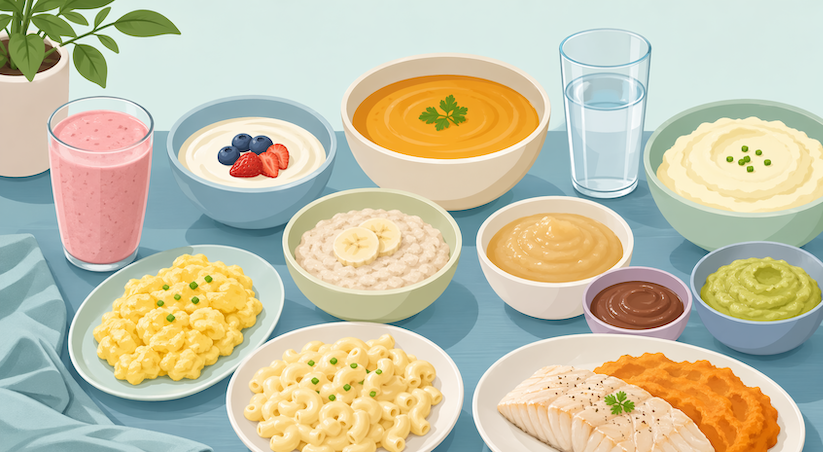
Wisdom tooth surgery is one of the most common oral surgery procedures, but the recovery period can feel harder than many patients expect. The biggest challenge for most people is not just swelling or soreness. It is figuring out what to eat without irritating the surgical site, slowing healing, or making pain worse.
A well-planned 7-day meal plan after wisdom tooth surgery can make recovery smoother, more comfortable, and less stressful. The right foods help you stay nourished, protect the extraction area, and reduce the risk of complications like dry socket or unnecessary irritation. The wrong foods can do the opposite.
This guide walks you through a practical day-by-day meal plan so you know exactly what to eat during the first week after surgery. You will also learn which foods to avoid, how to stay hydrated, and how to make meals easier when chewing is limited. If you want a more complete approach to recovery, it also helps to review anti-inflammatory pre-surgery foods and plan ahead before your procedure.
Why Your Diet Matters After Wisdom Tooth Surgery
After wisdom tooth removal, your mouth needs time to form blood clots, reduce inflammation, and begin repairing tissue. During the first several days, the extraction sites are especially sensitive. Hard, crunchy, spicy, or chewy foods can interfere with healing and increase discomfort.
Eating the right foods supports recovery in several ways. Soft meals reduce pressure on the jaw and surgical area. Nutrient-dense foods help your body repair tissue. Cool or lukewarm foods may also calm soreness and swelling. Just as important, a structured meal plan keeps you from skipping meals, which can leave you feeling weak and make recovery feel longer than it needs to be.
For many patients, the first week is when good habits matter most. That is why having a daily plan can be more helpful than a general list of “safe foods.”
General Eating Tips for the First Week
Before getting into the 7-day meal plan, it helps to keep a few recovery basics in mind.
Keep foods soft and easy to swallow
In the beginning, choose meals that do not require much chewing. Smooth textures are usually best for the first one to three days. As healing improves, you can gradually add slightly more texture.
Avoid hot foods right away
Very hot food and drinks can irritate the surgical area. Stick with cool or lukewarm meals at first, especially during the first 24 to 48 hours.
Stay hydrated without using a straw
Suction from a straw can disturb the healing blood clot and increase the risk of dry socket. Sip carefully from a cup instead. If you are unsure which beverages are safest during recovery, this guide on safe post-operation drinks can help you plan ahead.
Eat small meals more often
Your appetite may be low after surgery, especially on the first day. Smaller meals and snacks are often easier than trying to sit down for a large plate of food.
Chew away from the surgical area
If you had one side treated more than the other, try chewing on the opposite side once your surgeon says it is safe to do so.
7-Day Meal Plan After Wisdom Tooth Surgery
This plan is designed for general guidance during the first week of recovery. Every patient heals at a different pace, so use your comfort level and your surgeon’s instructions as your main guide.
Day 1: Focus on Cool, Smooth Foods
The first day is usually the most restrictive. Your mouth may still be numb for a while, and soreness often builds as anesthesia wears off. This is the time to keep food very soft, smooth, and simple.
Breakfast
Plain yogurt or Greek yogurt without granola, seeds, or fruit chunks
Yogurt is cool, easy to swallow, and usually well tolerated. Greek yogurt can also give you extra protein, which helps support healing.
Lunch
Smooth blended soup, such as potato soup or creamy pumpkin soup, served lukewarm
Avoid chunky vegetables, pepper flakes, or anything too hot. The goal is comfort, not texture.
Snack
Applesauce or mashed banana
Both are easy on the mouth and can provide a quick energy boost without chewing.
Dinner
Mashed potatoes with a little broth or gravy for a softer texture
Mashed potatoes are a classic recovery food because they are filling, mild, and easy to eat slowly.
Best approach for Day 1
Keep portions small and stay consistent with hydration. You may not feel like eating much, but a few gentle meals can help you feel more stable and comfortable.
Day 2: Add More Nutrition Without Adding Texture
By the second day, many patients still need very soft foods, but appetite often starts coming back. This is a good time to increase protein and calories a little more.
Breakfast
Scrambled eggs, cooked very soft
Eggs are one of the best foods during recovery because they are soft, protein-rich, and easy to prepare.
Lunch
Blended oatmeal or cream of wheat
Make it thinner than usual so it is easier to swallow. Let it cool before eating.
Snack
Smoothie eaten with a spoon, not a straw
Blend banana, yogurt, and a little milk until completely smooth. Avoid berries with seeds unless they are fully strained.
Dinner
Pureed vegetable soup with soft blended chicken or lentils
This can help you get more nutrition without moving into foods that require chewing.
Best approach for Day 2
Continue avoiding anything crunchy or sticky. At this stage, comfort matters more than variety. The right soft meals now can reduce irritation later.
Day 3: Begin Gentle Variety
Day 3 is when some patients start feeling more like themselves, although swelling and jaw stiffness can still be present. This is a good time to add slightly different textures, but meals should still stay soft.
Breakfast
Cottage cheese or soft yogurt with mashed banana
This gives you protein and a little extra substance without being difficult to eat.
Lunch
Macaroni and cheese, cooked very soft
Choose a version that is creamy and easy to swallow. Avoid crispy baked toppings.
Snack
Pudding or blended avocado
Soft, mild foods like these can break up the routine and help keep you from getting tired of the same meals.
Dinner
Mashed sweet potatoes with soft flaky fish
If fish is prepared tender and plain, it can be a good source of protein without requiring much effort to chew.
Best approach for Day 3
Listen to your mouth. If a food feels irritating, step back to a smoother option for another day. Recovery is not about forcing progress. It is about avoiding setbacks.
Day 4: Introduce Soft Meals With Light Texture
By Day 4, many people can tolerate foods that are still soft but slightly more substantial. Chewing may still be limited, so you want meals that are tender rather than completely blended.
Breakfast
Soft pancakes soaked slightly with syrup or butter
Make sure they are very tender and easy to break apart.
Lunch
Soft pasta with a smooth sauce
Skip anything spicy, acidic, or chunky. A mild cream sauce or simple butter sauce often works better than tomato sauce if your mouth is still sensitive.
Snack
Hummus with a spoon
Hummus is smooth, filling, and easy to eat without crunch.
Dinner
Rice porridge or congee with very soft shredded chicken
This is often one of the easiest warm meals to handle because it is soothing and easy on the jaw.
Best approach for Day 4
You can start building more satisfying meals now, but keep the texture gentle. It is still too early for chips, crusty bread, nuts, or anything that can break into small sharp pieces.
Day 5: Build Strength With Protein and Soft Carbs
Around Day 5, many patients are ready for a broader menu. You may still have tenderness, but your energy levels usually improve when you start getting more complete meals.
Breakfast
Soft scrambled eggs with mashed avocado
This gives you protein, healthy fats, and a smooth texture that usually feels comfortable.
Lunch
Tender baked fish with mashed potatoes
This is a good meal for rebuilding strength while keeping chewing minimal.
Snack
Greek yogurt or a protein smoothie eaten slowly with a spoon
If your appetite has been low, this can help fill in nutritional gaps.
Dinner
Soft pasta with finely shredded chicken
Keep portions small and chew slowly. If chewing feels tiring, go back to a softer meal for dinner.
Best approach for Day 5
Start thinking in terms of balanced meals. Protein, soft carbohydrates, and hydration will help you feel more normal again.
Day 6: Gradually Return to More Familiar Foods
Day 6 is often a transition day. You may be ready for foods that feel closer to your usual diet, but the key word is still soft.
Breakfast
Oatmeal with mashed banana and a little peanut butter if tolerated
Avoid crunchy toppings or seeds.
Lunch
Soft turkey or chicken meatballs with pasta or mashed vegetables
The goal is tender texture, not dense or chewy bites.
Snack
Soft cheese, yogurt, or applesauce
A simple snack can still be the best choice if your jaw tires easily.
Dinner
Soft rice bowl with scrambled egg and finely chopped tender protein
This works well because you can adjust the texture depending on how you feel.
Best approach for Day 6
You may be tempted to jump back to normal eating, especially if pain is much better. Do not rush it. Many recovery problems happen when patients feel better and start eating foods that are too sharp, crunchy, or chewy too soon.
Day 7: Transition Toward a Soft-Normal Diet
By the seventh day, many people can tolerate a wider range of foods, though full healing still takes longer than a week. Think of this day as a bridge between post-surgery eating and your regular routine.
Breakfast
Soft toast with scrambled eggs, if chewing feels comfortable
If toast feels too rough, switch back to oatmeal or eggs alone.
Lunch
Tender chicken and rice with well-cooked vegetables
Make sure the vegetables are soft enough to mash easily with a fork.
Snack
Smooth yogurt, pudding, or a ripe banana
These still make good recovery snacks even when your appetite returns.
Dinner
Soft baked pasta, tender fish, or a rice-based dish that is easy to chew
Choose whatever feels comfortable while still avoiding very crunchy or spicy foods.
Best approach for Day 7
Even if you are doing well, continue being careful for several more days. You may feel mostly normal before the extraction sites are fully healed.
Foods to Avoid During the First Week
Knowing what not to eat is just as important as knowing what to eat. The wrong foods can delay healing, trigger pain, or increase the chance of complications.
Avoid these during the early recovery period:
- Chips, crackers, nuts, popcorn, and seeds
- Toasty or crusty bread
- Spicy foods
- Acidic foods that sting, such as certain citrus-heavy dishes
- Sticky foods like chewy candy
- Tough meats
- Very hot foods or beverages
- Alcohol
- Drinks consumed through a straw
Small food particles can also get trapped near the surgical site, which is why crunchy foods are especially risky.
How to Prepare Meals Before Surgery
One of the best ways to make recovery easier is to prepare food in advance. You will not want to cook complicated meals while sore, swollen, or tired.
Before surgery, stock your kitchen with:
- Yogurt
- Applesauce
- Eggs
- Mashed potato ingredients
- Oatmeal
- Smooth soups
- Pasta
- Soft rice dishes
- Bananas
- Pudding
- Protein-rich soft foods
It also helps to portion meals into containers ahead of time. That way, you can simply reheat or serve food without much effort. Keeping your recovery food ready can lower stress and help you stay on track during the first few days.
When to Advance Your Diet
Patients often ask when they can start eating normally again. The answer depends on your comfort level, the complexity of the extraction, and how well you are healing.
In general, you can start expanding your diet when:
- Chewing feels comfortable
- Swelling is going down
- There is no significant bleeding
- You are not feeling sharp pain at the surgical site
- Your surgeon has not told you to stay on a restricted diet longer
Recovery should feel gradual. If a certain food causes pain or pressure, go back to softer foods for another day or two. It is better to progress slowly than to irritate the area and set yourself back.
When to Call Your Oral Surgeon
Some discomfort is normal after wisdom tooth surgery, but certain symptoms should not be ignored.
Contact your surgeon if you have:
- Severe pain that gets worse instead of better
- Ongoing bleeding that does not slow down
- Fever
- Significant swelling that increases after several days
- Trouble swallowing or breathing
- A bad taste or odor that suggests infection
If you are dealing with unusual symptoms or want personalized guidance on recovery, the safest next step is to book your appointment and have your healing evaluated professionally.
Conclusion
A thoughtful 7-day meal plan after wisdom tooth surgery can make a major difference in how comfortable and confident you feel during recovery. Soft, nourishing meals help protect the surgical area, reduce irritation, and support healing when your mouth is at its most sensitive.
The first week does not need to feel confusing. If you focus on smooth textures, gradual progression, and simple balanced meals, you can recover with fewer setbacks and a lot less guesswork. The key is to stay patient, eat carefully, and let your comfort level guide you from one day to the next.
FAQ
What can I eat the first day after wisdom tooth surgery?
On the first day, stick with very soft foods like yogurt, applesauce, mashed potatoes, pudding, and lukewarm blended soups. Avoid hot, crunchy, or chewy foods.
Can I eat rice after wisdom tooth removal?
Soft rice dishes like congee or rice porridge are often easier to tolerate after a few days, especially once the initial soreness begins to settle. Plain rice may be harder to manage too early in recovery.
When can I eat normal food again after wisdom tooth surgery?
Many patients begin adding softer versions of normal foods by the end of the first week, but full healing takes longer. You should return to regular foods gradually and only when chewing feels comfortable.
Are smoothies safe after wisdom tooth surgery?
Yes, smoothies can be a good option if they are smooth and seed-free. Drink them from a cup or eat them with a spoon. Do not use a straw.
What foods should I avoid after wisdom tooth surgery?
Avoid crunchy foods, spicy foods, sticky snacks, nuts, seeds, popcorn, hard bread, tough meats, and very hot meals or drinks during the first part of recovery.
Why is a meal plan helpful after wisdom tooth surgery?
A meal plan helps you avoid foods that may irritate the surgical site while making sure you still get enough nutrition, hydration, and energy to support healing.
Safe Foods to Eat After Wisdom Tooth Removal Surgery
February 16, 2026
Dental Implants vs Bridges: Which Is Right for You?
June 17, 2026
3D Imaging: Revolutionizing Wisdom Tooth Treatment Planning
December 23, 2025
When a Tooth Can’t Be Saved?
January 2, 2026
Early Warning Signs of Poor Oral Health You Should Know
April 21, 2026