Warning Signs of a Serious Wisdom Tooth Infection You Shouldn’t Ignore
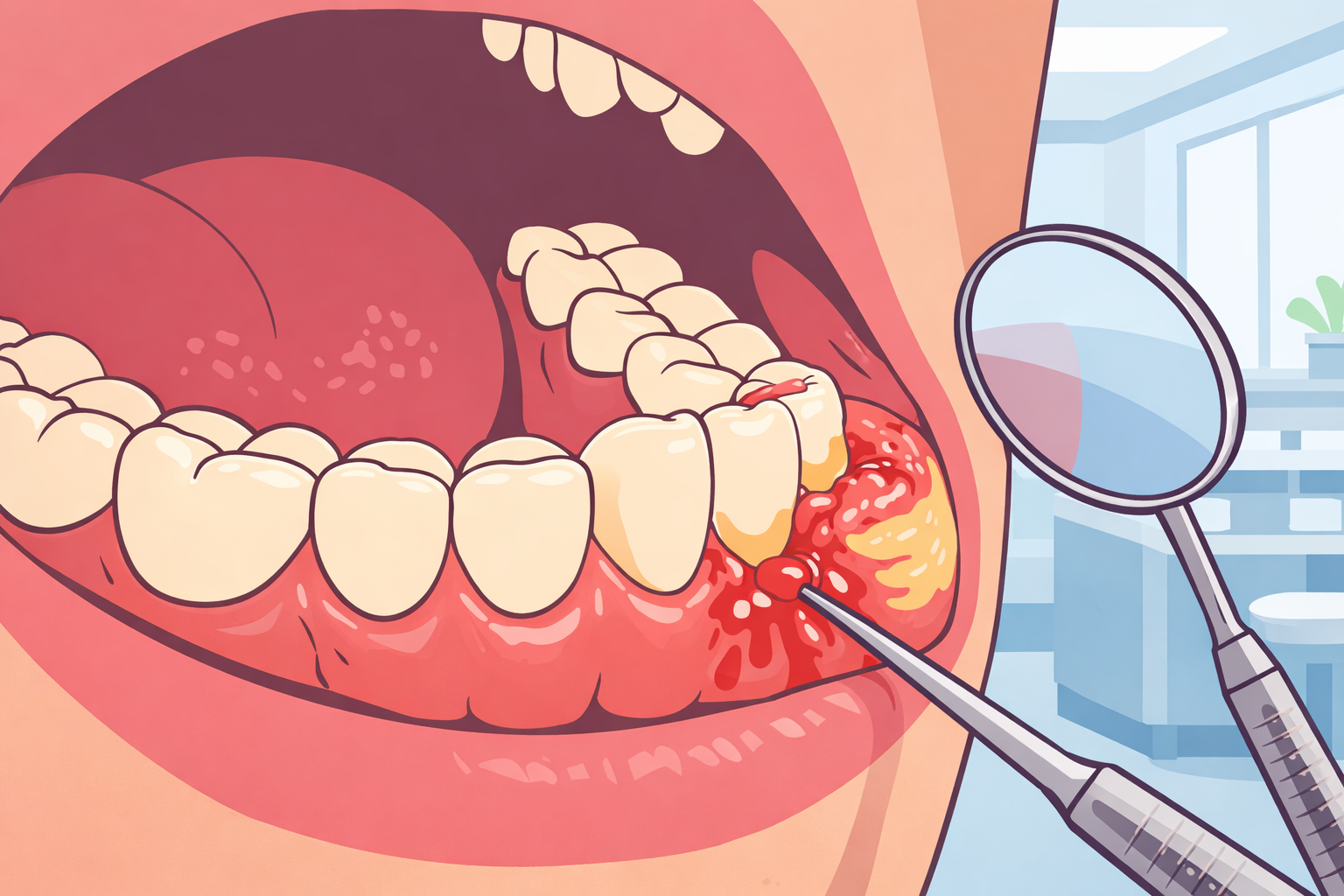
Wisdom teeth are the last set of molars to appear, typically in late teens or early twenties. While some people experience little to no issues, a serious wisdom tooth infection can develop quietly and escalate quickly. What begins as minor discomfort or mild gum irritation can progress into severe pain, swelling, and complications that affect your overall health. Recognizing the warning signs early ensures timely care and prevents more invasive treatments.
Because wisdom teeth are located at the back of the mouth, they are harder to clean and more prone to bacterial buildup. Infections in these molars can cause persistent discomfort, bad breath, and even systemic symptoms like fever or fatigue. Understanding the signs of an infected wisdom tooth and when to seek treatment is essential for protecting your oral and overall health. Knowing how to tell if your wisdom tooth is infected, including recognizing swelling, pus, or persistent pain, can prevent complications later on.
What Causes Wisdom Tooth Infections?
Wisdom tooth infections occur when bacteria accumulate around or beneath the tooth. Partially erupted or impacted teeth create areas where food particles, plaque, and bacteria become trapped, which often leads to infection.
Early discomfort may feel minor and easily mistaken for normal eruption soreness, but infections can worsen quickly if left untreated. Observing early signs of third molar eruption can help patients identify developing issues before the infection becomes serious.
Bacteria in these hard-to-clean areas cause localized inflammation, gum swelling, and pain. If untreated, the infection can extend into surrounding tissues, affecting the jaw and face.
Why Wisdom Teeth Are Prone to Infection
Wisdom teeth are especially vulnerable because of their position, growth patterns, and limited access for cleaning.
Partial Eruption
When a wisdom tooth partially erupts through the gumline, a flap of tissue can cover the tooth. This flap traps bacteria and debris, forming a pocket where infections develop and often go unnoticed until pain or swelling appears.
Impacted Teeth
Impacted wisdom teeth grow at an angle or fail to emerge fully due to jaw space limitations. This pressure can cause inflammation and makes bacterial buildup more likely.
Limited Cleaning Access
Because they are located at the back of the mouth, wisdom teeth are difficult to reach during brushing or flossing. Even with proper oral hygiene, plaque accumulation can occur, increasing infection risk. This is why cost considerations sometimes arise when planning removal, as understanding wisdom teeth removal cost can influence the timing of treatment.
Severe and Persistent Pain
Pain is often the first indication of a serious infection, but the severity and duration matter most.
Pain caused by infection tends to be:
- Constant rather than intermittent
- Throbbing or radiating toward the jaw, ear, or head
- More intense at night or with chewing
Unlike minor eruption discomfort, infected wisdom tooth pain usually escalates over time. Persistent pain may indicate that bacteria have reached deeper tissues or even the bone, necessitating professional evaluation.
Swelling Around the Tooth and Face
Swelling is a visible sign that infection is progressing.
- Gum Swelling: Infected gums may appear red, shiny, and tender, and may even show fluid accumulation.
- Facial or Jaw Swelling: If swelling spreads beyond the gums into the face or jaw, the infection may be advancing. Warmth and firmness in the area are additional signs of severity.
Facial swelling combined with severe pain is a clear signal for urgent treatment.
Pus or Discharge
The presence of pus is a direct sign of an active infection. It may appear as white or yellow fluid around the tooth and can leave a persistent bad taste in the mouth.
Pus indicates that the body is actively fighting bacteria and that the infection is no longer superficial. Timely treatment prevents the infection from spreading to surrounding tissue and potentially more serious complications.
Persistent Bad Breath or Metallic Taste
Chronic bad breath or a metallic taste that persists despite regular brushing often indicates bacteria trapped around the wisdom tooth. These symptoms frequently accompany swelling and discomfort and signal that infection is ongoing.
Jaw Stiffness and Difficulty Opening the Mouth
Infection can inflame surrounding muscles, causing trismus, a condition where opening the jaw fully is difficult. This stiffness, often coupled with pain or swelling, indicates the infection is affecting deeper tissues and must be addressed promptly.
Fever and General Illness
A serious wisdom tooth infection can affect the whole body. Symptoms may include:
- Fever or chills
- Fatigue or weakness
- Swollen lymph nodes in the neck
Systemic symptoms suggest the infection is spreading beyond the tooth, making urgent professional intervention critical.
Ear Pain, Headaches, and Sinus Pressure
Pain from a wisdom tooth infection may radiate to other areas due to nerve connections. Patients commonly report:
- Earaches
- Sinus pressure or congestion
- Persistent headaches
Referred pain may obscure the source, but recognizing the connection to a wisdom tooth ensures correct treatment.
Bleeding and Gum Recession
Infected gums are fragile and prone to bleeding, even with light brushing. Over time, gum recession exposes more of the tooth and increases the risk of deeper infection. Persistent bleeding is a sign that bacteria have reached an advanced stage.
Difficulty Chewing or Swallowing
Pain and swelling may make normal functions uncomfortable. Difficulty chewing or swallowing indicates inflammation has reached deeper tissues, and in severe cases, swelling near the throat can restrict breathing, requiring immediate care.
When Wisdom Tooth Removal Becomes Necessary
Severe or recurring infections often indicate that the wisdom tooth cannot remain safely in the mouth. Removing the tooth eliminates the source of bacteria and prevents further complications. Patients often consider long-term planning, such as whether dental implants will be needed later and whether insurance covers them, as part of overall oral health management.
Long-Term Oral Health and Cost Considerations
Financial concerns sometimes delay treatment, which can result in more complicated procedures later. Early intervention is generally simpler and more cost-effective, and understanding the removal cost can help patients plan for timely care.
Addressing infections early is both health-conscious and financially prudent, reducing the risk of additional complications and longer recovery times.
When to Seek Immediate Care
Immediate professional evaluation is required if you experience:
- Facial swelling
- Fever with mouth pain
- Pus or severe gum inflammation
- Difficulty breathing, swallowing, or opening your mouth
These symptoms indicate a serious infection that cannot be managed at home and may require urgent extraction or antibiotics.
Final Thoughts
A serious wisdom tooth infection is more than a dental nuisance. Pain, swelling, pus, and systemic symptoms are signs that professional care is necessary. Acting promptly reduces recovery time, prevents complications, and protects long-term oral health. Recognizing these warning signs ensures that wisdom teeth do not compromise your overall well-being.

Getting Wisdom Teeth Removed Without Insurance in Florida: What to Know
February 6, 2026
How Sugar Damages Teeth More Than You Think
May 12, 2026
Why Your Tooth Hurts When You Bite Down
April 17, 2026

Oral Surgery for Seniors: What to Know Before, During, and After Treatment
January 9, 2026
How Wisdom Teeth Can Cause Sinus Problems
February 2, 2026