Are Wisdom Teeth Removal Complications Common?
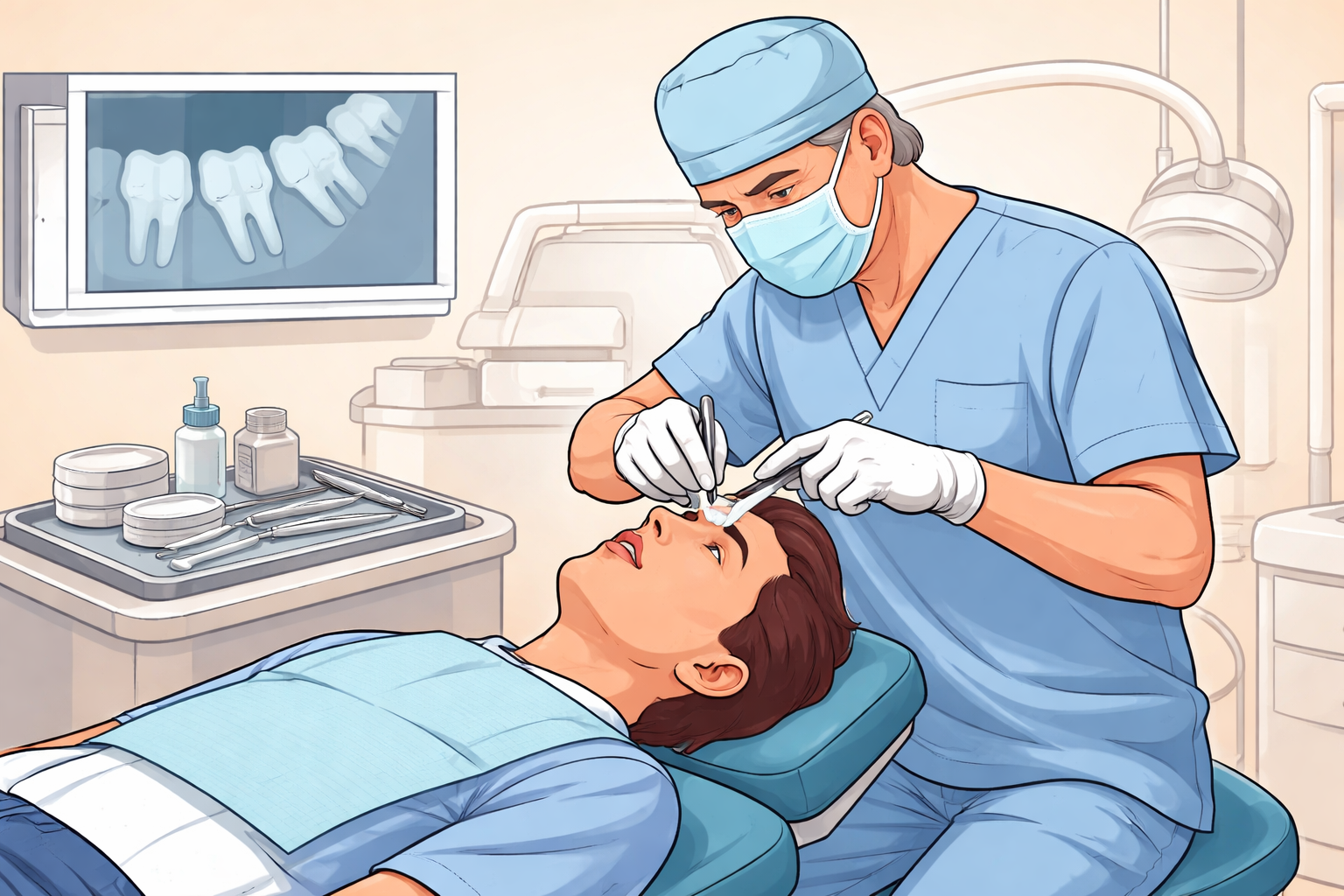
Wisdom teeth removal is one of the most frequently performed oral surgery procedures, especially among teens and young adults. Even though it’s routine, many patients still ask the same important question: are wisdom teeth removal complications common?
The honest answer is reassuring. Serious complications are uncommon, especially when the procedure is performed by an experienced oral surgeon and patients follow proper aftercare instructions. That said, understanding potential risks—and knowing what’s normal versus what isn’t—helps patients recover with confidence.
This article explains the most common concerns, how often complications really happen, and what both patients and surgeons do to minimize risk.
How Common Are Complications After Wisdom Teeth Removal?
For the vast majority of patients, wisdom teeth extraction is safe and predictable. Most people heal without any long-term issues, experiencing only temporary discomfort during recovery.
Minor side effects such as swelling, soreness, and jaw stiffness are expected. True complications occur in a small percentage of cases and are usually treatable when addressed early.
Age, tooth position, health history, and post-operative care all influence overall risk.
What’s Normal During Wisdom Teeth Recovery?
Before discussing complications, it’s important to understand what normal healing looks like.
Expected Post-Surgery Symptoms
Most patients experience:
- Swelling for the first few days
- Mild to moderate pain
- Limited jaw opening
- Light bleeding within the first 24 hours
These symptoms gradually improve and are part of the natural healing process.
Typical Recovery Timeline
- Days 1–3: Swelling and discomfort peak
- Days 4–7: Pain and inflammation begin to subside
- Weeks 1–2: Soft tissue healing progresses
- Weeks 3–4: Full recovery for most patients
Symptoms that worsen instead of improve may signal a complication.
Most Common Wisdom Teeth Removal Complications
Although uncommon, certain complications are more frequently discussed because patients often worry about them.
Dry Socket
Dry socket happens when the blood clot protecting the extraction site is lost too early, exposing underlying bone.
How common is it?
Dry socket affects about 2–5% of patients and is more common after lower wisdom tooth removal.
Signs include:
- Severe pain starting several days after surgery
- Unpleasant taste or odor
- Pain radiating to the ear or jaw
Avoiding smoking, straws, and aggressive rinsing significantly reduces risk.
Infection
Infections after wisdom tooth removal are rare but possible, especially if oral hygiene instructions are not followed.
Symptoms may include:
- Persistent swelling
- Fever
- Pus or discharge
- Increasing pain after the third day
In some cases, antibiotics are prescribed as part of recovery. Understanding proper pain management during healing helps reduce infection risk and discomfort.
Prolonged Bleeding or Swelling
Bleeding that doesn’t stop with gentle pressure or swelling that worsens after several days may indicate a problem.
This is more likely in patients who:
- Smoke or vape
- Take blood-thinning medications
- Have underlying health conditions
Prompt evaluation usually resolves the issue quickly.
Less Common but Possible Complications
Some complications are rare but still worth understanding.
Nerve Irritation or Temporary Numbness
Lower wisdom teeth sit close to sensory nerves that affect the lips, chin, and tongue.
Temporary numbness occurs in a small percentage of cases and typically resolves over time. Permanent nerve damage is extremely rare.
Advanced imaging and careful surgical planning significantly reduce this risk.
Sinus-Related Complications
Upper wisdom teeth are located near the maxillary sinuses. In rare cases, extraction can affect sinus tissue.
Following proper sinus care instructions is essential for preventing pressure issues and supporting smooth healing.
Jaw Stiffness or TMJ Discomfort
Jaw stiffness is common after surgery and usually improves within a week. Persistent TMJ discomfort is rare and often linked to pre-existing conditions.
Factors That Increase the Risk of Complications
Not all wisdom teeth are the same, and certain factors increase surgical complexity.
Age at Time of Extraction
Younger patients heal faster and experience fewer complications. As bone density increases with age, extractions can become more challenging.
Impacted or Complex Tooth Position
Fully impacted or sideways-growing wisdom teeth require more surgical intervention, slightly increasing risk.
Smoking and Vaping
Smoking is one of the strongest risk factors for dry socket and delayed healing. Quitting—even temporarily—greatly improves outcomes.
How Oral Surgeons Minimize Complication Risks
Modern oral surgery techniques are designed to reduce trauma and promote faster recovery.
Thorough Pre-Surgical Planning
Digital imaging allows surgeons to map nerve pathways, root structure, and sinus proximity before surgery begins.
Precise Surgical Technique
Minimally invasive methods reduce inflammation and protect surrounding tissue.
Bone Support When Needed
In some cases, additional bone support may be required. Learning about bone grafting helps patients understand why this step improves long-term outcomes.
When to Contact Your Oral Surgeon
Knowing when to seek help is critical.
Reach out if you experience:
- Severe pain several days after surgery
- Fever or chills
- Persistent numbness
- Swelling that worsens instead of improves
For urgent concerns, it’s best to call now and speak directly with a qualified professional.
Call us at 305-552-1193
Preventing Wisdom Teeth Removal Complications
Prevention begins before surgery and continues through recovery.
Before Surgery
- Share your full medical history
- Follow fasting and preparation instructions
- Ask questions ahead of time
If you want to discuss your concerns or schedule an evaluation, you can always contact us for guidance.
After Surgery
- Follow all post-operative instructions
- Avoid smoking and alcohol
- Eat soft foods
- Take medications exactly as prescribed
Consistency during recovery plays a major role in preventing complications.
Are Wisdom Teeth Removal Complications Common?
For most patients, wisdom teeth removal is safe, routine, and uneventful. Complications are not common, and when they occur, they are usually temporary and manageable.
Choosing an experienced oral surgeon and following recovery instructions carefully makes all the difference.
Final Thoughts
Wisdom teeth removal has a strong safety record and predictable outcomes. Understanding what’s normal, recognizing early warning signs, and knowing when to seek help empowers patients to recover comfortably and confidently.
With the right care, complications remain the exception—not the rule.
Can Wisdom Teeth Grow in Your 30s? Here’s Why
May 14, 2026

Comparing In-Office vs. Hospital Wisdom Tooth Extraction Costs
January 28, 2026

Where to Get Wisdom Tooth Removal in Miami Fast
May 11, 2026

Mouthwash and Wisdom Teeth: What Really Works
December 16, 2025

When Dentists Refer You to an Oral Surgeon: What to Expect
March 17, 2026