Early Warning Signs of Poor Oral Health You Should Know
Oral health problems rarely appear overnight. In most cases, your mouth gives you subtle clues long before a small issue turns into a painful or expensive one. The challenge is that many people ignore those clues because they seem minor, temporary, or unrelated to their dental health.
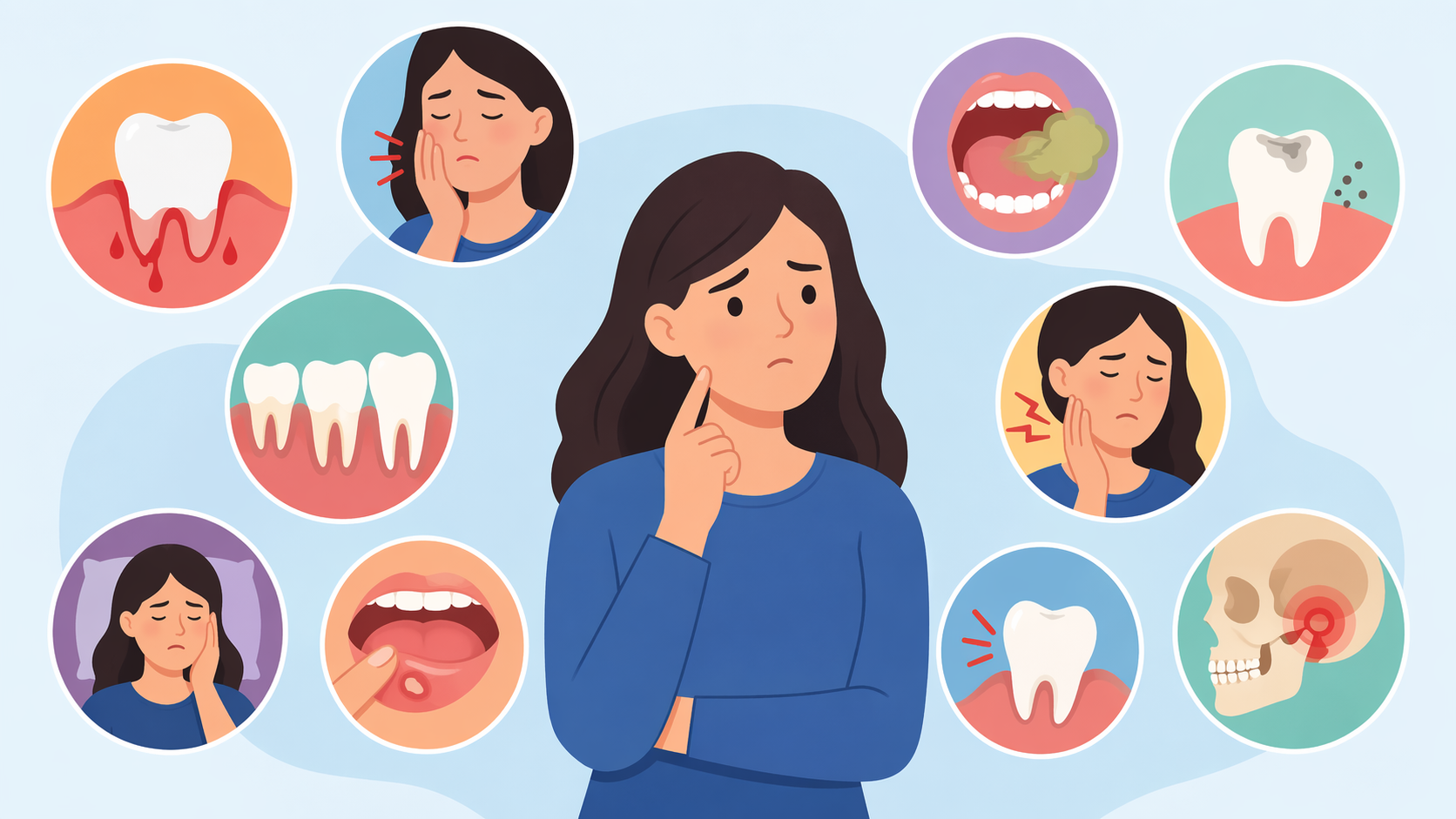
That is exactly why learning the early warning signs of poor oral health matters. From bleeding gums and persistent bad breath to jaw tension, tooth sensitivity, and recurring mouth sores, these symptoms often point to problems that deserve attention sooner rather than later. Catching them early can help prevent tooth decay, gum disease, infection, and even complications that affect your overall health.
Your mouth is closely connected to the rest of your body. Inflammation in the gums, untreated infections, chronic teeth grinding, and impacted wisdom teeth can all influence comfort, sleep, eating habits, and long-term wellness. Paying attention now is often the difference between simple preventive care and more involved treatment later.
This guide walks through the most common early signs of poor oral health, what they may mean, and when it is time to take the next step.
Why early oral health symptoms should never be ignored
Many oral health issues begin quietly. A little bleeding when you floss. A dull ache in the jaw. Breath that never quite feels fresh. These symptoms may seem easy to brush off, but they often signal that something deeper is going on.
Plaque buildup, gum inflammation, enamel erosion, infections, and alignment-related stress on the teeth can all develop gradually. Because the progression is slow, people often adapt to the discomfort instead of recognizing it as a warning sign.
The good news is that your mouth is usually quick to show changes. That makes early detection possible if you know what to look for.
Bleeding gums are one of the first red flags
Gums should not bleed during normal brushing or flossing. If you regularly notice blood in the sink, it is often an early sign of inflammation.
In many cases, bleeding gums point to gingivitis, which is the earliest stage of gum disease. This happens when plaque and bacteria collect along the gumline, irritating the tissues and causing swelling, tenderness, and bleeding.
What bleeding gums may mean
Occasional bleeding can happen if you floss too aggressively, but repeated bleeding usually suggests that the gums are already irritated. If it continues, gingivitis can progress into periodontitis, a more serious form of gum disease that may damage the bone supporting your teeth.
What to watch for with bleeding gums
Pay attention if bleeding is paired with:
- redness along the gumline
- puffiness or soreness
- gums that seem to pull away from the teeth
- bad breath that does not improve
These signs should not be dismissed as normal.
Persistent bad breath can signal more than hygiene issues
Bad breath is not always caused by the food you ate at lunch. When it lingers even after brushing, flossing, and mouthwash, it may be linked to bacteria, gum disease, tooth decay, dry mouth, or infection.
Bacteria feed on food particles and plaque, releasing unpleasant-smelling compounds in the process. If those bacteria collect under the gums or inside a decaying tooth, the odor may become stronger and more persistent.
When bad breath becomes a warning sign
If your breath stays unpleasant throughout the day, or comes back quickly after cleaning your teeth, it may indicate that your oral hygiene routine is not addressing the root cause.
Chronic bad breath can also be associated with reduced saliva flow. Saliva helps wash away debris and bacteria, so a dry mouth environment can allow odor-causing bacteria to grow more easily.
Tooth sensitivity often points to enamel or gum problems
A sudden zing when you drink something cold or eat something sweet may seem harmless, but tooth sensitivity is often an early sign that the protective structures of your teeth are changing.
Healthy enamel shields the inner layers of the tooth. When enamel wears down or gums recede, sensitive areas can become exposed. That exposure allows heat, cold, sugar, or acidic foods to trigger discomfort.
Common reasons teeth become sensitive
Sensitivity can be related to:
- enamel erosion from acidic foods and drinks
- aggressive brushing
- gum recession
- cavities
- tiny cracks in the teeth
- nighttime clenching or grinding
If sensitivity happens often or becomes stronger over time, it deserves attention.
White spots on teeth may be the start of decay
Many people assume cavities begin with pain, but decay usually starts much earlier. One of the first visible signs is the appearance of chalky white spots on the teeth.
These spots often form when minerals are being pulled out of the enamel, weakening the surface before an actual hole develops. This process is called demineralization, and it is one of the earliest stages of tooth decay.
Why early enamel changes matter
At this stage, damage may still be manageable with improved hygiene, fluoride support, and dietary changes. Once the enamel breaks down further, however, a filling or more advanced treatment may become necessary.
That is why subtle surface changes should never be ignored.
Mouth sores that do not heal deserve a closer look
Occasional irritation inside the mouth can happen after biting your cheek or eating something abrasive. But sores that linger for more than two weeks should be evaluated.
Persistent sores may be related to friction, infection, inflammation, poorly fitting oral appliances, or other underlying issues. While many mouth sores are minor, it is always worth checking if they stick around, return often, or become painful.
Signs a mouth sore needs attention
Be more cautious if the sore:
- lasts longer than two weeks
- feels larger or more painful over time
- bleeds easily
- appears with swelling or numbness
- makes eating or speaking uncomfortable
Changes in the soft tissues of the mouth are important clues and should be taken seriously.
Receding gums can expose vulnerable tooth surfaces
If your teeth start to look longer than usual, gum recession may be the reason. This happens when gum tissue gradually pulls back, exposing more of the tooth and sometimes even the root.
Receding gums can increase sensitivity, trap bacteria more easily, and make teeth appear uneven. It can also raise the risk of decay on the root surface, which is more vulnerable than enamel.
What causes gums to recede
Common causes include brushing too hard, plaque buildup, gum disease, tobacco use, and bite-related stress. Some people also have a natural predisposition toward thinner gum tissue.
Gum recession rarely improves on its own, so early evaluation matters.
Jaw pain and tension can point to hidden oral health stress
Not all oral health warnings happen inside the teeth or gums. Sometimes the first clue is in your jaw.
Frequent jaw tightness, facial soreness, headaches near the temples, and pain when chewing may point to clenching or grinding. This condition can wear down teeth, strain the jaw joints, and create ongoing discomfort without obvious tooth pain at first.
In some cases, people do not realize they grind their teeth until a dentist notices the damage or a partner hears it during sleep. If you wake up with a tired jaw or morning headaches, it may be worth learning more about nighttime teeth grinding.
Why grinding matters
Grinding can flatten the biting surfaces of teeth, cause cracks, worsen sensitivity, and contribute to muscle pain. Left unchecked, it can lead to more serious wear and long-term bite problems.
Loose teeth are never normal in adults
Adult teeth should feel stable. If a tooth shifts, wiggles, or feels different when you bite down, it is a warning sign that should not be ignored.
A loose tooth can be associated with advanced gum disease, trauma, bone loss, or infection. Even if it is not painful, mobility often means the structures supporting the tooth are compromised.
What loose teeth may indicate
The supporting tissues around the tooth include the gums, ligaments, and underlying bone. When these structures are damaged by infection or inflammation, the tooth may begin to lose stability.
This is one of the clearest signs that professional evaluation is needed promptly.
Pain or pressure in the back of the mouth may involve wisdom teeth
Discomfort near the back molars is easy to dismiss as temporary irritation, especially when it comes and goes. But pressure, swelling, tenderness, or repeated discomfort in that area can be connected to wisdom teeth.
When wisdom teeth do not have enough room to emerge properly, they can become impacted. That can lead to pain, swelling, jaw stiffness, trapped bacteria, and infection.
If you are noticing recurring pain in the back of your mouth, difficulty opening fully, or gum irritation near the last molars, it may help to review these ignored wisdom tooth symptoms.
Signs wisdom teeth may be causing trouble
Look for:
- tenderness behind the back molars
- swollen gums
- bad breath with no clear cause
- jaw soreness
- headaches or pressure
- trouble chewing comfortably on one side
These symptoms can worsen if impacted teeth are left untreated.
Trouble sleeping after dental pain can point to deeper issues
Oral health symptoms often feel worse at night. Pressure builds, inflammation becomes more noticeable, and you may be left awake by throbbing pain or jaw discomfort.
Even after a dental procedure, sleep disruption can reveal that the area needs better care or follow-up attention. If wisdom tooth discomfort or recovery has affected your rest, practical guidance on sleep after removal can make recovery more manageable.
Poor sleep and oral discomfort often feed into each other. The less well you rest, the harder it can be for your body to recover and manage inflammation.
Difficulty chewing is a warning worth taking seriously
Pain when biting, pressure on one side of the mouth, or avoiding certain foods can all be early indicators of an oral health issue.
Chewing discomfort may stem from:
- tooth decay
- cracked teeth
- gum inflammation
- bite misalignment
- infection
- impacted wisdom teeth
Because chewing uses multiple parts of the mouth at once, this symptom can be especially useful in spotting underlying problems. When normal eating becomes uncomfortable, your mouth is telling you something important.
Swelling in the gums or face may suggest infection
Swelling is one of the most noticeable signs that your body is reacting to irritation or infection. Swollen gums can develop around areas with plaque buildup, trapped food, erupting wisdom teeth, or dental abscesses.
Facial swelling is even more concerning. If swelling spreads beyond the gum area or is paired with fever, pain, or trouble swallowing, it needs urgent evaluation.
Why swelling should never be delayed
Unlike mild sensitivity or occasional bleeding, swelling often signals active inflammation. That can escalate quickly, especially if infection is involved.
When symptoms seem to intensify over a short period, it is better to act early than wait for them to worsen.
Chronic dry mouth can quietly increase oral health risks
Saliva plays a major role in oral health. It helps neutralize acids, wash away food particles, and protect the teeth and soft tissues. When your mouth stays dry, bacteria and acids have an easier time causing damage.
Dry mouth can result from medications, dehydration, mouth breathing, certain health conditions, or aging. While it may feel like a minor annoyance, it can increase the risk of cavities, bad breath, gum problems, and irritation.
Signs dry mouth may be affecting your oral health
You may notice:
- sticky or thick saliva
- frequent thirst
- bad breath
- trouble swallowing dry foods
- a rough or burning feeling in the mouth
These symptoms are worth addressing before they contribute to bigger problems.
When oral health warnings point to surgical concerns
Some symptoms go beyond routine hygiene issues and suggest that a more involved evaluation may be needed. Recurrent infections, impacted wisdom teeth, severe jaw pressure, and persistent pain can all fall into this category.
When symptoms involve wisdom teeth that are partially erupted, trapped below the gums, or pressing against neighboring teeth, understanding the next step can make treatment decisions feel much clearer. A helpful surgical extraction guide can explain what that process typically involves and why timing matters.
Knowing your options early can reduce anxiety and help you avoid complications.
How to respond when you notice early warning signs
Spotting a symptom is only the first step. What matters next is responding before the issue becomes harder to treat.
Improve your at-home routine
Start with the basics:
- brush twice a day with fluoride toothpaste
- floss daily
- clean your tongue
- reduce sugary snacks and acidic drinks
- drink more water throughout the day
- replace your toothbrush regularly
These habits support healthier gums, cleaner teeth, and lower bacterial buildup.
Pay attention to patterns
One isolated symptom may not tell the full story. But when you notice repeated bleeding, ongoing bad breath, worsening sensitivity, or back-of-mouth pain, the pattern matters.
Take note of how often it happens, whether it is getting worse, and what triggers it. That information can be useful during an exam.
Do not wait for severe pain
One of the biggest mistakes people make is assuming that no major pain means no major problem. Many oral health issues stay relatively quiet until they become advanced.
If something feels off, early evaluation is often the simplest path forward.
When it is time to seek professional care
Some symptoms should be checked sooner rather than later. Make an appointment if you have:
- bleeding gums that happen regularly
- persistent bad breath
- ongoing sensitivity
- swelling or pressure in the gums
- jaw pain or grinding symptoms
- discomfort around wisdom teeth
- loose teeth
- mouth sores that do not heal
Prompt care can prevent more extensive treatment later and give you a clearer picture of what is going on.
If you have noticed any of these signs, the smartest next move may be to schedule your consultation before the issue becomes more complicated.
Final thoughts
The early warning signs of poor oral health are often easy to miss because they do not always seem urgent at first. A little bleeding, occasional sensitivity, mild jaw tension, or discomfort near the wisdom teeth may not feel serious in the moment. But these symptoms are often your mouth’s way of asking for attention.
The sooner you recognize the signs, the more options you typically have. Early care can help protect your teeth, support your gums, reduce pain, and prevent more complex treatment down the road.
Healthy oral habits matter, but so does listening when your body signals that something is changing. Paying attention now can save you discomfort later.

Does Dental Insurance Cover Oral Surgery?
January 9, 2026

How Safe Is Modern Oral Surgery? What Patients Need to Know
December 30, 2025
How Sugar Damages Teeth More Than You Think
May 12, 2026

Wisdom Teeth Surgery Under Sedation: What You Need to Know
May 21, 2025
After Tooth Extraction: How to Keep Other Teeth Safe
March 25, 2026