Can You Be Too Old for Wisdom Teeth Surgery?
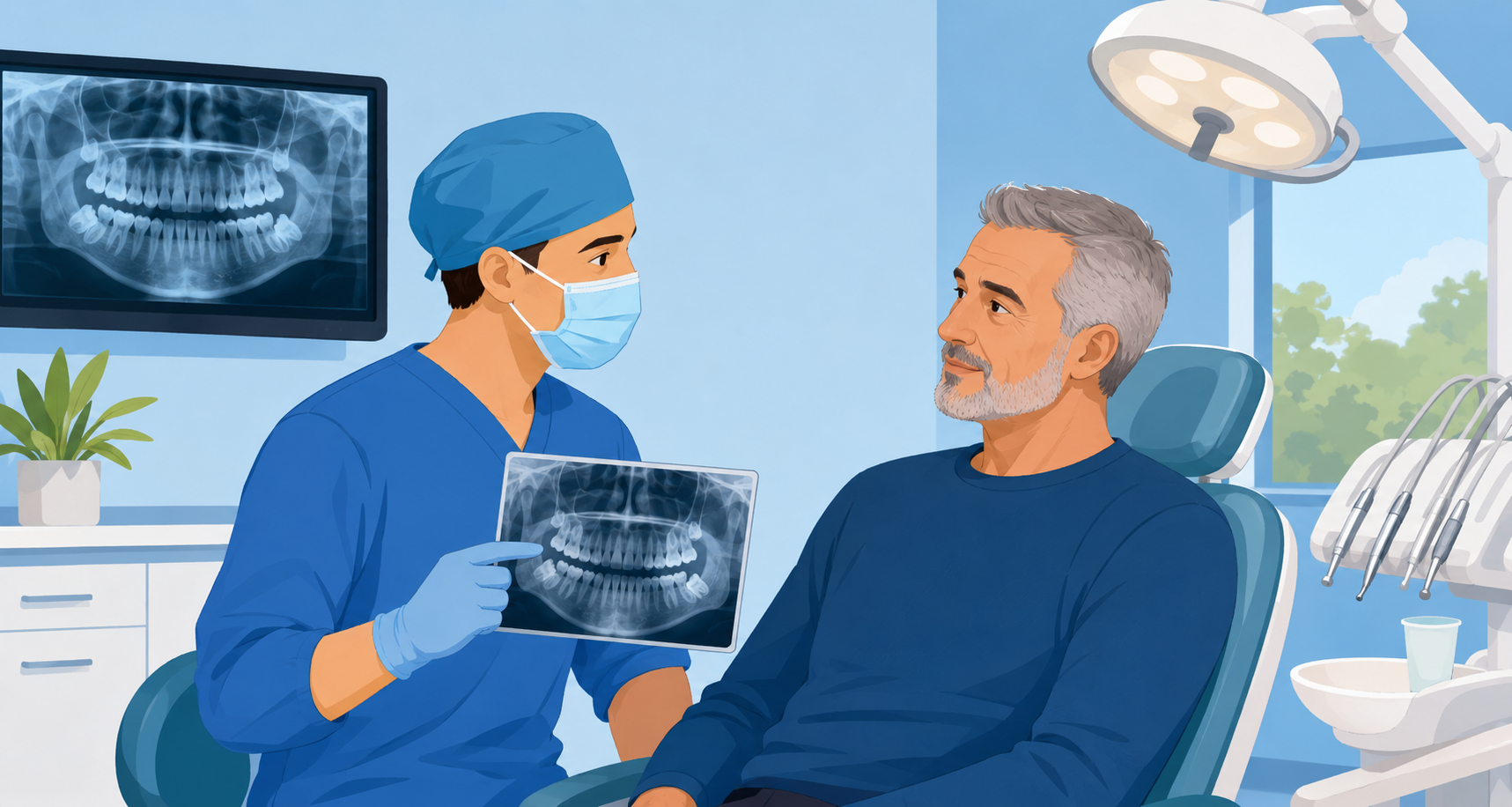
Wisdom teeth removal is often associated with teenagers and young adults, but many people begin experiencing problems much later in life. Some adults reach their 30s, 40s, or even 50s before learning that impacted or infected wisdom teeth are affecting their oral health. That naturally leads to one important question: can you be too old for wisdom teeth surgery?
The short answer is no. While wisdom teeth surgery may become more complex with age, healthy adults can still safely undergo treatment when necessary. In many cases, delaying treatment for too long creates bigger oral health problems that become harder to manage later.
Understanding how age affects wisdom tooth removal can help patients make informed decisions before pain, infection, or damage worsens.
Why Wisdom Teeth Become More Problematic With Age
Wisdom teeth are the final set of molars that usually appear between ages 17 and 25. Some people never develop issues, while others experience crowding, impaction, infections, or jaw discomfort as the teeth grow.
As patients age, wisdom teeth can become more difficult to manage because the roots continue developing and surrounding bone becomes denser. This can make extraction slightly more complicated than it would have been during younger years.
However, many adults only discover problems after symptoms become noticeable.
Common Problems Older Adults Experience
Older patients often seek wisdom teeth treatment because of:
- Chronic jaw pain
- Gum infections
- Tooth crowding
- Damage to nearby molars
- Bone loss
- Difficulty chewing
- Swelling near the back of the mouth
- Repeated infections
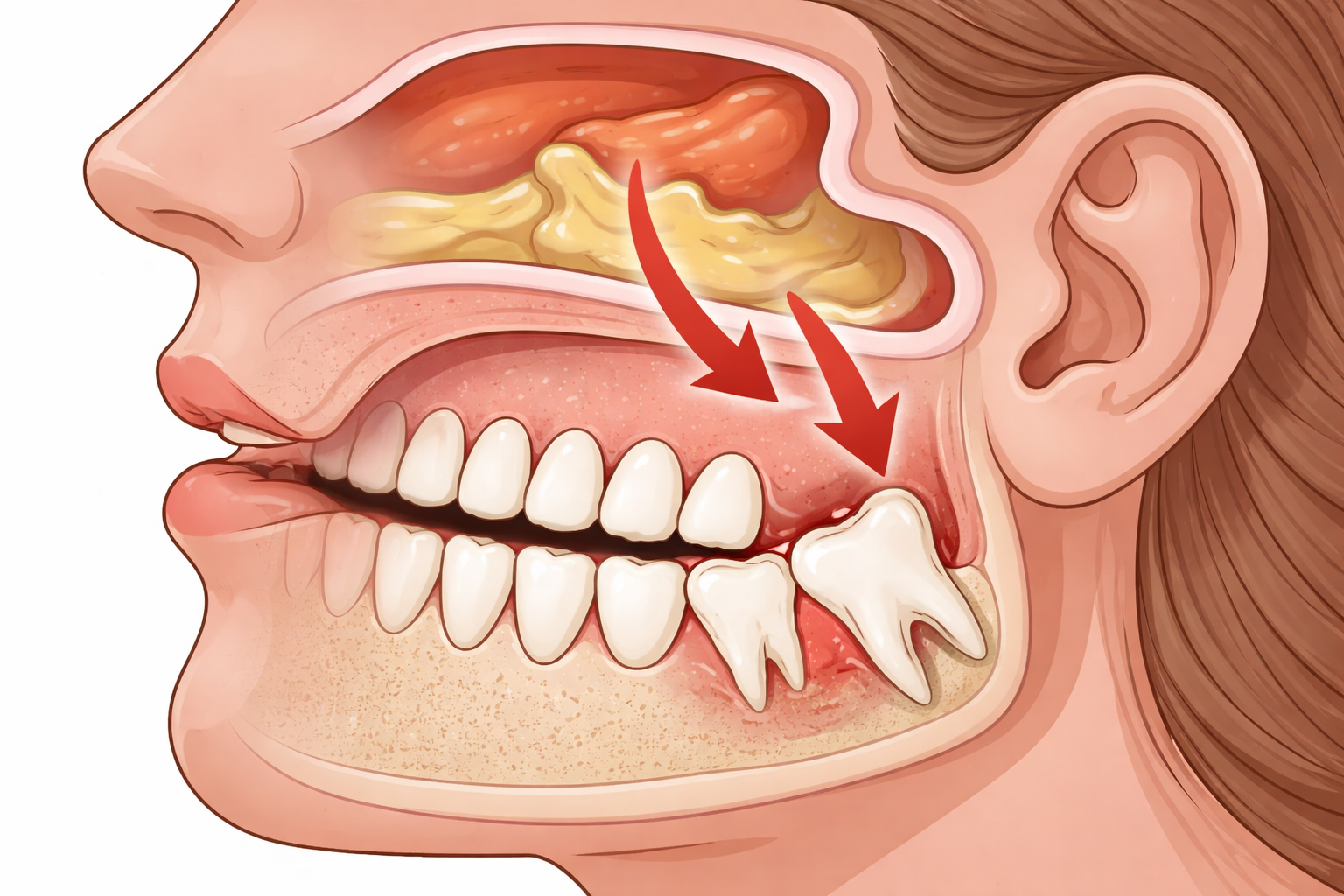
In some situations, wisdom teeth can even trigger symptoms that feel unrelated to the mouth. Patients experiencing discomfort near the jaw or ears sometimes discover their symptoms are connected to impacted molars.
Is Wisdom Teeth Surgery Riskier for Older Adults?
Wisdom teeth surgery generally carries a slightly higher complexity level for older adults, but modern oral surgery techniques make procedures safer and more predictable than many patients expect.
The main reason age matters is because the body changes over time.
Bone Density Increases With Age
Younger patients usually have softer jawbone tissue and less developed roots. This often allows wisdom teeth to be removed more easily.
As adults age, the bone surrounding wisdom teeth becomes denser and the roots may grow deeper or closer to nerves. Oral surgeons must work more carefully during extraction to minimize complications.
Healing May Take Longer
Older adults can still heal successfully after surgery, but recovery sometimes takes longer compared to younger patients. Factors such as smoking, diabetes, medications, or underlying health conditions may influence healing speed.
That said, many healthy adults recover smoothly with proper aftercare and professional monitoring.
Infection Risks Can Increase
Leaving problematic wisdom teeth untreated for years may create ongoing inflammation or hidden infections. In some cases, bacteria trapped around partially erupted wisdom teeth can spread into surrounding tissue and affect overall oral health.
Signs You Should Not Delay Wisdom Teeth Removal
Some adults avoid treatment because they assume surgery is unnecessary later in life. Unfortunately, untreated wisdom teeth problems often worsen gradually.
Persistent Pain or Pressure
Pain near the back of the mouth is one of the most common warning signs. Some patients feel sharp discomfort, while others notice dull pressure that comes and goes.
Pain may spread toward the jaw, ears, or head over time.
Swollen or Bleeding Gums
Inflamed gums around wisdom teeth often signal trapped bacteria or infection. Food debris can become difficult to clean properly around partially erupted teeth.
Repeated swelling should never be ignored.
Damage to Nearby Teeth
Wisdom teeth sometimes push against neighboring molars, increasing the risk of decay, bone loss, or shifting teeth alignment.
This becomes more concerning in adults who already have crowns, bridges, or previous dental work.
Frequent Infections
Recurring infections near wisdom teeth can affect both oral health and overall comfort. In severe cases, infections may spread into deeper tissue if left untreated.
Why Some Adults Keep Their Wisdom Teeth for Decades
Not everyone requires wisdom teeth removal. Some patients have enough space in the jaw for wisdom teeth to grow properly without causing complications.
Others may never experience symptoms at all.
Genetics Often Play a Role
Jaw size, tooth alignment, and wisdom tooth positioning are strongly influenced by genetics. Some families naturally develop smaller jaws that leave less room for third molars.
Researchers and oral surgeons continue studying these inherited patterns, discussing whether wisdom teeth are genetic.
Proper Monitoring Matters
Even symptom-free wisdom teeth should still be monitored through routine dental exams and imaging. Hidden issues can develop beneath the gums long before pain begins.
Regular X-rays help dentists identify developing problems early.
What Happens During Wisdom Teeth Surgery for Older Adults?
The overall procedure is very similar regardless of age, although older patients may require more detailed surgical planning.
Initial Consultation and Imaging
The oral surgeon begins by evaluating:
- Tooth positioning
- Root development
- Bone density
- Nerve proximity
- Existing infections
- Overall oral health
Digital imaging helps determine the safest approach for extraction.
Sedation and Comfort Options
Most wisdom teeth surgeries are performed using local anesthesia, IV sedation, or general anesthesia depending on patient preference and surgical complexity.
Older adults often appreciate sedation options that reduce anxiety and improve comfort during treatment.
Surgical Removal Process
If the wisdom tooth is impacted, the surgeon may create a small opening in the gum and remove the tooth in sections to reduce pressure on surrounding tissue.
Advanced surgical techniques help minimize trauma and support smoother recovery.
Recovery Tips for Older Wisdom Teeth Patients
Healing successfully after surgery depends heavily on following proper aftercare instructions.
Prioritize Oral Hygiene
Keeping the surgical area clean is critical for preventing infection. Gentle rinsing and careful brushing help reduce bacteria during recovery.
Poor oral hygiene habits combined with high sugar intake can increase complications and inflammation. Patients concerned about long-term dental health often benefit from understanding how sugar damages teeth, especially during recovery periods.
Follow Dietary Guidelines
Soft foods are usually recommended during the first several days after surgery.
Good recovery foods include:
- Yogurt
- Mashed potatoes
- Soup
- Scrambled eggs
- Smoothies
- Applesauce
Crunchy or hard foods should be avoided until healing improves.
Avoid Smoking
Smoking slows healing significantly and increases the risk of dry socket and infection.
Older adults who smoke may experience longer recovery times compared to non-smokers.
Stay Hydrated and Rested
Hydration and proper sleep support the body’s natural healing process after surgery.
Patients should also avoid strenuous activity for several days following the procedure.
Can Wisdom Teeth Problems Affect Overall Health?
Many people underestimate how oral health connects to overall wellness.
Untreated wisdom teeth infections can contribute to chronic inflammation, recurring pain, and difficulty eating comfortably. In some cases, bacteria from severe oral infections may spread into surrounding tissue or bloodstream.
Older adults already managing other health conditions should take dental infections seriously.
Addressing wisdom teeth issues early often helps prevent larger complications later.
When Wisdom Teeth Removal May Not Be Necessary
Not every adult requires surgery.
Wisdom teeth may be left alone if they are:
- Fully erupted
- Easy to clean
- Free from infection
- Properly aligned
- Not damaging nearby teeth
However, ongoing monitoring remains important because conditions can change over time.
Choosing the Right Oral Surgeon Matters
Older patients benefit from working with an experienced oral surgeon who regularly handles complex extractions.
Advanced imaging, careful treatment planning, and proper sedation options can make a major difference in comfort and recovery outcomes.
A thorough consultation helps patients understand:
- Surgical risks
- Recovery expectations
- Treatment timelines
- Sedation choices
- Long-term benefits
Book An Appointment
If you are experiencing jaw pain, swelling, recurring infections, or discomfort from impacted wisdom teeth, delaying treatment may allow the problem to worsen over time.
Final Thoughts
You are never automatically “too old” for wisdom teeth surgery. While extractions may become slightly more complex with age, modern oral surgery techniques allow many adults to undergo treatment safely and successfully.
The bigger concern is often waiting too long after symptoms begin.
Ignoring impacted or infected wisdom teeth can increase the risk of pain, bone loss, infections, and damage to surrounding teeth. Early evaluation gives patients more options and often leads to smoother treatment outcomes.
If wisdom teeth are causing ongoing discomfort, scheduling a professional consultation can help determine the safest and most effective next step.
Frequently Asked Questions
Can wisdom teeth be removed after age 40?
Yes. Many patients successfully undergo wisdom teeth removal in their 40s, 50s, and beyond. The procedure may require more careful planning, but age alone does not prevent surgery.
Is recovery harder for older adults?
Recovery may take slightly longer because bone density increases with age. However, healthy adults often heal well with proper aftercare.
What happens if impacted wisdom teeth are never removed?
Untreated wisdom teeth may lead to infections, gum disease, cysts, bone loss, crowding, and damage to nearby teeth.
Are wisdom teeth surgery complications common in adults?
Complications remain relatively uncommon when surgery is performed by an experienced oral surgeon and patients follow recovery instructions carefully.
Can wisdom teeth cause headaches and ear discomfort?
Yes. Impacted wisdom teeth can create pressure that radiates into the jaw, head, and ears.
Do all wisdom teeth need to be removed?
No. Wisdom teeth that are healthy, fully erupted, and easy to clean may not require removal. Regular monitoring is still recommended.
Sleep Dentistry for Wisdom Tooth Removal: Is It Right?
April 3, 2026
Long-Term Problems Caused by Retained Wisdom Teeth
June 22, 2026

Best Drinks to Have After Wisdom Tooth Extraction
March 6, 2026
How to Prevent Cavities Naturally (Simple & Effective Guide)
April 16, 2026
How Wisdom Teeth Can Cause Sinus Problems
February 2, 2026