Why Choose a Specialist for Impacted Wisdom Teeth?
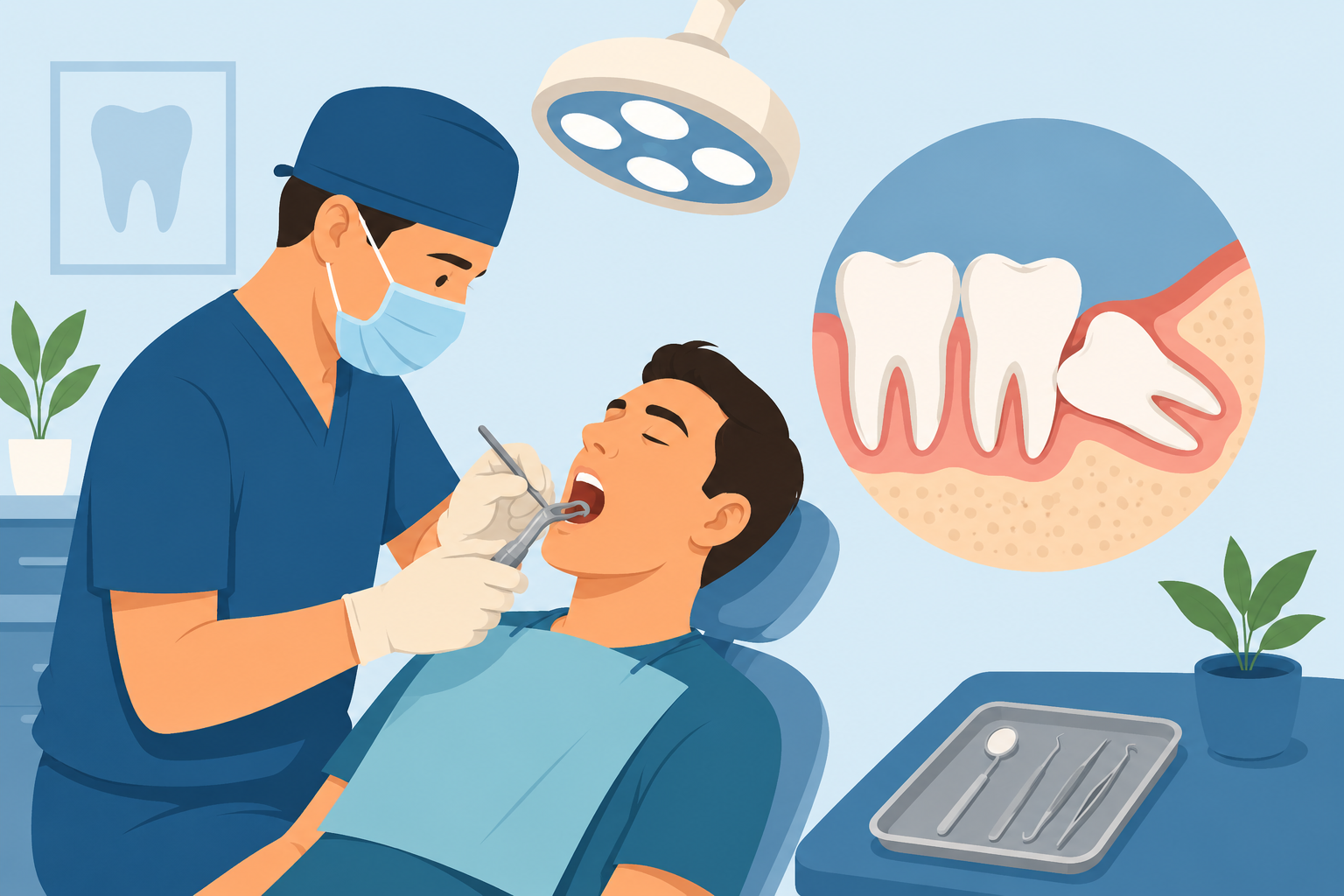
Impacted wisdom teeth can cause pain, swelling, infections, and damage to neighboring teeth if left untreated. While some wisdom teeth erupt normally, many become trapped beneath the gums or jawbone, making extraction more complex than a standard tooth removal. In these cases, choosing a specialist can make a significant difference in your comfort, safety, and recovery.
Whether you’ve recently been told you have impacted wisdom teeth or you’re exploring your treatment options, understanding the benefits of seeing a specialist can help you make an informed decision.
What Are Impacted Wisdom Teeth?
Wisdom teeth are the third set of molars that typically emerge between the ages of 17 and 25. When there isn’t enough room in the jaw for these teeth to erupt properly, they become impacted.
An impacted wisdom tooth may be:
- Completely trapped beneath the gums
- Partially erupted through the gum tissue
- Growing at an angle toward neighboring teeth
- Positioned sideways within the jawbone
Depending on the severity of the impaction, these teeth can cause discomfort or remain symptom-free for years before problems develop.
Common Signs of Impacted Wisdom Teeth
Not every impacted wisdom tooth causes immediate symptoms, but common warning signs include:
- Persistent jaw pain or tenderness
- Swollen or bleeding gums around the back teeth
- Difficulty opening your mouth fully
- Bad breath or an unpleasant taste
- Frequent infections around the wisdom tooth
- Headaches or jaw stiffness
- Crowding or pressure against adjacent teeth
If you experience any of these symptoms, scheduling a professional evaluation is the best next step.
Why Impacted Wisdom Teeth Require Specialized Care
Unlike routine tooth extractions, impacted wisdom teeth often involve structures below the gumline and close to important nerves, blood vessels, and sinuses.
A specialist has advanced training in diagnosing and treating these complex cases safely.
Advanced Education and Surgical Training
Specialists complete years of additional education beyond dental school, focusing specifically on oral and maxillofacial surgery procedures.
Their training includes:
- Surgical tooth extractions
- Bone removal techniques
- Soft tissue management
- Sedation and anesthesia
- Managing surgical complications
- Facial anatomy and nerve preservation
This expertise allows them to perform complex extractions with greater precision.
Accurate Diagnosis Using Advanced Imaging
Successful treatment begins with a thorough diagnosis.
Specialists often use advanced diagnostic tools such as:
- Digital X-rays
- 3D cone beam CT (CBCT) scans
- Comprehensive oral examinations
These images reveal:
Evaluation AreaWhy It Matters
Tooth position
Determines surgical complexity
Root development
Helps plan the safest extraction
Nerve proximity
Reduces the risk of nerve injury
Bone density
Improves surgical planning
Sinus location
Minimizes complications for upper wisdom teeth
With detailed imaging, specialists can create a personalized treatment plan that minimizes risk.
Lower Risk of Surgical Complications
Every surgical procedure carries some level of risk, but experienced specialists are trained to reduce potential complications.
Potential complications include:
- Dry socket
- Infection
- Excessive bleeding
- Temporary or permanent nerve irritation
- Damage to adjacent teeth
- Jaw stiffness
Because specialists perform impacted wisdom tooth extractions regularly, they’re equipped to anticipate challenges before they arise.
Better Pain Management Options
Many patients delay wisdom tooth removal because they worry about pain.
Specialists offer several sedation options depending on your needs and comfort level.
Common options include:
- Local anesthesia
- Nitrous oxide (laughing gas)
- Oral conscious sedation
- IV sedation
- General anesthesia for complex cases
They also carefully monitor your health throughout the procedure, helping ensure a safe and comfortable experience.
Faster, Smoother Recovery
A specialist’s experience often leads to:
- Less tissue trauma
- More precise incisions
- Reduced swelling
- Less postoperative discomfort
- Faster healing
You’ll also receive detailed aftercare instructions tailored to your specific procedure, helping you recover more comfortably.
Managing Complex Cases
Some wisdom tooth extractions involve additional challenges, including:
- Deep impactions
- Curved or unusually shaped roots
- Teeth positioned near the inferior alveolar nerve
- Multiple impacted wisdom teeth
- Existing infections or cysts
These situations often benefit from the expertise of a specialist who routinely manages advanced surgical cases.
Preventing Future Oral Health Problems
Removing impacted wisdom teeth at the appropriate time can help prevent future complications such as:
- Tooth decay
- Gum disease
- Cysts
- Damage to neighboring molars
- Bone loss
- Chronic infections
Early treatment is often simpler and may reduce the likelihood of more extensive procedures later.
What to Expect During Your Consultation
Your initial consultation typically includes:
- Review of your medical and dental history
- Digital X-rays or 3D imaging
- Comprehensive oral examination
- Discussion of treatment options
- Sedation recommendations
- Recovery instructions
- Cost and insurance review
This appointment gives you the opportunity to ask questions and understand exactly what to expect before surgery.
Questions to Ask Before Choosing a Specialist
Before scheduling your procedure, consider asking:
- How many impacted wisdom tooth extractions do you perform each year?
- What type of sedation do you recommend?
- What complications should I know about?
- How long is the expected recovery?
- What should I eat after surgery?
- How do you manage postoperative pain?
- What should I do if I experience complications?
A qualified specialist will take the time to answer your questions and explain your treatment plan clearly.
When Should You See a Specialist?
You should schedule an evaluation if you experience:
- Ongoing wisdom tooth pain
- Swollen or infected gums
- Difficulty chewing
- Jaw stiffness
- Recurrent infections
- Pressure on surrounding teeth
- Impacted wisdom teeth identified during routine dental X-rays
Even if you don’t have symptoms, your dentist may recommend an evaluation if imaging suggests future problems are likely.
Why Early Evaluation Matters
Many impacted wisdom teeth become more difficult to remove as people get older. Roots continue developing, bone becomes denser, and healing may take longer.
Early evaluation allows your dental team to monitor your wisdom teeth and recommend treatment before serious complications develop.
Frequently Asked Questions
Can a regular dentist remove impacted wisdom teeth?
Some general dentists perform straightforward extractions. However, deeply impacted or surgically complex wisdom teeth are often referred to a specialist with advanced surgical training.
Is wisdom tooth surgery painful?
During the procedure, anesthesia or sedation helps ensure you remain comfortable. Mild soreness and swelling are common afterward but can usually be managed with prescribed or over-the-counter medications and proper aftercare.
How long does recovery take?
Most people return to normal daily activities within three to five days, while complete healing of the surgical site can take several weeks, depending on the complexity of the extraction.
Is it better to remove wisdom teeth before they cause problems?
In many cases, yes. Early removal may reduce the risk of infection, damage to neighboring teeth, cyst formation, and more complicated surgery later in life. Your dentist or specialist can determine whether preventive removal is appropriate.
How do I know if my wisdom teeth are impacted?
An examination and dental X-rays are the most reliable way to diagnose impacted wisdom teeth. Even if you don’t have symptoms, regular dental checkups can detect developing issues before they become painful.
Final Thoughts
Choosing a specialist for impacted wisdom teeth offers important advantages, particularly when the extraction is complex or involves nearby nerves, bone, or sinus structures. Their advanced surgical training, experience with sedation, and ability to manage challenging cases can contribute to a safer procedure and a smoother recovery.
If you’ve been diagnosed with impacted wisdom teeth or are experiencing pain, swelling, or recurring infections, don’t wait for the problem to worsen. Scheduling an evaluation with an experienced specialist can help you understand your options and protect your long-term oral health.
How Bone Density Affects Wisdom Tooth Removal Surgery
April 30, 2026

How to Prevent Infection After Wisdom Tooth Extraction
January 29, 2026
Can You Drink Coffee After Wisdom Tooth Removal?
February 24, 2026
Signs Your Wisdom Tooth Is Growing the Wrong Way
February 9, 2026

Wisdom Tooth Surgery Mistakes That Slow Your Healing
April 28, 2026